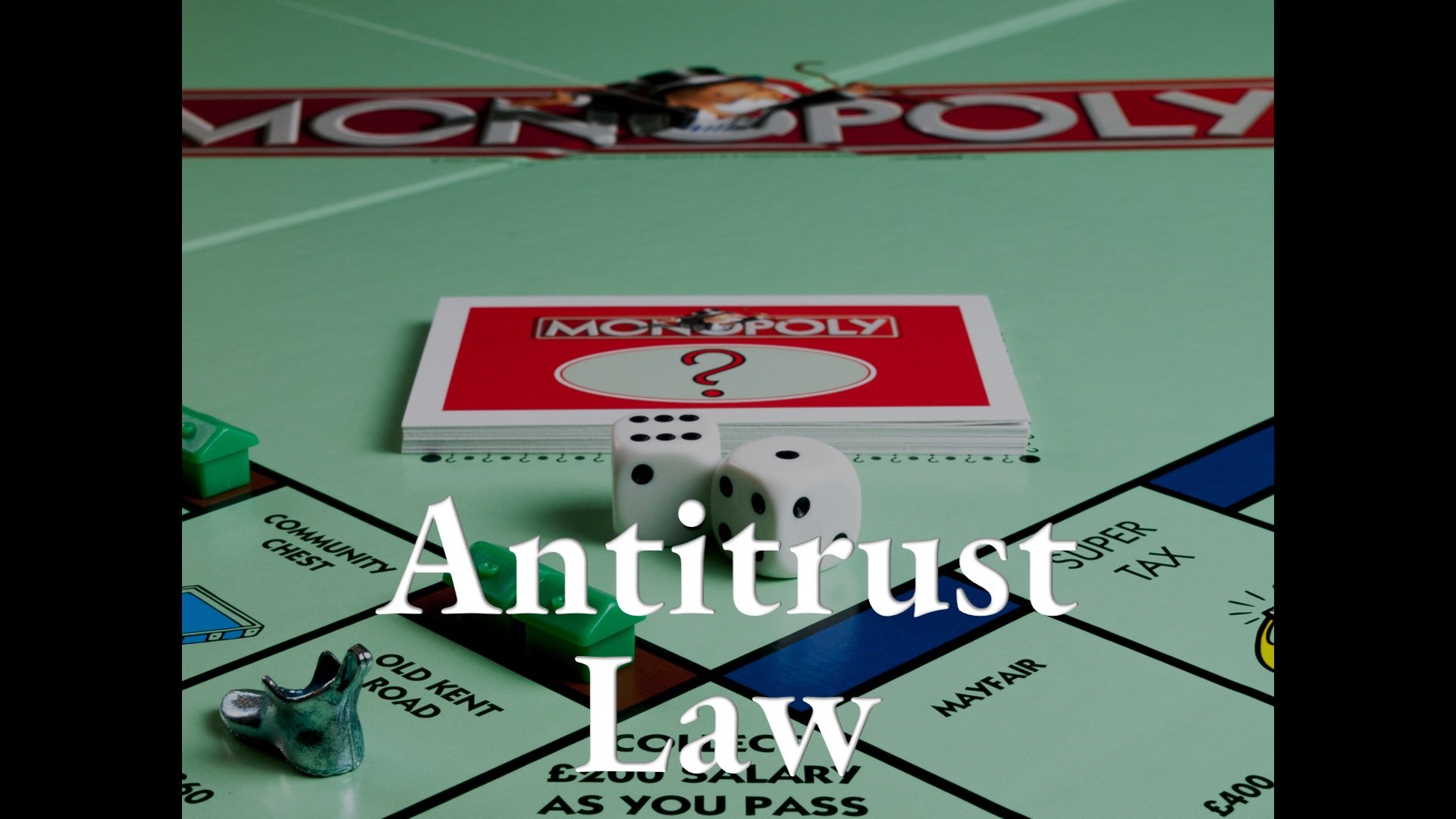
Photograph: Monopoly board game. Photo credit: William Warby, Creative Commons 2.0 (cropped).
Introduction
Corporate monopolies pose moral, economic, and political problems. They often engage in price fixing, affecting consumers; they have disproportionate power over labor wages, as well as towns, cities, states, and nations; they can control their supply chains in ways that erode the health of the natural and business environments; they are politically fascist and contribute to fascism in a deregulated economy where they also control media and lobbyists. Christian ethics must approach this issue by including observations of how God distributed land, the resource with the most productive power, in a very egalitarian and broad fashion, in Leviticus 25 and elsewhere.
Spotlight

Plantation Capitalism vs. Jesus’ Jubilee Economy
In this class, explore this public good approach to Christian ethics in the public square. This series will highlight twelve key relationships distorted by Plantation Capitalism, a system of production where elites exploit people and the planet, and corrected by Jesus in his Jubilee Economy. The following videos address finance:
Video 3: Enslavers vs Enslaved. Thieves vs Victims. Debtors vs Lenders. Employers vs. Poor & Poorer Workers. Christian faith had set up certain laws in Europe that abolished chattel slavery, thwarted the worst of labor exploitation, and persistently tried to limit finance and banks. But the colonies were a legal gray zone, where people could get away with exploitation and theft that they couldn't get away with back in Europe. European colonizers treated the North American colonies as a safe place to practice their heresies.
Video 5: Labor vs. Capital; Privatizers vs. Common Goods. Jesus reasserted God's vision of flourishing, where human and land health, and then labor rights, took clear priority over the right of elites to use money to make more money. How does WalMart do? See how we grade it. Also, Berlin residents voted to force BlackRock -- now a massive corporate landlord -- to sell back housing units to the city. How would Jesus think about that? We examine Jesus’ teaching on the relationships of Labor vs. Capital and Privatizers vs. Common Goods. Jesus asserted his claim on all creation and all people. So he extended the relational vision of God for human flourishing, where human health and land health, and human rights and labor rights took clear priority over the rights of capital and the ability of elites to use money to make more money.
See our class description. Register at our Thinkific course site.
Mako Nagasawa, Jesus’ Vision of Shared Prosperity. Faithful Resistance, August 10, 2026.
“Judge Louis D. Brandeis (1856–1941), the great pro-competition and pro-democracy advocate, warned against “the curse of bigness” and large concentrations of private wealth in his 1934 book The Curse of Bigness. His thought coheres with the Hebrew prophets:
Woe to those who attach house to house
And join field to field,
Until there is no more room. (Isaiah 5:8; cf. Micah 2:2).”
Debate on Facebook with LF About Vaccines and Anti-Trust (May 13, 2021) about COVID-19 vaccine development and anti-trust as a limitation on the vaccine supply-chain
Debate on Facebook with LF About Inflation Being Partly Caused by Monopoly (Dec 29, 2022) about why “shareholder profits” is not enough
Debate on Facebook with LF About the Big Four Meat Processing Companies Inflating Prices (Jan 13, 2022) about the fact that massive meat processing companies are able to make more profits on meat simply by raising prices, not because the cost of raising cattle, or transporting cows, or paying labor has gone up.
-
Dodge v. Ford Motor Company 1919 (Wikipedia). This a case in which the Michigan Supreme Court held that Henry Ford had to operate the Ford Motor Company in the interests of its shareholders, rather than in a manner for the benefit of his employees or customers.
Lina Khan and Sandeep Vaheesan, Market Power and Inequality: The Antitrust Counterrevolution and its Discontents. Harvard Law & Policy Review, Apr 24, 2016.
“One underexplored theme in the debate around economic inequality is the role of monopoly and oligopoly power. Despite the relative lack of attention to this topic, there is sound reason to believe that pervasive market power in the economy has contributed to the high level of economic inequality in the United States today. Given the general affluence of shareholders and executives relative to consumers — as well as the power dynamics within large companies — we can expect market power to have significant regressive distributional effects. Monopoly and oligopoly pricing, in general, transfers wealth from the ordinary many to the elite few. Case studies of anticompetitive practices and non-competitive market structures in several key industries illustrate how large firms have come to dominate the U.S. economy. Additionally, monopolistic and oligopolistic companies translate their economic power into political influence, often successfully pushing for laws and regulations that further entrench their position and transfer wealth upwards. The prevalence of market power in the economy today was not inevitable. Instead, it is the product of an intellectual and political shift in the 1980s that dramatically reoriented and narrowed the goals of antitrust law. Importantly, this antitrust counterrevolution can be reversed. We present a vision of antitrust that accords with what Congress intended in enacting “this comprehensive charter of economic liberty” and offer specific policy prescriptions.”
Alana Semuels, Can America’s Companies Survive America’s Most Aggressive Investors? The Atlantic, Nov 18, 2016. Semuels refers to downsizing, private equity asset stripping, etc.
Lillian Salerno, Want to Rescue Rural America? Bust Monopolies. Washington Post, Apr 20, 2017. See archived copy. Monopolies pay lower wages. They interfere with the freedom to compete and stifle innovation. They move money circulation out of local communities and into the hands of investors elsewhere.
David Autor, David Dorn, Lawrence F. Katz, Christina Patterson, and John Van Reenen, The Fall of the Labor Share and the Rise of Superstar Firms. NBER, May 2017.
“The fall of labor's share of GDP in the United States and many other countries in recent decades is well documented but its causes remain uncertain. Existing empirical assessments of trends in labor's share typically have relied on industry or macro data, obscuring heterogeneity among firms. In this paper, we analyze micro panel data from the U.S. Economic Census since 1982 and international sources and document empirical patterns to assess a new interpretation of the fall in the labor share based on the rise of “superstar firms.” If globalization or technological changes advantage the most productive firms in each industry, product market concentration will rise as industries become increasingly dominated by superstar firms with high profits and a low share of labor in firm value-added and sales. As the importance of superstar firms increases, the aggregate labor share will tend to fall. Our hypothesis offers several testable predictions: industry sales will increasingly concentrate in a small number of firms; industries where concentration rises most will have the largest declines in the labor share; the fall in the labor share will be driven largely by between-firm reallocation rather than (primarily) a fall in the unweighted mean labor share within firms; the between-firm reallocation component of the fall in the labor share will be greatest in the sectors with the largest increases in market concentration; and finally, such patterns will be observed not only in U.S. firms, but also internationally. We find support for all of these predictions.”
The Young Turks, Alexandria Ocasio-Cortez And Elizabeth Warren Put Steve Mnuchin On Blast. The Young Turks, May 23, 2019. how hedge-fund manager Eddie Lampert became CEO and placed Steve Mnuchin on the board so he could asset-strip Sears, buy Sears property himself and rent it back to Sears at prices he set himself, and drive Sears into debt from private equity and his own hedge-fund while issuing stock-buybacks to profit himself. See also The Young Turks, Why Sears Bankruptcy Should Outrage You. The Young Turks, Dec 17, 2018. on how private equity companies destroy other solid corporations; and how other media companies do not cover it accurately; Sears execs will make huge bonuses for the bankruptcy proceedings, while workers make nothing. See also Bess Levin, Did Steven Mnuchin Help His College Roommate Steal $2 Billion? Vanity Fair, May 23, 2019.
Matt Stoller, How Monopolies Broke the Federal Reserve. Matt Stoller, Aug 13, 2019. Referring to consumption and saving.
“What the chart on credit card interest rates shows is that the Fed’s attempt to move money into the economy doesn’t work anymore. The knobs and levers that translate interest rate changes into money being put to work in building things - the monetary transmission mechanism - has been severed.
The Fed can push dollars into the financial system or pull dollars out, but it does so through markets that only very powerful money wholesalers get access to. Those wholesalers aren’t lending into productive purposes, which is why rates are low or even negative. And when they do lend out to actual people, they do it into concentrated and corrupted markets with extremely high interest rates, like credit cards.
I wrote about this problem in 2012, in a paper called The Housing Crash and the End of American Citizenship, where I described how the foreclosure crisis snapped the spine of our financial system and social contract, in the process destroying the monetary transmission mechanism. I got this thesis from monetary economist Jane D’Arista, who has been noting for decades that the Fed’s monetary policy tools have weakened as financial power has consolidated into the hands of private financiers.
Professor Carolyn Sissoko, who has a powerful institutional view of monetary policy, is tracing the collapse of public power in depth in her series on the decline of Bretton Woods. But the bottom line is that public institutions, including the Fed, have been neutered in terms of the ability or willingness to wield power. They operate through private equity, hedge funds, large banks, and monopolies, or they don’t operate at all.”
David Doel, Alexandria Ocasio-Cortes Passionately Demolishes Private Equity Firms. The Rational National, Nov 20, 2019. private equity firms leverage debt, buy companies, strip them of assets and jobs, and sell at a profit; this is the result of vertically integrated monopoly power.
Peter Eavis, While Millions Lost Jobs, Some Executives Made Millions in Company Stock. New York Times, Oct 8, 2020.
Chuck Collins, Omar Ocampo, and Sophia Paslaski, Billionaire Bonanza 2020: Wealth Windfalls, Tumbling Taxes, and Pandemic Profiteers. Institute for Policy Studies, Nov 2020. summarized by Yawu Miller, Billionaires Profit, Workers Struggle. Bay State Banner, Nov 25, 2020.
David Doel, Katie Porter Exposes Big Pharma CEO's Greedy Lies To His Face. The Rational National, May 18, 2021. Abbott Labs/AbbVie raised the price of Humira by 13x because there are no price controls in the U.S. The federal government does not negotiate drug prices with big pharma. See The Hill, Katie Porter Presses Pharma CEO on Increased US Prices of Two Drugs. The Hill, May 18, 2021. for full video of Katie Porter. D-CA. grilling CEO Gonzales.
Peter S. Goodman, Davos Man: How the Billionaires Devoured the World. Amazon page, Jan 2022. See interview by Amy Goodman, "Davos Man": How Billionaires Devour the World & Fuel Global Inequality, Prolonging the Pandemic. Democracy Now, Jan 21, 2022. Peter Goodman discusses Marc Benioff (Sales Force), Stephen Schwarzman (Blackstone Capital), Jeff Bezos (Amazon), etc. and the culture of celebrating CEOs and billionaires for philanthropy. “As many of the world's wealthiest people wrap up virtual talks today at the World Economic Forum based in Davos, Switzerland, Oxfam reports the incomes of 99% of the world's population dropped during the pandemic while the world's 10 richest men saw their wealth double. Meanwhile, vaccine profits have minted at least nine new billionaires at Moderna, BioNTech and China's CanSino, amassing a combined new wealth of over $19 billion.”
James Li, Stock Buybacks Are Destroying American Economy. Breaking Points with Krystal and Saagar, Aug 27, 2022. In the last 10 years, the top 20 companies on the S&P 500 bought back about $1.3 trillion in stock shares, with Apple leading the list by far. Because this removes stocks from the market, it artificially boosts Earnings Per Share. Yet companies depleted their cash prior to the COVID pandemic and then begged for cash from the government -- something individual people would be excoriated for doing. Also, company executives were much more likely to engage in insider trading when stock buybacks happened. Also, company executives are relying on debt to finance stock buybacks. James Li also comments on government policies that address stock buybacks.
Joseph Brown, How Large Corporations are Exploiting High Interest Rates Right Now. Heresy Financial, Sep 22, 2023. Goliath companies have so much cash, they act like banks and lend money out at high rates.
-
Jerry Useem, How Online Shopping Makes Fools of Us All. The Atlantic, May 2017. re: price setting
Jeff Desjardins, The Evolution of Standard Oil. The Virtual Capitalist, Nov 24, 2017.
Hasan Minhaj, Amazon. Patriot Act, Nov 4, 2018. explores predatory pricing, antitrust law, and the dangers of big companies
Hasan Minhaj, Drug Pricing. Patriot Act, Feb 17, 2019. features epi-pens and insulin, patent law and PBM's.
Zephyr Teachout, Break 'Em Up: Recovering Our Freedom from Big Ag, Big Tech, and Big Money. Amazon book, July 2020. See review by Robin Kaiser-Schatzlein, Monopolies Make Their Own Rules. New Republic, Jul 7, 2020. “Zephyr Teachout’s new book lays bare the private legal system that shores up their immense power—and hides it from public view.”
Ryan Grim, Damning New Email Puts Joe Manchin’s Daughter At Center Of EpiPen Price-Fixing Scheme. Rising | The Hill, Sep 7, 2021.
Krystal Ball and Saagar Enjeti, Corporations Openly Bilking Shoppers With Inflation Cover. Breaking Points, Nov 18, 2021. spotlights Walmart, Colgate-Palmolive, Kroeger to post the largest earnings ever.
Jonathan Chait, Socialize College Sports. New York Magazine, Dec 1, 2021. “Universities need to take their athletics back from the free market.”
Andrea Shalal, Meat Packers' Profit Margins Jumped 300% During Pandemic - White House Economics Team. Reuters, Dec 10, 2021.
Matt Stoller, Corporate Profits Drive 60% of Inflation Increases. Substack, Dec 29, 2021. Higher prices aren't just a result of supply chain chaos or government spending. Inflation is being driven by the pricing power and higher profits of corporations, costing $2,126 per American. See Krystal Ball, Exposed: 60% Of Inflation Caused By Corporate Greed. Breaking Points with Krystal and Saagar, Jan 3, 2022. Larry Sommers denies any influence. Matt Stoller estimated 60%. Plus, corporate leaders confess that they raise prices under the cover of “inflation.”
Krystal Ball and Saagar Enjeti, Bipartisan Push to Punish Meatpackers Jacking Up Prices. Breaking Points, Jan 4, 2022. Shows a helpful graph of the cost of cattle, which has stayed stable, and the cost of processed meat, which has grossly increased.
Thom Hartmann, Biden's Beef with the Meat Industry Monopolies (w/ Richard Wolff). Thom Hartmann Program, Jan 5, 2022.
CNBC, Why Moderna Doesn't Own Its Covid Vaccine. CNBC, Jan 22, 2022. This deals with public funding and its significance compared with patent law which allows for privatizing profits.
Krystal Ball and Saagar Enjeti, Starbucks, Big Oil Caught Making Billions Off Price Gouging. Breaking Points, Feb 3, 2022.
Matt Stoller, Exposing the Amazon Prime Scam. Breaking Points, Feb 6, 2022. How can Amazon supposedly make delivery costs free? Amazon simply raises the cost on the seller, then requires the seller to maintain the higher cost on other platforms. This raises the cost to all consumers, everywhere.
Amanpour and Company, Mark Cuban Talks New Price-Slashing Pharma Company and NFTs. Amanpour and Company, Feb 18, 2022. Cuban examines the structure of delivery and argues that he cut out an expensive, inefficient middleman called the Pharmacy Benefit Managers. But can someone else come in and cut out Cuban’s 15% over cost?
Matt Phillips, Corporate Profits Hit a New Record High in 2021. Axios, Mar 31, 2022. “For the full year 2021, pre-tax profits rose 25% to roughly $2.81 trillion, handily outpacing the 7% rise in consumer prices over the same stretch.”
Brain Mann, Rich Companies Are Using a Quiet Tactic to Block Lawsuits: Bankruptcy. NPR, Apr 2, 2022. Re: Johnson & Johnson and LTL; Purdue Pharma; Koch brothers’ company Georgia-Pacific.
PBS News Hour, Why Corporations Are Reaping Record Profits with Inflation on the Rise. PBS News Hour, Apr 12, 2022. Corporate consolidation, or monopoly power, is one major factor, because it prevents new competitors from entering the market to price goods lower.
Amy Goodman and Juan Gonzales, Prices Soar as Corporate Profiteers & Speculators Drive Inflation; It Hurts the Developing World. Democracy Now, Apr 13, 2022. Food and energy insecurity and inflation will drive a famine.
Robert Reich, How to Stop Profiteering and Get Money Back in Your Pockets. Robert Reich, Apr 14, 2022. Senator Sheldon Whitehouse proposes a Windfall Tax Bill that taxes excess profits of oil and gas companies and gives the money back directly to the American people. The Windfall Tax Bill shows that the idea that corporate profits should better serve the public good is philosophical and legal.
Josh Bivens, Corporate Profits Have Contributed Disproportionately to Inflation. How Should Policymakers Respond? Economic Policy Institute, Apr 21, 2022. “The price of just about everything in the U.S. economy can be broken down into the three main components of cost. These include labor costs, nonlabor inputs, and the “mark-up” of profits over the first two components. Good data on these separate cost components exist for the nonfinancial corporate (NFC) sector—those companies that produce goods and services—of the economy, which makes up roughly 75% of the entire private sector. Since the trough of the COVID-19 recession in the second quarter of 2020, overall prices in the NFC sector have risen at an annualized rate of 6.1%—a pronounced acceleration over the 1.8% price growth that characterized the pre-pandemic business cycle of 2007–2019. Strikingly, over half of this increase (53.9%) can be attributed to fatter profit margins, with labor costs contributing less than 8% of this increase. This is not normal. From 1979 to 2019, profits only contributed about 11% to price growth and labor costs over 60%, as shown in Figure A below. Nonlabor inputs—a decent indicator for supply-chain snarls—are also driving up prices more than usual in the current economic recovery.” See also commentary by Krystal Ball and Saagar Enjeti, Exposed: How Corporate Thieves Are Jacking Up Prices. Breaking Points with Krystal and Saagar, Apr 30, 2022. Krystal and Saagar connect it to monopolistic price gouging.
John Oliver, Tech Monopolies. Last Week Tonight, Jun 13, 2022. Examines the anticompetitive, monopolistic power of Amazon and Google especially.
Eric Gardner, Why Are Diaper Prices Up 184 Percent? Two Corporations Are Preying On Parents. More Perfect Union, Jun 14, 2022.
James Li, Oil Markets Reveal Rot In American Economy. Breaking Points with Krystal and Saagar, Jun 19, 2022. Financial engineering results in Big Oil buying back stocks and paying dividends instead of drilling new wells and expanding oil supply, which would reduce the price of oil and gas to consumers. Meanwhile, despite inflation, Big Oil is seeing the second highest cash flow ever.
Carsten Jung and Chris Hayes, Prices and Profits After the Pandemic. Institute for Public Policy Research, Jun 20, 2022. “While inflation is primarily being driven by global factors, this joint IPPR and the Common Wealth report argues that surging profits by some companies could be a contributing factor to rising prices. Contrary to the arguments of the prime minister and the governor of the Bank of England that wage restraint is needed to keep inflation down, the report argues that profit restraint is also required.”
Ariela Weinberger, Prices, Profits, and Power: Corporate America and Inflation. Roosevelt Institute, Jun 21, 2022. “New Roosevelt Institute brief finds that corporate markups and profits are at their highest recorded level since the 1950s.” See interview by Saagar Enjeti, Data Proves Corporate Price Gouging. Breaking Points with Krystal and Saagar, Jul 5, 2022.
The Gravel Institute, How Oil Companies Are Scamming You. The Gravel Institute, Jun 30, 2022. Interviews Matt Bruenig at the People’s Policy Project, and compares the U.S. to Norway’s treatment of its oil industry. Due to financial laws, U.S. oil companies refuse to increase supply to keep oil prices high, then buy back their own stock to increase the profits for their shareholders.
Julia Jaki, Biopiracy: The Commercial Appropriation of Biological Resources. Deutsche Welle Documentary, Jul 26, 2022.
“Rooibos tea and the sweetener stevia were originally discovered by indigenous peoples. Now they are among a long list of biological resources that bring profit to international corporations. Biopiracy, or scientific colonialism, is the term for when big companies appropriate biological resources or the traditional knowledge associated with them without compensating the relevant indigenous peoples. It chiefly involves stimulants, food crops and medicinal plants with benefits first determined by the people who originally cultivated them. Financially powerful corporations take that knowledge, and turn it into big business. The Pai Tavytera in northeastern Paraguay discovered the sweetening properties of stevia centuries ago - but have seen none of the profits now being made on the global market. While they find themselves displaced to reservations and surrounded by monoculture agribusiness and cattle farms, the wild stevia plant has almost died out. Over in South Africa, the descendants of the Khoikhoi and San face a similar fate; the country's original inhabitants were the first to cultivate rooibos, which is exclusive to the Zederberg region. Today the plant is grown on a large-scale commercial basis, and marketed worldwide, primarily as a tea product. The fight against biopiracy, however, is not just about money and patents; species preservation is another crucial issue. Indigenous peoples possess precious insights into the workings of nature, and are recognized by UNESCO and other institutions as vital conservers of biodiversity. There are international agreements that are supposed to ensure that the relevant peoples or countries receive fair compensation for access to their genetic resources. However, in practice this rarely happens. All too often, industry and governments alike lack the will and authority to guarantee compensation payments. Biopiracy has thus become rampant - especially in the biodiversity hotspots in the southern hemisphere.”
Robert Reich, Gas Companies Owe You Money -- Here’s How You Can Get It. Robert Reich, Aug 2, 2022. Reich gives a data-driven analysis of price gouging. He advocates a Windfall Profits Tax that would rebate consumers.
Matt Stoller, Will We Let Billionaires LOOT Our Supermarkets? Breaking Points with Krystal and Saagar, Oct 30, 2022.
CNBC, How Corporate Greed Makes Inflation Worse. CNBC, Nov 2, 2022. Also examines the Inflation Reduction Act’s $739 billion investment and subsidies.
Andrew Glover, José Mustre-del-Río and Alice von Ende-Becker, How Much Have Record Corporate Profits Contributed to Recent Inflation? Federal Reserve Bank of Kansas City, Jan 12, 2023. “Firms raised markups during 2021 in anticipation of future cost pressures, contributing substantially to inflation.”
Justin King, "I Almost Ended My Life Because Of The Corrupt & Rigged Beef Industry". The Class Room | More Perfect Union, Feb 2, 2023. An excellent, fact-full and emotionally gripping 13 minute video.
Isabella M. Weber and Evan Warner, Sellers’ Inflation, Profits, and Conflict: Why Can Large Firms Hike Prices in an Emergency? Mass Amherst Economics Working Papers, Feb 27, 2023.
Krystal Ball, Insulin CEO Cuts Price But Here's The Catch. Breaking Points, Mar 2, 2023. A good summary of the industry.
Will Daniel, ‘We May Be Looking at the End of Capitalism’: One of the World’s Oldest and Largest Investment Banks Warns ‘Greedflation’ Has Gone Too Far. Fortune, Apr 5, 2023. Monopoly power gives corporations a pricing advantage, raising prices and profiting more when fears of inflation circulate. See Kyle Kulinsky, Investment Bank Says Capitalism Is Collapsing. The Kyle Kulinski Show, Apr 18, 2023.
Emily Peck, Once a Fringe Theory, “Greedflation” Gets Its Due. Axios, May 18, 2023. Good summary of the recent scholarship and debates.
James Li, Exposing Corporate Media's Inflation Propaganda. Breaking Points, Jun 18, 2023. Greedflation, including verbal quotes from executives on earnings calls.
Ben Norton, Corporate Profits Were Biggest Driver of Inflation in Europe, IMF Admits. Geopolitical Economy, Jun 26, 2023. “Rising corporate profits have caused 45% of inflation in Europe, compared to 40% for rising import prices and just 15% for workers’ wages, according to research by IMF economists.”
Noah Smith, Antitrust Appears to Work. Noahpinion, Sep 9, 2023. Smith was uncertain about this before, but now says in response to Babina et.al.:
During the 2010s I blogged a lot about market power and antitrust. Basically, the field of econ tasked with studying monopolies and monopsonies, called Industrial Organization or IO, hadn’t expressed much concern over rising market concentration across the U.S. economy. But then a bunch of macroeconomists and labor economists came along and shook up that cozy world by showing that increasing market power could explain many of the weird changes that had been happening to advanced economies and labor markets since the turn of the century. Those included slower growth, sluggish wages, higher market concentration, higher profits despite lower interest rates, and a number of others.
A vigorous multi-year debate ensued, with good points made by both sides, and much high-quality new research produced. But events sort of overtook the debate when Biden appointed tough antitrust crusader Lina Khan to head the Federal Trade Commission, and she started going after mergers and monopolies more aggressively.
Matt Stoller, Google on Trial For Illegal Monopolistic Practices | BIG Breakdowns. Breaking Points, Sep 10, 2023.
Matt Stoller, Biden Moves To Crack Down On Junk Fees. BIG Breakdowns | Breaking Points, Oct 15, 2023. This is an excellent video about not just junk fees, but corporate consolidation and price fixing when software and algorithms get involved.
Senator Bob Casey, A Special Report on Greedflation: How Corporations Are Making Record Profits on the Backs of American Families. Senator Bob Casey, Nov 2023. See summary by Julia Terruso, Potatoes, Huggies, and Toothpaste Are Rising in Price and Bob Casey Says Greedy Corporations Are to Blame. Philadelphia Inquirer | MSN, Nov 2023. See Phoenix Berman, PA Senator Bob Casey’s “Greedflation” Reports Expose Consumer Price Gouging. CBS News, Nov 16, 2023.
Tom Perkins, Half of Recent US Inflation Due to High Corporate Profits, Report Finds. The Guardian UK, Jan 19, 2024. “Thinktank report says ‘resounding evidence’ shows companies continue to keep prices high even as their inflationary costs drop.”
Leeja Miller, No, You’re Not Crazy. Everything Is More Expensive. Leeja Miller, May 1, 2024. Re: monopolies and antitrust law. “Despite the fact that we have effective anti-trust laws on the books, they haven't been enforced in over 4 decades, allowing for the conglomeration of all major industries in the United States. This means that everything here is more expensive than it is in other similar countries. That's a problem. This is how anti-trust laws will save us all.”
Matt Stoller, Monopoly Round-Up: FBI Raids Big Corporate Landlord Over Nationwide Rent Hikes. Big | Substack, Jun 3, 2024.
More Perfect Union, How Tyson Captured All The Pork You Eat (And Made Billions). More Perfect Union, Jun 21, 2024. Iowa has lost 90% of its family farms in the past 40 years — 40,000 total farms, gone. But hog industry profits have tripled. All that profit just goes to 3 companies that now dominate every aspect of the pork industry. Tyson is a vertically integrated monopoly. They raised and mass produced hogs like chickens.
More Perfect Union, This Billionaire Family is Suffocating Rural America. More Perfect Union, Jul 8, 2024. The Koch Industry company owns fertilizer. “Just 4 companies control almost all the fertilizer in America. Fertilizer prices have tripled since 1980, farmers are struggling, and it could get even worse. Now the Kochs are planning a billion-dollar merger to drive up prices for farmers—and suffocate rural America—even more.”
Matt Stoller, Judge Blocks Kroger-Albertsons Mega-Merger. BIG | Substack, Dec 10, 2024. Chalk up another and perhaps final win for Federal Trade Commission Chair Lina Khan, as Judge Adrienne Nelson prevents the consolidation of the grocery industry.
Matt Stoller, It’s Time to Break up Big Medicine. BIG | Substack, Dec 12, 2024. UnitedHealth Group is not an insurer, it's a platform. And it's in the crosshairs as Elizabeth Warren and Josh Hawley propose breaking it apart, severing its pharmacy arm from the rest of the business.
Matt Stoller, Monopoly Round-Up: FTC Revives the “Magna Carta of Small Business”. BIG | Substack, Dec 15, 2024. “Price discrimination is not just charging different prices to different customers, a price differential, it’s doing so to harm competition. If I am charging different prices to someone because it’s cheaper for me to deliver it to them, that’s legal. If I am doing so because they have more bargaining power, it’s not. Price discrimination is the reason that Walmart and Amazon exist as the giants they are. Between 1997 and 2012, after we had stopped enforcing the law, roughly 108,000 local grocers and other retailers disappeared and rural poverty skyrocketed. The rise of Walmart stores, which are a result of Walmart getting better prices than rivals, even spurred a jump in obesity.” Price discrimination by Big Food also incentivizes food deserts. Pharma middlemen incentivize higher drug costs.
Lois Parshley, The Deadly Consequences Of UnitedHealth’s Unchecked Growth. The Lever, Dec 17, 2024. “Failure to block the insurance giant’s market consolidation, including by a judge with a potential conflict of interest, has led to worse care, higher prices, and a mounting human toll.”
Katya Schwenk, The Rise Of Big Potato. The Lever, Jan 2, 2025. “Allegations of price collusions among the potato cartel reveal the new, sophisticated methods food corporations are using to keep prices high.”
Christiaan Hetzner, UnitedHealth, Employer of Slain Exec Brian Thompson, Found to Have Overcharged Some Cancer Patients for Drugs by Over 1,000%. Fortune, Jan 15, 2025.
Farm Action, Farm Action Calls for Investigation into Skyrocketing Egg Prices and Restricted Supply. Farm Action, Feb 14, 2025.
Matt Stoller, How Big Law Killed The Democrats. The Lever, Mar 31, 2025. A group of elite lawyers is playing for all sides — and it’s costing the American people.
Dispatch, Farmed to Death: Inside America’s Global Agricultural Empire. DISPATCH Full HD Documentary, Apr 8, 2025.
“In the land of junk food, agriculture is controlled by two magic words: productivity and profitability. We investigate the excesses of American agribusiness. America’s two million farmers are formidable businessmen. XXL farms, feedlots and pesticides: anything goes when producing more and more. In the cattle feedlots in the Midwest, animals are herded by the thousands into pens without a single blade of grass, fattened up and drugged with growth hormones. These are industrial methods pushed to the extreme. Every year, the country’s farmers gather at the Farm Machinery Show in Kentucky, the apex of the US agriculture industry. There, one can find million-dollar tractors and a show that fans wouldn’t miss for the world: the tractor race is the most prestigious in the country. In California, we investigate the gigantic plantations where carrots, artichokes and strawberries are grown. With a desperate shortage of water, farmers water at breakneck speed, even if it means depriving the region’s inhabitants of access to drinking water. An investigation into the excesses of American agribusiness.”
Jessica Cusworth, Behind the Brands: The Meatpacking Monopoly and the Illusion of Choice. Farm Action, May 8, 2025.
Basel Musharbash, Messing With Texas: How Big Homebuilders and Private Equity Made American Cities Unaffordable. BIG | Substack, May 30, 2025. Dallas was one of the last big cities in America where a working family could buy a house. Not anymore.And it's not because of zoning policy—it's because of corporate consolidation and private equity.
Matt Stoller, Monopoly Round-Up: Ohio, Kentucky Go Full Communism on Pharma Prices. BIG | Substack, Jun 18, 2025. “Replacing private pharma middlemen with state agencies cut costs and saved pharmacists.”
Zephyr Teachout, New York City Has the Power to Bring Down Grocery Prices. All Cities Do. New York Times, Jul 21, 2025. Preferential and discriminatory pricing between suppliers and stores causes food deserts, which keeps prices up.
Katya Schwenk and Luke Goldstein, Big Data Is Already Jacking Up Your Airline Fares. The Lever, Aug 5, 2025. “Despite Delta’s recent denials to lawmakers, the airline and its competitors already work with AI and data companies to increase your ticket costs.”
Saagar Enjeti and Krystal Ball, Greedflation Returns: Corporate Profits Boom Despite Tariffs. Breaking Points, Aug 18, 2025.
Matt Stoller, Monopoly Round-Up: Obamacare Is Cooked. What's Next? BIG | Substack, Oct 26, 2025. “With big health insurance hikes coming, another health care crisis is here. Where's all the money going? And what comes now? Plus Argentina votes for the Trump bailout, Warner is for sale and more...”
Angela Huffman, DOJ Prepares Case Over Egg Prices That Didn’t Add Up. Angela Huffman | Substack, Apr 21, 2026. “Less than a month after Farm Action called for an investigation, the DOJ opened one. Now it appears headed to court.”
Matt Stoller, Spirit Airlines Didn’t Crash — It Was Taken Down. The Lever, May 4, 2026. “From predatory pricing to blocked mergers, the forces that sunk Spirit reveal how concentrated corporate power controls our skies.”
Ben Sisario, What’s Next Now That Live Nation Has Been Found to Act as a Monopoly. New York Times, Jun 3, 2026. “The music industry may be significantly changed by the judicial rulings to come, but there is still a lot of lawyering left to do.” See also Crowell, After the Verdict: Navigating the Live Nation/Ticketmaster Antitrust Fallout. Crowell, Jun 2026. More backstory on the DOJ settling instead of prosecuting, kicking the issue to the states, given by Gene Maddaus and Jem Aswad, After the Live Nation Verdict, Will Ticket Prices Go Down? Well…. Variety, Apr 16, 2026.
“Live Nation CEO Michael Rapino was also confronted with a 2016 email, in which he wrote, “Our fees are too high we can’t defend them.”
“The jury ruled unanimously in favor of the plaintiffs, a coalition of 33 states and the District of Columbia, which argued that Live Nation’s monopolized the market for ticketing and used its muscle to force artists to play its venues.
The verdict is a stinging rebuke to the Department of Justice, which settled with Live Nation early in the trial, leaving it to the states to litigate to a verdict. It also casts a shadow over the DOJ’s approval of the merger in 2010, which included behavioral conditions meant to ensure open competition. Those conditions have been repeatedly violated, and jurors concluded they were no match for restrain monopoly power.”
Later reporting says that Trump personally intervened before the March 2 trial and March 9 DOJ settlement. See Jake Johnson, ‘Settle It’: Trump Personally Intervened to Force DOJ Deal With Reviled Concert Ticket Monopoly. Common Dreams, Aug 24, 2026.
Patrick Thomas and Dave Michaels, Inside the Egg Price-Fixing Scandal That Spiked American Grocery Bills. Wall Street Journal, Jun 30, 2026.
“Executive texts and emails show effort to sway market, Justice Department says; ‘bid like they vote in Chicago, early and often’.”
Wyatte Grantham-Philips, Egg Producers Will Pay $3.3M and Donate 53 Million Eggs to Settle Price-Fixing Claims. Associated Press, Jul 3, 2026. One of Trump’s campaign attacks on Biden in 2024 was the inflation of egg prices.
-
Phillip Longman and Lina Khan, Terminal Sickness. Washington Monthly, Mar 1, 2012. “How a thirty-year-old policy of deregulation is slowly killing America’s airline system—and taking down Cincinnati, Memphis, and St. Louis with it.”
Topher Spiro, Maura Caslyn, and Meghan O’Toole, Bigger Is Not Better: Proposed Insurer Mergers Are Likely to Harm Consumers and Taxpayers. Center for American Progress, Jan 21, 2016.
“A proposed merger between Aetna and Humana, two of the country’s largest health insurance companies, likely would increase costs for consumers and taxpayers.”
Peter Whoriskey and Dan Keating, Overdoses, Bedsores, Broken Bones: What Happened When a Private-Equity Firm Sought to Care for Society’s Most Vulnerable. Washington Post, Nov 25, 2018. “Under the ownership of the Carlyle Group, one of the richest private-equity firms in the world, the ManorCare nursing-home chain struggled financially until it filed for bankruptcy in March. During the five years preceding the bankruptcy, the second-largest nursing-home chain in the United States exposed its roughly 25,000 patients to increasing health risks, according to inspection records analyzed by The Washington Post.”
Luis Quintero, Fewer Players, Fewer Homes: Concentration and the New Dynamics of Housing Supply. Johns Hopkins Carey Business School, Dec 19, 2018. See summary by Patrick Ercolano, Domination of Housing Markets by Few Builders Poses Risk to Overall Economy, Study Suggests. HUB | Johns Hopkins University, Dec 26, 2018. See interview by Futurity: Johns Hopkins University, Homebuilder Monopolies Create Housing Crunch. Futurity, Sep 12, 2023.
Jonathan Tepper, The Conservative Case for Antitrust. The American Conservative, Jan 28, 2019. "This is American tradition: supporting capitalism with free and competitive markets over monopolies and concentrated wealth"
CNBC, Why the US Has No High-Speed Rail. CNBC, May 7, 2019. after WWII, the US lost its rail infrastructure and global leadership position in rail, because the auto and oil industries bought up streetcar services and then dismantled the system. Eisenhower invested in highways and cars. Also because of white suburbs, we became a car-dependent culture.
Sam Biddle, Paulo Victor Ribeiro, and Tatiana Dias, Invisible Censorship The Intercept, Mar 16, 2020. “the Chinese video-sharing app with hundreds of millions of users around the world, instructed moderators to suppress posts created by users deemed too ugly, poor, or disabled for the platform, according to internal documents obtained by The Intercept.”
David Dayen, Monopolized: Life in the Age of Corporate Power. The New Press | Amazon page, Jul 2020. See interview by Krystal Ball and Saagar Enjeti, How Monopolies Like Amazon Are Ruining Everything. Rising | The Hill, Jun 20, 2020.
Ryan Grim, Want to Know About Google’s Anti-Competitive Behavior? Just Ask Yelp. The Intercept, Oct 20, 2020. See also Mike Isaac, Steve Lohr, Jack Nicas, and Daisuke Wakabayashi, 12 Accusations in the Damning House Report on Amazon, Apple, Facebook and Google. New York Times, Oct 20, 2020. “Lawmakers said they found multiple problems with each of the four giant tech companies.”
Leah Nylen, Apple, Google App Store Fights Move to the States . CNN, Mar 3, 2021. “State legislators are pushing bills that would offer app developers like Spotify, Epic Games and Match Group a reprieve from the two tech giants' fees.”
Matt Stoller, Apple Threatens North Dakota, Suffers Crushing Loss in Arizona: "A Lot of It is Just Fear". Big Substack, Mar 3, 2021. “Facebook, Apple, Google do not obey the law. Lawmakers know it.”
Chris Pomorski, The Death of Hahnemann Hospital. The New Yorker, May 31, 2021.
“When a private-equity firm bought a Philadelphia institution, the most vulnerable patients bore the cost.” “Hahnemann and another medical center, St. Christopher’s Hospital for Children, had been acquired, for a hundred and seventy million dollars, by American Academic Health System, a company controlled by the California private-equity firm Paladin Healthcare Capital.” CEO Joel Freedman later closed the Hospital, which served lower-income Black and Hispanic residents of North Philadelphia, PA. “For-profit hospitals arrived in Pennsylvania in 1998. Tenet Healthcare, based in Dallas, owned a hundred and twenty hospitals in eighteen states, and that November the company bought Hahnemann out of bankruptcy, along with St. Christopher’s and six other area hospitals. “We promise we will be here for the long haul,” Michael Focht, Tenet’s C.O.O., said at a ceremony held at Hahnemann. “This is not a short-term visit.” Eight years later, Tenet agreed to pay nearly nine hundred million dollars in fines to the Justice Department for excessive Medicare billing, distributing kickbacks to doctors, and exaggerating the severity of diagnoses in order to inflate charges.”
Molly Redden, Private Equity Is Gobbling Up Hospice Chains And Getting Involved In The Business Of Dying. Huffington Post, Dec 21, 2021.
“Today, private equity firms are acquiring American hospices at an astonishing rate. From 2012 to 2019, the number of hospices owned by private equity companies tripled. The pace of acquisitions seems to have only gotten faster during the COVID-19 pandemic. Industry brokers who have never before put together a deal involving private equity say they now field calls from private equity buyers multiple times a week. Tempted by a wave of retiring baby boomers, the-sky’s-the-limit Medicare payments, the mom-and-pop nature of the industry and a lack of regulation that is pretty startling even by U.S. standards, private equity now accounts for three out of every five new hospice acquisitions.” Examined Traditions Health, which is owned by Dorilton Capital, whose owners are unknown. “From 2000 to 2012, the share of for-profit hospices doubled, to 60%. Then, about a decade ago, private equity began to get more and more interested in the health care sector. It has recently come to dominate fields including dermatology and dentistry and impose steep profit demands, practitioners say, at the expense of patient care. From 2011 to 2019, private equity ownership of hospices tripled. By 2019, there were more than 300 private-equity-owned hospices providing care to more than 112,000 Medicare recipients, according to Tyler Braun, a health policy researcher at Weill Cornell Medical College. That is a modest share of the total number of Medicare hospice patients — 1.46 million in 2019 — but it still works out to a soaring increase in the number of people spending their final days in the care of private equity: a 328% jump since 2012.”
Joseph Brown, The Problem with Intellectual Property. Heresy Financial, Dec 28, 2021. Misses the significance of intellectual labor, but otherwise raises very good reasons to reform patent law. A good reason to shorten the time of patent protection.
Kim Iversen, Power, Money & Fraud. How The Elizabeth Holmes Theranos Saga Exposed Big Medicine Greed. Rising | The Hill, Jan 5, 2022.
Nick Romeo, Can Companies Force Themselves to Do Good? New Yorker, Jan 10, 2022. “A new kind of corporate structure, the perpetual-purpose trust, can make the values of pro-social companies permanent.” “In 2018, while researching succession options, Emery read about an organization called Purpose Foundation. It had originally launched in Germany, in 2015; in 2017, two young Americans opened a branch in Berkeley, California. Its ambitious goal is to dethrone shareholder primacy and profit maximization as defining features of capitalism. To do this, Purpose Foundation has created a new kind of corporate ownership structure. It’s a kind of legal hack, based on rules in an obscure corner of trust law. Normally, trusts have human beneficiaries. But it’s also possible to create what’s known as a perpetual-purpose trust—a trust that exists not for the benefit of particular individuals but to fulfill some purpose. In the past few years, the Purpose Foundation team has helped more than a dozen retiring business owners transfer their ownership shares to perpetual-purpose trusts. The trusts become the legal owners of these businesses, and the business owners now have a fiduciary duty to fulfill its purposes, which might include sharing profits with workers, protecting the environment, and hiring the formerly incarcerated. Perpetual trusts last indefinitely, preventing future owners from discarding pro-social policies in favor of higher profits.” Romeo provides examples: Organically Grown Company; Firebrand Artisan Brands.
Lucy King and Jonah M. Kessel, We Know the Real Cause of the Crisis in Our Hospitals. It’s Greed. New York Times, Jan 19, 2022. See also video.
John Nichols, Coronavirus Criminals and Pandemic Profiteers: Accountability for Those Who Caused the Crisis. Verso Publishers | Amazon page, Jan 2022. Nichols examines corporate and political leaders who used the pandemic for their own financial gain. See interview by Ariella Thornhill, Billionaires Profited From Our Death & Immiseration During COVID — John Nichols. Jacobin Magazine, Feb 17, 2022.
New York Times Opinion, Meet the People Getting Paid to Kill Our Planet. New York Times, Feb 1, 2022. Big Food companies, their environmental impact, their political lobbying power.
Julie Creswell and Madeleine Ngo, Baby Formula Shortage Has an Aggravating Factor: Few Producers. New York Times, May 20, 2022. “With just a handful of companies making U.S. infant formula, a shutdown of Abbott’s plant had outsized impact on the supply.”
Sylvie Gilman and Thierry de Lestrade, Obesity and Corporate Greed. Deutsche Welle, May 26, 2022. “Doctors predict that by 2030, half of the world's population will be overweight or obese. An epidemic of obesity is causing a rapid rise in diabetes, cardiovascular disease, and cancer. It's becoming the biggest health challenge worldwide. Why has no country managed to stop this epidemic? The food industry and government authorities say it's due to a lack of individual self-discipline. Is this true? Or is it the result of collective failure -- a symptom of a liberal society that abhors obesity, yet produces people who are overweight. Is society itself to blame for this situation?” Multinational food corporations making sugar products and refined flour products have taken over our industrial food system for four decades.
Matt Stoller, How To Fix The Airline Industry's Structural Problems. Breaking Points, Jul 17, 2022. Why Secretary of Transportation Pete Buttegieg really did nothing, including Air Canada not admitting wrongdoing. The airlines are not refunding customers, either. The monopoly consolidation, where United, American, Delta, and Southwest control 80% of the market, results in all these problems. Airlines need to be a public-private partnership as a national resource because of the economics of the industry: Fuel is costly at takeoff but not flight, which leads to more long flights and fewer short flights. This is similar to postal service.
The Guardian, Uber Files Whistleblower Comes Forward: 'We Sold People a Lie'. The Guardian, Jul 11, 2022. An 11 minute video about former Uber lobbyist Mark MacGann. MacGann leaked more than 124,000 documents that show how the US tech giant flouted laws, secretly lobbied governments and exploited violence against drivers.
Thomas Germain, ‘I Was Shadowbanned:’ How Hinge’s Algorithm Decides Who You Date. Gizmodo, Aug 21, 2023. “Some dating app users say manipulative algorithms suppress the good matches. When tech companies run romance, the truth is hard to grasp.” The app company is incentivized to keep people paying for premium service and on the app, not to find a marriage match so people leave the app. The problem of monopsony is also present. See also Enshittification (Wikipedia article).
Bill Saporito, Boeing Made a Change to Its Corporate Culture Decades Ago. Now It’s Paying the Price. New York Times, Jan 23, 2024.
More Perfect Union, Legal Weed Is Being Ruined By Corporate Greed. More Perfect Union, Jan 29, 2024. Trulieve Corporation. Marijuana markets are already becoming monopolized.
Cold Fusion, Why Apple is Quietly Buying AI Companies. Cold Fusion, Jan 30, 2024.
John Oliver, Boeing. Last Week Tonight with John Oliver (HBO), Mar 7, 2024. Boeing was a well run company with a very good reputation until its merger with McDonnell-Douglas in December 1996. Boeing’s company’s culture was one of demanding transparency for safety. McDonnell-Douglas was cutthroat, accident-ridden, and focused on stock value and stock buybacks. MD’s CEO Stonecipher drastically cut R&D and outsourced component developments.
More Perfect Union, How Boeing Learned to Make Money and Forgot How to Build Planes. More Perfect Union, Mar 13, 2024. A ten minute video segment mostly focusing on the general financialization of Boeing, with less detail than John Oliver’s segment.
Austin Frerick, Barons: Money, Power, and the Corruption of America's Food Industry. Island Press | Amazon page, Mar 2024.
Matt Stoller, Boom: Judge Rules Google is a Monopolist. Big | Substack, Aug 6, 2024. Judge Amit Mehta ruled that Google violated the Sherman Antitrust Act by excluding rivals from the general search engine market in order to maintain its monopoly. What happens now?
Matt Stoller, Lina Khan vs Planet Fitness. BIG | Substack, Oct 18, 2024. Too many big corporations in America cheat consumers through subscription scams. The FTC's Click to Cancel rule just made them mad. And in an obscure document dump, their lawyers showed why.
Matt Stoller, The Proposal to Break Up Google Is Finally Here. BIG | Substack, Nov 22, 2024. The Antitrust Division proposed a comprehensive solution to Google's monopoly, including pushing Apple into search. Now comes a mini-trial where Judge Amit Mehta will decide what to do.
Lois Parshley, The Deadly Consequences Of UnitedHealth’s Unchecked Growth. The Lever, Dec 17, 2024. “Failure to block the insurance giant’s market consolidation, including by a judge with a potential conflict of interest, has led to worse care, higher prices, and a mounting human toll.”
Basel Musharbash, Did a Private Equity Fire Truck Roll-Up Worsen the L.A. Fires? BIG | Substack, Jan 25, 2025. During the LA fires, dozens of fire trucks sat in the boneyard, waiting for repairs the city couldn't afford. Why? A private equity roll-up made replacing and repairing those trucks much pricier. Economic consolidation of fire truck manufacturing and servicing caused a major snag in fighting the LA fires.
Ryan Grim and Waqas Ahmed, DeepSeek Just Proved Lina Khan Right. Drop Site News, Jan 27, 2025. Khan warned that enabling protectionism for tech monopolies wouldn’t just hurt all of us, it would hurt them too. Now they’re getting wiped out. Richard J. Murphy, DeepSeek Is Not Just Shaking Up AI – It’s Also Shaking Up US Capitalism. Richard J. Murphy, Jan 30, 2025. DeepSeek is open source. It uses much less energy on lower tech. Patrick Boyle, DeepSeek - How a Chinese AI Startup Shook Silicon Valley. Patrick Boyle, Feb 1, 2025. Boyle gives a helpful financial perspective punctuated by delightful humor directed at Elon Musk and Silicon Valley arrogance.
Matt Stoller, How the American Medical Association Screws Doctors. BIG | Substack, Mar 27, 2025. The American Medical Association has a government-granted monopoly over medical billing codes. Is that why the AMA was silent when Robert Kennedy Jr. was sent to run American health care?
Matt Stoller, Private Equity, UnitedHealth Take a Huge Loss as Oregon Bans Corporate Control of Doctors. BIG | Substack, Jun 11, 2025. Oregon passes SB 951, a bill that prohibits private equity and corporate decision-making in health care. UnitedHealth Group, Amazon, and private equity lobbied fiercely, but lost. Is it a trend?
Matt Stoller, Monopoly Round-Up: Obamacare Is Cooked. What's Next? BIG | Substack, Oct 26, 2025. “With big health insurance hikes coming, another health care crisis is here. Where's all the money going? And what comes now? Plus Argentina votes for the Trump bailout, Warner is for sale and more...”
Matt Stoller, Addiction Markets: Abolish Corporate-Run Gambling. BIG | Substack, Oct 31, 2025. “Corporate gambling is economic coercion, a way to shift tax burdens away from the wealthy to the poor. It's been here since the 1970s, and now it's corrupting sports and young men. Abolish it.”
“Earlier this year, Maryland state Senator Joanne C. Benson did something remarkable. She introduced Senate bill 1033, written for the “purpose of repealing online sports wagering” in the state. Now, I wouldn’t normally say a random state legislator introducing a proposal is a big deal. Except in this case, it’s the start of a counter-attack on the proliferation of corporate-run gambling across America, a trend that has largely gone un-rebutted since the 1970s. And Benson is not alone; lawmakers in Vermont and New York are seeking to push back, and more state legislatures are likely to follow.”
Yueran Ma, The Transformation of Capitalism: 250 Years After Adam Smith. University of Chicago Becker Friedman Institute, Mar 3, 2026. Neither Adam Smith nor Karl Marx predicted larger and larger concentration of capital in companies. But Ma shows this from international data. One factor is that technological innovation starts to require more and more capital, which favors large firms.
Paul McAlister, Why America Deliberately Destroyed Its Richest Region: The Rust Belt. Paul McAlister, Jul 11, 2026. Monopolies like U.S. Steel and the big automakers moved too late from the open hearth furnace method of steelmaking to the oxygen furnaces developed in Austria and Japan. Youngstown, OH became a prison town. Pittsburgh, PA halved its steel manufacturing in four years. Gary, IN went from “the magic city” to “the murder capital.”
-
Barry C. Lynn, Cornered: The New Monopoly Capitalism and the Economics of Destruction. Trade Paper Press | Amazon page, Dec 1, 2011. See interview by Gillian B. White, How American Business Got So Big. The Atlantic, Nov 18, 2016.
“There's an intimate interconnection between monopolization and trade patterns. Trade policy is how you fight monopolies abroad—at least for 200 years—so it's a subset of competition policy. The primary goal with trade policy is to make sure that a foreign monopolist, a foreign mercantilist, doesn't sort of rip you off or gain power in a way that gives them political control over you. That’s the primary purpose, going back to the founding. Remember that independence, back in 1776, was independence from the British imperial trading system. The War of 1812 was fought to reassert that independence from the British imperial trading system.
“One of the things that we've seen over the last generation with the rise of monopoly is, when you have a monopoly here in the United States, it means that you don't really have to manufacture things in the States—you can actually make more money if you outsource the things that used to be manufactured here to some place where the quality of the goods is not as high. You don't have to have your eyeball on the actual manufacturing process, since there's no real competition. You also have all these political ramifications: The United States finds itself dependent on important things that are made abroad in nation-states that are not necessarily our friends, or that don't necessarily see the world as we do.”
Matt Stoller, Bigger Corporations Are Making You Poorer. Vice, Apr 5, 2017.
“Economist Simcha Barkai presented his recent paper at a conference at the Stigler Center at the University of Chicago, suggesting corporate concentration leads to substantial declines in money going to workers across the country.
According to the paper, there’s been roughly a 10 percent decline in what’s known as “labor share” over the past 30 years. (Barkai’s paper looked at the non-financial corporate sector, which encompasses roughly 80 million workers.) What this means is that out of the total number of goods and services produced by corporations, less of it by percentage terms (10 percent less) is going to pay for salaries and benefits—a.k.a. income.
“Among others, one trend that has puzzled some economists is why productivity, or the amount that an American worker produces with the same amount of machinery, isn’t increasing as fast as it once did. But one younger scholar in this field, German Guitierrez, a PhD student at New York University, has shown (with his French economist co-author Thomas Philippon) that corporate concentration may reduce firm investment and could potentially explain that, too.
“Likewise, economist John Kwoka has shaken up the antitrust profession with work showing that mergers allowed by the Federal Trade Commission in concentrated industries lead to price hikes. And Justin Pierce, an economist at the Federal Reserve, found that companies that acquire manufacturing plants simply raise prices for the products those plants make, without increasing the efficiency of how those plants operate. Mergers are often justified as bolstering the efficiency of the companies being bought; Pierce’s paper may undercut this rationale.”
Krystal Ball and Saagar Enjeti, Leaked Amazon Emails Reveal Smear Campaign Against Fired Warehouse Worker. Rising | The Hill, Apr 3, 2020. and Tucker Carlson Blasts Companies Putting Profits Over Americans in Time of Crisis. Rising | The Hill, Apr 3, 2020.
Sandeep Vaheesan, How Antitrust Perpetuates Structural Racism. The Appeal, Sep 16, 2020. Vaheesan highlights sports, fast food franchising, shepherding livestock, farming, the gig economy.
Matt Stoller, Cheerleading, Monopolies and Sexual Predators. Matt Stoller Substack, Sep 27, 2020. “Why Bain Capital's Varsity Brands failed to stop a child sex scandal in cheerleading.”
Alec MacGillis, Amazon and the Breaking of Baltimore. New York Times, Mar 9, 2021. Explores how corporate monopolistic consolidation also concentrates work in some places and not in others, leading to housing price increases and urban collapse.
Krystal Ball and Saagar Enjeti, Amazon Execs Admit Workers Treated As Collateral Damage On Bezos's Last Day. Rising | The Hill, Jul 6, 2021. Automated firing.
Nina Lakhimi, ‘They Rake in Profits - Everyone Else Suffers’: US Workers Lose Out as Big Chicken Gets Bigger. The Guardian, Aug 11, 2021. “Tyson accounts for the single largest share of chicken plants across the US, processing 2.3 billion birds in 2020. The company supplies burgers and nuggets, among other chicken products, to chains including Walmart, McDonalds, KFC and Taco Bell, as well as schools and prisons… Tyson and the other three top firms control about 87% of poultry production in the state [of Arkansas]. Economists and food justice advocates largely agree that consumers, farmers, workers, small companies and the planet lose out if the top four firms control 40% or more of any market.” Includes very important state-level data. See also Associated Press, Tyson Foods Workers Get Paid Sick Leave as Union Backs Vaccine Mandate. New York Post, Sep 3, 2021. and Associated Press, Tyson Foods, Perdue Farms to Pay $35 Million to Settle Lawsuit with Chicken Farmers. Alabama.com, Sep 3, 2021.. Note also Krystal Ball and Saagar Enjeti, Tyson Food Managers Bet Money On How Many Workers Would Get COVID. Rising | The Hill, Dec 22, 2020.
Ryan Grim, Ken Klippenstein: Kellogg’s Ruthless Attempts To Squash Strike Fall Short, Redditors Spam Job Portal. Rising | The Hill, Dec 13, 2021. examines Kellogg’s illegal attempt at strikebreaking
David Doel, Amazon Warehouse Collapses On Workers In Tornado. The Rational National, Dec 13, 2021. because Amazon failed to comply with building codes designed to protect workers in a secure part of the facility during a tornado
Krystal Ball, Amazon Held Workers Hostage As Tornado Rampaged. Breaking Points, Dec 16, 2021.
Molly Osberg, Amazon’s Worker Burnout Makes Disaster Preparation Impossible. The New Republic, December 16, 2021. says worker churn makes worker training impossible to maintain, as Amazon even lost track of who was an employee vs. contractor.
Robby Soave, Amazon Lobbyists Helped Block Worker Protection Legislation Ahead Of Fatal Tornado Disaster. Rising | The Hill, Dec 17, 2021.
Ben Burgis, The Equality That Socialists Care About Most Is Equality of Power. Jacobin Magazine, Dec 23, 2021. The principle is extending democracy into the workplace, over against the hierarchical organizational structure of most capitalist firms.
Ryan Grim, Today's Capital Strike and Labor Shortage Reveal The Audacity Of Big Business. Rising | The Hill, Dec 29, 2021. Grim has an excellent graphic, comparing monthly inflation to corporate profits, and seeing the strong positive correlation. Meanwhile, labor strikes continue, showing worker burnout and discontent with wages.
“Corporations could have chosen to raise wages, or keep prices lower, or make other investments, and still maintained the same amount of profit. But they didn’t. Why? The first and most obvious reason is because they could.” “What we really want to find are companies with pricing power, said Giorgio Caputo, senior portfolio manager at J.O. Hambro Capital Management. In an inflationary environment, that’s the gift that keeps on giving because companies can pass along their pricing on the way up, and don’t necessarily need to give it back on the way down.” But companies with pricing power have monopoly power, meaning they can name their price. Workers, by staying out of the job market, have increased their ability to demand higher wages, and once wages go up, they often stay up. By resisting wage increases, these companies are willing to take a labor shortage hit now, for the long run benefit of keeping wages lower than they would be. Capital always knows it’s in a struggle with labor, even if labor sometimes thinks there’s a partnership happening.”
Kim Iversen, 63% Of Ill Red Lobster Employees Forced To Work While Sick. Only 12% Have Access To Paid Sick Leave. Rising | The Hill, Jan 13, 2022.
Chris Hedges, America's Class War: Organized Labor Is the Best Tool to Push Back Against the Rich. Common Dreams, Jan 19, 2022. See interview by Julianna Forlana, Chris Hedges on State Of Class War, Real War & Race War. ACT.TV, Jan 28, 2022.
David Doel, Starbucks Gets Desperate In Attempt To Thwart Union Effort. The Rational National, Apr 13, 2022.
David Gelles, The Man Who Broke Capitalism: How Jack Welch Gutted the Heartland and Crushed the Soul of Corporate America―and How to Undo His Legacy. Simon & Schuster | Amazon page, May 31, 2022. Welch, CEO of GE, took a very short-term financial profit perspective, gutting manufacturing and shifting to downsize, offshore, firing 10% of the workforce every year, and turning GE into a financial company. Two dozen of Welch’s proteges in management spread to 3M, Boeing, Chrysler, Home Depot, etc. See interview by Walter Isaacson, New Book: Jack Welch Broke Capitalism, Ushered In an Era of Distrust. Amanpour and Company, Jun 13, 2022.
Matt Stoller, How Corporate America Traps Workers With Non-Competes. Breaking Points w/Matt Stoller, Jan 25, 2023. Stoller discusses how Lina Khan and the FTC have banned non-compete contracts by which corporations limit what employees can do after they leave their employment.
This is History, How the East India Company Took Over An Entire Country. This is History, Jan 25, 2023. The British East India Company of the early 1600s was the most powerful company in world history. It was arguably the first multi-national firm, a joint stock company. The Dutch East India Company was formed 2 years later, rivaling it. But the EIC held trade monopolies on Indian commodities, had a private military force, and directed agricultural policies in India.
Farm Action, Cracking Down on Egg Industry’s Excuses: It’s Price Gouging. Farm Action, Jan 25, 2023.
More Perfect Union, This Mega-Merger Could Create The Largest Lay-off In Grocery History. More Perfect Union, Feb 1, 2023. “The Kroger-Albertsons merger is a looming disaster for nearly 1 million low-wage workers. If it's approved, the companies could carry out the largest lay-off in industry history. The FTC must step in to stop the creation of a grocery empire.” Robert Reich, Think Grocery Prices Are High Now? Just Wait. Robert Reich, Mar 7, 2023. “The ~$25 billion Kroger-Albertsons merger could affect grocery stores relied on by 85 million households. The company could jack up prices even higher and pay workers even less.”
Robert Reich, This One Thing Would Increase Wages By $300 Billion. Robert Reich, Mar 15, 2023. Re: non-compete agreements. It reflects a type of monopoly power.
More Perfect Union, The Hidden Reason Manufacturing Jobs Have Disappeared. More Perfect Union, Oct 10, 2023. Under Reagan, the FTC stopped challenging mergers. Corporate consolidation resulted, which made CEOs and shareholders more interested and able to pursue cheap labor overseas. Trump continued this trend, despite his campaign rhetoric that politicians allowed our jobs to be shipped elsewhere.
Krystal Ball and Saagar Enjeti, GM Humiliates Biden As UAW Announces Historic Organizing. Breaking Points, Nov 30, 2023.
Lucy Dean Stockton and Helen Santoro, CEOs Got Raises As They Cut Workers’ Pay. The Lever, Apr 18, 2024. “CEO pay at many of America’s largest companies is skyrocketing while those executives slash the median pay for their workers, according to new government filings. The revelation comes as congressional lawmakers consider new legislation that would raise corporate taxes on companies with a wide CEO-to-worker pay gap. A new report from the corporate research firm Equilar found that last year, executive compensation packages at some of the country’s largest companies increased by just over 11 percent.” “A version of this tax exists in Portland, Oregon. San Francisco voters also passed a CEO tax in 2020, which has since generated $137 million for the city… In 2022, a nationwide survey found that 75 percent of Democrats and 62 percent of Republicans support capping CEO pay relative to worker pay, up from 66 percent of Democrats and 52 percent of Republicans in 2016.”
Ryan Grim and Emily Jashinsky, Corporations Freak Over FTC Non-Compete Ban. Counterpoints | Breaking Points, Apr 24, 2024.
How Money Works, Non-Competes Ruined Your Career - Now They Are Banned. How Money Works, May 13, 2024. Debunks the corporate counterarguments to the FTC ban. Cites dynamics in the medical industry.
Matt Stoller, Are Non-Competes Really Ending? Big | Substack, Aug 2, 2024.
More Perfect Union, We Put 7 Uber Drivers in One Room. What We Found Will Shock You. More Perfect Union, Sep 9, 2024. If drivers are independent contractors, then they should be free to set their own prices. But they are not. The companies use algorithms to use surveillance pricing. Other, related issue: price gouging with vulture and crisis capitalism, where WalMart can raise prices on cold medicine because people nearby type “fever medicine” into Google.
Matt Stoller, Monopoly Round-Up: Lina Khan, Pharma Middlemen and "Tasty Rebates". Big | Substack, Sep 22, 2024. “The Federal Trade Commission sued the three middlemen who administer 80% of all prescriptions in America - Caremark, Express Scripts, OptumRx - for rigging the market for insulin. Americans buy somewhere between $500 billion and $700 billion of pharmaceuticals a year. And while this complaint is targeted at insulin, the goal is much broader. As FTC official Rahul Rao put it, the FTC is hoping for “a fix that could ripple beyond the insulin market and restore healthy competition to drive down drug prices for consumers.”
Conor Dougherty, How the Cost of Housing Became So Crushing. New York Times Podcasts, Sep 24, 2024. Deals with monopoly concentration in the home building side.
Matt Stoller, Michael Jordan, Anti-Monopolist. BIG | Substack, Oct 3, 2024. Apolitical basketball legend Michael Jordan filed an antitrust suit yesterday against NASCAR. Whatever happens in this next election, the antitrust revolution is unstoppable.
Matt Stoller, Judge Blocks Kroger-Albertsons Mega-Merger. BIG | Substack, Dec 10, 2024. Chalk up another and perhaps final win for Federal Trade Commission Chair Lina Khan, as Judge Adrienne Nelson prevents the consolidation of the grocery industry.
Aaron Bastani, The Plan is to Make the Internet Worse. Forever. | Aaron Bastani Meets Cory Doctorow. Novara Media, Dec 7, 2025. The monopoly power of tech firms is distressing, and making user experience worse while workers get morally injured when told to make inferior and less efficient products — like Google’s search engine. Cory Doctorow points out that the Marshall Plan had competition laws (antitrust policies) for Western Europe because American policymakers recognized that monopoly companies promoted fascism.
Yueran Ma, The Transformation of Capitalism: 250 Years After Adam Smith. University of Chicago Becker Friedman Institute, Mar 3, 2026. Neither Adam Smith nor Karl Marx predicted larger and larger concentration of capital in companies. But Ma shows this from international data. One factor is that technological innovation starts to require more and more capital, which favors large firms.
-
Gracy Olstead, Our Monoculture Food Supply Is A Potential Coronavirus Calamity. The American Conservative, Mar 25, 2020. “The highly consolidated system is fragile, and this is where local farming can step in.”
Alan Tonelson, Not Just China: U.S. Reliance On Foreign Medical Supplies Is Staggering. The American Conservative, Mar 27, 2020. See also Gene Callahan and Joe Norman, Why Didn’t We Test Our Trade’s ‘Antifragility’ Before COVID-19?. The American Conservative, Mar 28, 2020.
SciShow, Why It Actually Took 50 Years to Make COVID mRNA Vaccines. SciShow, Feb 3, 2021. Hank Greene gives a brief, understandable history of the scientific building blocks of the mRNA vaccine technology.
Matt Stoller, The Pentagon Turns on Wall Street. Matt Stoller Substack, Feb 10, 2021. “The defense industrial base is collapsing. Blame monopolies and Wall Street, writes the DOD. Meanwhile, the Pentagon's Deputy Secretary expresses concern over "extreme consolidation."“
Ryan Grim and Robby Soave, Matt Stoller: Clinton-Era Deregulation, Consolidation Is Responsible For The Supply Chain Crisis. Rising | The Hill, Nov 19, 2021. coordination of loading and unloading at docks is in principle open to variability and uncertainty.
Lina Khan, America Has a Resilience Problem. Foreign Affairs, Mar 20, 2024. “As in prior moments of contestation, we are starting to hear the argument thatAmerica must protect its domestic monopolies to ensure we stay ahead on the global stage. Rather than double down on promoting free and fair competition, this “national champions” argument holds that coddling our dominant firms is the path to maintaining global dominance. We should be extraordinarily skeptical of this argument and instead recognize that monopoly power in America today is a major threat to America’s national interests and global leadership. History and experience show that lumbering monopolies mired in red tape and bureaucratic inertia cannot deliver the breakthrough technological advancements that hungry start-ups tend to create. It is precisely these breakthroughs that have allowed America to harness cutting-edge technologies and have made our economy the envy of the world. To stay ahead globally, we don’t need to protect our monopolies from innovation—we need to protect innovation from our monopolies. And one of the clearest illustrations of how consolidation threatens our national interests is the risk monopolization poses to our common defense.”
Ana Kasparian, What Really Killed Red Lobster. The Young Turks, May 20, 2024. Highlights private equity ownership and consolidation of upstream markets into monopolistic suppliers.
-
Antonio Garcia Martinez, Facebook Is Not a Monopoly, but It Should Be Broken Up. Wired, Mar 14, 2018. Facebook is a monopsonist, or a demand-monopoly rather than a supply-monopoly.
Jeff Horwitz, Facebook Accused in Amended Lawsuit of Knowing Ad Audiences Were Inflated. Wall Street Journal, Mar 20, 2020. “Social-media giant says estimates weren’t guarantees, didn’t harm customers; court filing includes employee worrying about possible lawsuit in email” Shows the power of Facebook’s monopsony.
Matt Stoller, It’s Time to End Facebook’s Ongoing Crime Spree. American Economic Liberties Project, Feb 18, 2021. “Documents unsealed in a Northern California district court show that top Facebook executives, including Sheryl Sandberg, knowingly falsified advertising-reach statisticsto generate revenue by defrauding advertising customers. Facebook told advertisers that its ads reach many more people than they actually do. These falsified metrics were then used to win advertising sales and induce more spending on its platform.”
Sway, Why Facebook Whistleblower Frances Haugen Thinks She'll Outlast Mark Zuckerberg. New York Times, Dec 20, 2021.
-
Lee Drutman, Bring Back Corruption! Democracy Journal of Ideas, Winter 2015.
Zephyr Teachout, Corruption in America: From Benjamin Franklin’s Snuff Box to Citizens United. Harvard University Press | Amazon, May 1, 2016.
Krystal Ball and Saagar Enjeti, Matt Stoller: Obama’s “Catastrophic Response” to Financial Crisis. Rising | The Hill, Nov 8, 2019. interviews Matt Stoller, Goliath: The 100-Year War Between Monopoly Power and Democracy. Amazon book, Oct 2019., see also Matt Stoller, How Democrats Killed Their Populist Soul. The Atlantic, Oct 24, 2016. “In the 1970s, a new wave of post-Watergate liberals stopped fighting monopoly power. The result is an increasingly dangerous political system.” Concentrated wealth in America produces political swings between culturally elitist signalling on race without actual change for working class people, authoritarian populism in reaction, and economic populism.”
Matt Stoller, Pat Garofalo, and Olivia Webb, Understanding Amazon: Making the 21st-Century Gatekeeper Safe for Democracy. American Economic Liberties Project, Jul 24, 2020.
Zephyr Teachout, Break 'Em Up: Recovering Our Freedom from Big Ag, Big Tech, and Big Money. Amazon book, July 2020. See review by Robin Kaiser-Schatzlein, Monopolies Make Their Own Rules. New Republic, Jul 7, 2020. “Zephyr Teachout’s new book lays bare the private legal system that shores up their immense power—and hides it from public view.”
Thomm Hartman, The Hidden History of Monopolies: How Big Business Destroyed the American Dream. Berrett-Koehler Publishers | Amazon book, Aug 25, 2020. See interview by John Iadarola, How Big Business Destroyed the American Dream . The Damage Report, Aug 29, 2020.
Rana Faroohar, Concentrated Power in Big Tech Harms the US. The Business Times, Sep 30, 2020.
Andrew Yang, Saagar Enjeti: What Are Conservatives Conserving? Yang Speaks, Oct 1, 2020. covers monopolistic tendencies about major media companies, the possibilities of progressive new media. Yang argues that local media cannot be sustained unless people have UBI and discretionary income.
Krystal Ball and Saagar Enjeti, Media Silent as Steven Donziger Jailed in Chevron Corporate Prosecution. Breaking Points, Oct 4, 2021. explains how Big Oil has corrupted this judge’s decision, as Chevron gets revenge on attorney Steven Donziger for successfully defending indigenous rights. See also Ryan Grim, Marianne Williamson: Steve Donziger Maximum Sentence Is Human Rights Abuse, Attack On Big Oil Opposition. Rising | The Hill, Oct 4, 2021.
Asianometry, What Eating the Rich Did For Japan. Asianometry, Oct 10, 2021. Discusses the wealthiest families’ monopolistic control over corporations, politics, and natural resources; the Japanese government taxed these families and grew the Japanese economy.
David Sirota, White House Refuses to Share Vax Recipe Globally Despite Biden Support, Legal Power. Rising | The Hill, Sep 10, 2021.
Yanis Varoufakis, Technofeudalism: Explaining to Slavoj Zizek Why I Think Capitalism Has Evolved Into Something Worse. Yanis Varoufakis, Nov 1, 2021. Central banks have kept capitalism alive through easy money policies. Central bank money has replaced profit as the driver of the economy. In capitalism, exploitation takes place in markets; in feudalism, it is just expropriation. Also, the Amazon platform, like other platforms, is not a market, but a fiefdom.
Sam Haselby and Matt Stoller, It’s Time to Break Up the Ivy League Cartel. Chronicle of Higher Education, May 28, 2021. “Democracy requires something more than a handful of super-rich universities.”
Claire Provost and Matt Kennard, Silent Coup: How Corporations Overthrew Democracy. Bloomberg Academic | Amazon page, May 4, 2023. See interview by PoliticsJOE, Investigative Journalist Charts How Corporate Greed Has Destroyed Democracy | Matt Kennard Interview. PoliticsJOE, Jun 10, 2023. A one hour interview, excellent overview of the book, mostly focusing on how US and UK corporations controlled foreign policy, the IMF, the World Bank, etc. to control democratic power in the developing world.
Brianna Joy Grey, Robbie Soave, and David Sirota, NSA Awards $10B Contract to Amazon, Details Withheld for ‘National Security’. Rising | The Hill, May 15, 2022. Incredible for its scope and size and secrecy.
Deutsche Welle, Google, Facebook, Amazon - The Rise of the Mega-Corporations. Deutsche Welle Documentary, May 19, 2022.
Second Thought, How Consulting Firms Secretly Run Entire Countries. Second Thought, May 20, 2022. French President Macron hired McKinsey. The French Senate investigated how McKinsey charged France a huge sum and evaded corporate taxes in the past 10 years, despite charging 330 million Euros on French soil. McKinsey cut programs to the poor and dumped them on charity’s lap. This promotes the falsehood that the private sector is more efficient, and government programs cannot innovate solutions, and workers cannot be trusted to report their own interests and goals. Consulting is a scam.
Krystal Ball, Amazon Caught Using Minority Charities to Hide Market Rigging. Breaking Points with Krystal and Saagar, Jun 6, 2022.
“Amazon weaponizes wokeness to hide from market rigging by donating to a network of minority run groups who will call antitrust legislation racist in exchange for funding.”
PBS Frontline, Is WalMart Good for America? PBS Frontline, Jul 5, 2022. A 60 minute documentary exploring WalMart’s success. At the 25 minute mark, shows the expansion of WalMart and its dependence on China to manufacture the lowest cost products.
Robert Reich, Boeing, GM, FedEx: These Are as Complicit as the Far Right in Threatening US Democracy. The Guardian UK, Jul 14, 2022. “Corporations are underwriting the thuggery of Trump and his allies – all because they want to pay as little tax as possible.”
Katharina Pistor, The Laws of Capitalism, Episode 1: Coding Land and Ideas. Institute for New Economic Thinking, Oct 26, 2022. “Prof. Pistor explains how the law selectively "codes" certain assets, endowing them with the capacity to protect and produce private wealth. She illustrates this process with the historical example of how land became legally coded as property during the enclosure movement in England. She compares it with more recent attempts to code traditional indigenous land use rights in Belize. Prof. Pistor goes on to explain how even ideas (which are not natural property, in the traditional rivalrous sense of the term) can nonetheless be made property according to the law. The institutionalization of copyright and patent law has created an entire new class of property. How far can it go? She looks at the coding intellectual property in the medical industry, most notably recent attempts to patent human genes.”
Robert Weissman, The Corporate Sabotage of America’s Future. Public Citizen, Sep 2023. Free PDF book. See interview by Krystal Ball and Saagar Enjeti, Corruption Expert: How Pharma Stole Half a Trillion From Taxpayers. Breaking Points, Sep 26, 2023.
Heather Cox Richardson, September 26, 2023. Letters from an American | Substack, Sep 27, 2023. “The suit claims that Amazon illegally overcharges third-party sellers and inflates prices… Reagan and his people advanced Bork’s position, abandoning the idea that capitalism fundamentally depends on competition. Industries consolidated, and by the time Biden took office, his people estimated the lack of competition was costing a median U.S. household as much as $5,000 a year.”
Aaron Bastani, American Big Tech Has Enslaved Us: Aaron Bastani Meets Yanis Varoufakis. Novara Media, Oct 8, 2023. This has major implications for Christian ethics. Varoufakis argues that technological and financial power has combined as "feudal techno-capitalism" around cloud capital. For example, Tesla is a cloud company, collecting data on its drivers, and is now joining that data with Twitter's data, which is disturbing. Varoufakis also argues that the geopolitical tension between the US and China is in large part the result of competing visions of techno-finance.
Poly Matters, The Strange, Broken Economics of Ireland. Poly Matters, Dec 29, 2023. How Apple and other companies use shell companies in Ireland and elsewhere to avoid taxes.
Noah Smith, Understanding the New Tech Right. Noahpinion | Substack, Jul 17, 2024.
Matt Stoller, Billionaire Orders Kamala Harris to Fire Lina Khan. Big | Substack, Jul 25, 2024. LinkedIn founder Reid Hoffman gave $10 million to Harris' campaign and demanded an end to Biden's tariff and antitrust policies. Bernie Sanders reacted angrily.
Chris Hedges, The Choice this Election is between Corporate and Oligarchic Power. The Chris Hedges Report, Oct 3, 2024. There is a civil war within capitalism. Kamala Harris is the face of corporate power. Donald Trump is the mascot of the oligarchs. Either way, we lose.
Matt Stoller, Monopoly Round-Up: Jeff Bezos and the Washington Post Teach Democrats About Billionaires. Big | Substack, Oct 27, 2024. “Jeff Bezos used his control over the Washington Post to avoid offending Trump. Bezos needs those defense contracts. Yet in doing so, he's taught Democrats a valuable lesson.”
Freddy Brewster and Katya Schwenk, Harris Stayed Silent On Khan Amid Probe Of Top Adviser's Firm. The Lever, Dec 2, 2024. The presidential candidate declined to defend Lina Khan while the antitrust regulator was investigating the employer of Harris’ brother-in-law and chief advisor.
Emma Vigeland, Lina Khan Proves Right-Wing “Populists” Are Con Artists. The Majority Report with Sam Seder, Dec 11, 2024. See also full interview with Hasan D. Piker, The Woman Going After Healthcare Companies, Amazon, and Fortnite. HasanAbi, Dec 11, 2024.
Kyle Kulinsky, The MAGA Media Conspiracy Goes Deeper Than You Thought. The Kyle Kulinski Show | Secular Talk, Feb 13, 2025. Trump sued CBS for their interview with VP Kamala Harris on the question of Israel-Hamas. Paramount Global, which owns CBS News, is trying to merge with Skydance Media, under Trump’s antitrust department. This is why CBS is caving to Trump; it is a bribe. In principle, Trump is against free speech. He is suing Anne Selzer and the Des Moines Register for reporting the Iowa poll showing Kamala up 4 points. He sued Simon & Schuster for Bob Woodward’s book quoted him, and he didn’t like the quote. He threatened to delicense news outlets that criticize him. He wants to punish flag burning with one year in jail. He wants to sue CNN for $475 million because they called his election denialism “the big lie” — he lost that suit. He sued Bill Maher over a joke. He said he wants to open up libel laws so he can sue journalists he doesn’t like. He wanted to sue journalists who reported on the Dobbs 2022 abortion ruling to be jailed. He wants to jail pro-Palestine protesters. He wants to gag order to stop the EPA from telling the truth about climate change. He arrested six journalists and charged them with “felony rioting” in his first term. He didn’t pardon free speech heroes Edward Snowden or Julian Assange or Daniel Hale, the drone whistleblower. He wanted to invoke the Insurrection Act against protestors of police brutality around George Floyd’s murder. See also Adam Gabbatt, ‘A True Free-Speech Emergency’: Alarm Over Trump’s ‘Chilling’ Attacks on Media. The Guardian, Feb 24, 2025. “Warning comes as FCC, chaired by Trump ally and Project 2025 author, orders investigations into US media groups.” Trump attempts to convert the FCC into a state organ for censorship of the press and is pressuring news media to fire Black and Hispanic employees. The Trump administration is waging a “disturbing” attack on the freedom of the press that amounts to a “true free-speech emergency”, media experts have warned, as the Federal Communications Commission recently launched an investigation into a series of media organizations, including the owner of NBC News. The FCC, led by Donald Trump appointee and Project 2025 author Brendan Carr, has ordered investigations into NPR and PBS in the first month since Trump took office, while also scrutinizing a CBS News interview and a San Francisco radio station.
Sunjeev Bery, This Is the Way to Stop Elon Musk. The Intercept, Feb 17, 2025. Senate Democrats have the power to block federal contracts to Tesla and SpaceX. It’s the path to pushing Musk out of politics.
Georgia Gee, Poised to Take Over TikTok, Oracle is Accused of Clamping Down on Pro-Palestine Protest. The Intercept, Feb 18, 2025. “Oracle, which has secret partnerships with Israel, has told employees to love the country or work elsewhere.”
Matt Stoller, Monopoly Round-Up: The Democrats' Corporate Lawyers Get the Humiliation They Deserve. BIG | Substack, Mar 23, 2025. “The Democratic establishment brain was at the giant law firm Paul Weiss. They just bent the knee to Trump. Plus, tennis players revolt, and Google accidentally confesses to monopolization.” On “big law” and Trump’s intimidation campaign against them. See also Katherine Rubino, Reminder: It’s Not Biglaw Leading The Defense Of The Rule Of Law. Above the Law, Mar 31, 2025.
Matt Stoller, Why Is Google Still in One Piece? The Terminating a Monopoly Problem. BIG | Substack, Jun 18, 2025. “Google has lost three separate antitrust cases, and more are on the way. Why does this company still exist in one piece? It shouldn't, but we're still dealing with the hangover of the 1990s.”
Paul Rosenzweig, Big Law Is Finally Getting its Act Together and Fighting Trump's Attacks. The UnPopulist, Jul 15, 2025. “To defend our rights, the legal profession has to vigorously defend its own.”
Timothy Noah, Trump’s Antitrust Policy Is Fascist Too. The New Republic, Aug 20, 2025.
“Expect less of a fight against monopolies, and more of it shaped solely by the president’s private financial and political interests.” “Trump, by contrast [to Biden], after reentering office, fired the FTC’s two Democratic commissioners, even though that was illegal. (Though perhaps not much longer, because the Supreme Court signaled it will reverse the relevant precedent.) House appropriators are preparing, on Trump’s recommendation, to cut the FTC’s funding. And a federal judge had to intervene last week to halt an unconstitutional FTC investigation of Media Matters for America for reporting that antisemitic Twitter posts allowed by Elon Musk after he took over the social media platform (renamed X) were adjacent to advertisements from major companies like Apple and Oracle—news of which very predictably led to an advertiser boycott. (A secondary effect was that I permanently deleted my Twitter account.)”
Allan J. Lichtman, Conservative at the Core: A New History of American Conservatism. University of Notre Dame Press, Sep 1, 2025. One takeaway is that Republicans mean “private enterprise” that is “free from regulation,” including antitrust law. The opportunity for Democrats is to argue for “free enterprise” where an entrepreneur is “free to enter the market” and “free to compete” in the producerist, antitrust, Neo-Brandeisian framework of small business and labor against big business. Once again, we are at the central debate in US politics: competing definitions of freedom. From an Anastasis curriculum perspective, this is exactly why Plantation Capitalism vs. Jesus' Jubilee Economy is so important. On the notion of "culture war politics," equally. For our resource list on monopoly vs. antitrust, see Antitrust. See interview: Allan J. Lichtman, Conservatism Exposed: Why Trump Is the Movement’s Endgame (Not a Hijack). Allan Lichtman, Sep 3, 2025.
“Dr. Allan Lichtman lays out a century of conservative politics—from Harding, Coolidge & Hoover to Trump—arguing that GOP “principles” (free enterprise, limited government, states’ rights) are routinely discarded for two constants: protecting private power and waging culture war. Why Trump didn’t hijack conservatism—he completed it.”
Matt Stoller, A Judge Lets Google Get Away with Monopoly. BIG | Substack, Sep 2, 2025. “Judge Amit Mehta had a chance to restore some semblance of the rule of law when he handed down a remedy decision in the Google case. He didn't. Google won this round. And Wall Street is rejoicing.”
Stephen Colbert, We Are All Jimmy Kimmel | The Easy Way Or The Hard Way | Trump Urges NBC To Cancel Fallon And Mey…. The Late Show with Stephen Colbert, Sep 18, 2025. An entertaining but painful expose of monopoly power being more vulnerable to Trump’s thin-skinned, anti-free-speech attack on comedians. “ABC yanked “Jimmy Kimmel Live” off the air following a threat from FCC chair Brendan Carr, and President Trump celebrated his administration’s success in blackmailing media companies in order to silence his critics.”
Rebecca Falconer, Apple Drops ICE Tracking Apps from Its Store After Trump DOJ Demand. Axios, Oct 2, 2025. Apple’s market dominance in apps demonstrates monopoly power.
More Perfect Union, We Investigated Hundreds of Trump Donors: What We Found Will Shock You. More Perfect Union, Oct 28, 2025. Trump appears to be using antitrust law as a stick motivation to get corporate donations.
Leeja Miller, The Ellisons Want Your Data. Leeja Miller, Dec 11, 2025. “Paramount Skydance, owned by David Ellison, son of billionaire Larry Ellison, has announced a hostile takeover bid of Warner Brothers Discovery after it was revealed they had reached a merger deal with Netflix. The big picture here is that Larry Ellison is a creep who wants all your data.” Larry Ellison is the founder of Oracle, the company he founded after he worked on a CIA project called Oracle where he built a database for the government. See Jessica Burbank, Larry Ellison’s Disturbing Long Game. YouTube @kaburbank, Dec 10, 2025.
Al Jazeera, Why Tech Billionaires Are Quietly Bankrolling Europe’s Far-Right | Pinch Point. Al Jazeera, Dec 16, 2025. “Great Replacement Theory” in Europe. A 21 minute video. Billionaires are not trying to save “European democracy.” They are fundamentally opposed to liberal democracy itself because of their corporate authoritarianism. They are using the far-right to topple the EU.
Joe Hughes, Intuit Helped Limit Americans’ Tax Filing Options While Raking in Millions in Tax Breaks. Institute for Taxation and Economic Policy, Jan 28, 2026.
“The company and others helped convince the Trump administration to end the Direct File program, which allowed millions of Americans to file their taxes online directly through the IRS. Now, those taxpayers will instead need to rely on private companies if they want to file online.
The stated reason for Intuit’s disdain of Direct File was the cost, yet the company itself has received special tax breaks that are roughly the same amount as the cost of the IRS’s popular but now shuttered free filing program. Ironically, Intuit may well be using these research tax breaks to help develop paid tax-preparation services that Americans were able to receive for free under Direct File. (Like most companies, Intuit does not publicize what research it conducts that qualifies for this tax break.)
In the last five years, Intuit has received $492 million in federal research and development credits. Meanwhile, the IRS previously stated that the Direct File program cost just $32 million to launch in its first year, and would cost between $64 million and $249 million a year as it expanded to include more tax filers.”
Matt Stoller, Why America Spends Billions Policing Immigrants — And Pennies Policing Corporations. The Lever, Jan 27, 2026. “From Minneapolis to Davos, the state shows who it polices — and who it protects.”
Ruth Marcus, How Jeff Bezos Brought Down the Washington Post. The New Yorker, Feb 4, 2026. “The Amazon founder bought the paper to save it. Instead, with a mass layoff, he’s forced it into severe decline.”
Reza Pahlavi, Thanks to President Trump, the Hour of Iran’s Freedom Is At Hand. Washington Post, Feb 28, 2026. “Our path forward is a new constitution followed by free elections under international oversight.” Ben Norton, journalist at Geopolitical Economy, writes about Jeff Bezos’ power as a billionaire in media:
“This is crazy: The Washington Post (the property of Jeff Bezos, one of the world's richest billionaire oligarchs) just published an op-ed by the failson of Iran's US-backed former dictator, the shah.
The Bezos Post claimed that this US puppet Reza Pahlavi -- who calls himself the supposed "crown prince" and "Reza Shah II" -- is "a leader of the Iranian 'democratic' opposition".
In reality, the US empire is trying to restore Iran's monarchy, through an imperial war of aggression.
Naturally, this US puppet heaped praise on Trump for bombing his country, and he called to establish a new pro-US and pro-Israel regime in Tehran. Reza Pahlavi conveniently left out that he hopes to be the one to rule it (just like Ahmed al-Sharaa, the Al-Qaeda leader turned US puppet who now runs Syria as a brutal dictator, on behalf of Washington).
Reza Pahlavi concluded the article writing, "God bless America".”
Jonah E. Bromwich and Michael S. Schmidt, Trump Administration Abandons Efforts to Impose Orders on Law Firms. New York Times, Mar 2, 2026. “The move amounts to a surrender in a clash that has led many law firms to submit to the president rather than face the threat of his executive orders.”
Yueran Ma, The Transformation of Capitalism: 250 Years After Adam Smith. University of Chicago Becker Friedman Institute, Mar 3, 2026. Neither Adam Smith nor Karl Marx predicted larger and larger concentration of capital in companies. But Ma shows this from international data. One factor is that technological innovation starts to require more and more capital, which favors large firms.
Matt Stoller, Monopoly Round-Up: Lina Khan Is Back. BIG | Substack, Apr 5, 2026.
“an announcement this week from former Federal Trade Commission Chair Lina Khan. She is co-founding a new academic institute, the Center for Law and Economy, at Columbia University. The center will focus on the way “law and legal institutions structure the economy.” As such, it’s a useful moment to spend a bit of time looking at the long-term institution building of the anti-monopoly movement, and how it is addressing the democracy crisis in America.
Khan, of course, isn’t alone, she’s leading a movement. For instance, the Fordham Law Review just did an entire issue on Antitrust Law and Oligarchy, with articles by a host of former Biden officials. What these twin intellectual events show is that the movement to tame anti-democratic forces in America is growing, under the radar, in powerful ways.”
Matt Stoller, BOOM! Billionaires Punched in the Nose Over Paramount-Warner by State Enforcers, Unions. BIG by Matt Stoller | Substack, Jul 14, 2026.
“The Paramount-Warner merger challenge looks odd, but that's only because all the other cops are bought off. Here are the arguments for and against the deal, and the process going forward.”
Sam Biddle, Google Is Censoring Reviews of ICE Detention Centers. The Intercept, Jul 20, 2026. “In the past year, Google Maps was deleting all the reviews for dozens of ICE jails, a new study found.”
Jake Johnson, ‘Settle It’: Trump Personally Intervened to Force DOJ Deal With Reviled Concert Ticket Monopoly. Common Dreams, Aug 24, 2026. On Feb 27, 2026, the CEO of Live Nation met personally with Trump. Trump personally intervened before the March 2 trial and March 9 DOJ settlement. For backstory, see Gene Maddaus and Jem Aswad, After the Live Nation Verdict, Will Ticket Prices Go Down? Well…. Variety, Apr 16, 2026.
“Live Nation CEO Michael Rapino was also confronted with a 2016 email, in which he wrote, “Our fees are too high we can’t defend them.”
“The jury ruled unanimously in favor of the plaintiffs, a coalition of 33 states and the District of Columbia, which argued that Live Nation’s monopolized the market for ticketing and used its muscle to force artists to play its venues.
The verdict is a stinging rebuke to the Department of Justice, which settled with Live Nation early in the trial, leaving it to the states to litigate to a verdict. It also casts a shadow over the DOJ’s approval of the merger in 2010, which included behavioral conditions meant to ensure open competition. Those conditions have been repeatedly violated, and jurors concluded they were no match for restrain monopoly power.”
-
Washington Post and Los Angeles Times, Reagan Reportedly to Seek Major Overhaul to Ease Antitrust Laws. Los Angeles Times, Jan 15, 1986. five specific proposals to weaken antitrust law based on the argument that U.S. firms need to be more competitive against foreign firms
CrashCourse, Progressive Presidents: Crash Course US History #29. CrashCourse, Sep 12, 2013. a 15 minute video featuring the progressive periods and policies of Theodore Roosevelt, Woodrow Wilson, and Franklin Delano Roosevelt; examines antitrust law
Zephyr Teachout and Lina Khan, Market Structure and Political Law: A Taxonomy of Power. Duke Journal of Constitutional Law and Public Policy, 2014. explains why the relations within corporations/firms are political and the result of political ideologies. See Lina Khan, Amazon’s Antitrust Paradox. Yale Law Journal, Jan 2017. and Lina Khan, The New Brandeis Movement: America’s Antimonopoly Debate. Journal of European Competition Law and Practice, Mar 1, 2018. and all the writings of Lina Khan on her website; Khan is one of the foremost scholars of antitrust. See a biographical article on Khan by Alana Semuels, This Legal Scholar Has Some Bold Ideas For How to Take on Major Companies Like Amazon. Time, Oct 8, 2020.
Gillian B. White, How American Business Got So Big. The Atlantic, Nov 18, 2016. On the return of antitrust regulation.
Mihir A. Desai, Capitalism the Apple Way vs. Capitalism the Google Way. The Atlantic, Jul 10, 2017. Apple paid out dividends to investors. Google consolidated management power and reinvested.
Jared Bernstein, Democrats Say They Want to Go After Monopoly Power. Here's Why That's a Great Idea. Washington Post, Jul 27, 2017.
Brian Beutler, How Democrats Can Wage War on Monopolies—and Win. The New Republic, Sep 16, 2017. anti-trust law, Elizabeth Warren's CFPB.
Hasan Minhaj, Amazon. Patriot Act, Nov 4, 2018. explores predatory pricing, antitrust law, and the dangers of big companies.
Jonathan Sallet, The Goals of Antitrust: The Legislative Perspective. Benton Institute for Broadband and Society, Nov 6, 2018.
“With publication of Louis Brandeis: A Man for This Season by the Colorado Technology Law Journal, Jon Sallet and the Benton Foundation are offering this new series, Updating Antitrust for a New Age, adapted from that article to demonstrate that progressive competition policy incorporated both the goals and the means that Brandeis believed would provide the strongest tools to fight against the trusts and the monopolies of his day. This series is part of an ongoing examination of how to update Brandeis—and, more importantly, antitrust—for the digital age. Jon presented the key conclusions from his Brandeis article to the Federal Trade Commission, in its hearing on the Consumer Welfare Standard on November 1, 2018 and in an event hosted by the Washington Center for Equitable Growth on November 14, 2018.”
Jonathan Sallet, From Broad Goals to Antitrust Legislative Standards. Benton Institute for Broadband and Society, Nov 19, 2018.
Andrew Cockburn, Making the World Safe for Oligopoly. The American Conservative, Mar 5, 2019. Obscure law guarantees bailout protections for a handful of 'too big to fail' institutions.
Matt Stoller, How Monopolies Broke the Federal Reserve. Matt Stoller, Aug 13, 2019. Referring to consumption and saving.
“What the chart on credit card interest rates shows is that the Fed’s attempt to move money into the economy doesn’t work anymore. The knobs and levers that translate interest rate changes into money being put to work in building things - the monetary transmission mechanism - has been severed.
The Fed can push dollars into the financial system or pull dollars out, but it does so through markets that only very powerful money wholesalers get access to. Those wholesalers aren’t lending into productive purposes, which is why rates are low or even negative. And when they do lend out to actual people, they do it into concentrated and corrupted markets with extremely high interest rates, like credit cards.
I wrote about this problem in 2012, in a paper called The Housing Crash and the End of American Citizenship, where I described how the foreclosure crisis snapped the spine of our financial system and social contract, in the process destroying the monetary transmission mechanism. I got this thesis from monetary economist Jane D’Arista, who has been noting for decades that the Fed’s monetary policy tools have weakened as financial power has consolidated into the hands of private financiers.
Professor Carolyn Sissoko, who has a powerful institutional view of monetary policy, is tracing the collapse of public power in depth in her series on the decline of Bretton Woods. But the bottom line is that public institutions, including the Fed, have been neutered in terms of the ability or willingness to wield power. They operate through private equity, hedge funds, large banks, and monopolies, or they don’t operate at all.”
PBS News Hour, Amazon Doesn’t Report Its Warehouse Injury Rates -- But We Have an Inside Look. PBS News Hour, Nov 27, 2019.
Franklin Foer, Jeff Bezos’s Master Plan. The Atlantic, Nov 2019.
Saagar Enjeti, Corporatism Is An American, Bipartisan Scourge. The American Conservative, Dec 26, 2019. “Matt Stoller's Goliath recalls when workers' rights became 'consumer advocacy,' and we all lost the language of anti-monopoly.” Jonathan Tepper, Sorry, Government Antitrust ‘Enforcers’ Are Gaslighting You. The American Conservative, Dec 30, 2019. “After a year of big talk about busting up Big Tech, it turns out these conflicted bureaucrats are going to bat for the monopolists.”
Jonathan Tepper, How To Truly Take Down The Monopoly Man. The American Conservative, Jan 23, 2020. “On these pages we've tackled economic concentration in tech, pharma, beer, and more. So what's being done about it?”
David McCabe, She Wants to Break Up Big Everything. New York Times, Feb 11, 2020. “Trustbusting advocates like Sarah Miller, who target corporate power, have finally found themselves at the center of the political conversation.”
Jeremy Lott, A Sober Look At The Dangers Of Craft Beer Consolidation. The American Conservative, Mar 23, 2020. “Small breweries are being squeezed up by conglomerate power. But are giants like InBev about to get their comeuppance?”
Heather Long, Small Business Used to Define America’s Economy. The Pandemic Could Change That Forever.. Washington Post, May 12, 2020. “More than 100,000 small businesses have closed forever as the nation’s pandemic toll escalates”
Hasan Minhaj, The News Industry Is Being Destroyed. Patriot Act | Netflix, Jun 8, 2020. how private equity firms are destroying local newspaper and good journalism
David Dayen, Monopolized: Life in the Age of Corporate Power. The New Press | Amazon page, Jul 2020. See interview by Krystal Ball and Saagar Enjeti, How Monopolies Like Amazon Are Ruining Everything. Rising | The Hill, Jun 20, 2020.
Nicole Lyn Pierce, 55% of Businesses Closed on Yelp Have Shut Down for Good During the Coronavirus Pandemic. MarketWatch, Jul 22, 2020. Also: “Black-owned businesses have been more devastated by the pandemic than any other demographic group, according to the National Bureau of Economic Research. The number of Black small business owners plummeted from 1.1 million in February to 640,000 in April, or a 41% drop.”
Matt Stoller, Pat Garofalo, and Olivia Webb, Understanding Amazon: Making the 21st-Century Gatekeeper Safe for Democracy. American Economic Liberties Project, Jul 24, 2020.
Zephyr Teachout, Break 'Em Up: Recovering Our Freedom from Big Ag, Big Tech, and Big Money. Amazon book, July 2020. See review by Robin Kaiser-Schatzlein, Monopolies Make Their Own Rules. New Republic, Jul 7, 2020. “Zephyr Teachout’s new book lays bare the private legal system that shores up their immense power—and hides it from public view.”
Matt Stoller, Congress Forced Silicon Valley to Answer for Its Misdeeds. The Guardian UK, Jul 30, 2020. Amazon, Apple, Facebook, Google. See also Krystal Ball and Saagar Enjeti, Matt Stoller: Breaking Down The Many Lies Big Tech CEOs Told Congress. Rising | The Hill, Jul 30, 2020..
Willis L. Krumholz, How To Keep Corporate Wokeness From Destroying America. The Federalist Society, Jul 31, 2020. “The Democratic Party long ago abandoned working-class blacks and whites in favor of identity politics, corporatism, and cultural leftism. It's time for the GOP to step up by returning to its roots.” Lincoln-era Republican progressive vision.
Thomm Hartman, The Hidden History of Monopolies: How Big Business Destroyed the American Dream. Berrett-Koehler Publishers | Amazon book, Aug 25, 2020. See interview by John Iadarola, How Big Business Destroyed the American Dream . The Damage Report, Aug 29, 2020.
Bhaskar Chakravorti, Make Surveillance Capitalists Pay Their Dues. Foreign Policy, Sep 24, 2020. “Congressional action has typically left big tech firms intact, instead mandating that they improve access for all consumers. Washington should stick to that model.” He proposes that they make their services universal, and to some extent their technology transparent.
Sridhar Natarajan, Goldman Warns of More Job Losses With Jumbo Mergers on the Rise. Bloomberg, Oct 16, 2020.
Lynn Parramore, Chicago School Economists Got it Wrong. Strong Antitrust Policy Boosts the Economy.. Institute for New Economic Thinking, Mar 29, 2021. Interview with Mark Glick, exploring history starting from the Sherman Act, Woodrow Wilson’s Progressivism, FDR’s New Deal, the rise of the Chicago School and Pareto efficiency, and the response from the New Brandeisian legal scholars.
Sean Hollister, Apple’s $64 Billion-a-Year App Store Isn’t Catching the Most Egregious Scams. The Verge, Apr 21, 2021. See also Kosta Eleftheriou, Twitter . Apr 21, 2021.
Matt Stoller, One Benefit of Biden's Capital Gains Tax Hike: Fewer Mergers. Matt Stoller Substack, Apr 28, 2021. “Joe Biden's tax changes would slow the merger boom, if it passes. And it would hit private equity particularly hard.”
Matt Stoller, Why Did Congress Just Vote to Break Up Big Tech? Matt Stoller Substack, Jun 25, 2021. “The Judiciary Committee voted 21-20 to split up Google, Amazon, Apple, and Facebook. What happened was unbelievable.” Lina Khan’s leadership at the FTC is palpable.
Ryan Grim, FTC Chair Triggers WSJ, Sends Wall Street Into a Panic Over Made In USA Ruling. Rising | The Hill, Jul 7, 2021. also compares this moment to the 2011 tug of war over the Nuclear Regulatory Commission and Gregory Jaczko. See also Tim De Chant, Amazon Doesn’t Like FTC Chair Lina Khan’s Views, Wants Her Off Investigations. ARS Technica, Jun 30, 2021. “Sensing a changing antitrust landscape, Amazon fires a warning shot.” See also Krystal Ball and Saagar Enjeti, Amazon Tries to Block Anti-Trust Suit. Rising | The Hill, Jul 5, 2021. points out that Thomas Barnett wrote the recusal request; and Barnett ran antitrust for the GW Bush administration and now works for Amazon.
Michael Balsamo, US Sues to Halt Sugar Merger, Says It Would Harm Competition. ABC News, Nov 23, 2021. “It comes about eight months after U.S. Sugar announced it reached an agreement to acquire the Imperial Sugar Company, one of the largest sugar refiners in the nation.”
Reuters, U.S. President Biden Calls for Intellectual Property Protection Waivers After Omicron Discovery. Reuters, Nov 26, 2021.
Sheelah Kolhatkar, Lina Khan’s Battle to Rein in Big Tech. The New Yorker, Dec 1, 2021. “As monopolies and other large companies gain increasing control of our daily lives, Khan is Joe Biden’s pick to do something about it.” A very readable story.
Second Thought, How Moderates Serve the Right. Second Thought, Dec 17, 2021. Explains how the terms “left” and “right” originate from the French Revolution as generally egalitarian vs. traditional hierarchy. Critiques the Biden administration for continuing aspects of Trump’s immigration policy under Title 42. Demonstrates how “moderate” in the overall US population means very high support for key provisions of the Build Back Better bill, but “moderate” among political leadership skews to the right of that. Largely because of the outsized influence of corporations and corporate donors on politicians. See Mehdi Hasan, Mehdi Challenges Joe Lieberman On Centrism, Manchin, and Iraq. The Mehdi Hasan Show | MSNBC, Oct 27, 2021.
Noah Smith, Antitrust Appears to Work. Noahpinion, Sep 9, 2023. Smith was uncertain about this before, but now says in response to Babina et.al.:
During the 2010s I blogged a lot about market power and antitrust. Basically, the field of econ tasked with studying monopolies and monopsonies, called Industrial Organization or IO, hadn’t expressed much concern over rising market concentration across the U.S. economy. But then a bunch of macroeconomists and labor economists came along and shook up that cozy world by showing that increasing market power could explain many of the weird changes that had been happening to advanced economies and labor markets since the turn of the century. Those included slower growth, sluggish wages, higher market concentration, higher profits despite lower interest rates, and a number of others.
A vigorous multi-year debate ensued, with good points made by both sides, and much high-quality new research produced. But events sort of overtook the debate when Biden appointed tough antitrust crusader Lina Khan to head the Federal Trade Commission, and she started going after mergers and monopolies more aggressively.
Matt Stoller, Google on Trial For Illegal Monopolistic Practices | BIG Breakdowns. Breaking Points, Sep 10, 2023.
Joseph Brown, How Large Corporations are Exploiting High Interest Rates Right Now. Heresy Financial, Sep 22, 2023. Goliath companies have so much cash, they act like banks and lend money out at high rates.
Heather Cox Richardson, September 26, 2023. Letters from an American | Substack, Sep 27, 2023. “The suit claims that Amazon illegally overcharges third-party sellers and inflates prices… Reagan and his people advanced Bork’s position, abandoning the idea that capitalism fundamentally depends on competition. Industries consolidated, and by the time Biden took office, his people estimated the lack of competition was costing a median U.S. household as much as $5,000 a year.”
Peter Zeihan, England’s Rise to Greatness. BEC Finance, Oct 31, 2023. Prior to its colonial and industrial periods, England traditionally had a weak central state, unlike Spain, which had a strong central state because of its unification process and land-based wars. To colonize other lands, and to fund deep water navigation, the English crown had to allow merchants and nobles to form corporations like the East India Company and reap windfall profits. British colonialism led to a unique combination of strong corporate power with military capacity and a relatively weak central government dependent on its legally chartered corporations to administer the Empire. John Locke was the theorist who justified this arrangement.
Matt Stoller, Wall Street Panics Over Biden Monopoly Crackdown. Breaking Points, Feb 11, 2024. An overview of Lina Khan’s Federal Trade Commission wins in the home realty business, airlines, meat industry, Google.
Robert Reich, The Borking of America. Robert Reich, Mar 1, 2024. On Robert Bork and his influence via Reagan on antitrust enforcement, or the lack thereof.
More Perfect Union, The Man Corporate America Is Most Afraid Of. More Perfect Union, Mar 6, 2024. The Department of Justice stopped Jetblue and Spirit from merging. Now they're coming for Apple, Google, and Ticketmaster. The man behind it is Jonathan Kanter — head of the DOJ's Antitrust Division.
Krystal Ball, Saagar Enjeti, and Matt Stoller, Apple’s Monopoly Plan: Take Over Cars, Banking. Breaking Points, Mar 25, 2024.
Austin Frerick, Barons: Money, Power, and the Corruption of America's Food Industry. Island Press | Amazon page, Mar 2024.
Jon Stewart, Lina Khan – FTC Chair on Amazon Antitrust Lawsuit & AI Oversight. The Daily Show, Apr 1, 2024.
How Money Works, Wall Street's Dangerous New Obsession With Farmland. How Money Works, Oct 16, 2024.
Matt Stoller, Elon Musk: "Lina Khan Will Be Fired Soon". BIG | Substack, Oct 31, 2024. What happens to regulators and enforcers who apply the rule of law? We're about to find out. The rage from corporate America is flowing.
Matt Stoller, On the Democratic Party's Cult of Powerlessness. BIG | Substack, Nov 18, 2024. Anti-monopolists attached themselves to the Democratic Party. And we got blown out. Why? And are there larger lessons?
How Money Works, You (Probably) Don't Realize Just How Concentrated The Economy Is. How Money Works, Dec 27, 2024.
Tim Wu, Where Biden Turned the Battleship. The Atlantic, Jan 17, 2025. Wu is optimistic that Biden’s “legacy of revived antitrust enforcement won’t be easy to undo.”
Andy Spears, Oligarchs Begin Removing the Guardrails. Advocate Andy, Feb 1, 2025. “Today, CFPB Director Rohit Chopra was fired by President Trump. The move will allow Trump to appoint his own director - one who may work to dismantle the agency. Alternatively, a new director could be a lackey for the payday loan industry, as was the case in Trump’s first term. Inevitably, whatever Chief Oligarch Elon wants is what will happen over at CFPB - unless, of course, Congress makes some effort to stop it.” Spears then lists quotes from organizations, agencies, and legislators: Public Citizen, Accountable.US, Rep. Maxine Waters, National Association of Consumer Advocates, National Consumer Law Center, Consumer Federation of America, Americans for Financial Reform, and Sen. Elizabeth Warren.
Katya Schwenk, Banks Get Their Pro-Merger Regulator. The Lever, Feb 12, 2025. Jonathan McKernan, Trump’s choice to run the nation’s financial watchdog, pushed for bank megamergers that his predecessor fought to prevent in the name of consumer protection.
Ryan Grim and Emily Jashinsky, Trump FTC Sides With Lina Khan In Corporate Crackdown. Breaking Points, Feb 19, 2025. An interview with Doha Mekki, former antitrust lawyer for the DOJ.
Ryan Grim and Emily Jashinsky, Fired By Trump: FTC Commissioner Tells All. Breaking Points, Mar 19, 2025. Interview with Alvaro Bedoya.
History Meets Finance, Are The Rockefellers Behind Saudi Arabia's Wealth? History Meets Finance, May 17, 2025. Also, History Meets Finance, The Secret Behind Rockefeller's Wealth That Won't Die. History Meets Finance, Sep 24, 2024. Monopoly vs. antitrust.
Matt Stoller, Monopoly Round-Up: Trump Antitrust Enforcers Kick Small Business In the Teeth. BIG | Substack, May 25, 2025. This week, FTC Chair Andrew Ferguson ended a lawsuit against Pepsi, suggesting the Trump FTC may not have broken from the bipartisan tradition of meekness towards big business.
Timothy Noah, Trump’s Antitrust Policy Is Fascist Too. The New Republic, Aug 20, 2025.
“Expect less of a fight against monopolies, and more of it shaped solely by the president’s private financial and political interests.” “Trump, by contrast [to Biden], after reentering office, fired the FTC’s two Democratic commissioners, even though that was illegal. (Though perhaps not much longer, because the Supreme Court signaled it will reverse the relevant precedent.) House appropriators are preparing, on Trump’s recommendation, to cut the FTC’s funding. And a federal judge had to intervene last week to halt an unconstitutional FTC investigation of Media Matters for America for reporting that antisemitic Twitter posts allowed by Elon Musk after he took over the social media platform (renamed X) were adjacent to advertisements from major companies like Apple and Oracle—news of which very predictably led to an advertiser boycott. (A secondary effect was that I permanently deleted my Twitter account.)”
Allan J. Lichtman, Conservative at the Core: A New History of American Conservatism. University of Notre Dame Press, Sep 1, 2025. One takeaway is that Republicans mean “private enterprise” that is “free from regulation,” including antitrust law. The opportunity for Democrats is to argue for “free enterprise” where an entrepreneur is “free to enter the market” and “free to compete” in the producerist, antitrust, Neo-Brandeisian framework of small business and labor against big business. Once again, we are at the central debate in US politics: competing definitions of freedom. From an Anastasis curriculum perspective, this is exactly why Plantation Capitalism vs. Jesus' Jubilee Economy is so important. On the notion of "culture war politics," equally. For our resource list on monopoly vs. antitrust, see Antitrust. See interview: Allan J. Lichtman, Conservatism Exposed: Why Trump Is the Movement’s Endgame (Not a Hijack). Allan Lichtman, Sep 3, 2025.
“Dr. Allan Lichtman lays out a century of conservative politics—from Harding, Coolidge & Hoover to Trump—arguing that GOP “principles” (free enterprise, limited government, states’ rights) are routinely discarded for two constants: protecting private power and waging culture war. Why Trump didn’t hijack conservatism—he completed it.”
Matt Stoller, A Judge Lets Google Get Away with Monopoly. BIG | Substack, Sep 2, 2025. “Judge Amit Mehta had a chance to restore some semblance of the rule of law when he handed down a remedy decision in the Google case. He didn't. Google won this round. And Wall Street is rejoicing.”
Matt Stoller, Monopoly Round-Up: Soy Boy America. BIG | Substack, Oct 5, 2025. China refuses to buy U.S. soybeans, causing all sorts of problems. But why can't U.S. farmers grow something other than soybeans?
Joeri Schasfoort, Why Giant Monopolies Are Eating Our Economies. Money and Macro, Oct 21, 2025.
Krystal Ball and Saagar Enjeti, Wall Street Fully Hysterical Over Zohran Lina Khan Hire. Breaking Points, Nov 13, 2025. Jon Stewart, Lina Khan On Zohran Mamdani, Corporate Welfare & the FTC | The Weekly Show with Jon Stewart. The Weekly Show with Jon Stewart, Nov 13, 2025. Khan was hired by Mamdani to study all the legal powers the Mayor’s office has.
Mark Dalton, Regulations Can Create the Monopolies They’re Meant to Prevent. The Dispatch, Nov 18, 2025. “Regulatory complexity can create barriers to entry and compliance costs that hamper competition.”
Matt Stoller, Meta Wins Antitrust Case as Big Tech Moves from a Monopoly to a Macro-Economic Problem. BIG | Substack, Nov 20, 2025. “Big tech is no longer an antitrust problem, it's a macro problem for our economy. And Judge James 'Jeb' Boasberg's decision that Meta is not a monopolist illustrates the political challenge we face.”
Corporate Law: Topics:
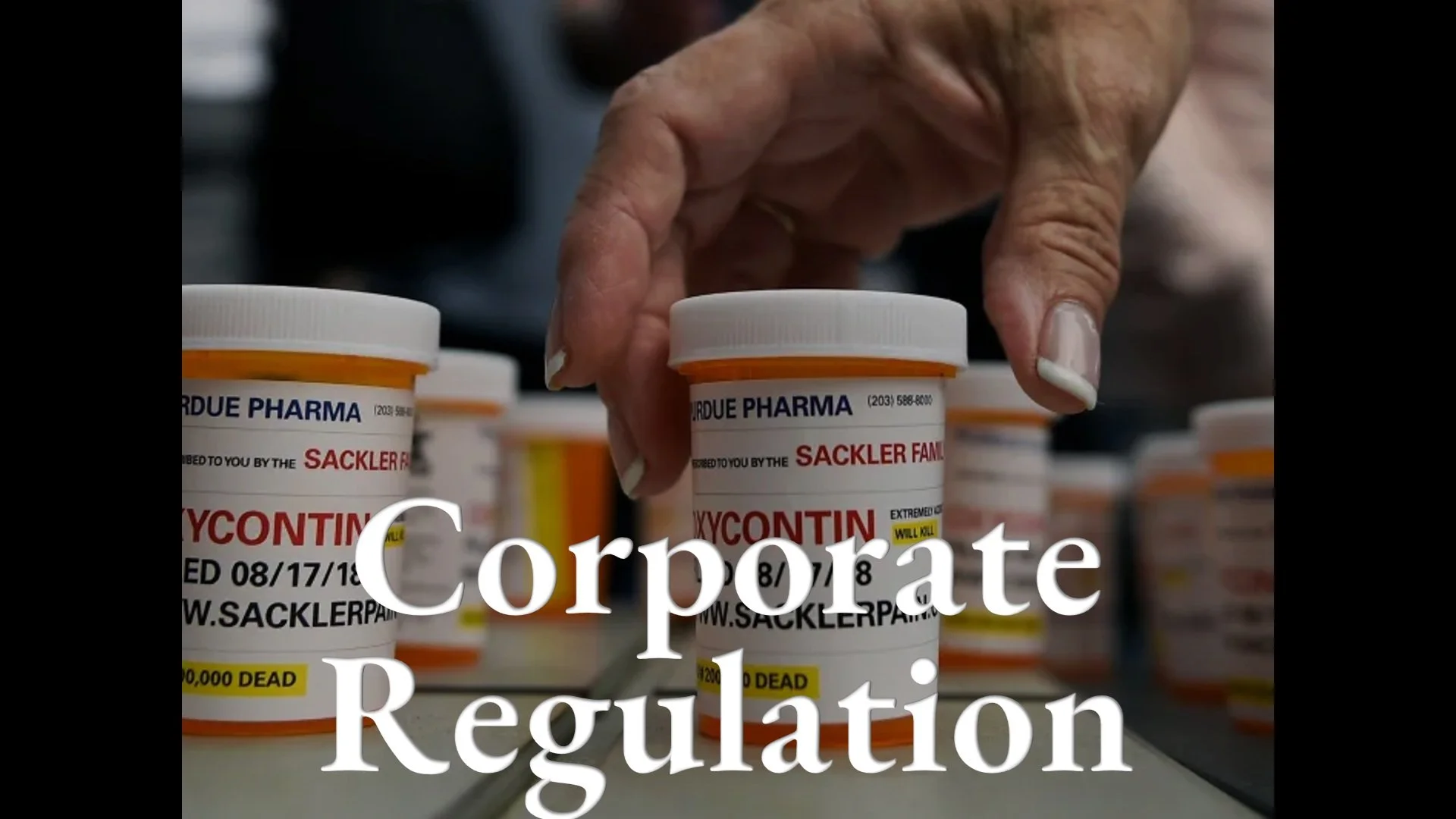
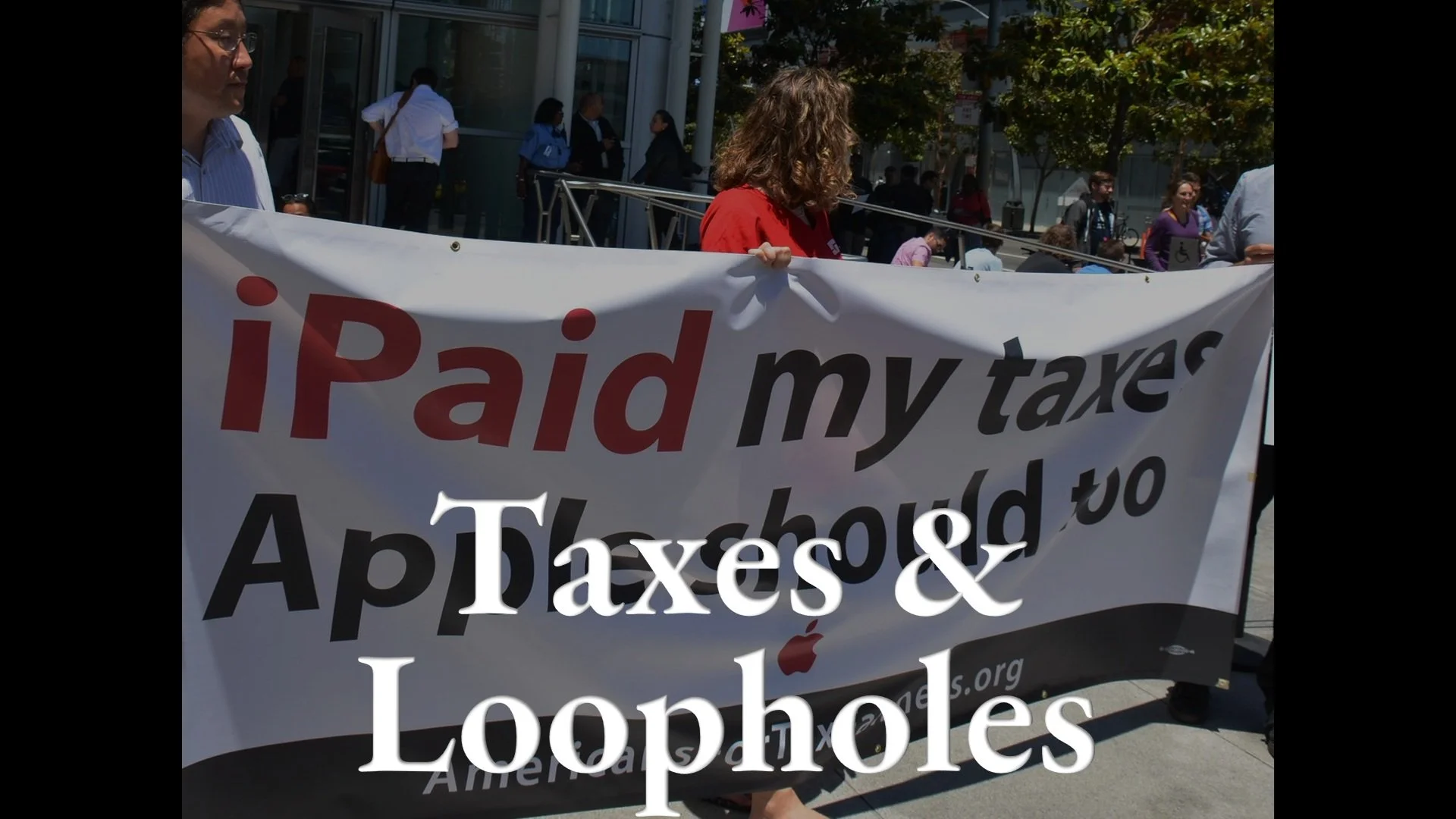

Christian Restorative Justice, Business, and Economics: Topics:

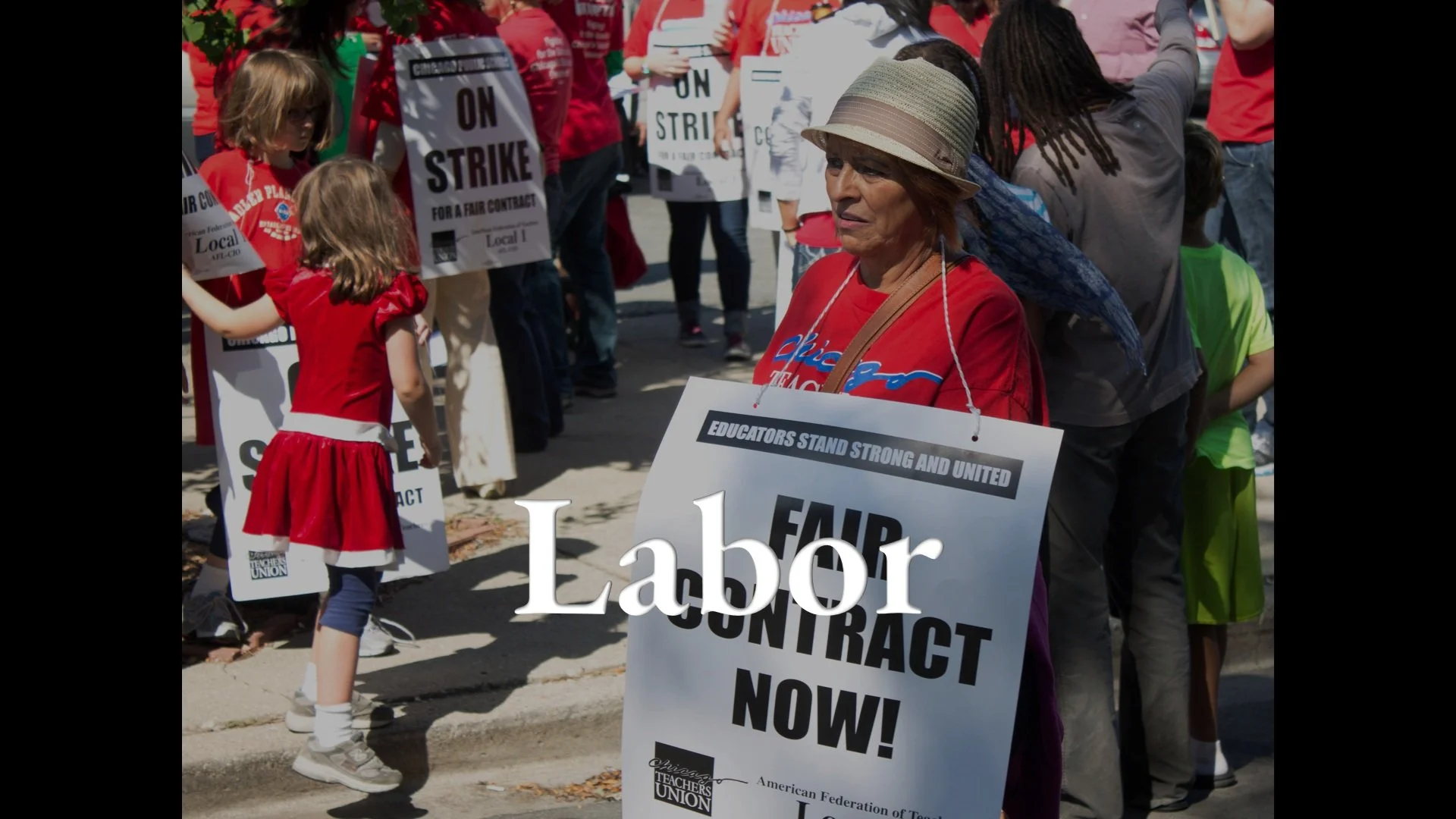
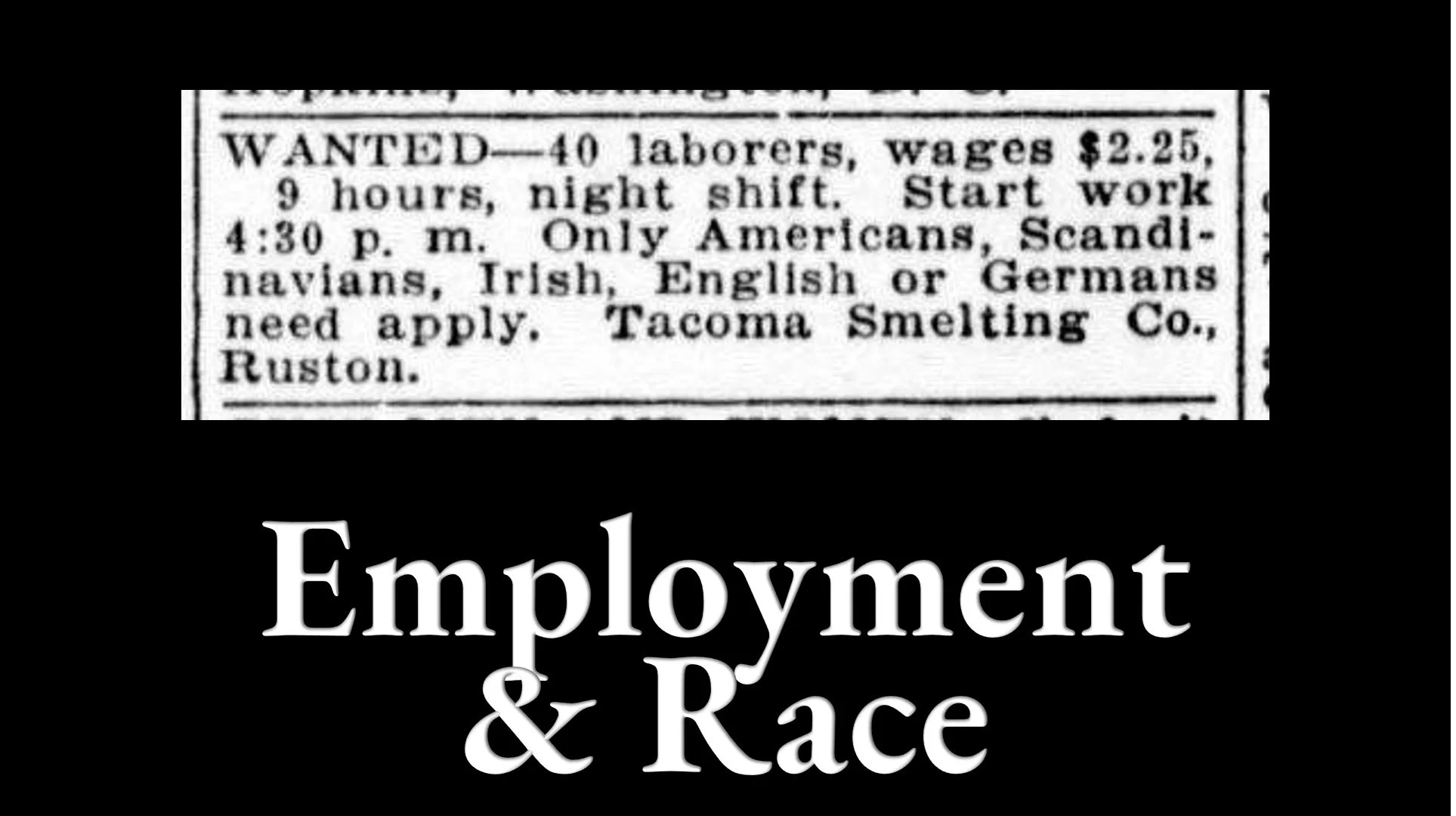




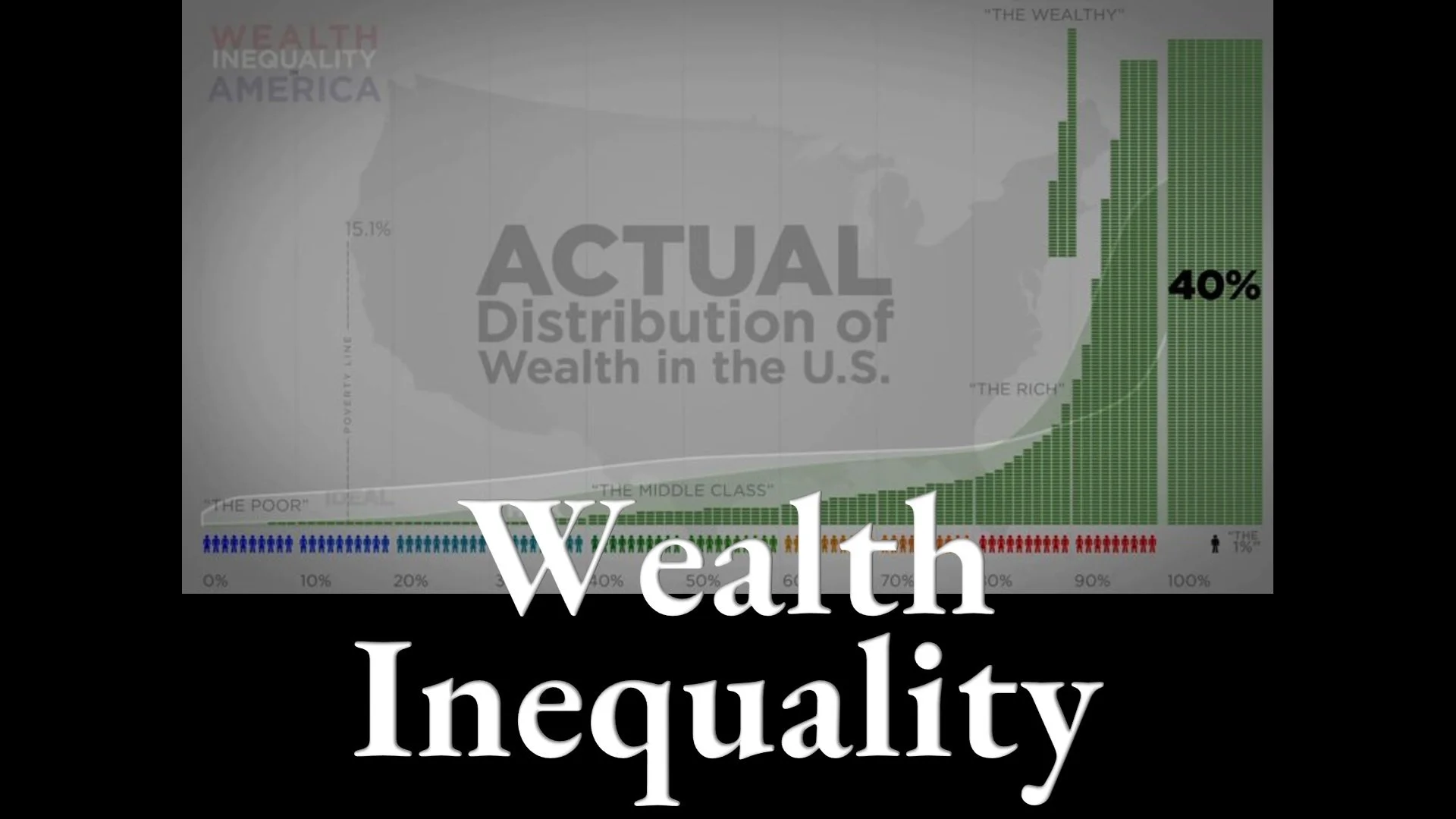
Christian Restorative Justice Critique of the Right: Domestic Policy Topics:




Christian Restorative Justice Critique of the Right: Philosophical Influences: