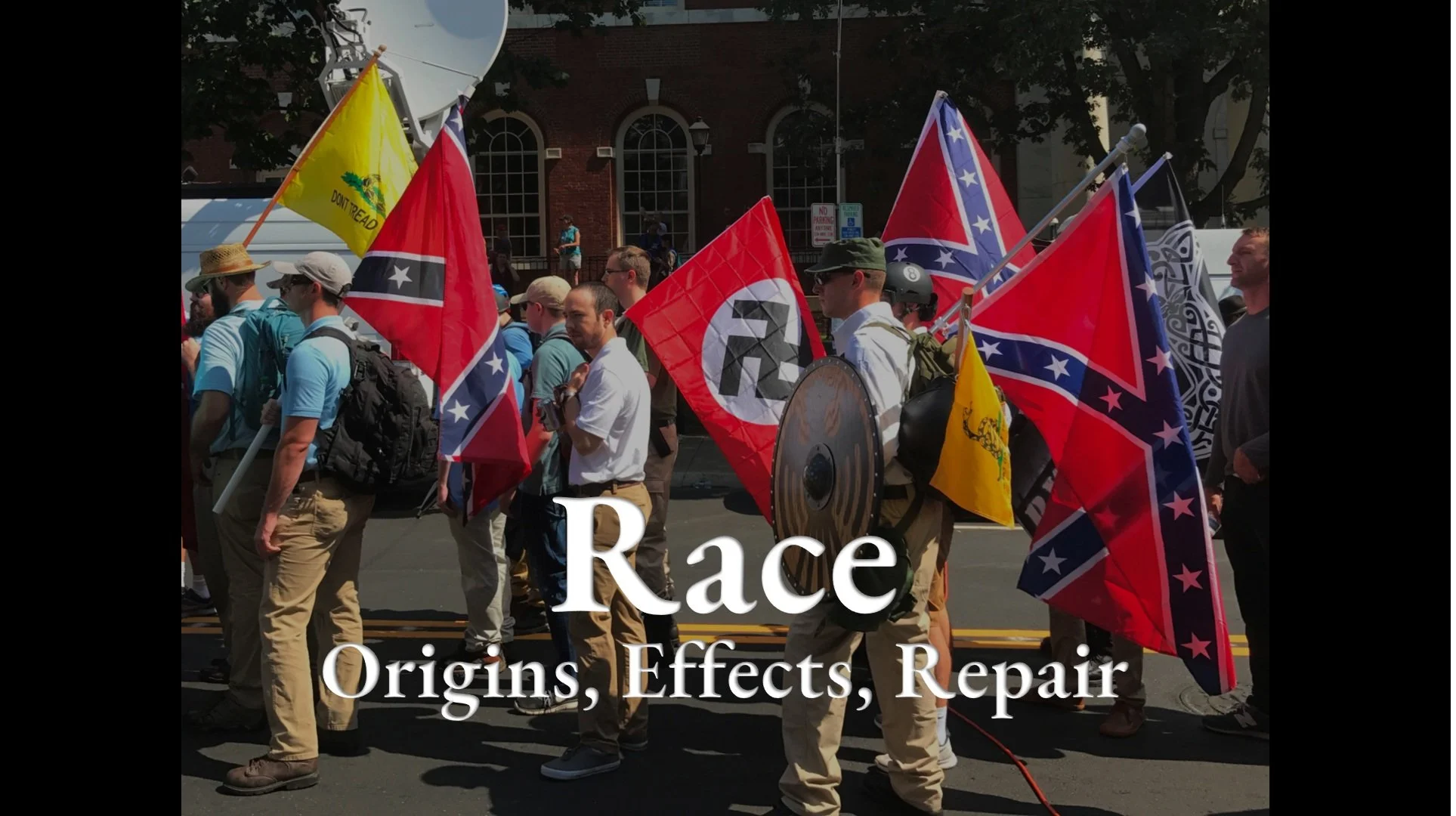
Photograph: The white supremacist "Unite the Right" march in Charlottesville, Virginia on August 11th and 12th, 2017. They hold Emancipation Nazi, Confederate, and Gadsden "Don't Tread on Me" flags. Photo credit: Anthony Crider | CC2.0, Wikimedia Commons.
Introduction
The section on Race engages the vexing problem of racism, in particular in the United States. We explore its origins in Western Christian heretical ideas, European colonialism, Enlightenment “science,” and other factors. We believe “race” as constructed under those conditions must be addressed by Christians today because Christians historically were not simply complicit, but causal, in its formation and deployment. In response, we uphold Jesus’ definition of humanity, his ethical teaching and model, and the new humanity he perfected in his life, death, and resurrection.
Messages and Resources
See also slides to this presentation. The introduction features John Winthrop vs. Roger Williams to highlight the debate over freedom of religious Conscience vs. Christendom. The presentation highlights Christian accomplishments in health and hospitals, education and schools, land ownership and economic justice, and criminal justice reform.
A series of blog posts where we explore how Christian (mostly Protestant) heresies started and continue to influence our modern political and racial challenges. This includes the very notion of race itself, and how our modern economics, housing, schooling, and policing systems have been shaped. Christians must take responsibility for these heresies in the framework of repentance. We have designed a study guide to accompany the blog posts. Please consider using it for personal reflection or discussion in your family, church, organization, etc.
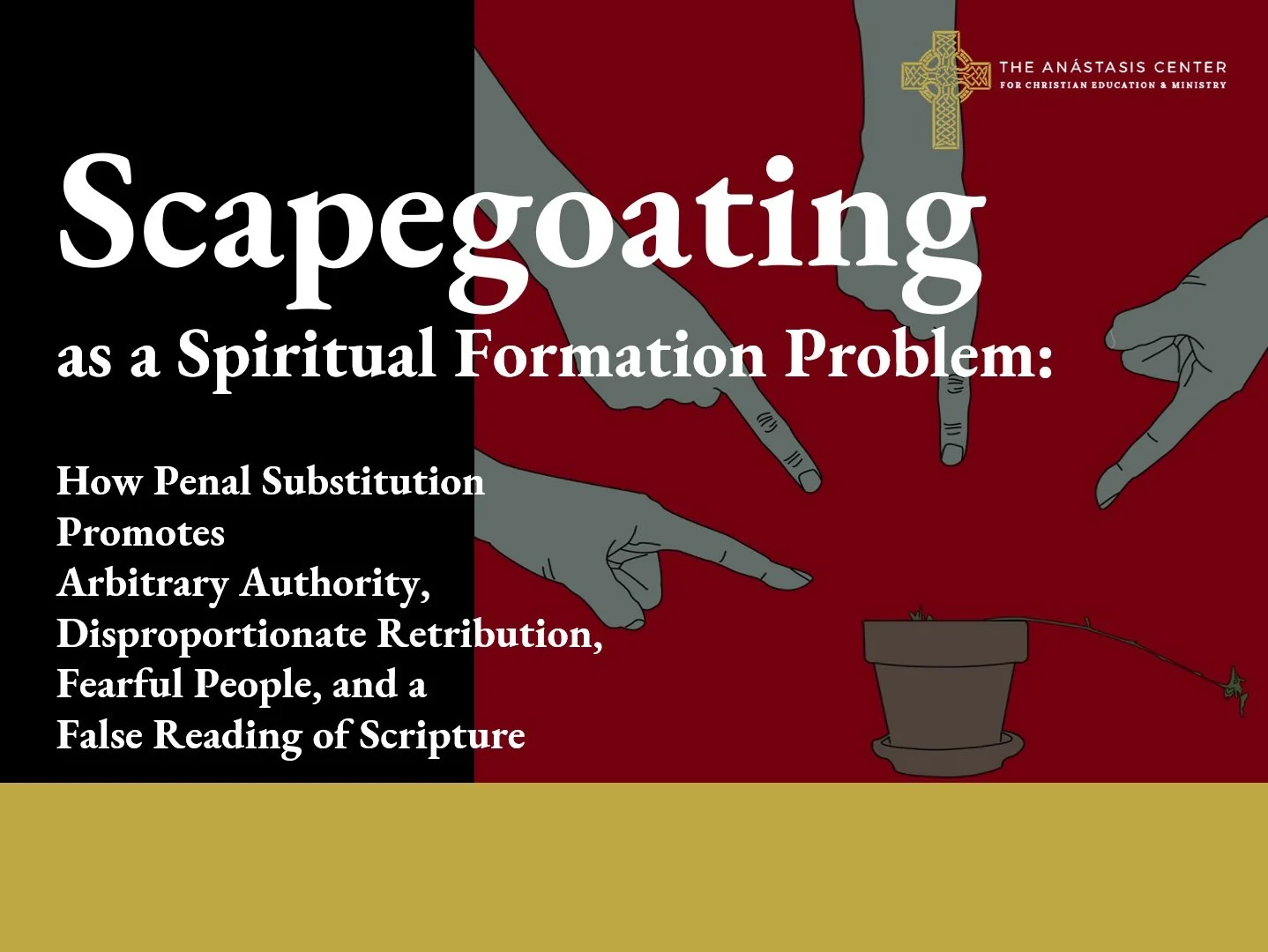
This blog post series relates to both the topic of atonement and the topic of desire because, like fallen Adam in the garden, we desire to deflect blame, and therefore we scapegoat others. On the political level, this builds group cohesion and creates a social outsider, who is blamed for the group’s woes, who the group must exile or kill or marginalize in order to maintain a hopeful lie. This series explores what political scapegoating has looked like in the U.S.

A nine week study and action guide for small groups to discuss, compare belief systems, and consider advocacy and action steps. Gilliard identifies five pipelines to prison, contributing to mass incarceration: drug policy, immigration, lack of mental health, the school-to-prison pipeline, and private prisons. Gilliard holds up restorative justice to contrast with retributive justice, and says the Church must act restoratively because God in Christ acts restoratively.

A seven week guide for groups to discuss, compare belief systems, and consider advocacy and action steps. Constitutional law professor Michelle Alexander examines the war on drugs as a political tool, and how it eroded the Fourth, Sixth, Eighth, and Fourteenth Amendment rights of American citizens. Implicit racism has affected the criminal justice system at every level: policing, prosecution, plea bargaining, jury selection, sentencing, and reintegration.
-
Human Dignity: Does Every Individual Matter?
Science, philosophy, existentialism, other religions, and double-predestination based theologies mean that some human beings do not matter. Only a fully Trinitarian theology with a medical substitutionary atonement can provide an adequate foundation.
God as the Foundation of Human Rights
Text of a message from Genesis 1 - 11, which was aware of other Ancient Near Eastern and Mediterranean creation stories, and argued against them, as shown by literary analysis. Topics of disagreement include: the value of every human being; the relations of humans and God/gods; the reason for catastrophes like the Flood; the resolution or movement.
Why Did God Choose a "Chosen People"? Why Not Just Skip Right to Jesus?
Accusations abound of God being racist by selecting a "chosen people," or expressing favoritism by defending Israel against Egyptians, Canaanites, and others. This is why a loving God had to have an Israel as a covenant partner as a precursor to Jesus. Part 1 addresses why biblical Israel was a multi-ethnic faith community.
How to understand God's activity, as part of the biblical narrative, of taking human life prior to Jesus. This topic is important to address because historically, these incidents have been used by white Americans as a repeatable pattern against other people groups.
Hebrew Messianic Hope as Anti-Imperial Declaration (TBD)
This paper will trace the theme of empire through the Old Testament, which is a surprisingly underdeveloped field.
Jesus as Anti-Racist, Anti-Nationalist Revolutionary
Notes on Matthew 22:1 - 14, where Jesus used the language of destruction against the Jewish leadership of his day. This language can certainly be taken out of context and abused if not understood properly.
The Kingdom You No Longer Want
Text and slides of a message given on Luke 13:17 - 21 given at Neighborhood Church of Dorchester on August 13, 2017, the day after the white supremacist march in Charlottesville, Virginia.
This is a short questionnaire to help people identify their family and cultural background, reflect on it, and see it as a factor that God sees and values
Paul as Anti-Imperialist Missionary (TBD)
This paper will sketch the thought and practices of the apostle Paul, arguing that his welcoming of a principled Christian multi-culturalism honoring both Jewish and Gentile cultures makes him an anti-imperialist missionary.
-
White American Evangelical Political Attitudes and Behavior: Explanation and Correctives
White American evangelical political attitudes can be characterized by the debate between John Winthrop and Roger Williams, and their respective attitudes towards Native Americans, slavery, fairness, and faith in civic space. This is a presentation — audio file here — also explores Scripture and church history to argue that Roger Williams was correct. Given to the staff of Emmanuel Gospel Center, Apr 18, 2018, as a follow-up to how Christian restorative justice impacts ministry.
The Role of Jesus in Revolution and the Pursuit of Justice
A written message, graphics included, on how Jesus inspired twentieth-century non-violent resistance movements around the world, and why. Spotlights Tolstoy in Russia; Gandhi in South Africa and India; Ahn Chang-ho in Korea; the Civil Rights Movement in the U.S.; the Filipino People Power Revolution; Solidarity in Poland; the Velvet Revolution in Czechoslovakia; the Truth and Reconciliation Commission in South Africa; the Women’s Movement and Liberia’s Civil War. This is a shining thread of moral clarity, courage, and hope during humanity’s bloodiest century. A 15 - 20 minute read.
-
A 65 minute podcast recording of a message given by Mako to a church called Reality San Francisco, highlighting how secular thought cannot organize four different principles of justice (meritocratic-retributive; distributive; libertarian; restorative). The second half of the presentation also brings Christian restorative justice in to address what Michelle Alexander identified as “The New Jim Crow.” See also ppts. A shorter powerpoint presentation, Christian Restorative Justice: Introduction and Application to Mass Incarceration and the New Jim Crow (shorter version, ppts) also introduces people to the problem of American mass incarceration and the contrast between restorative vs. retributive justice; examines key passages from the Bible, especially Old Testament passages.
Race: Can Faith Help? - Has Christian Multiculturalism Failed?
Text of a message on 1 Corinthians 9:19 - 22, which was given as message 1 at a retreat for Boston College Asian Christian Fellowship in January, 2011.
Race: Can Faith Help? - Learning to See Oppression
Text of a message that introduced the interpersonal vs. systemic and by design vs. by default distinctions to help us understand racial injustice and its ongoing legacy. This was given as message 2 at a retreat for Boston College Asian Christian Fellowship, in January, 2011.
Race: Can Faith Help? - Racism, Wealth, and Power
Text of a message given on Zaccheus in Luke 19:1 - 10 as a Jew “wanting to be Roman,” with my experience as a Japanese-American “wanting to be white” at different points in my life, Asian Americans wanting to “be white” in the U.S., and Boston College wanting to “be white” among historically WASP Ivy League universities. This message highlights how “race” and “whiteness” has always been centered but not strictly bounded, for the purpose of protecting wealth and belonging. This was given as message 3 at a retreat for Boston College Asian Christian Fellowship, in January, 2011.
Race: Can Faith Help? - Jesus' One New Humanity
Text of a message on Ephesians 2:14 - 16 that highlights the horizontal, human implications of Jesus carrying “the hostility” to death and rising as a new humanity. This was given as message 4 at a retreat for Boston College Asian Christian Fellowship, in January, 2011.
Reflections on parenting, faith, and cultures after the terrorist attack on September 11, 2001.
-
These are the images used in artistic physical displays. They are survey questions and conversation starters that are topically and thematically organized. They demonstrate how Jesus is relevant to each topic or theme. You can also just view the images on your device. If you would like, see all our Conversation Stations; below are the ones that relate to the topic of Race.
Whose Justice? (and instructions and Christian Restorative Justice Study Guide)
Whose Justice? for Harvard Law School
Is a Good Friend Hard to Find? (and instructions and conversation tree)
What Can We Do About Evil? (and instructions and conversation tree) and smaller version and brochure version
Que Podemos Hacer Sobre La Maldad? for the Asociacion Dominicana de Estudiantes Evangelico, 2014
Does the Good Outweigh the Bad? (and instructions)
Race What's the Problem? (and instructions) and brochure version
Race: Topics:






Church and Empire: Topics:
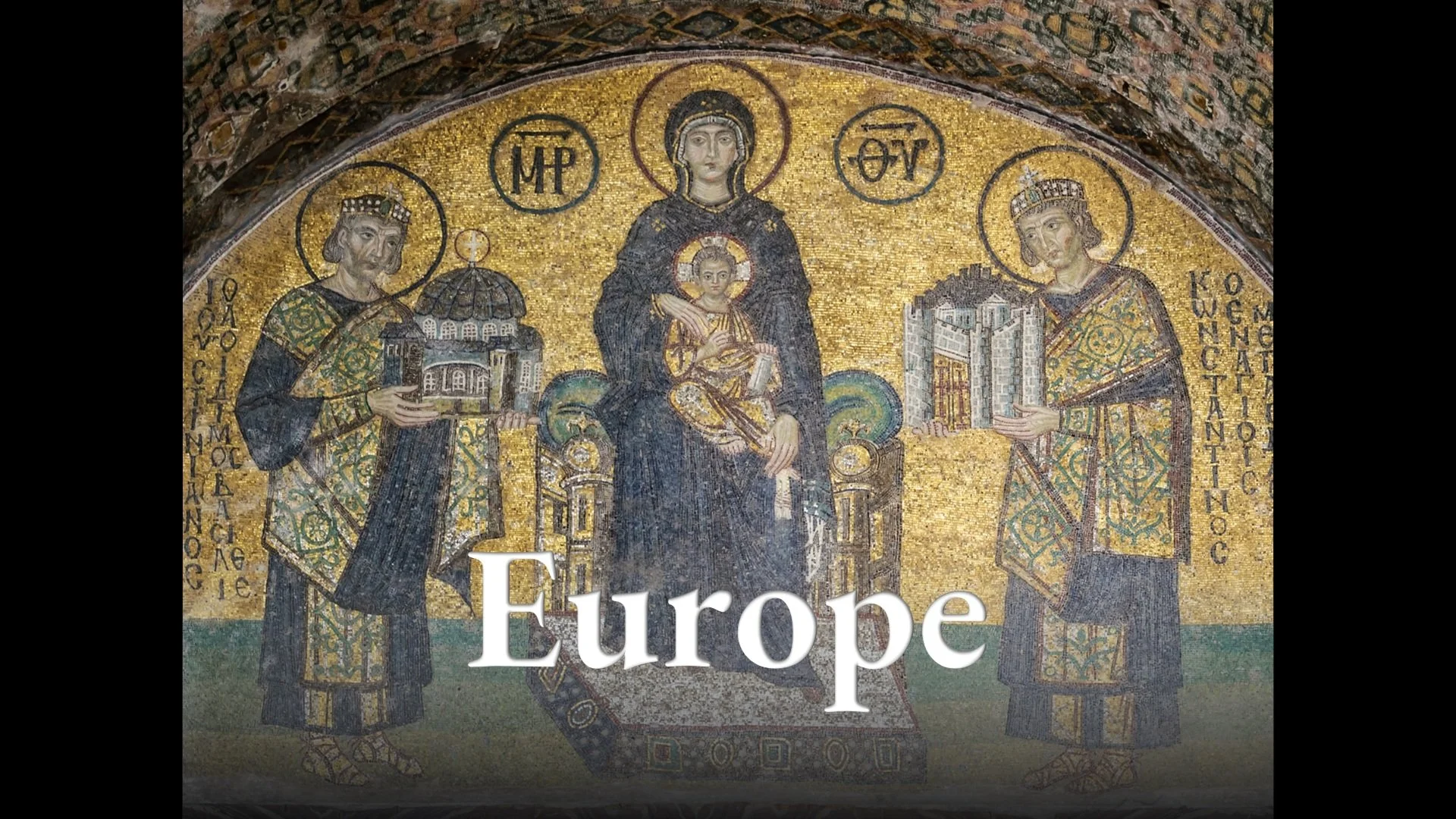
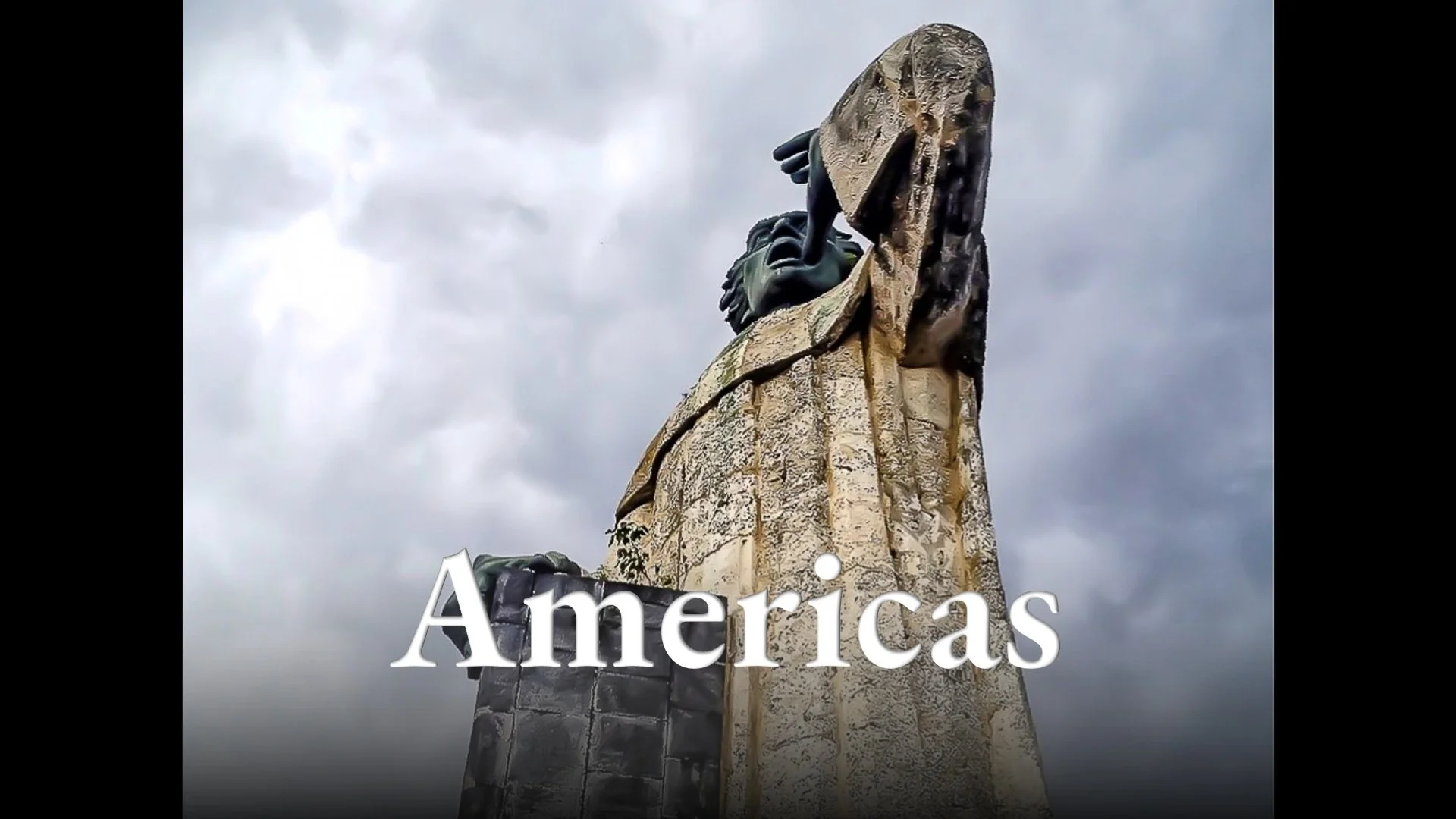
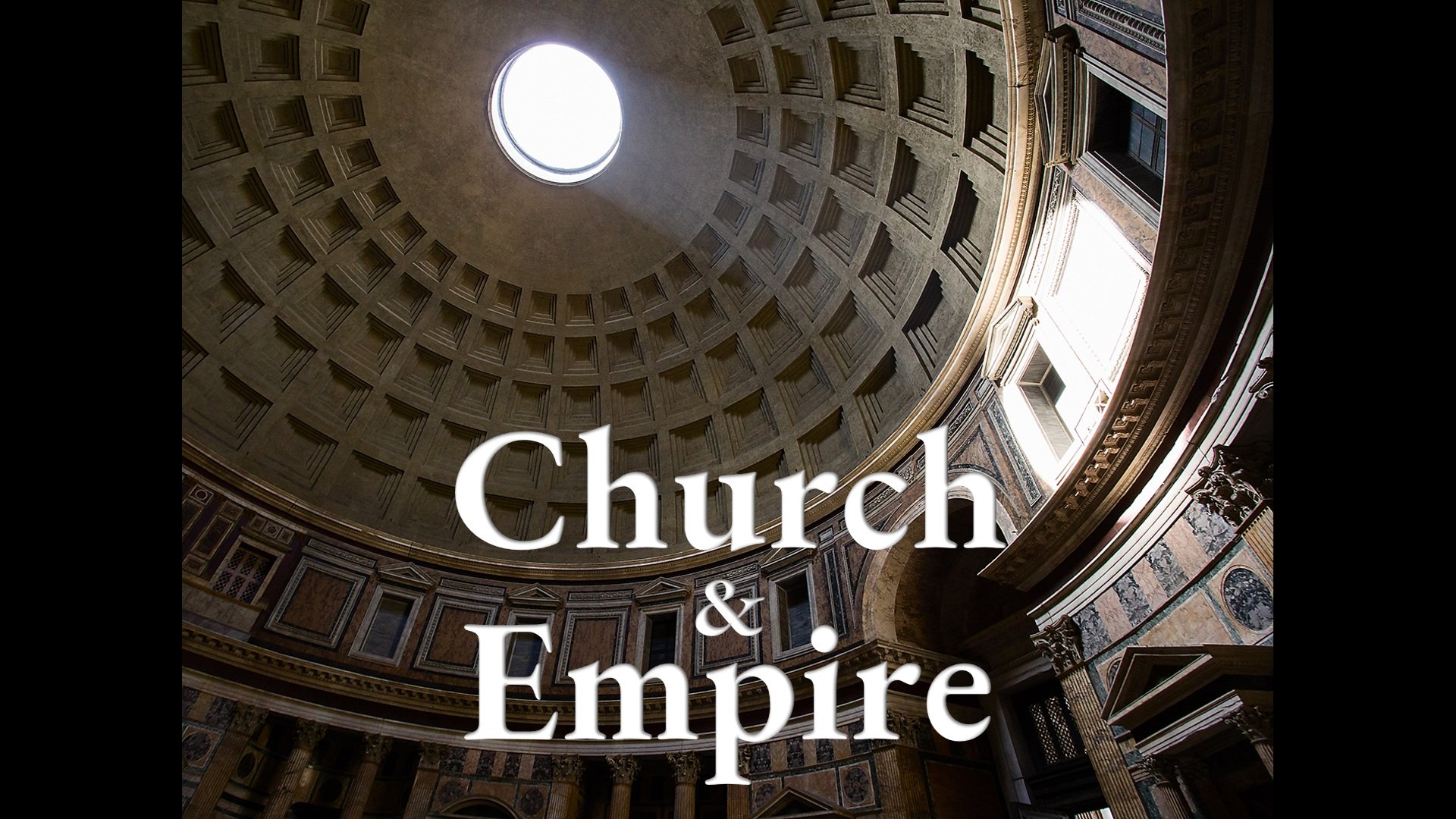
Race is a construct created by European colonialism. For more background, consider the Church and Empire section of our website. This section reminds us what Christian faith was like prior to colonialism, and in resistance to colonialism, to show that Christianity is not “a white man’s religion.”