Photo credit: DonkeyHotey | CC2.0, Flickr.
Introduction
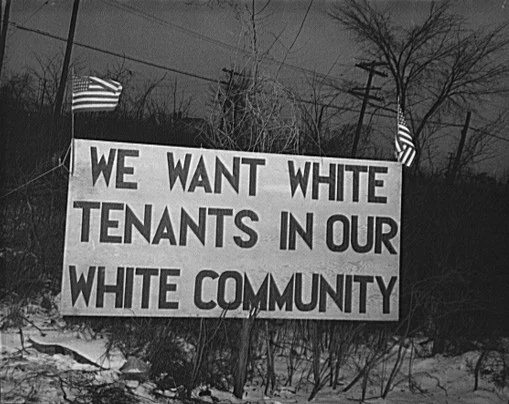
These resources explore God’s creation order and its meaning as God’s vision for relationships between human beings, and also between human beings and the created world. The term “right” is used here broadly to refer to various threads of political traditions that tend to coalesce in the U.S.: property rights over human rights (economic conservatism), synthesis of religion and nation (religious conservatism), nuclear family and nation over the individual (cultural and moral conservatism), and a priority on white supremacy and patriarchy in matters of ethnicity, race, and culture (fascist conservatism).
See also our Restorative Justice Critique of the Left.
Messages and Essays on a Christian Restorative Justice Critique of the Right
A thirteen minute video about the Virginia Company and the Massachusetts Bay Company. “For-profit Christianity” compared with more authentic Christianity.

Mako Nagasawa, John Locke’s Theology of Private Property, edited by Grace Tien and Maria Eugenia Funes, Religion and Racial Capitalism. Palgrave MacMillan, 2025.
American libertarians and private property absolutists appeal to John Locke, remembered as an English political philosopher. Locke originally positioned himself, however, as a biblical scholar and theologian. As such, Locke departed from Christian tradition. I argue the relationship between Locke’s political philosophy and the Bible is that of a parasite and its host. Christian leaders prior to Locke believed that the earth is the Lord’s, the fruit of the earth belongs to all, and the political community could modify property in various ways because it was ethically and chronologically prior to private property. Locke, however, argued that individuals first create private property by enclosing land and laboring on it, then bring their private properties into political society, which was meant by God to defend individual property rights. He thereby defended both the English Revolution of 1688 and also English colonialism in the Americas.
How do Christian heresies contribute to America’s racial and political climate? Could Christian history have gone differently? Could it still? Examine U.S. history from the standpoint of church history. See the whole course or just the blog posts.


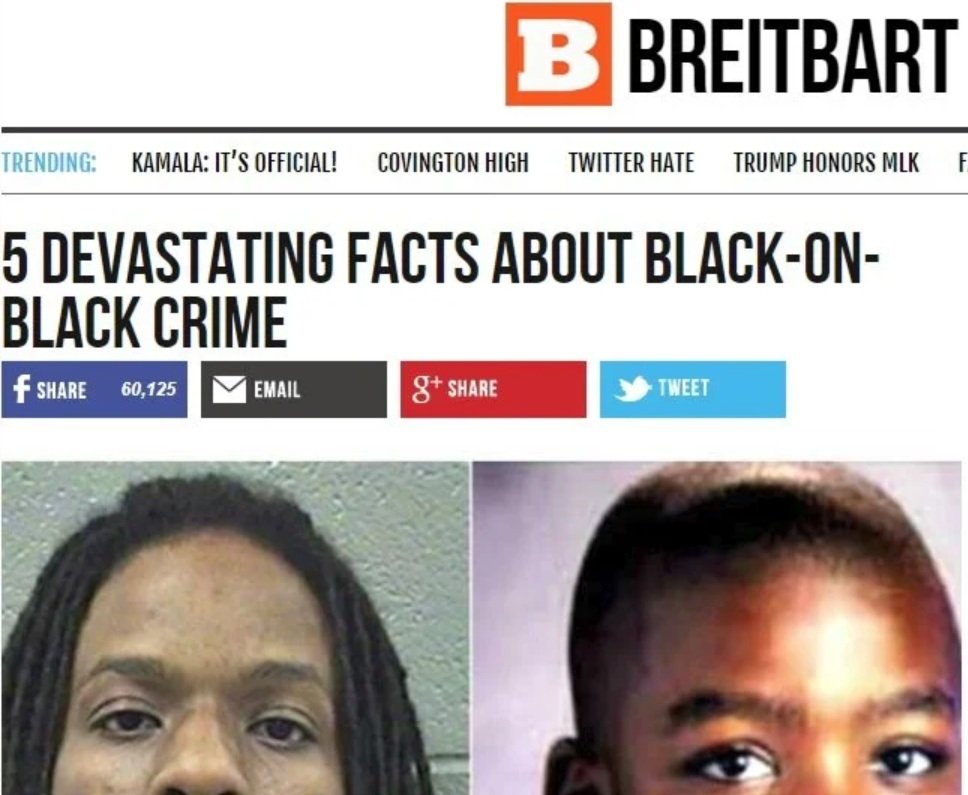
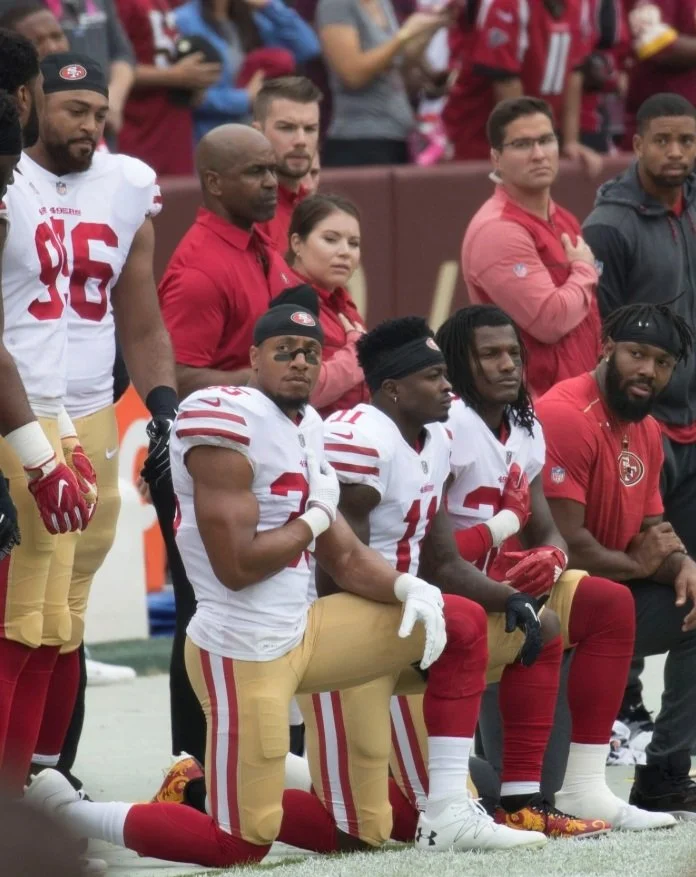


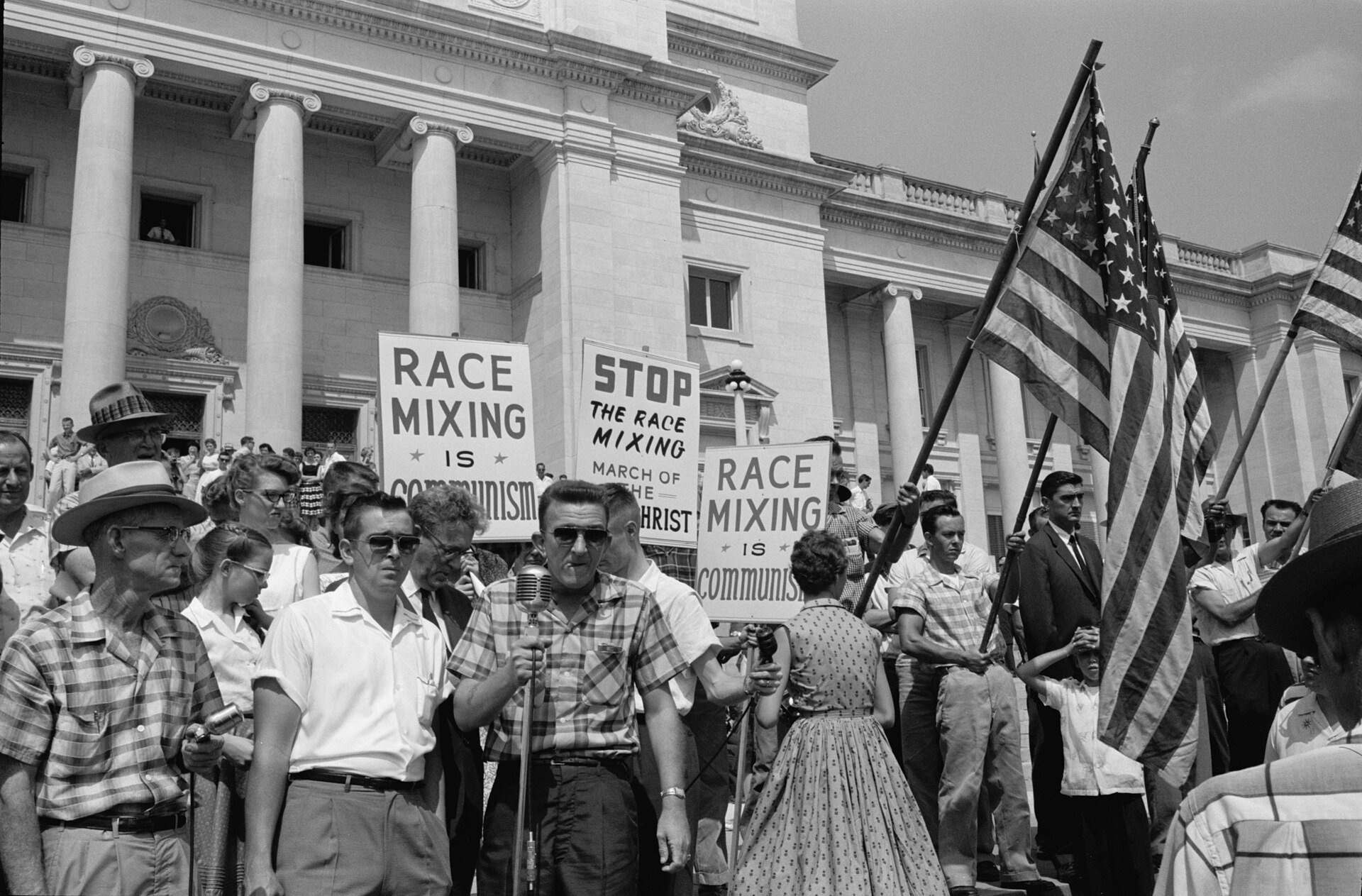
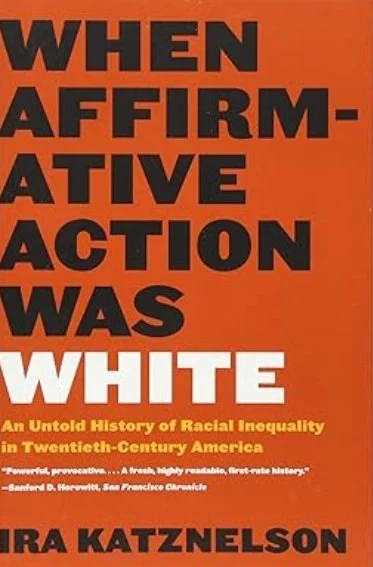


-
White American Evangelical Political Attitudes and Behavior: Explanation and Correctives
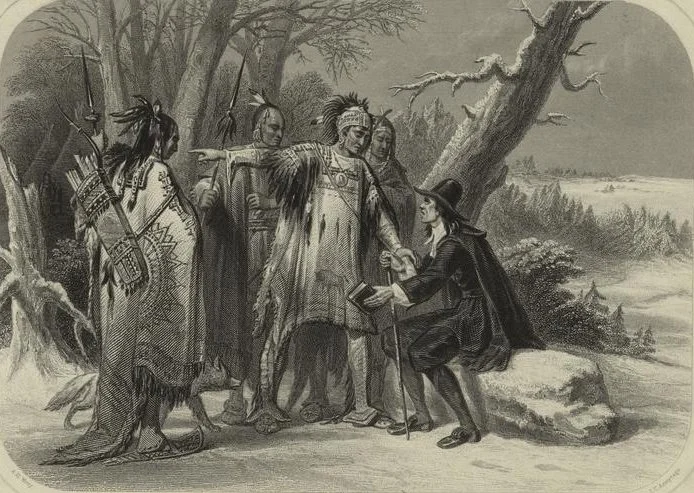
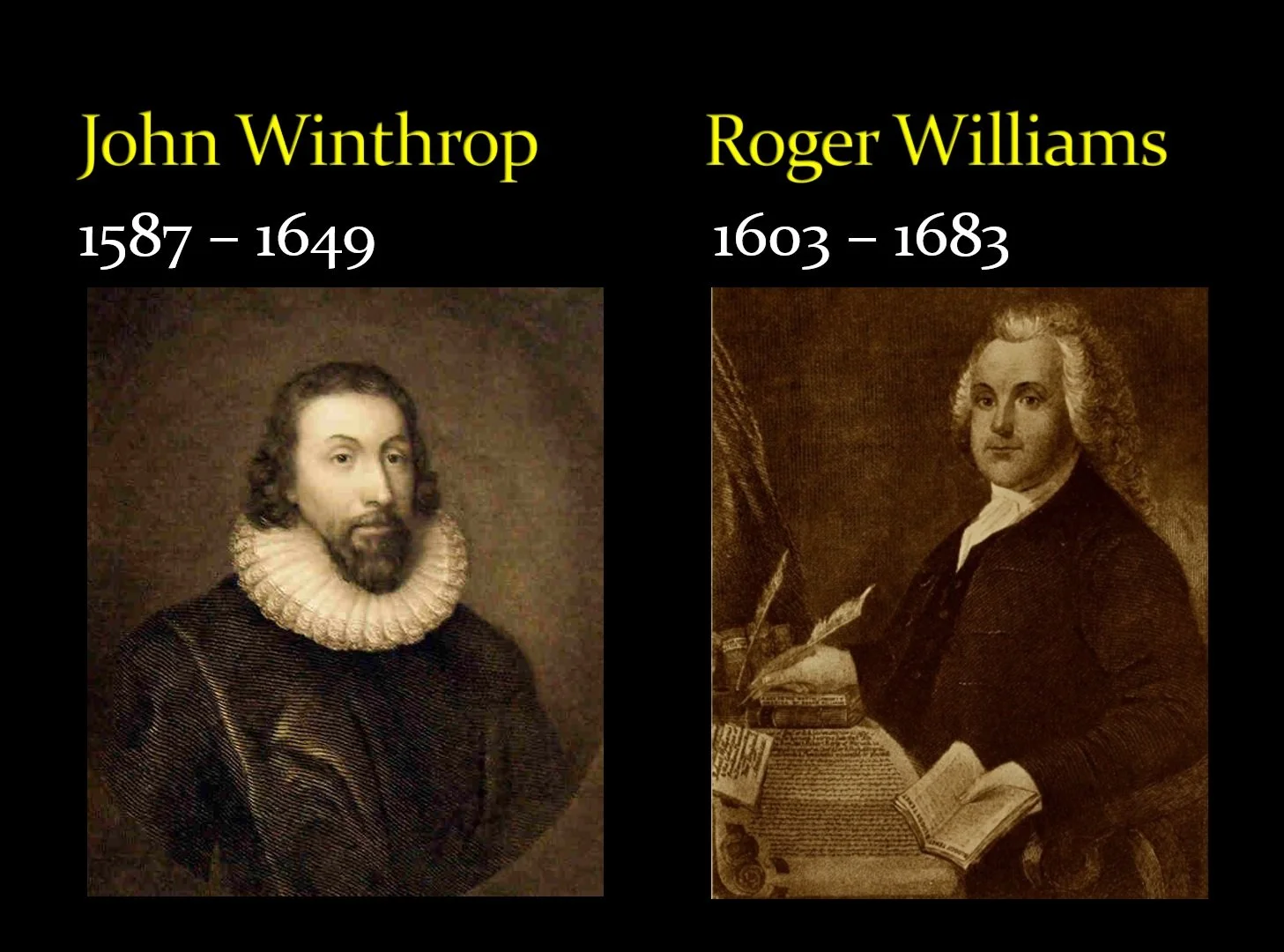
Slides to a presentation; audio file here. White American evangelical political attitudes can be characterized by the debate between John Winthrop and Roger Williams, and their respective attitudes towards Native Americans, slavery, fairness, and faith in the civic space. This presentation also explores Scripture and church history to argue that Roger Williams was correct. Given to the staff of Emmanuel Gospel Center, Apr 18, 2018, as a follow-up to how Christian restorative justice impacts ministry.
Human Dignity: Does Every Individual Matter?
Science, philosophy, existentialism, other religions, and double-predestination-based theologies mean that some human beings do not matter. Only a fully Trinitarian theology with a medical substitutionary atonement can provide an adequate foundation.
The Role of Jesus in Revolution and the Pursuit of Justice
This is an evangelistic message that highlights the Christian-led and Christian-influenced non-violent resistance movements throughout the world in the 20th century. They show the connections and spiritual vitality of Christian faith under empire or empire-like oppression.
Christian Faith, Not Secularism, as the Basis for Political Pluralism and Economic Progressivism
A brief outline explaining from both biblical texts and early church precedent why Christian faith leads to a political posture of human rights without theocracy. There is a vision for relational obligations, and principled respect for other religions.
Christian Restorative Justice: A Response to American Christian-Libertarian Syncretism
A long essay on how a Christian restorative justice vision engages the libertarian viewpoint, especially as practiced and articulated in the United States
Slides to a presentation on how early Christian leaders read Genesis 1 as God providing land and wealth for all, but how Protestant heretic John Locke - the father of classical liberalism and “meritocracy” - argued that more “productive” people could take land from less “productive” people. The majority of white American evangelicals follow John Locke’s heretical views about wealth.
Christian Restorative Justice: Beyond Charity - God's Restorative Justice for Children and Families
Slides to a presentation of how a Christian restorative justice vision frames policy issues for the nurture of children. More application areas for Christian restorative justice can be found here.
Christian Restorative Justice Critique of the Right: Domestic Policy Topics:











Christian Restorative Justice Critique of the Right: Philosophical Influences: