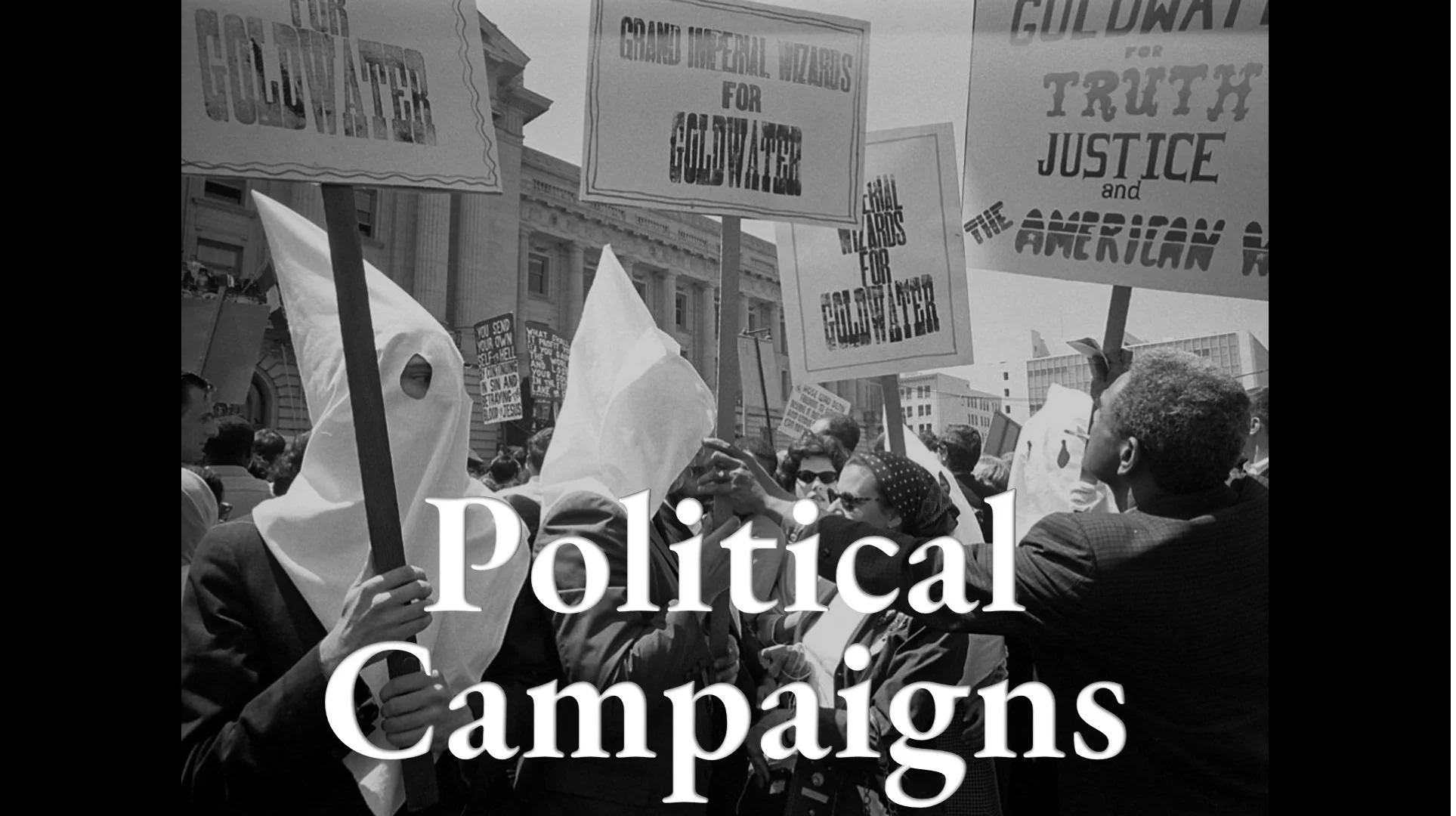
Photograph: In 1964, Ku Klux Klan members campaigned at the Republican National Convention for Senator Barry Goldwater in his run for President, in reaction to both the New Deal coalition and the Civil Rights Movement. Photo credit: Warren K. Leffler | Public Domain, Wikimedia Commons.
Introduction
The following resources examine how race and racism have played a part in U.S. political campaigns as dogwhistles, overtly, or as a wedge issue.
Messages and Resources

How do Christian heresies contribute to America’s racial and political climate? Could Christian history have gone differently? Could it still? Examine U.S. history from the standpoint of church history. See the whole course or just the blog posts.
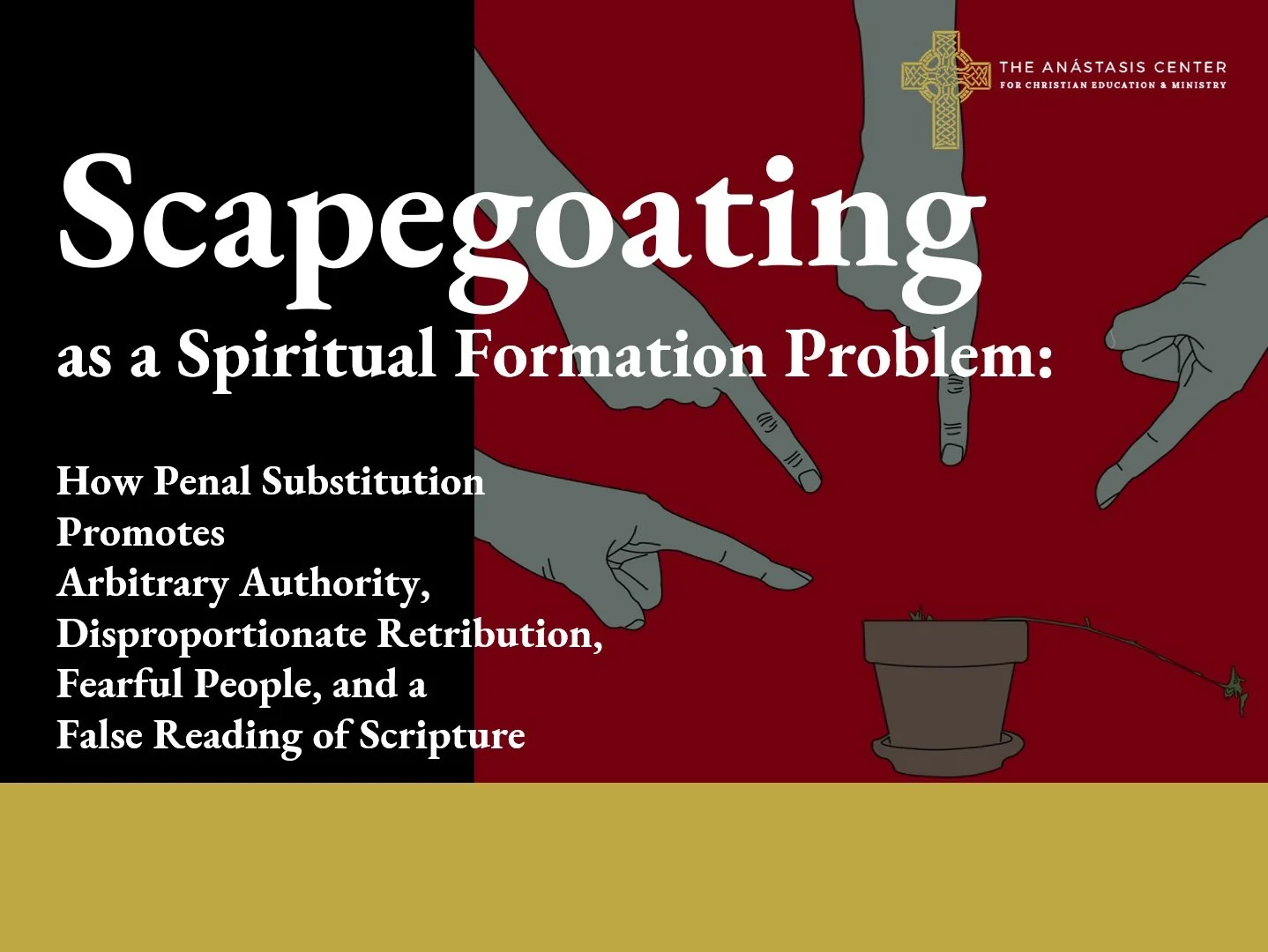
Like fallen Adam in the garden, we desire to deflect blame, and therefore we scapegoat others. On the political level, this builds group cohesion and creates a social outsider, who is blamed for the group’s woes, who the group must exile or kill or marginalize in order to maintain a hopeful lie. This series explores what political scapegoating has looked like in the U.S.
White American Evangelical Political Attitudes and Behavior: Explanation and Correctives
White American evangelical political attitudes can be characterized by the debate between John Winthrop and Roger Williams, and their respective attitudes towards Native Americans, slavery, fairness, and faith in civic space. This is a presentation also explores Scripture and church history to argue that Roger Williams was correct. Given to the staff of Emmanuel Gospel Center, Apr 18, 2018, as a follow-up to how Christian restorative justice impacts ministry; audio file here.
-
Kevin M. Kruse, Twitter (May 15, 2018) re: the Southern Strategy. This is Kruse’s quick critique of Carol Swaim’s claim on PragerU that there was no Southern Strategy. See also Earle Black and Merle Black, The Rise of Southern Republicans. Harvard University Press | Amazon page, Sep 2003. Nicholas A. Valentino and David O. Sears, Old Times There Are Not Forgotten: Race and Partisan Realignment in the Contemporary South. American Journal of Political Science, July 2005.
Amanda Nelson, How Did Republicans Take Over the South? Amanda’s Mild Takes, Aug 3, 2026. An excellent YouTube Short video with election data.
-
Naomi Lim, Kamala Harris: Race Has Become a National Security Issue. Washington Examiner, Jul 26, 2019. not just a civil rights issue, because of the way Russian disinformation campaigns stoke white resentment in political campaigns.
Sabrina Salvati, Breaking! Thomas Massie Drops Bombshell! Sabby Sabs, May 25, 2026. At the 11 minute mark, Massie says that AIPAC and other major donors who flooded his race to unseat him made AI fake videos of him walking hand in hand into a hotel room with Democrats AOC and Ilhan Omar. Massie believes the ads were effective with boomers.
-
Linda So, Trump-Inspired Death Threats Are Terrorizing Election Workers. Reuters, Jun 11, 2021. “Election officials and their families are living with threats of hanging, firing squads, torture and bomb blasts, interviews and documents reveal. The campaign of fear, sparked by Trump's voter-fraud falsehoods, threatens the U.S. electoral system.” Spotlights Brad and Tricia Raffensperger in Georgia. See also Anthony Izaguire, Exodus of Election Officials Raises Concerns of Partisanship. Associated Press News, Jun 13, 2021. “There is no shortage of job openings for local election officials in Michigan. It’s the same in Pennsylvania. Wisconsin, too. After facing threats and intimidation during the 2020 presidential election and its aftermath, and now the potential of new punishments in certain states, county officials who run elections are quitting or retiring early. The once quiet job of election administration has become a political minefield thanks to the baseless claims of widespread fraud that continue to be pushed by many in the Republican Party. The exits raise a pressing question: Who will take these jobs?”
Brennan Center for Justice, Local Election Officials Survey. Benenson Strategy Group, Jun 16, 2021. finds that one-third of all election workers feel unsafe.
Daniel Dale, ‘Incredibly Dangerous’: Trump Is Trying to Get Big Lie Promoters Chosen to Run the 2024 Election. CNN, Sep 16, 2021. regarding Georgia, Arizona, Pennsylvania, etc. See also Jeremy Schwartz, Trump Won Hood County In a Landslide. His Supporters Still Hounded the Elections Administrator Until She Resigned. Texas Tribune - ProPublica, Oct 12, 2021. “Michele Carew, an elections administrator with 14 years of experience, has resigned after a monthslong campaign by Trump loyalists to oust her.”
Madeleine May, Death Threats Are Creating a Mass Exodus of Election Officials. Vice News, Oct 21, 2021. Spotlights Richard Barron in Fulton County, Georgia who was personally criticized by Trump: “Barron had been working in elections around the country for more than 20 years, but he’d never seen anything like this before. It wasn’t just Barron—his entire election staff became a target. “We started receiving lots of disturbing phone calls,” Barron told VICE News. “My staff is almost exclusively African American, and they started receiving calls laced with racial slurs.””
-
Jeremy D. Mayer, LBJ Fights the White Backlash. Prologue Magazine, Spr 2001. “The Racial Politics of the 1964 Presidential Campaign” “The first Southerner to occupy the White House for more than a hundred years lost the heart of his region, signaling the dawn of an era of Republican dominance of the South in presidential politics. The first man of Jewish descent to run on a major ticket would lead the Republican Party into a monochromatic whiteness from which it has not yet recovered. After 1964, Democrats could take the black vote for granted as the GOP became the party through which whites expressed their unease over black progress. The contest between Johnson and Goldwater shaped American racial politics for the next thirty-six years.” See also Black Past, (1964) George C. Wallace, “The Civil Rights Movement: Fraud, Sham, and Hoax”. Black Past, Jun 10, 2010. “By 1964 George C. Wallace, the Governor of Alabama, had become the national symbol of opposition to the civil rights movement and to federal governmental intervention to protect the rights of African Americans. In the address below he denounces President Lyndon B. Johnson for signing into law the 1964 Civil Rights Act and uses it as a rallying cry in his campaign to become President of the United States.”
Eric Hoffer, The True Believer: Thoughts on the Nature of Mass Movements. Harper Perennial | Amazon page, Sep 3, 2002. Heather Cox Richardson, in her daily Facebook updates on March 28, 2020, referred to this work, saying,
“Key to Trump’s popularity has been a rhetorical strategy identified in 1951 by political philosopher Eric Hoffer in a book called The True Believer. Hoffer noted that demagogues needed a disaffected population whose members felt they had lost the power they previously held, that they had been displaced either religiously, economically, culturally, or politically. Such people were willing to follow a leader who promised to return them to their former positions of prominence and thus to make the nation great again. But to cement their loyalty, the leader had to give them someone to hate. Who that was didn’t really matter: the group simply had to be blamed for all the troubles the leader’s supporters were suffering.
Trump has mastered this technique. He has kept his base firmly behind him by demonizing immigrants, the media, and, increasingly, Democrats, deflecting his own shortcomings in office by blaming these groups for undermining him. But the coronavirus crisis is making it hard to do. Immigration stories are running against Trump as his own acting director of Immigration and Customs Enforcement (ICE) has said that immigration authorities will stop most of their enforcement efforts during the crisis. The media is pushing back hard against his lies and Americans seem to be on the media’s side as the administration’s response to the coronavirus has been scattershot.
But New Yorkers represent Democrats and the urban life so many of Trump’s supporters distrust. Identifying them as the cause of Florida's troubles both deflects attention from DeSantis and Trump's missteps and reinforces loyalty to the president.
According to Hoffer, there’s a psychological trick to the way this rhetoric works that makes loyalty to such a leader get stronger as that leader's behavior deteriorates. People who sign on to the idea that they are standing with their leader against an enemy begin to attack their opponents, and to justify their attacks, they have to convince themselves that that enemy is not good-intentioned like they are, but evil. And the worse they behave, the more they have to believe their enemies deserve to be treated badly.
According to Hoffer, so long as they are unified against an enemy, true believers will support their leader no matter how outrageous his behavior gets. Indeed, their loyalty will only get stronger as his behavior gets more and more extreme. Turning against him would force them to own their own part in his attacks on those former enemies they would now have to recognize as ordinary human beings like themselves.
It was learning about Republican President Dwight D. Eisenhower that introduced me to Hoffer. Eisenhower, who had battled both fascism and communism, passed out copies of The True Believer to friends, including to a former veteran, Robert J. Biggs, who begged Eisenhower to stop “hedging” and tell people firmly what to think. Eisenhower warned Biggs that while such authoritarian leadership was important for the military, it was fatal to a democracy in which “debate is the breath of life. This,” Eisenhower wrote, “is to me what Lincoln meant by government ‘of the people, by the people, and for the people.’”
Lincoln also made an appearance in Hoffer’s book. Not all who rose to lead a mass movement were dangerous, Hoffer said. “[R]are leaders such as Lincoln, Gandhi, even FDR, Churchill, and Nehru… do not hesitate to harness man’s hungers and fears to weld a following and make it zealous unto death in service of a holy cause; but unlike a Hitler [or] a Stalin…" they did not demonize their opponents. "They know," Hoffer said, "that no one can be honorable unless he honors mankind.””
Earle Black and Merle Black, The Rise of Southern Republicans. Harvard University Press | Amazon page, Sep 2003.
Richard Gooding, The Trashing of John McCain. Vanity Fair, Nov 2004. and Ann Banks, Dirty Tricks, South Carolina and John McCain. The Nation, Jan 14, 2008. undone in South Carolina in 2000 by Karl Rove's racial smear campaign of his adopted daughter
Nicholas A. Valentino and David O. Sears, Old Times There Are Not Forgotten: Race and Partisan Realignment in the Contemporary South. American Journal of Political Science, July 2005.
Mark A. Noll, God and Race in American Politics: A Short History. Princeton University Press | Amazon page, Sep 2008. See also (pdf book)
CNN, Flashback: McCain Tells Supporter Obama is 'a Decent Man and Citizen’. CNN, Oct 2008. shows how much fear white people had of Barack Obama that they would believe lies about him
Tommy Christopher, RNC Chair Michael Steele Confesses to Race-Based Southern Strategy. Mediaite, Apr 23, 2010.
Doug Muder, A Short History of White Racism in the Two Party System. The Weekly Sift blog, Dec 3, 2012.
Lawrence Freedman, Reagan's Southern Strategy Gave Rise to the Tea Party. Slate, Oct 27, 2013.
Ian Haney-Lopez, How the GOP became the “White Man’s Party”. Salon, Dec 22, 2013.
Jenee Desmond-Harris, 8 Sneaky Racial Code Words and Why Politicians Love Them. The Root, Mar 15, 2014.
Alan Krugman, That Old-Time Whistle. New York Times, Mar 16, 2014. and Wikipedia, Dog-Whistle Politics (Wikipedia article)
Jonathan Chait, The Color of His Presidency. New Yorker Magazine, Apr 6, 2014.
Jamelle Bouie, Color Blind: Jonathan Chait's Look at Race During the Obama Era Is Missing One Thing: Black Americans. Slate, Apr 7, 2014.
Doug Muder, Not a Tea Party, a Confederate Party. The Weekly Sift blog, Aug 11, 2014.
Adam Serwer, Lyndon Johnson Was a Civil Rights Hero, But Also a Racist. MSNBC News, Apr 11, 2014.
Paul Rosenberg, It Is All Still About Race: Obama Hatred, the South and the Truth About GOP Wins. Salon, Nov 4, 2014.
Eric Lichtblau, White Supremacist Who Influenced Charleston Suspect Donated to 2016 G.O.P. Campaigns. NY Times, Jun 22, 2015.
Thomas B. Edsall, Will the Democrats Ever Face an African-American Revolt? NY Times, Mar 15, 2016.
Robert P. Jones, How Trump Remixed the Republican 'Southern Strategy'. The Atlantic, Aug 14, 2020. “The presidential candidate has resurrected divisive GOP campaign tactics that target and alienate minorities.”
Jamelle Bouie, The Democratic Party’s Racial Reckoning: In 1992, Bill Clinton Had to Pander to White Bigots to Win the Presidency. In 2016, Hillary Can Call Them What They Are. Slate, Oct 2, 2016.
Sarah Posner and David Neiwert, How Trump Took Hate Groups Mainstream. Mother Jones, Oct 14, 2016.
Chris Ladd, Southern Conservatives Are America's Third Party. Forbes, Mar 16, 2017. On the Southern Strategy and shift to the Republican party.
Lucia Graves, Why Hillary Clinton Was Right About White Woman — And Their Husbands. The Guardian UK, Sep 25, 2017. White women vote by placing racial interests over gender interests.
““[Women] will be under tremendous pressure – and I’m talking principally about white women. They will be under tremendous pressure from fathers and husbands and boyfriends and male employers not to vote for ‘the girl’,” she said in an interview as part of a tour promoting her new memoir of the 2016 campaign… social science backs up Clinton’s anecdotal hunch. “We think she was right in her analysis about women getting pressure from men in their lives, specifically [straight] white women,” said Kelsy Kretschmer, an assistant professor at Oregon State University and a co-author of a recent study examining women’s voting patterns. “We know white men are more conservative, so when you’re married to a white man you get a lot more pressure to vote consistent with that ideology.””
Kevin M. Kruse, Twitter. May 15, 2018. On the Southern Strategy. This is Kruse’s quick critique of Carol Swaim’s claim on PragerU that there was no Southern Strategy.
Michael Harriot, How the Republican Party Became The Party of Racism. The Root, Jul 23, 2018. cites important current data from a YouGov survey of 1500 people, discusses the Southern Strategy led by Strom Thurmond and Richard Nixon. See also GOP Apologizes for Southern Strategy. San Francisco University High School, U.S. History Documents.
Lauren Lancaster, He’s a Rhodes Scholar. The G.O.P. Keeps Calling Him a ‘Big-City Rapper.’ NY Times, Oct 1, 2018. re: Antonio Delgado
Zack Beauchamp, A New Study Reveals the Real Reason Obama Voters Switched to Trump. Vox, Oct 16, 2018. "these voters tended to score highly on measures of racial hostility and xenophobia — and were not especially likely to be suffering economically"
Edward McClelland, A Why Illinois Is the Mecca of Black Political Power. Chicago Magazine, Nov 7, 2018. "Underwood’s win in an overwhelmingly white district yet again shows Illinois’s openness to electing black politicians."
Cody Johnston and Katy Stoll, Candace Owens, Congress, and How They Helped Each Other Lie. Some More News, Apr 16, 2019. Dismantles the attempt to deny the Southern Strategy, by Candace Owens and PragerU.
Vox Video Lab, When White Supremacists Overthrew a Government. Vox, Jun 20, 2019. In 1898, Wilmington, North Carolina, white supremacists defeated the Fusion Party by using media portraying black men threatening white women. The “Red Shirts” blocked black people from voting, and declared the “White Declaration of Independence.” A white paramilitary group launched a massacre of black people. The city of Wilmington then covered up the history.
Naomi Lim, Kamala Harris: Race Has Become a National Security Issue. Washington Examiner, Jul 26, 2019. not just a civil rights issue, because of the way Russian disinformation campaigns stoke white resentment in political campaigns.
Cody Cain, Republicans Must Lie to Survive: They Have No Other Choice. Salon, Oct 12, 2019. “From Ronald Reagan to Donald Trump, the path to Republican political success is rooted in profound deception.” Evidence of why racial animus and right-wing media groups play an outsized role in politics.
Matthew Sheffield, The Conservative Establishment’s Nightmare Is Only Just Beginning. Washington Monthly, Nov 22, 2019. “How a 21-year-old YouTube pundit is leading a far-right resurgence.” Re: Nick Fuentes, who “serves up a steady diet of Christian nationalism and hatred of immigrants, secular people, and Muslims.” The article connects the dots from conspiracy promoter Fred Koch (father of the Koch brothers) and the tactics of Christian nationalists.
Davin L. Phoenix, The Anger Gap: How Race Shapes Emotion in Politics. Cambridge University Press | Amazon page, Dec 2019. argues that white Americans express more anger than black Americans with respect to politics, elections, etc.
Ryan Grim, National Review Is Trying to Rewrite Its Own Racist History. The Intercept, Jul 5, 2020. from the 1964 elections.
Meidas Touch, Vote Out Racism. Meidas Touch, Aug 7, 2020. A 2 minute anti-Trump campaign ad that highlights his history of racism.
Kelly McLaughlin, The Trump Campaign Has Knowingly Taken Thousands of Dollars from a Neo-Nazi Leader and Other Racists. Yahoo! News, Aug 31, 2020.
Jack Jenkins, Trump Campaign Ad Shows Biden Kneeling in Black Church to Argue Americans ‘Won’t Be Safe’. Religion News Service, Sep 10, 2020.
Tim Dickinson, Trump Preached White Supremacy in Minnesota, America Barely Noticed. Rolling Stone, Sep 22, 2020. “Touting “the racehorse theory” and the superiority of the genes of white Minnesotans, Trump explicitly embraced eugenics.” He also demeaned Rep. Ilhan Omar for being a refugee.
John Haltiwanger, Historians and Elections Experts Warn Trump is Behaving Like Mussolini and Despots That the US Usually Condemns. Business Insider, Sep 25, 2020. Fascist practices.
Bill Bostock, Rick Santorum Says Asking Trump to Condemn Right-Wing Extremists is Unfair Because They're His Base. Business Insider, Sep 30, 2020.
Nathan Bernard and Chris Busby, Susan Collins Backs QAnon Believers for Maine Legislature. Mainerd, Oct 16, 2020. “Candidates advocate “God-declared executions” for “traitorous” Jews, Catholics, Black Lives Matter and environmental activists”
Emma Vigeland, An Actual Fascist Is Plotting To Run In 2024. Rebel HQ, Oct 21, 2020. re: Senator Tom Cotton (R-AK) who advocated for sending in troops against US citizens on US soil.
Nick Ochsner, Man Arrested in Kannapolis, N.C. with Van Full of Guns and Explosives, Allegedly Researched Killing Joe Biden. WBTV, Oct 22, 2020. re: Alexander Treisman aka Theiss. Also Shaila Dewan, A Man in Maryland Was Arrested and Charged with Threatening to Kidnap and Kill Biden and Harris. NY Times, Oct 21, 2020. re: James Dale Reed.
Ari Melber, Trump’s 2020 Implosion Powered By Mounting Backlash To Racism. The Beat With Ari Melber | MSNBC, Oct 28, 2020. provides a broad historical perspective and a large collection of contemporary clips of Trump stoking racial animosity.
Patricia Mazzei and Jennifer Medina, False Political News in Spanish Pits Latino Voters Against Black Lives Matter. NY Times, Oct 29, 2020. “On family WhatsApp groups and in Spanish-language media, misinformation paints 2020 as a zero-sum game.”
Mike Giglio, A Pro-Trump Militant Group Has Recruited Thousands of Police, Soldiers, and Veterans. The Atlantic, Nov 2020. re: Oath Keepers
Amanpour & Co., White Nationalism “The Common Thread” in 2016 and 2020 Elections. Amanpour and Company | PBS, Nov 4, 2020. e.g. “Mexican rapists” in 2016, “the caravan” in 2018, “BLM, antifa, and unrest in the cities” in 2020. Gives very good historical perspective going back to Reconstruction.
Amy Goodman and Juan González, The Media Has It Wrong. Record Latinx Turnout Helped Biden. White Voters Failed Dems. “For the first time in U.S. history, because Latinos have never voted at more than 50% of the eligible population — they’ve always been 45, 46 or even less — for the first time, about two-thirds of the eligible Latinos came to the polls. Eight million more Latinos voted in this election than voted in the last election. Then come the Asian Americans, a phenomenal turnout in the Asian American community, 3.6 million more votes than voted in 2016. And then African Americans also had an increase. They went from 17.1 million who voted in 2016 to 19 million, about 1.9 million. So that’s an increase, but it’s not as increased as you might have expect after a year or two years now of massive racial justice protests and the pioneering candidacy of Kamala Harris, but it’s still an increase. So, what about white voters, the largest sector of the electorate, but a diminishing portion? In 2016, 100 million whites voted in the election. In this election, 103 million voted — just 2.7 million increase in the total white vote in the country.”
Pilar Melendez, Blake Montgomery, and Jamie Ross, Alleged QAnon Goons With AR-15 Arrested Near Vote Center. The Daily Beast, Nov 6, 2020. “Police said the two men face firearms charges for carrying weapons without valid gun permits.” QAnon supporters were motivated by Trump’s rhetoric that the election is being “stolen” from him. Cenk Uygur and Ana Kasparian, TYT is Calling The Election; Biden Takes BIG Lead; Rats Abandon Trump. The Damage Report, Nov 6, 2020. See also Eric Lutz, Trump’s Republican Allies Are Going to Help Him Burn It All Down. Vanity Fair, Nov 6, 2020. See also Bess Levin, Report: Trump Plans to Barricade Himself in the Oval Office and Refuse to Come Out if Biden Wins. Vanity Fair, Nov 6, 2020.
Second Thought, The Electoral College is Anti-Democracy. Second Thought, Nov 6, 2020.
Frank Barak and Garance Burke, Incendiary Texts Traced to Outfit Run by Top Trump Aide. Associated Press, Nov 6, 2020. “A texting company run by one of President Donald Trump’s top campaign officials sent out thousands of targeted, anonymous text messages urging supporters to rally where votes were being counted in Philadelphia on Thursday, falsely claiming Democrats were trying to steal the presidential election… “ALERT: Radical Liberals & Dems are trying to steal this election from Trump! We need YOU!” the text said, directing recipients to “show your support” on a street corner near the Philadelphia Convention Center where votes were being counted and tensions were running high.”
Bill Whitaker, "It Is Not Cheating, It Is Democracy": A First-Hand Look at Ballot Counting in Pennsylvania. 60 Minutes | CBS News, Nov 9, 2020. “Al Schmidt: At the end of the day, we are counting eligible votes cast by voters. The controversy surrounding it is something I don't understand. It's people making accusations that we wouldn't count those votes or people are adding fraudulent votes or just, coming up with, just, all sorts of crazy stuff… Accusations like, "You are cheating." “You are manipulating the vote." "This is what the Second Amendment is for, people like us." A not so veiled death threat… for counting votes in a democracy.”
Richard Faussett, As Tensions Among Republicans Mount, Georgia’s Recount Proceeds Smoothly. NY Times, Nov 16, 2020. “Brad Raffensperger, Georgia’s secretary of state, on Monday accused fellow Republicans of trying to undermine the legitimacy of the state’s election in an effort to swing the results to President Trump, who narrowly lost the state to President-elect Joseph R. Biden Jr. and later demanded the hand recount.”
Matt Stieb, Republicans Keep Trying to Throw Out Black Votes After the Election. New Yorker Magazine, Nov 18, 2020. re: Wisconsin and Michigan
Tim Alberta, The Inside Story of Michigan’s Fake Voter Fraud Scandal. Politico, Nov 24, 2020. “How a state that was never in doubt became a "national embarrassment" and a symbol of the Republican Party’s fealty to Donald Trump.” About Aaron Van Langewelde, a Republican on Michigan’s Board of state canvassers.
Ryan Grim, A Political History of Georgia. The Intercept, Dec 4, 2020. “Next month’s Senate runoff elections in Georgia have made the state the center of attention for national media.”
Emily Davies, Rachel Weiner, Clarence Williams, Marissa J. Lang, and Jessica Contrera, Multiple People Stabbed After Thousands Gather for Pro-Trump Demonstrations in Washington. Washington Post, Dec 12, 2020. “At least four people were stabbed near Harry’s Bar at 11th and F streets NW, a gathering point for the Proud Boys, a male-chauvinist organization with ties to white nationalism… D.C. police said that as of 9 p.m., 23 people were arrested Saturday, including 10 who were charged with misdemeanor assaults, six with assaulting police officers and four with rioting. Police said one person had an illegal Taser.” See also Rod Dreher, What I Saw At The Jericho March. The American Conservative, Dec 12, 2020. Dreher notes:
“It was a Trump rally by Christians (and sympathetic Jews) designed to mimic the Biblical story of the Israelite army ritually marching around the walled city of Jericho, blowing the shofar, and watching as God demolished the city’s defenses, so the Israelites could conquer. The idea of the Jericho March is that the true believers would circle the corrupt institutions of the US Government, the ones promulgating the hoax that Trump lost the election. I watched because I wanted to see how far the Christian Right — for the record, I am an Orthodox Christian, and a conservative — would go to conflate Trump politics and religion. Pretty far, as it turns out. Right over the cliff. You had to see it to believe it.”
Jessica Corbett, Four People Stabbed After Pro-Trump Rally Attended by Far Right Groups in DC. Truthout, Dec 13, 2020. “Singing “Jingle Bells” and chanting vulgar slogans, “a group of about 50 men in the Proud Boys’ black and yellow circled the perimeter of Black Lives Matter Plaza, where about 200 anti-Trump demonstrators were rallying,” according to the Associated Press. Following the daytime rallying, “downtown Washington quickly devolved into crowds of hundreds of Proud Boys and combined forces of antifa and local Black activists—both sides seeking a confrontation in an area flooded with police officers.” Trump tweeted Saturday: “Wow! Thousands of people forming in Washington (D.C.) for Stop the Steal. Didn’t know about this, but I’ll be seeing them! #MAGA.” David French, The Dangerous Idolatry of Christian Trumpism. The French Press | The Dispatch, Dec 13, 2020. French says:
“I’m going to be as blunt as possible: Language like Metaxas’s, like the Texas GOP’s, and like some of the statements you’ll read below embody a form of fanaticism that can lead to deadly violence. There isn’t a theological defense for it. Indeed, its fury and slander directly contradict biblical commands. When core biblical values are contingent, but support for Donald Trump is not, then idolatry is the result.”
Ben Collins, As Trump Meets with QAnon Influencers, the Conspiracy's Adherents Beg for Dictatorship. NBC News, Dec 22, 2020. “With Trump's days in office dwindling, QAnon influencers have become increasingly restless and militant, urging the president to "#crosstherubicon.””
Amy Forliti, FBI: White Supremacists Plotted Attack on US Power Grid. Associated Press, Dec 22, 2020. “The FBI alleges in an affidavit that white supremacists schemed to attack power stations in the southeastern U.S. and one Ohio teenager wanted the group to be “operational” on a faster timeline if President Donald Trump lost his re-election bid.” “White supremacists plotted to attack power stations in the southeastern U.S., and an Ohio teenager who allegedly shared the plan said he wanted the group to be “operational” on a fast-tracked timeline if President Donald Trump were to lose his re-election bid, the FBI alleges in an affidavit that was mistakenly unsealed… The affidavit details an investigation into group members, who allegedly share white supremacist ideology. The document outlines how they communicated over encrypted messaging applications before three of them eventually met up in person. They also allegedly shared recommended reading on white supremacist literature, required a “uniform” to symbolize their commitment and talked about making weapons. The affidavit says the Ohio teen put Nazi flags in his room, but his mother told him to take them down.”
Alex Woodward, Trump and GOP Sued for Breaching KKK Act with ‘Coordinated Conspiracy to Disenfranchise Black Voters’. UK Independent, Dec 23, 2020. “NAACP accuses president and his campaign of relying on ‘baseless, racist claims’ to overturn 2020 results”
Sabrina Rodriguez, Maya King, and Nolan D. McCaskill, The Racial Contradictions of Trump’s “Law and Order” Mantra. Politico, Jan 1, 2021. “Police treatment of the Capitol rioters “says a lot about who is an enemy combatant and who is not.”” Capitol police must have been compromised by sympathizers to white supremacy, given their treatment of the Trump mob on January 6, 2021. See images and comments from Joe Scarborough, U.S. Capitol Ransacked After Massive Security Failure. Morning Joe | MSNBC, Jan 7, 2021.
BBC News, Capitol Riots: Who Broke into the Building? BBC, Jan 7, 2021. see also Dan McLaughlin, It Doesn’t Matter if a Few of Them Were Antifa. National Review, Jan 7, 2021. “But the hunt to find a few false-flaggers in a mob of the most deplorable segment of Trump supporters is a red herring. Even if some of them were there, it does not change what happened, or why. And if you’re trying to sell the theory that left-wingers were a driving force in all this, you better have hard evidence for that, because you are swimming against the tide of simple common sense, basic human experience, and what we can see with our own eyes.”
Adam Serwer, The Capitol Riot Was an Attack on Multiracial Democracy. The Atlantic, Jan 7, 2021. “True democracy in America is a young, fragile experiment that must be defended if it is to endure.” True American democracy started in 1965 with the end of Jim Crow.
Rachel Maddow, Violent Attack On U.S. Capitol A Win In Trump's Eyes As Republican Support Holds. Rachel Maddow, MSNBC, Jan 8, 2021. includes other violent attacks on state houses and governors’ residences elsewhere as part of a pattern of intimidation
Chris Hayes, Must-See New Video Shows Capitol Riot Was Way Worse Than We Thought. All In | MSNBC, Jan 8, 2021. shows important video footage of plastic handcuffs intended for Pence, Schumer, and other leaders.
Devon James Stone, Crimes the Capitol Rioters Committed. Legal Eagle, Jan 20, 2021. Defines both sedition and terrorism, arguing that both are likely.
Katie Benner, Trump and Justice Dept. Lawyer Said to Have Plotted to Oust Acting Attorney General. NY Times, Jan 22, 2021. “Trying to find another avenue to push his baseless election claims, Donald Trump considered installing a loyalist.”
Devon James Stone, Did *Certain* Politicians Commit Sedition? Legal Eagle, Jan 27, 2021. Argues that it is unlikely, but it is possible to unseat Rep. Josh Hawley and Sen. Ted Cruz for their obstruction of the Constitutional provision to perform the inauguration.
Saagar Enjeti, GOP’s Problem Is That Republican Elites and Marjorie Taylor Greene Suck. Rising | The Hill, Feb 5, 2021. two party systems need to be competitive and reflect the majority of the voters. Increasingly, the GOP is self-marginalizing. This incentivizes the Democrats to be more centrist, sloppy, and lacking in integrity and platform.
William Eskridge, Ted Cruz's and Josh Hawley’s Former Law Professor Calls Out Their Behavior. Now This, Feb 26, 2021. Yale law professor says, “I was thoroughly disgusted by the reprehensible behavior and the reprehensible language of both of my former students” — Senators Ted Cruz and Josh Hawley’s former law professor is calling them out for their behavior during the attack on the U.S. Capitol.
Brianna Keilar, Kayleigh McEnany's Capitol Riot Claims. CNN, Mar 3, 2021. gives good video documentary evidence that Trump speaks to incite violence
Ana Kasparian, Republican Judge Arrested for Voter Fraud. The Young Turks, Mar 3, 2021. Texas Republican Judge Thomas Ramirez was arrested for 2018 voter fraud, along with three other Republicans.
Chris Hayes, Trump Appointee With ‘Top-Secret Clearance’ Arrested For Role In Capitol Riot. All In | MSNBC, Mar 5, 2021. Federico Klein, 42 years old, worked for the Trump State Dept as Special Assistant of the Bureau of Western Hemisphere Affairs.
FBI Washington, FBI Washington Field Office Releases Videos of Assaults on Officers at U.S. Capitol, Seeks Public’s Help to Identify Suspects. FBI, Mar 18, 2021.
Anne Applebaum, The Science of Making Americans Hurt Their Own Country. The Atlantic, Mar 19, 2021. “The National Intelligence Council has released an unclassified report assessing, retrospectively, foreign threats to the 2020 election. It has a few twists and turns: The Iranian government attempted to run some kind of online influence campaign; the Chinese government considered doing the same but then dropped the idea. But most of the report is about Russia.” Foreign agents use American media channels, sabotage the reputation of the FBI as a “deep state” agency, etc.
Ari Melber, Boehner Torched After Blasting 'Lucifer' Cruz And GOP He Enabled. The Beat With Ari Melber | MSNBC, Apr 12, 2021. About the Tea Party; 30% of which believed the birther conspiracy about Obama; Boehner tried to harness the rightward drift of the GOP.
Ana Cabrera, 'Does He Think We’re That Dumb?': Cabrera Slams GOP Leader's Comments. CNN, Apr 26, 2021. Kevin McCarthy flip-flops on Trump’s culpability
Alana Anton, ‘Rich, White, Reactionary’: A J.D. Vance Candidacy is a Con for Appalachia, Opinion. 100 Days in Appalachia, Apr 29, 2021.
Zack Beauchamp, The Big Lie Is the GOP’s One and Only Truth. Vox, May 7, 2021. “[Liz] Cheney is not alone in suffering consequences for challenging Trump’s allegations. Georgia Secretary of State Brad Raffensperger, who defended the state’s counting process against Trump’s attempts to interfere with it, was stripped of his voting power on the State Election Board as part of Georgia’s new voting restrictions law. In a special House election in Texas held on in early May, the Trump-critical Republican in the race — Michael Wood — got 3 percent of the vote. In January, Michigan Republicans removed Aaron van Langevelde, a GOP attorney who broke with the party to certify Biden’s victory in Michigan, from his post on the state’s Board of State Canvassers. At the Utah Republican Party’s convention this weekend, Sen. Mitt Romney — perhaps the GOP’s leading Trump critic — was booed and called a traitor.” See also Allan Smith, Republicans Say Cheney Needs to Stop Talking About the Past. But Trump Won’t. NBC News, May 9, 2021. “Trump has posted more than 20 statements about last fall's election in the past six weeks, compared to just one directly criticizing the Biden administration.”
Lawrence O’Donnell, AZ Secretary Of State Under Protection Over Audit Death Threats. The Last Word | MSNBC, May 11, 2021. The Maricopa County, AZ recount by the “Cyber Ninjas” is ridiculous to begin with; AZ Secretary of State Katie Hobbs needed state protection.
Kate Brannen, Austin Evers, Ryan Goodman, and Justin Hendrix, Investigating Jan.6 — Key Unanswered Questions for Congress and Media to Ask. Just Security, May 11, 2021. “Little is known about the actions of President Donald Trump in the crucial hours between his rally at the Ellipse, where he encouraged his supporters to march on the Capitol, and hours later, when he finally called on them to stand down. There are key questions about attempts to push the Justice Department to take action on false voter fraud claims. And, there are inconsistencies and questionable omissions in the Pentagon’s public timeline that need to be addressed.”
The Hill, GOP Rep. Claims No Evidence Jan. 6 Was Armed Insurrection. The Hill, May 15, 2021. Rep. Louie Gohmert (R-TX) See also Brendan Morrow, GOP Lawmaker Claims ‘There Was No Insurrection’ and Capitol Riot Looked Like a ‘Normal Tourist Visit’. The Week, May 12, 2021. and Cassandra Fairbanks, Watch GOP Rep Andrew Clyde Defends Jan 6 Protesters, Says Calling it an ‘Insurrection’ Is a Lie. The Gateway Pundit, May 12, 2021. re: Rep. Andrew Clyde (R-GA). Gino Spocchia, Photo Emerges of Republican Barricading Chamber Doors During US Capitol Attack After He Compared Rioters to ‘Tourists’. UK Independent, May 16, 2021. re: Andrew Clyde (R-GA).
Chris Hayes, Report: Trump Met Man Who Helped Organize ‘Patriot Caravans’ On Jan. 6. MSNBC, Jun 2, 2021. Jeff Brain, who helped organize and participated in them, founded CloutHub and sought funding from Trump at Mar-a-Lago for the company. This shows that Republican leaders have embraced him and others who supported the insurrection. Also, Oath Keepers said, “We want him to declare an insurrection, and call us up as the militia.” Former NSA Director, General Michael Flynn, called for a coup at a QAnon conference.
Rachel Maddow, Wisconsin Uses Taxpayer Funds To Launch Arizona-Style Audit Circus. MSNBC, Jun 3, 2021.
Adam Serwer, The Capitol Rioters Won. The Atlantic, Jun 3, 2021. “Republicans are not blocking a bipartisan January 6 commission because they fear Trump, or because they want to “move on” from 2020. They are blocking a January 6 commission because they agree with the underlying ideological claim of the rioters, which is that Democratic electoral victories should not be recognized. Because they regard such victories as inherently illegitimate—the result of fraud, manipulation, or the votes of people who are not truly American—they believe that the law should be changed to ensure that elections more accurately reflect the will of Real Americans, who by definition vote Republican.”
Ari Melber, Busted: GOP Officials Confronted With Evidence Of MAGA Riot Lies. The Beat | MSNBC, Jun 7, 2021. shows 10 case studies of GOP leaders lying about January 6, calling it something else or blaming others.
CNBC News, Merrick Garland Pledges to Enforce Voting Rights Protection. CNBC, Jun 11, 2021. Garland gives a good summary of highlights from the perspective of voting law and law enforcement
Kaelan Deese, Arizona Election Analysis Finds GOP Voters Disenchanted with Trump Helped Biden Win. Washington Examiner, Jun 17, 2021. “An unofficial bipartisan election analysis conducted respectively to the Senate-led recount of 2.1 million ballots in Arizona's Maricopa County concluded that Republicans disenchanted” with Trump tipped the election to Biden. “Committed Republicans in Maricopa County outnumbered committed Democrats by 13,000, which should have benefited Trump. A closer look at the results led the team to conclude there were more disaffected Republicans than Democrats in the county.”
Chris Hayes, If Race Isn’t Central To U.S. History, Why Is CRT Fueling The GOP? All In | MSNBC, Jun 25, 2021. “If you decide that indeed, white backlash and moral panic over Critical Race Theory — if you think that backlash is so powerful that it provides such a nuclear furnace of rage that it will be the key to taking over Congress in the midterms, well then, you are conceding the central point of Critical Race Theory itself. Which is that, indeed, racial resentment — the preservation of racial hierarchy, particularly for white people — is in fact the central ordering conflict in American society.”
The New York Times, How Trump Supporters Took the U.S. Capitol | Visual Investigations. New York Times, Jul 1, 2021. A stunning 40 minute video. See also Chris Hayes, Shocking New York Times Video Recreates Timeline Of January 6. MSNBC, Jul 5, 2021.
David Marchese, Rep. Adam Kinzinger on the Moral Failure of Republicans and the Big Lie. New York Times, Jul 2, 2021.
Sheila Markin, Will Terror Work to Win Elections? Markin Report, Jul 3, 2021. Cites examples of death threats, physical threats, etc. to GOP officials in the 2020 election.
Tim Alberta, The Senator Who Decided to Tell the Truth. The Atlantic, Jun 30, 2021. “A Michigan Republican spent eight months searching for evidence of election fraud, but all he found was lies.” Ed McBroom, “a Republican state senator who chairs the Oversight Committee, had released a report detailing his eight-month-long investigation into the legitimacy of the 2020 election… McBroom had led an exhaustive probe of Michigan’s electoral integrity. His committee interviewed scores of witnesses, subpoenaed and reviewed thousands of pages of documents, dissected the procedural mechanics of Michigan’s highly decentralized elections system, and scrutinized the most trafficked claims about corruption at the state’s ballot box in November. McBroom’s conclusion hit Lansing like a meteor: It was all a bunch of nonsense.”
Betsy Woodruff Swan and Nicholas Wu, Top DOJ Official Drafted Resignation Email Amid Trump Election Pressure. Politico, Aug 4, 2021. In early January, “Patrick Hovakimian, prepared the email announcing his own resignation and that of the department's second-in-command, Richard Donoghue, as Trump considered axing acting attorney general Jeff Rosen.” This shows that DOJ officials were alarmed that Trump was trying to use the DOJ to pressure Georgia and other states to declare their elections corrupt and invalid.
Mehdi Hasan, Why New Reporting On The FBI Jan. 6 Probe Undermines Trump Defense. MSNBC, Aug 20, 2021. Not coordinated except directly by Trump’s incitement.
Jeremy W. Peters, In California, Republicans Struggle to Expand the Recall’s Appeal. New York Times, Sep 13, 2021. Summarizes how the conservative minority in CA has long been the proving grounds for the conservative moment nationally, because they win popularity on the right and for the right by refusing to appeal to liberals.
Linda So, Trump-Inspired Death Threats Are Terrorizing Election Workers. Reuters, Jun 11, 2021. “Election officials and their families are living with threats of hanging, firing squads, torture and bomb blasts, interviews and documents reveal. The campaign of fear, sparked by Trump's voter-fraud falsehoods, threatens the U.S. electoral system.” Spotlights Brad and Tricia Raffensperger in Georgia. See also Anthony Izaguire, Exodus of Election Officials Raises Concerns of Partisanship. Associated Press News, Jun 13, 2021. “There is no shortage of job openings for local election officials in Michigan. It’s the same in Pennsylvania. Wisconsin, too. After facing threats and intimidation during the 2020 presidential election and its aftermath, and now the potential of new punishments in certain states, county officials who run elections are quitting or retiring early. The once quiet job of election administration has become a political minefield thanks to the baseless claims of widespread fraud that continue to be pushed by many in the Republican Party. The exits raise a pressing question: Who will take these jobs?” Brennan Center for Justice, Local Election Officials Survey. Benenson Strategy Group, Jun 16, 2021. finds that one-third of all election workers feel unsafe. Daniel Dale, ‘Incredibly Dangerous’: Trump Is Trying to Get Big Lie Promoters Chosen to Run the 2024 Election. CNN, Sep 16, 2021. Regarding Georgia, Arizona, Pennsylvania, etc. See also Jeremy Schwartz, Trump Won Hood County In a Landslide. His Supporters Still Hounded the Elections Administrator Until She Resigned. Texas Tribune - ProPublica, Oct 12, 2021. “Michele Carew, an elections administrator with 14 years of experience, has resigned after a monthslong campaign by Trump loyalists to oust her.” Madeleine May, Death Threats Are Creating a Mass Exodus of Election Officials. Vice News, Oct 21, 2021. Spotlights Richard Barron in Fulton County, Georgia who was personally criticized by Trump: “Barron had been working in elections around the country for more than 20 years, but he’d never seen anything like this before. It wasn’t just Barron—his entire election staff became a target. “We started receiving lots of disturbing phone calls,” Barron told VICE News. “My staff is almost exclusively African American, and they started receiving calls laced with racial slurs.””
Bob Woodward and Robert Costa, Peril. Simon & Schuster | Amazon page, Sep 21, 2021. details how conservative lawyer John C. Eastman put together a legal theory and plan for VP Mike Pence to declare the results of the election invalid. See Read: Trump Lawyer’s Memo on Six-Step Plan for Pence to Overturn the Election. CNN, Sep 21, 2021. for the actual memo. See Matt Ford, The Trump Lawyer Plotting the Next American Coup. The New Republic, Sep 24, 2021. examines Eastman’s case, which rested on tortured interpretations of the Twelfth Amendment. See Peter Montgomery, The Sordid Record of John Eastman, the Latest Right-Wing Lawyer on Trump’s Legal Team. Right Wing Watch, Dec 10, 2021. details Eastman’s work as part of the Federalist Society and other conservative legal groups. See also Jonathan Chait, The Horrifying Legal Blueprint for Trump’s War on Democracy. The New Yorker, Sep 21, 2021. “The John Eastman memo is a new high-water mark in Republican authoritarian thought.” See also Aaron Keller, Now-Retired Law Professor John Eastman Says His Words at Trump’s ‘Save America’ Rally Did Not Incite U.S. Capitol Siege. Law & Crime, MSN, Jan 23, 2021.
Editorial Board, Opinion: Antisemitic Mailer in Virginia Legislative Race Follows a Recent GOP Pattern. Washington Post, Sep 29, 2021. See commentary by and interview of Dan Helmer, Lawrence O’Donnell, Virginia GOP Funds Anti-Semitic Ad Targeting Democratic Incumbent. The Last Word | MSNBC, Oct 5, 2021.
Nicole Wallace, New Senate Report Details The Depth Of Trump’s Pressure Campaign At DOJ. MSNBC, Oct 7, 2021. Examines the Senate Judiciary Committee’s 400 page report on January 6. This is the most detailed account yet about how Trump applied pressure to the DOJ. The White House is forbidden from talking to the DOJ about such matters. See also Brian Williams, Daniel Goldman: Donald Trump Committed Obstruction Of Justice. MSNBC, Oct 8, 2021. Points out that the GOP Senate Minority report argues that Trump was being faithful to his office.
Ken Ritter, Las Vegas Man Charged with Voting Twice in November 2020. Associated Press, Oct 21, 2021. “A Las Vegas businessman is facing criminal charges of voting twice in the November 2020 election, including with his dead wife’s ballot, Nevada state Attorney General Aaron Ford announced Thursday, Donald “Kirk” Hartle, 55, faces two felony charges in a criminal complaint… Hartle is an executive at Ahern Rentals Inc., a company that was fined $3,000 for violations of COVID-19 mask and crowd-size restrictions while hosting a Trump campaign event in September 2020. The rally drew thousands of people to a sprawling indoor facility in suburban Henderson. Company owner Donald Ahern also owns a Las Vegas hotel at which a national group espousing fringe QAnon conspiracy theories planned a gathering this weekend billed as a “Great Awakening Weekend.” The event promised speakers featured on Fox TV, News Max, The Victory Channel, One America Network and other sites favored by Trump… The Nevada state Republican Party featured Hartle’s account on social media as a “concrete” case of voter fraud.”
Chris Hayes, J.D. Vance Tweet On Alec Baldwin Shows How Publicly Being A Jerk Became A GOP Principle. All In | MSNBC, Oct 22, 2021. Has curious echoes of Mark Driscoll at Mars Hill Church.
Editorial Board, Bannon’s Subpoena Defiance is Illegal, Yet the ‘Law and Order’ Party Defends It. Associated Press | St. Louis Post Dispatch, Oct 23, 2021.
Hunter Walker, Jan. 6 Protest Organizers Say They Participated in ‘Dozens’ of Planning Meetings With Members of Congress and White House Staff. Rolling Stone, Oct 24, 2021. “Two sources are communicating with House investigators and detailed a stunning series of allegations to Rolling Stone, including a promise of a “blanket pardon” from the Oval Office” See interview by PBS News Hour, GOP Lawmakers Were 'Intimately Involved' in Jan. 6 Protest Planning, New Report Shows. PBS News Hour, Oct 25, 2021. Although see measured commentary by Ryan Grim, Robby Suave, and Kim Iversen, New: Jan. 6 Protestors Claim They Attended Planning Meetings With Congressional & WH Staffers. Rising | The Hill, Oct 25, 2021. But Bob Woodward and Robert Costa, Peril. Simon & Schuster | Amazon page, Sep 21, 2021. Discuss Trump’s actions and apparent intentions.
Mass Central, Teacher Forced To Quit After Being At Jan. 6 Protest Elected To Seat On District’s School Board. Mass Central, Nov 4, 2021. “Matthew Lynch, who was forced to resign from his job as a teacher in Braintree, Massachusetts after photos showed him at the U.S. Capitol on January 6 has gained his revenge, winning a seat on the district’s school board”
Editors, Commonsense Solidarity: How a Working-Class Coalition Can Be Built, and Maintained. Jacobin Magazine, Nov 9, 2021. performs a very important study on people who are politically independent or leaning Democrat. Universal language of economic populism and anti-elitist rhetoric polls better, whereas centering race, disability, etc. does not in the general population, though raising and contextualizing those issues is important. See commentary by Krystal Ball and Saagar Enjeti, Study: AOC's 'Woke' Language Will Never Win Working Class. Breaking Points, Nov 11, 2021. Argues that the Civil Rights issues have largely persuaded the population philosophically. Bernie (populism, name the elite as an enemy) also is more popular over Biden (moderate, unity) Krystal points out college educated urban voters are swayed by race, disability, etc. This means that “woke” messaging on race is a media phenomenon more than a voter phenomenon. This suggests that some working class voters are more politically conscious about economic issues, and how we are connected that way. Although this could also be read as the white working class does not care enough about the history of racial injustice and ongoing economic inequity.
Lincoln Mitchell, How America Moves On from the Jan. 6 Attack Could Be Found in Trump’s White House Docs. NBC News, Nov 12, 2021. “If indeed the GOP was more broadly complicit in the attack, then the political crisis in the U.S. is much deeper and dangerous. A president supporting a violent movement as part of a last and unsuccessful effort to undermine an election is not good, but if any leaders of a major political party were committed to violently disrupting the democratic process, that is an existential problem from which the U.S. will not easily recover.” See also Nicole Wallace, 1/6 Committee Has More Than Impeachment Managers 'Could've Hoped For'. Deadline | MSNBC, Nov 16, 2021. interviews Jonathan Karl regarding his new book Betrayal; Mitch McConnell (GOP Senate Majority Leader) wanted Trump to stay away from Biden’s inauguration because Trump could disrupt the transition of power, but Mark Meadows (Trump’s Chief of Staff) and Kevin McCarthy (GOP House Leader) wanted Trump to attend. Jonathan Karl portrays Kevin McCarthy as a would-be Trump-whisperer who pointed out that Jeff Flake (AZ) and Bob Corker (TN) were cast out of the GOP.
Rachel Maddow, Man At Center Of GOP Vote Fraud Hype Lied, Pleads Guilty. The Rachel Maddow Show | MSNBC, Nov 17, 2021. re: Kirk Hartle of Nevada, who fraudulently filled out his deceased wife’s ballot (Rosemarie Hartle); the GOP paraded this incident as evidence of voter fraud on the Democratic side.
Thom Hartmann, Inside The GOP's New "Leave It To Beaver" Southern Strategy. Thom Hartmann Program, Nov 18, 2021. points out all the modern GOP strategies; notes that LBJ was the last president to win the white vote, because Nixon was successful at developing the southern strategy
Lawrence O’Donnell, Rep. Sean Patrick Maloney Reacts To Kevin McCarthy Comments On Gosar. The Last Word | MSNBC, Nov 18, 2021. Promises to get Paul Gosar his committee assignments back if the GOP wins back the majority in the House in 2022.
Ryan Grim, Was The 20th C. Political Realignment a Mirage? Rising | The Hill, Nov 18, 2021. Argues from a historical perspective that the two party system made the Build Back Better Act difficult because it neutralizes working class interests. See also Ryan Grim, The Two-Party System Was Designed To Crush Social Uprisings, And It's (Mostly) Working. Rising | The Hill, Nov 23, 2021. argues from a historical perspective that the two party political system was designed by Martin Van Buren etc. to obstruct abolition, which echoes the entrenchment of big business today.
Benjamin L. Ginsberg, Electoral Count Act: Congress Should Update. National Review, Dec 5, 2021. “Donald Trump should want the Electoral Count Act of 1887 amended. And he should want it done even though his some of his Democratic opponents may want the same thing. Designed to govern Congress’s tabulation of Electoral College votes — including disputes between the chambers — the aged law is a swamp of ambiguity. Its byzantine, vague, and muddled provisions do not provide sufficient answers to crucial questions that could arise in a genuinely close election. Despite the fact that the former president’s attempts to exploit those shortcomings failed in 2020, he and all Republicans should be haunted by the blueprint that he has created for his opponents if he were to run for office again in 2024.”
Barton Gellman, Trump’s Next Coup Has Already Begun. The Atlantic, Dec 6, 2021. “January 6 was practice. Donald Trump’s GOP is much better positioned to subvert the next election.” Gellmann has researched deeply and gives example after example or partisans replacing election officials, redistricting, etc. See summary by Nicole Wallace, Report: Trump Has Better Positioned Himself To Subvert The Next Election. Deadline | MSNBC, Dec 6, 2021. One bright spot is The Hill, Justice Dept. Sues Texas Over 'Undermining Minority Groups' Right To Vote'. The Hill, Dec 6, 2021.
Thom Hartmann, Mark Meadows Exposed: The Insane Plan To Destroy Democracy. Thom Hartmann Program, Dec 9, 2021. Significant because Mark Meadows professes to be an evangelical Christian; what Meadows did to foment the Jan.6 insurrection and obscure investigation into it.
Chris Hayes, A Step-By-Step Breakdown Of The Trump Coup Attempt (Yes, It Was A Coup). All In | MSNBC, Dec 10, 2021. Focuses on Georgia.
Ayman Mohyeldin, Will Jan. 6 Funders Face Legal Consequences? Ayman | MSNBC, Dec 10, 2021. Focuses on Julie Francelli, daughter of the founder of chain store Publix, who contributed $3 million to the Jan.6 organization
The Hill, Liz Cheney Reads Shocking Texts From Fox News Hosts, Don Jr. To Mark Meadows On Jan. 6th. The Hill, Dec 13, 2021. quite revealing
MSNBC, Mitch McConnell Changes His Tune On The Jan. 6 Committee. MSNBC, Dec 18, 2021. A remarkable flip-flop, perhaps because he wants to choose another conservative Supreme Court justice.
Bridget Grumet, Travis Elections Chief Says Texas Attorney General Tried 'to Intimidate Me'. Austin American-Statesman, Dec 20, 2021. During the COVID-19 pandemic, “pollwatchers” without masks tried to watch the election workers. “Paxton’s office tried to indict DeBeauvoir on a charge of unlawfully obstructing a poll watcher, a Class A misdemeanor that could bring up to a year in jail. It was a petty and trumped-up charge, and it did not fly, not even in Paxton’s hand-picked venue of Williamson County, known for its more conservative leanings. A grand jury there returned a “no bill” in April.” See interview by Rachel Maddow, Republicans Bullying Election Officials Achieve Their Ends Even In Failure. The Rachel Maddow Show | MSNBC, Dec 23, 2021.
Rachel Maddow, GOP Runs Roughshod Over Election System In Wisconsin With No Accountability. The Rachel Maddow Show | MSNBC, Dec 22, 2021. A group claiming to be the true electors of WI filled out the paperwork. There has been no legal accountability for them.
Vice News, What Really Happened to Capitol Police During the Insurrection | Source Material. Vice News, Jan 5, 2022. “The attack left 5 dead, at least 138 police officers injured and resulted in more than $30 million in damage and security upgrades. On July 27, four of the police officers who helped defend the Capitol that day provided testimony to Congress. In this special episode of Source Material we hear their testimonies and see the violence they were subjected to.” First hand video and audio accounts.
Chris Hayes, New ‘Real World Evidence’ That GOP Voter Suppression Is Already Working. All In | MSNBC, Jan 28, 2022. “We’re seeing massive increases in voter disenfranchisement. A 4500% increase in rejected mail ballots,” says Ari Berman on the “real world evidence” of voter suppression.”
Mehdi Hasan, Don’t Sleep on Trump’s Dangerous Rhetoric. MSNBC, Jan 31, 2022. Trump announced in a Texas rally that he did want Pence to overturn the 2020 election. Paul Butler, Ruth Ben-Ghiat, and Will Bunch discuss the criminal liability.
Amber Ruffin, "Soft on Crime" Is Some Old Bullsh*t. The Amber Ruffin Show, Apr 1, 2022. During the SCOTUS confirmation hearings for Judge Ketanji Brown Jackson, GOP Senators insinuated and accused her of being “soft on crime.” The phrase goes back to the Southern Strategy, which Amber Ruffin demonstrates using maps, voting patterns, and rhetoric from Barry Goldwater onward: Nixon declared a “war on crime,” Reagan doubled the prison population, etc.
Mehdi Hasan, Race Hard To Ignore In Sentencing Differences In Voting Cases. MSNBC, Apr 16, 2022. Hasan compares white men who commit voter fraud to people of color: Crystal Mason (Texas)
Lawrence O’Donnell, New Tapes Reveal What McCarthy Really Thinks Of Fellow Republicans. The Last Word | MSNBC, Apr 27, 2022. Kevin McCarthy was privately recorded expressing concern that GOP comments would trigger and direct violence towards Democrats and other political leaders. He admitted it could be a crime.
Krystal Ball, Krystal Dismantles Dinesh D’Souza’s “2000 Mules” Election Fraud Movie. Breaking Points, May 12, 2022.
Ana Kasparian and Cenk Uyghur, Huge Fines Levied Against Dr. Oz’s Family Business For Illegal Hiting of Immigrants. The Young Turks, Jun 13, 2022. Why Oz’s business was fined $95 million for hiring undocumented workers although Oz claims he wants to get tough on immigration: corporate hiring of undocumented people is the major culprit behind the lack of comprehensive immigration reform. Uyghur is also a Turkish-American immigrant like Oz and shares vital perspective.
Ali Velshi, Loose-Lipped Steve Bannon Suggests Another Facet Of Trump's Central Role In Capitol Attack. MSNBC, Jul 14, 2022.
Robert Reich, Boeing, GM, FedEx: These Are As Complicit As the Far Right in Threatening US Democracy. The Guardian UK, Jul 14, 2022. “Corporations are underwriting the thuggery of Trump and his allies – all because they want to pay as little tax as possible.”
Amy Goodman and Juan Gonzalez, Peter Beinart: The Israel Lobby Is Spending Millions to Defeat Progressive Democrats. Democracy Now, Jul 19, 2022. SuperPACs like AIPAC and Democratic Majority for Israel are pouring more money into campaigns than the candidates themselves.
Devon James, All the Possible January 6th Crimes. LegalEagle, Jul 20, 2022. A 28 minute video; excellent commentary following the Jan 6 Select Committee Hearings.
Amy Goodman, “Attack Philanthropy”: Right-Wing Billionaire Fueled Climate Denial & Conservative Judges, Schools. Democracy Now, Sep 8, 2022. “New revelations about the secretive right-wing billionaire Barre Seid, who donated $1.6 billion to a conservative nonprofit run by Leonard Leo, known as Donald Trump’s “Supreme Court whisperer,” show he has also used his massive fortune to undermine climate science, fight Medicaid expansion and remake the higher education system in a conservative mold. We speak with The Lever’s Andrew Perez, who reported on what Seid calls “attack philanthropy,” after obtaining emails through an open records request.”
Martin Pengelli, Rightwing Super Pac to Spend $5m to Back Extremist Blake Masters for Senate. The Guardian UK, Sep 13, 2022. “The Trump-backed Arizona Republican has been dogged by racist remarks and views he expressed as a college student.”
Gabe Sanchez, MAGA Election Strategy Goes Down in Flames and They Double Down. Meidas Touch, Nov 13, 2022.
Amy Gardner, Reis Thebault, and Robert Klemko, Election Deniers Lose Races for Key State Offices in Every 2020 Battleground. Washington Post, Nov 13, 2022. “Although many candidates denying the outcome of the 2020 vote came up short in their bids for state office, the U.S. House was a different matter. At least 150 election deniers were projected to win their House races as of Saturday — an increase over the 139 Republicans who voted against the electoral college count following the assault on the U.S. Capitol by a pro-Trump mob on Jan. 6, 2021. Overall, more than 170 election deniers on the ballot for the U.S. House, Senate and key statewide offices were projected to win their elections as of Sunday, according to a Washington Post analysis.”
Peter Zeihan, Cartels Part 3: The North American Drug War. Zeihan on Geopolitics, Mar 16, 2023.
The Black Forest Family, Money in Politics: The Shocking Differences in Elections Across the Globe. The Black Forest Family, Mar 19, 2023. American political campaigning can happen for far longer. In Europe and elsewhere, the campaign window is much shorter and smaller. Ideologically, money in campaigning is considered power, not “free speech.”
PolitiFact. Fact-checking Trump’s Statements in Waco. Politifact | Dallas News, Mar 26, 2023. Former President drew thousands to his speech Saturday night.
Asawin Suebsaeng and Adam Rawnsley, Trump Asks Advisers for ‘Battle Plans’ to ‘Attack Mexico’ if Reelected. Rolling Stone, Mar 29, 2023. “Trump and his MAGAfied Republican Party are pushing plans for military action against drug cartels in Mexico — with or without the Mexican government's consent.”
Alexander Ward, GOP Embraces a New Foreign Policy: Bomb Mexico to Stop Fentanyl. Politico, Apr 10, 2023.
David Weigel, Republicans Want a New, Non-Metaphorical Drug War. Semafor, Apr 14, 2023.
Zack Beauchamp, Why So Many Top Republicans Want to Go to War in Mexico. Vox, Apr 21, 2023. Beauchamp credits 3 sources: Rolling Stone (March 29), Vox (April 10), and Semafor (April 14).
Matt Welch, The Republican Primary Consensus for Sending the Military Into Mexico. Reason, May 24, 2023. “Presidential contender Tim Scott, who announced recently, says he will use "the world's greatest military to fight these terrorists" south of the border. He's not alone.” All GOP candidates support it.
Kyle Kulinsky and Krystal Ball, Every Republican Candidate Supports War With Mexico. Secular Talk, May 27, 2023. All 6 GOP candidates support sending the U.S. military into Mexico with or without Mexico’s permission.
Joe Scarborough and Mike Brzezinksi, Trump Shows Cluelessness on Policy When Talking About Drug Crimes Proposal. Morning Joe | MSNBC, Jun 21, 2023. In an interview with Fox News host Bret Baier, Trump was confused that a policy he champions would have resulted in the death of a woman he pardoned. This shows that Republican leaders use “drug policy” to scapegoat non-white people and militarize the government into big spending plans.
Alex Wagner, Trump Supporter Faces Voter Fraud Charges, Ironically. Alex Wagner Tonight | MSNBC, Jul 15, 2023. “Even as Republican conspiracy theories in support of Donald Trump's big lie about voter fraud and a stolen election have fallen apart and been debunked, actual individual instances of voter fraud appear to have mostly involved Trump voters. That pattern continued with an Ohio Trump supporter who is accused of voting twice two times.”
Kyle Kulinski, ‘Put Down the Crack Pipe!’: Cornel West Scolds RFK Jr. The Kyle Kulinski Show, Jun 19, 2023. Kulinski examines West’s conversation with Briahna Joy Gray about Israel and the Palestinians. RFK shows himself to be a standard boilerplate Democrat on this issue. RFK also opposes Medicare for All and nationalizing Big Pharma or otherwise challenging the corporate elite. Chris Hayes, RFK Jr's Campaign of Conspiracies: ‘The Leader of Everybody’s Brain Worms’. All In | MSNBC, Jun 20, 2023. Hayes argues that RFK is trying to appeal to low-information voters who are skeptical of the media and political institutions.
Ari Melber, Hannity Exposed: 'Just Comply' Lie Shredded in DOJ’s Trump Charges. The Beat | MSNBC, Jun 23, 2023. “Donald Trump’s arrest shows the GOP’s double standard on FBI “compliance.” While many suspects are given minutes to comply with police, Trump was given months. In this special report, MSNBC Chief Legal Correspondent Ari Melber exposes the GOP’s double standard on “police rules.””
Krystal Ball, Billionaire Backed Populism Exposed. Breaking Points, Jun 22, 2023. Krystal breaks down the rise of fake populists in the US as Americans face economic precarity. From the Center is the No Labels party, from the Right is Vivek Ramaswamy, and from the Left is RFK Jr.
Doug Bock Clark, Close to 100,000 Voter Registrations Were Challenged in Georgia — Almost All by Just Six Right-Wing Activists. ProPublica, Jul 13, 2023.
Thom Hartmann, Why the Rich Want You Fighting Over These Social Issues. Thom Hartmann Program, Aug 16, 2023. Focusing on trans issues are a distraction from economic issues.
Morning Joe, Steve Rattner: Trump's Legal Fees Are Draining Campaign Dollars. Morning Joe | MSNBC, Aug 17, 2023.
Katie Robertson, Fox Sued by New York City Pension Funds Over Election Falsehoods. New York Times, Sep 12, 2023. “The funds accuse the Fox Corporation board of neglecting its responsibility to shareholders by leaving the company open to defamation lawsuits.”
Leeja Miller, The Conservative Plan to Take Over the Country (you need to know about this). Leeja Miller, Sep 26, 2023. Project 2025, which is Christian nationalist.
Mike Figueredo, Progressives Go to War with AIPAC: “An Extremist Organization That Destabilizes US Democracy”. The Humanist Report, Nov 2, 2023. Data on campaign donations. “Ever wonder why Republicans refuse to pass gun safety laws? It’s because of the NRA’s influence. Do you wonder why politicians in both parties refuse to call for a ceasefire in Gaza? It’s because of AIPAC’s influence. Money in politics has made politicians in both parties complicit in the deaths of countless innocents, and some lawmakers are done remaining silent in the face of atrocities. Progressive lawmakers such as Alexandria Ocasio-Cortez, Ilhan Omar, Cori Bush, and Mark Pocan—along with Republican Thomas Massie—have decided to call out AIPAC’s influence over the U.S. political system. In this video we’ll discuss their critique and explain how powerful lobbying groups like AIPAC have a detrimental impact on American democracy.”
Ben Meiselas, Sicko Trump Reaches New Low with Latest Move. Meidas Touch, Nov 13, 2023. Trump gave a Hitler-esque speech on Veterans Day.
David Doel, Nikki Haley Makes International Headlines After Stepping In Deep Doo-Doo During Town Hall. The Rational National, Dec 28, 2023. She omitted “slavery” as the cause of the Civil War.
Dan Froomkin, How Much of Trump Support is Due to Racism? Jan 5, 2024. Covers the problem of polling and media bias against calling Republican policies and rhetoric racist.
The Editors, Republicans Voters Can - and Should - Rethink Nominating Trump. National Review, Jan 10, 2024.
Morning Joe, Steve Kornacki: Evangelicals Giving Trump His Boost in Iowa. Morning Joe | MSNBC, Jan 15, 2024. Includes county-level voting patterns and history.
Roland Martin, Roland Obliterates Tim Scott For ‘Trump Did More For Minorities Than Biden Will Ever Do’ Lies. Roland S. Martin, Jan 25, 2024.
Wall Street Journal, Why Trump Is Losing Voters While Winning the GOP Primary | WSJ State Of The Stat. Wall Street Journal, Feb 2, 2024.
Rachel Maddox, The GOP is ‘Dissolving Itself’: Trump Appears to Set Up RNC Chair as Fall Guy for Failures. The Rachel Maddox Show | MSNBC, Feb 6, 2024.
Alex Wagner, 'Full-on, the MAGA Party': Election Deniers Advance as Trump Set to Take Over RNC. Alex Wagner Tonight | MSNBC, Feb 14, 2024. Developments in AZ, NC, and the national GOP party.
Brian Tyler Cohen, Longtime Trump Ally Turns on Trump on National TV. Brian Tyler Cohen, Mar 15, 2024. Former VP Mike Pence says he will not vote for Trump, and explains why. Cohen also lists over two dozen former Trump appointees who say they will not vote for Trump, either. Very helpful.
Le Monde, France's Assemblée Passes Bill Against Foreign Interference. Le Monde, Mar 27, 2024. “The Assemblée Nationale approved the use of online surveillance run by an algorithm in order to monitor suspicious activity and foreign interference.”
France's Assemblée Nationale on Wednesday, March 27, adopted a bill to counter foreign interference including the use of an experimental algorithm to monitor suspicious activity. The bill, put forward by President Emmanuel Macron's Renaissance party, received the approval of 171 lawmakers, with just 25 against. The Sénat now has to give its green light.
Algorithm-based online surveillance has existed in France since 2015, but has only so far been used to hunt down potential "terrorists." This new law would expand the practice to pinpoint potential perpetrators of foreign interference during a four-year test period.
Renaissance lawmaker Sacha Houlié has argued that while the method had mixed results in the "anti-terror" fight, it could be more useful to ferret out foreign agents after suspicious activity. He gave the example of a "Chinese agent who arrives in France, makes bookings in several hotels then cancels them, then makes some more and cancels them too." He did not provide more details.
Left-wing lawmakers expressed concern that this could lead to long-term intrusion into the private lives of ordinary people. "You are setting up tools for the generalized surveillance of the population," warned Antoine Léaument from the radical left La France Insoumise (LFI) party.
The law would also require people lobbying for foreign interests to sign up to a registry, with sanctions for those who did not. These foreign entities would include non-EU foreign powers, firms of which half or more are foreign-owned or -funded, and foreign political parties. The bill also lays out the possibility of freezing the financial assets of people, firms or entities found to have engaged in foreign interference.”
Marc Elias, Trump, Project 2025, the Supreme Court and the Election with Hillary Rodham Clinton. Democracy Docket, Apr 19, 2024.
Eric Cortellessa, How Far Would Donald Trump Go? Time, Apr 30, 2024.
Joanne Freeman, The Long History of Women as Political Weapons… Of Men. National Council for History Education, May 10, 2024. An excellent 1 hour video on the role of women in political campaigns, from colonial times.
Claire Cain Miller, Ruth Igielnik, and Margot Sanger-Katz, 17% of Voters Blame Biden for the End of Roe. New York Times, May 15, 2024. “The mistaken belief, in a new poll, shows how even as abortion is mobilizing Democrats, confusion over the issue is also a challenge.” Commentary by Jonathan V. Last and A.B. Stoddard, Are You Kidding Me!? Voters Blame Biden More than Trump for Overturning Roe v. Wade. The Dark Side | The Bulwark, May 13, 2024. See also Michael Tomasky, How the Hell Can People Be Nostalgic for Donald Trump? Yet—They Are. The New Republic, May 24, 2024. Joe Biden’s real opponent isn’t inflation or Gaza or even Trump himself. It’s nostalgia bias vs. negativity bias.
Ari Melber, Shocker: Trump May Lose 2024 Over Criminal Sedition Embrace. The Beat | MSNBC, May 22, 2024. Charles Hand, a 37 year old January 6th ex-convict from Georgia, is running for US House in Georgia. Trump and GOP leaders, who opposed felons voting, advocates for these lawbreakers to vote and hold office. They want them to re-enter the Capitol they once illegally stormed. Is this a 14th Amendment issue?
Ezra Klein, Daniel Schlozman and Sam Rosenfeld, The Republican Party’s Long Decay Before Trump. Ezra Klein, Jun 4, 2024. Daniel Schlozman and Sam Rosenfeld are the authors of “The Hollow Parties: The Many Pasts and Disordered Present of American Party Politics.” Since Reagan, the Republican Party was a mechanism for turning social resentment into tax cuts. Movement Conservatives used fear, blame, and conflict as winning strategies.
Ilan Pappé, Lobbying for Zionism on Both Sides of the Atlantic. Oneworld | Amazon page, Jun 2024. See interview with Aaron Bastani, The Israel Lobby Is Real. This Is How It Works | Aaron Bastani Meets Ilan Pappé. Novara Media, Jun 16, 2024. A 90 minute video. Very revealing.
Akela Lacy, AIPAC Millions Help Wesley Bell Beat Cori Bush. The Intercept, Aug 6, 2024. See also Ryan Grim and Emily Jashinsky, AIPAC Dumps $8 Million to Oust Cori Bush. Counter Points | Breaking Points, Aug 7, 2024.
Ryan Grim and Emily Jashinski, ‘Predatory’: AOC Lashes Out at Green Party. Counterpoints | Breaking Points, Sep 4, 2024. Ryan Grim talks about being part of the Green Party in 1999 - 2000 when Ralph Nader took Democratic votes from Al Gore in Florida, contributing to G.W. Bush’s win and his neo-con foreign policy. He points out that third parties typically say that the two big parties are exactly the same, but they run from moral responsibility, for instance, of helping Bush 2 win. Sam Seder and Emma Vigeland, AOC Is Right About Jill Stein’s Political Strategy. The Majority Report, Sep 3, 2024. Seder was active in the Green Party in 2000 and was pro-Nader, and agrees with AOC. Seder and Vigeland discuss Israel-Palestine with a Palestinian-American caller. Very, very important defense of Kamala Harris. David Doel, “You’re Not Serious”: AOC Roasts Jill Stein & Green Party. The Rational National, Sep 2, 2024. David Doel also used to be active in the Green Party, and agrees with AOC. See also David Pakman, Jill Stein Collapses, Exposed as Unserious Person. David Pakman Show, Sep 21, 2024. Stein could not answer how many voting members are in the U.S. House. Pakman mentions that Stein won more votes in 2016 in Wisconsin, Pennsylvania, and Michigan than the margin of victory of Trump over Clinton.
Ayman Mohyeldin, Meet the County Official Debunking and Dismantling Elon Musk’s Election Lies. Ayman | MSNBC, Sep 9, 2024. Republicans, with the help of Elon Musk, are using Arizona as the latest target for their election fraud conspiracy theories ahead of November. But Maricopa County Recorder Stephen Richer, a Republican, has stood up to the election conspiracy theories and the threats that have come with it.
Krystal Ball, Exposed: Trump Campaign Directed Elon to Ban Critics. Breaking Points, Oct 14, 2024. Twitter is grossly inconsistent. Plus, Elon Musk stands to gain quite a bit from his government contracts.
Catherine Rampell and Youyou Zhou, Voters Prefer Harris’s Agenda to Trump’s — They Just Don’t Realize It. Take Our Quiz. Washington Post, Oct 22, 2024. See discussion by David Doel, The Most Eye-Opening Poll Of The Election So Far. The Rational National, Oct 24, 2024.
Brett Meiselas, Uh-Oh, Trump Supporters Instantly Regret Their Vote. Meidas Touch, Nov 9, 2024. Trump’s lies produce buyers’ remorse.
Hari Sreenivasan, Male Vote: The Democrats “Fatal Miscalculation” and What Trump Got Right. Amanpour and Company, Nov 11, 2024. Young men actually support abortion rights as much as their female peers. But the economic and mental health issues were more important, and Democrats assumed men would care about abortion rights, too.
Natalie Shure, Bernie Would Have Won. Seriously. The Intercept, Nov 12, 2024. Democrats abandoned the working class.
Tim Miller, Trump’s Wars Return! Dems Have To Not Get Dragged In! (w/ Ron Brownstein). Bulwark Podcast, Jan 17, 2025. Ron Brownstein has very recent exit poll information which indicate that this was a close change election as if Trump was an ordinary candidate, based on the economy and to some degree immigration. Sources: Exit polls and AP Votecast. Roughly 60% of Americans disapproved of Biden’s job performance, and 80%+ of them voted for Trump. About 70% of Americans described the economy in negative terms, and 70% of them voted for Trump. In 2008, Obama won with 62% of voters who said the country was on the wrong track. In 2024, Trump won with 62% of voters who said the country was on the wrong track. Trump won a higher share of women in 2024 after Dobbs who identified as pro-choice than he did in 2020. About 20% of Trump voters express dissatisfaction with his policies or character. And yet, “the economy” could be a cover for “culture” and race. Take Springfield, OH in Clark County. There were more jobs coming into Springfield so they brought in Haitians. There was economic growth. In 2016, Trump 57% vs. Clinton 38%. In 2024, Trump 64% vs. Harris 34%. He gained net 11 points on the back of economic growth after strong economic policies under Biden. Brownstein concedes that the core of Trump’s coalition is the fear that whites face more discrimination than non-whites, and that women are really seeking special treatment when they ask for equal treatment. Curiously, most voters opposed banning gender-affirming care, but perceived Harris as caring about small, marginal groups. Dems should run on the case that Trump is enriching his few rich friends rather than the vast majority of people.
Greg Palast, Trump Lost. Vote Suppression Won. Greg Palast | The Thom Hartmann Program, Jan 24, 2025. Trump lost. That is, if all legal voters were allowed to vote, if all legal ballots were counted, Trump would have lost the states of Wisconsin, Michigan, Pennsylvania and Georgia. Vice-President Kamala Harris would have won the Presidency with 286 electoral votes.
Natasha Lennard, Grow a Spine: Democrats Have a Lot to Learn From the German Left. The Intercept, Feb 25, 2025. The German elections show we don’t need to moderate fascism, we need to oppose it.
David Pakman, Shock Video Is the Real Reason Trump Won. The David Pakman Show, Mar 29, 2025. A spontaneous survey of college students on spring break shows that they do not know basic facts about U.S. history and civics. Consider whether they can think through whether wealth trickles down.
Working America, Front Porch Focus Group: What 5,300 Voters Told Us About the Fractures in Trump’s Base in Competitive States and Districts. Working America, Apr 2025. How economic anxiety, tariffs, and government cuts are fracturing Trump's coalition in competitive Congressional districts.
Brian Becker, Why Elites Are Panicking Over Zohran Mamdani w/ Prof. Wolff. Break Through News, Jul 9, 2025. Mamdani is running as a Social Democrat. Corporations are organized hierarchically, not democratically. And therein lies the tension. Richard Wolff and Brian Becker also highlights how self-identified Communists and Socialists have governed well without getting rid of private property and the class structure.
Mohamed Hassan, Norman Finkelstein to Zohran Mamdani: 'Don't Make Corbyn's Mistake' | The Big Picture. Middle East Eye, Jul 7, 2025. Finkelstein says the Jewish Board of Deputies in the UK accused Jeremy Corbyn of being antisemitic, and the rest of the UK elites amplified the accusation out of their economic class interests. Finkelstein also points out how the Democratic Party consolidated against Bernie Sanders in 2016, joining the Republican Party, over identitarian issues. Finkelstein supports Mamdami and hopes he will not back down, giving concrete recommendations.
Stuart Stevens, Blame Me for the GOP. Lincoln Square Media, Jul 10, 2025. Highlights how campaigns are psychological events that shape people and institutions.
“For decades, I worked as a Republican media consultant. I helped elect Republican governors and Senators in over half the country. I worked in the Bob Dole campaign, the George W. Bush 2000 and 2004 campaigns, and the Mitt Romney campaigns of 2008 and 2012.
A lot of people were wrong about the 2016 presidential race, but it’s difficult to find anyone more wrong than me. I didn’t think Donald Trump would win the primary and when he did, I thought he’d lose the general. After he won, I found myself asking how it was that I didn’t see this darkness and hate and more painfully, why did I not do more to stop it.”
Timothy Noah, The Working Class Is More Left-Wing Than You Think. The New Republic, Jul 21, 2025. A new survey shows that even Trump’s working-class coalition is moving leftward on social issues. See Editors, New Report: Working-Class Social and Economic Attitudes. Jacobin Magazine, Jul 21, 2025.
Taylor Lorenz, This Could End Billionaire Money in Politics. Taylor Lorenz, Oct 31, 2025. “A groundbreaking new legal effort spearheaded by Harvard law professor Lawrence Lessig, backed by an unlikely coalition of billionaires like Mark Cuban and Reid Hoffman, is taking direct aim at the legal foundation that created Super PACs.” The short term strategy focuses not on Citizens United v. FEC (2010) but on another SCOTUS case: Speech Now v. FEC (2010). The strategy depends on Citizens United acknowledging the “risk of corruption” predicated on coordination. Lessig aims to overturn Speech Now based on Citizens United: Limit the size of any contribution to a Super PAC.
Luke Broadwater and Dylan Freedman, Five Years On, Trump Keeps Pushing Jan. 6 Conspiracies. New York Times, Jan 6, 2026. Mostly focusing on the frequency of Trump’s own comments, with spotlights on how he has hired J6 supporters. “President Trump is still sowing doubt about the integrity of America’s elections. The claims could affect this year’s midterms.”
David Sirota, The Case That Could End The Citizens United Era. The Lever, Apr 23, 2026. “The biggest battle against corruption is unfolding inside a little-noticed case weaponizing Citizens United’s own precedents.”
Chris Hayes, Trump’s Racist Politics Backfire in Michigan GOP Primary. MS Now, Aug 6, 2026. The 3 minute short. In Michigan’s 8th Congressional District, Trump endorsed Amir Hassan — an African American Flint native and Navy veteran who was a Muslim and is now a Christian. Tom Smith, his competitor in the Republican primary, defeated him despite being utterly incompetent at campaigning and having dropped out. Donald Trump and Mike Johnson endorsed Amir Hassan, but the MAGA base assumed Hassan was a Muslim immigrant. Tom Smith won the primary by 20 points. “In a party that is utterly organized around open bigotry as its reason for being…”. For longer video, see Chris Hayes, Trump’s Racist Politics Backfire in Michigan GOP Primary. MS Now, Aug 6, 2026. The longer 11 minute video. Hayes gives examples of Fox News smearing lies at Democratics candidates. He shows other examples of the MAGA crowd turning against people just because their name is not White American.
-
These are the images used in artistic physical displays. They are survey questions and conversation starters that are topically and thematically organized. They demonstrate how Jesus is relevant to each topic or theme. You can also just view the images on your device. If you would like, see all our Conversation Stations; below are the ones that relate to the topic of Race.
Whose Justice? (and instructions and Christian Restorative Justice Study Guide)
Whose Justice? for Harvard Law School
Is a Good Friend Hard to Find? (and instructions and conversation tree)
What Can We Do About Evil? (and instructions and conversation tree) and smaller version and brochure version
Que Podemos Hacer Sobre La Maldad? for the Asociacion Dominicana de Estudiantes Evangelico, 2014
Does the Good Outweigh the Bad? (and instructions)
Race What's the Problem? (and instructions) and brochure version
Race and Power: Topics:
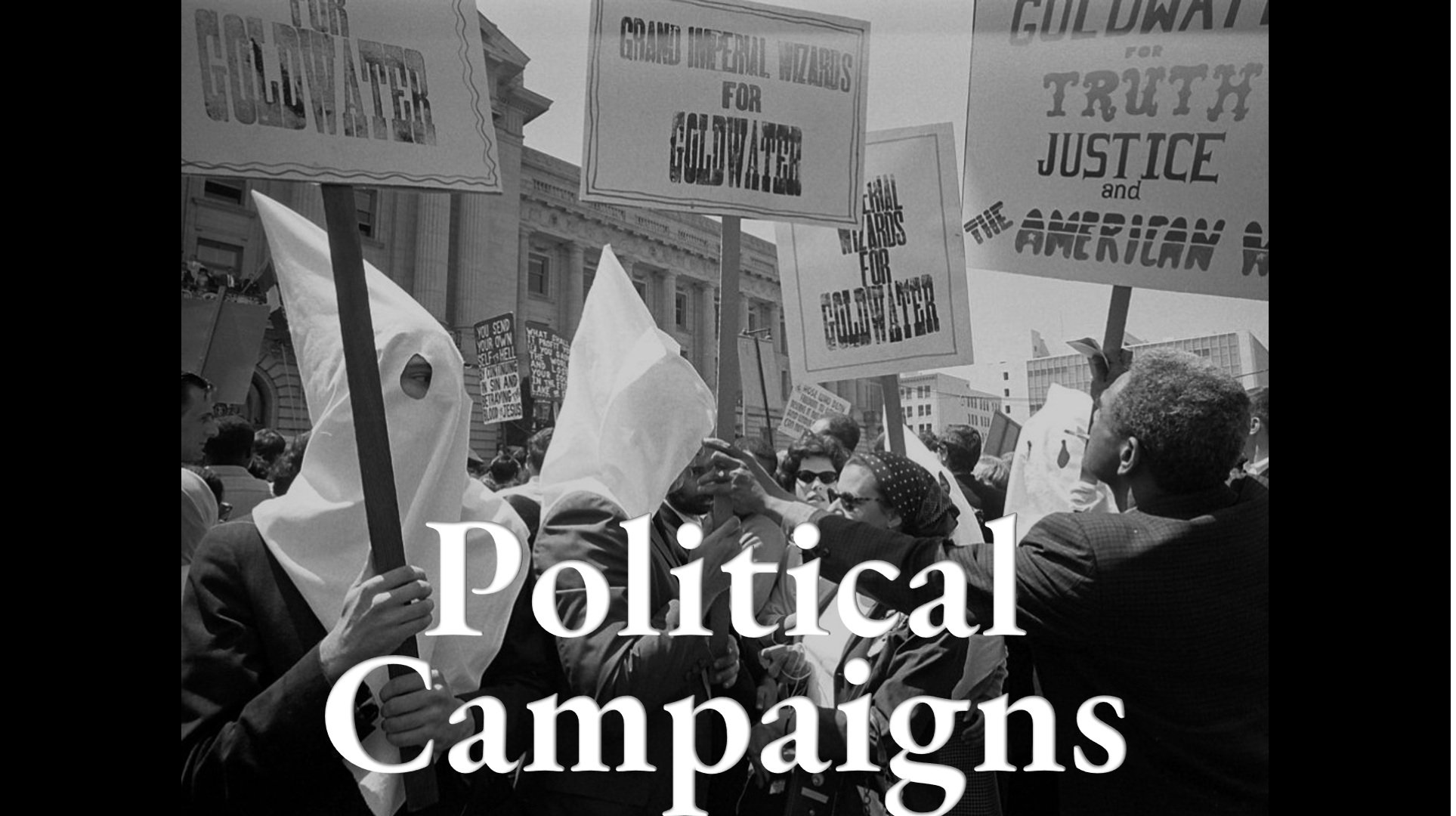

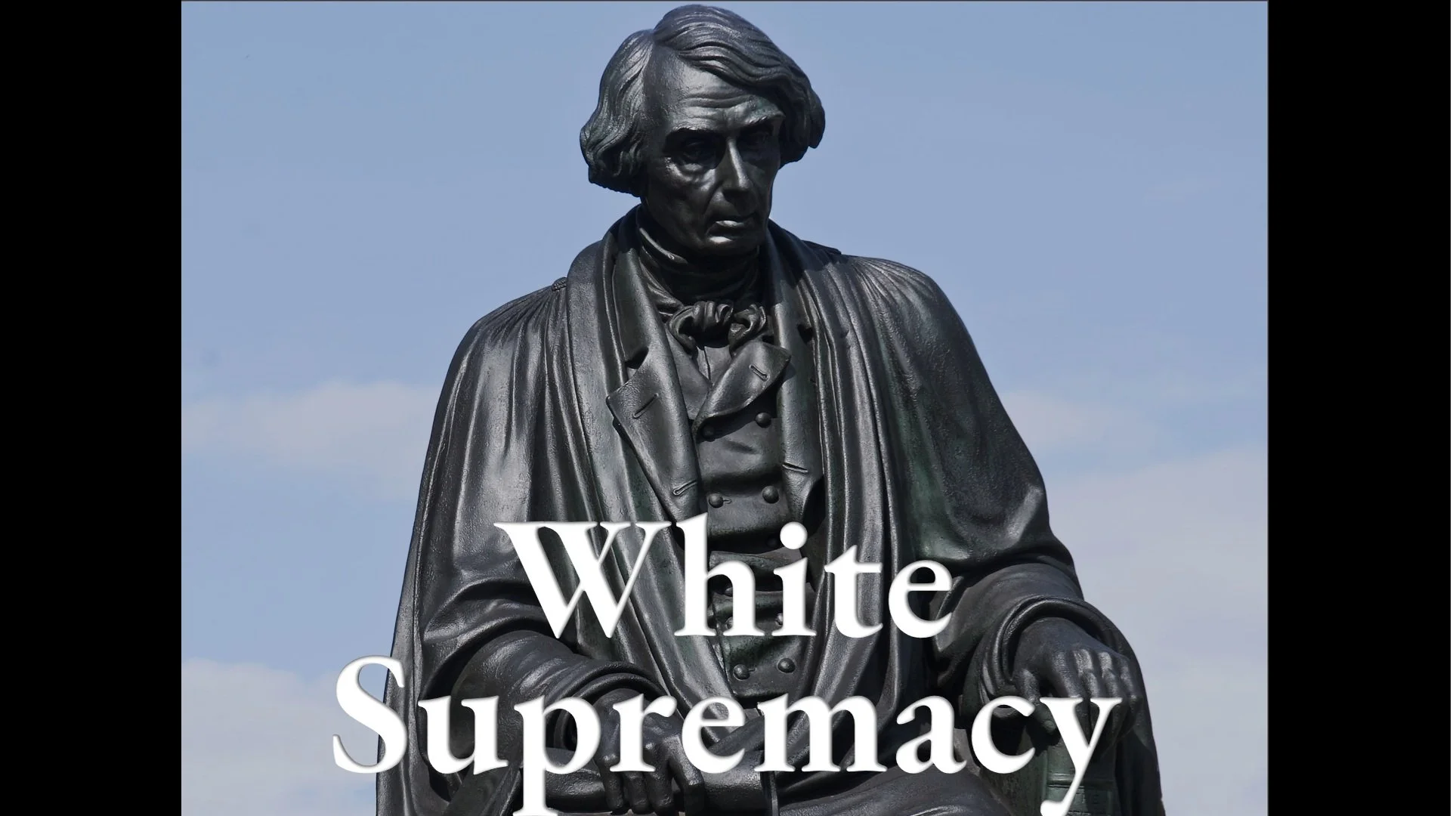
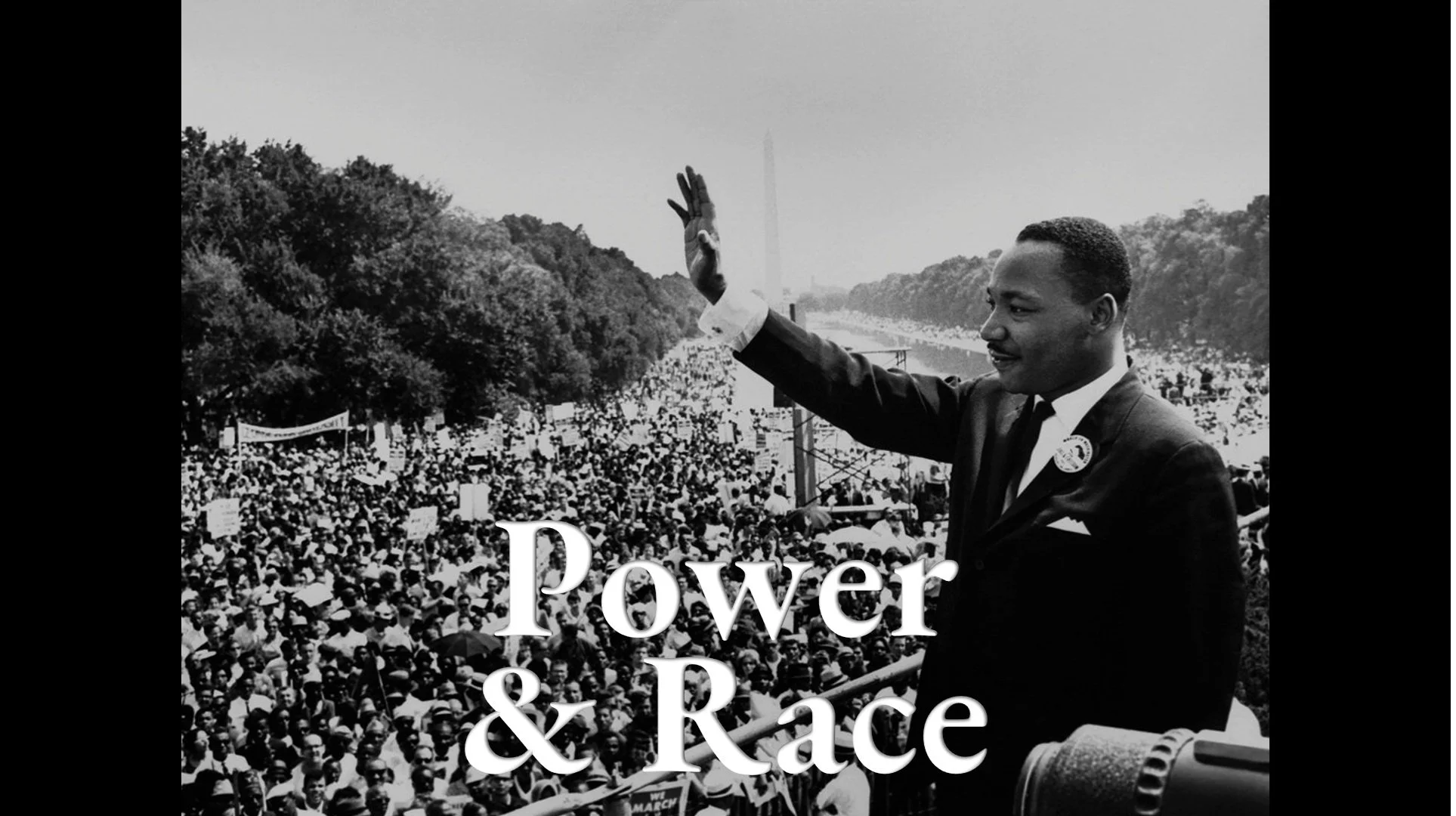
Race: Topics:



Christian Restorative Justice Critique of the Right: Domestic Policy Topics:







Church and Empire: Topics: