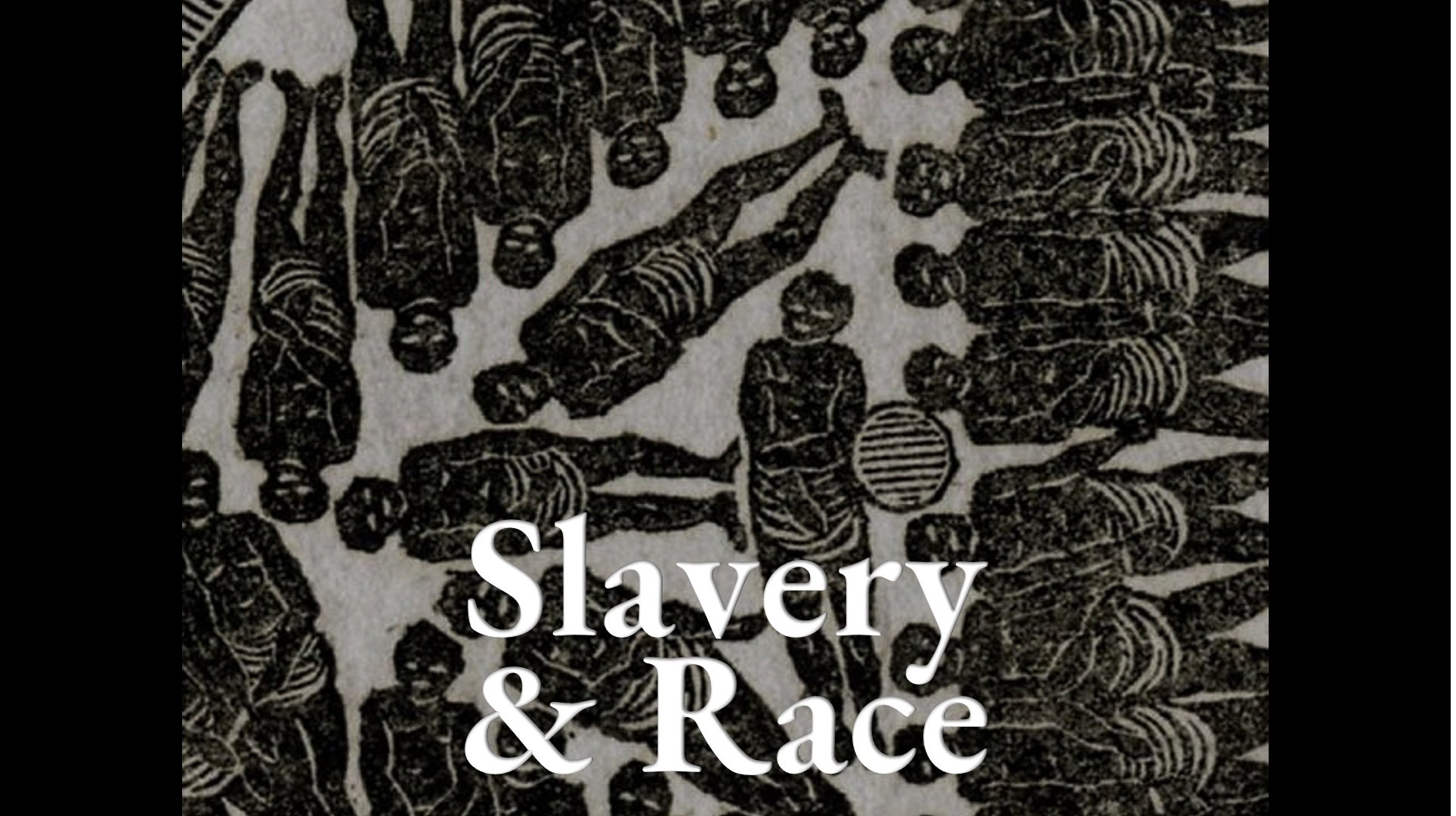
Photograph: A wood carved engraving showing plans and sections of a slave ship called Brookes of Liverpool. A model of the ship was used by British abolitionists like Thomas Clarkson and William Wilberforce. Photo credit: Unknown | Public domain, Wikimedia Commons.
Introduction
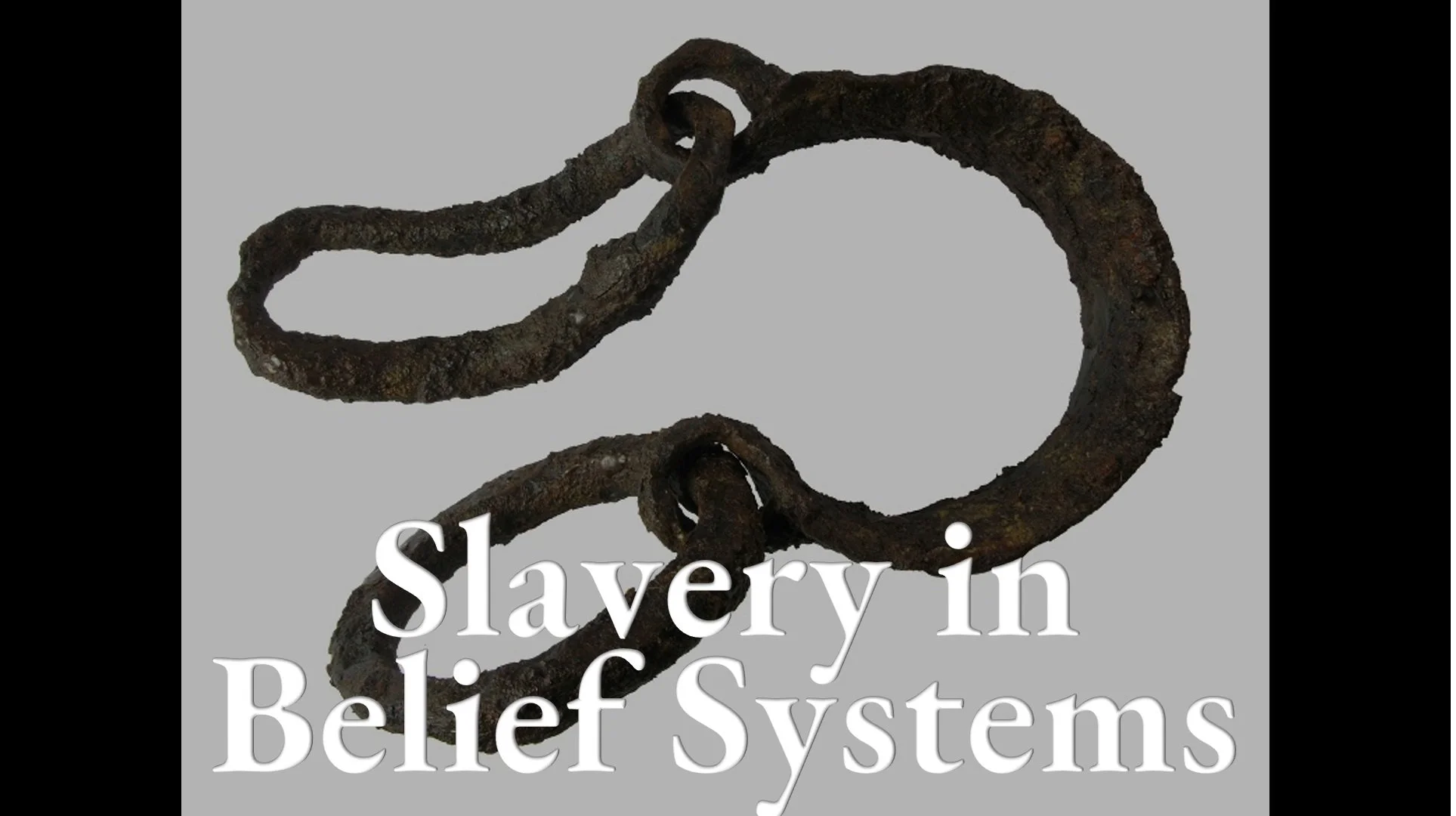
The following resources look at how colonialism and various religions interacted to produce Transatlantic Slavery and how it formally developed. After the formal abolition of chattel slavery in the United States after the Civil War, forms of oppression continued to play out through racial prejudice, which is explored in other sections of this website.
Messages and Resources
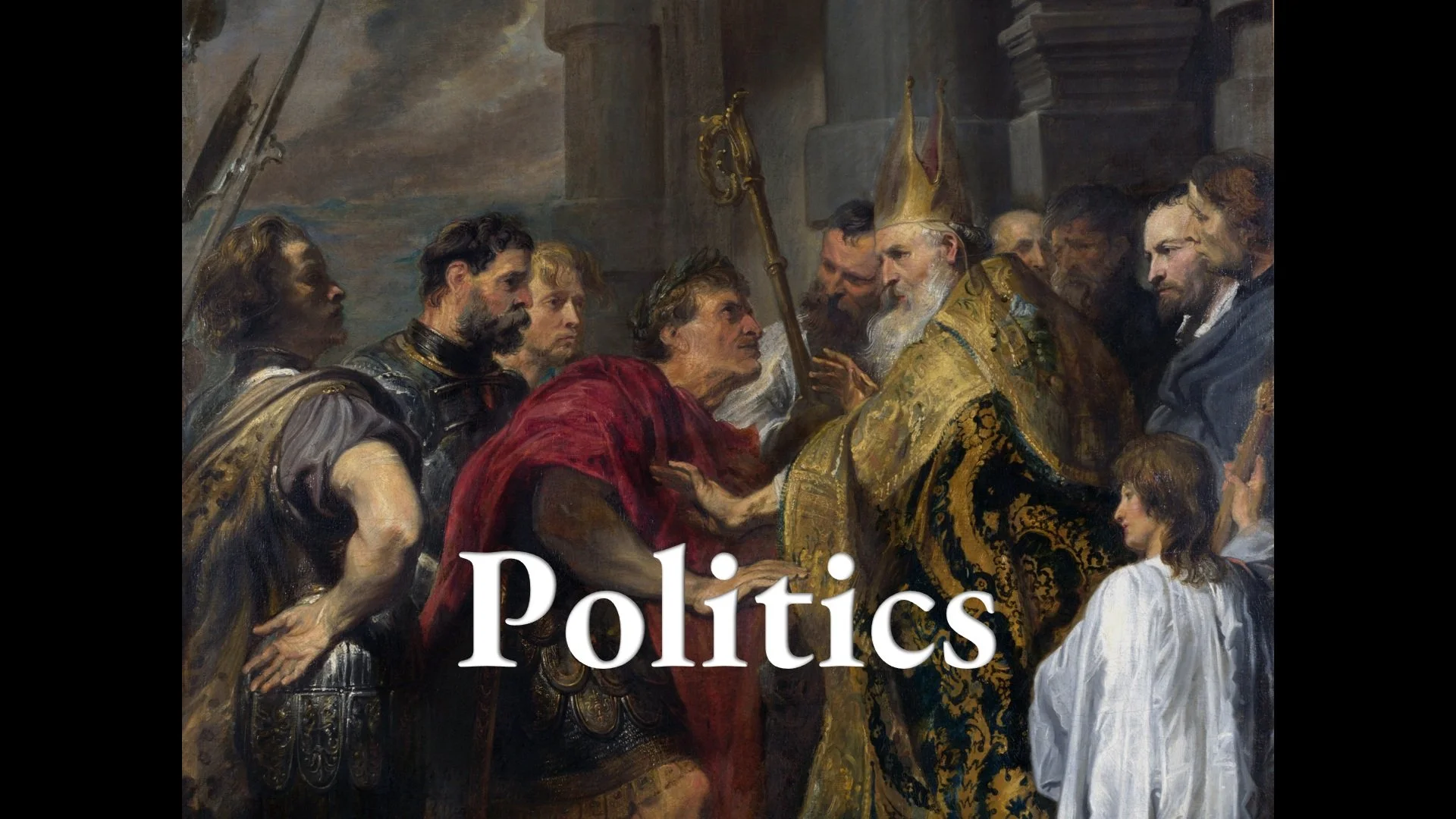
A thirteen minute video about the Virginia Company and the Massachusetts Bay Company. “For-profit Christianity” compared with more authentic Christianity.
Slavery: How the Early Church Got It Right
Presentation given October 2, 2021 to the Reconstruction class. Explores early Christian emancipation and abolition. While Christians did not eliminate all forms of servitude, since servitude for civic penalties, indebtedness, war captivity, and self-indenture persisted, Christians eventually did eliminate what we know as chattel slavery. The presentation examines the Old Testament institution of the Hebrew ebed servant, and the New Testament approach to Greco-Roman modes of servitude. We glance at how colonialism and Trans-Atlantic slavery deformed traditional Christian teaching, mindful that more slavery exists today across the globe than every before, and that in the U.S., indebtedness and incarceration show that we have greatly exaggerated the claims that the U.S. has done better than the Bible on “slavery” and its constellation of challenges. The following video is taken from our 2022 class, Reconstruction: The Deep Roots of Early Christian Theology.
A series of blog posts where we explore how Christian (mostly Protestant) heresies started and continue to influence our modern political and racial challenges. This includes the very notion of race itself, and how our modern economics, housing, schooling, and policing systems have been shaped. Christians must take responsibility for these heresies in the framework of repentance. We have designed a study guide to accompany the blog posts. Please consider using it for personal reflection or discussion in your family, church, organization, etc. See more.
-
The Rights of Women in the Bible: The Beauty of God’s Restorative Story
Slides of a presentation given to the ICAP Global Conference in Springfield, Missouri in May, 2019. It discusses protections for women in the Old and New Testaments, and opportunities for women in the Old and New Testaments as well. It is an egalitarian position on the question of women in church leadership. It highlights how Jewish faith led to the understanding that a husband must not rape his own wife (contrary to both English and American law until the 1970’s-80’s), how Christian faith impacted policies and laws about women, including the Council of Elvira (circa 300 AD) naming pimping and procuring sex as personal sins, but prostitution as a social sin (and thus not blaming the woman), Emperor Justinian and Empress Theodora creating the first “safe house” for ex-prostitutes, etc.
White American Evangelical Political Attitudes and Behavior: Explanation and Correctives
White American evangelical political attitudes can be characterized by the debate between John Winthrop and Roger Williams, and their respective attitudes towards Native Americans, slavery, fairness, and faith in civic space. This is a presentation also explores Scripture and church history to argue that Roger Williams was correct. Given to the staff of Emmanuel Gospel Center, Apr 18, 2018, as a follow-up to how Christian restorative justice impacts ministry; audio file here.
The Role of Jesus in Revolution and the Pursuit of Justice
A written message, graphics included, on how Jesus inspired twentieth-century non-violent resistance movements around the world, and why. Spotlights Tolstoy in Russia; Gandhi in South Africa and India; Ahn Chang-ho in Korea; the Civil Rights Movement in the U.S.; the Filipino People Power Revolution; Solidarity in Poland; the Velvet Revolution in Czechoslovakia; the Truth and Reconciliation Commission in South Africa; the Women’s Movement and Liberia’s Civil War. This is a shining thread of moral clarity, courage, and hope during humanity’s bloodiest century. A 15 - 20 minute read.
Human Dignity: Does Every Individual Matter?
Science, philosophy, existentialism, other religions, and double-predestination based theologies mean that some human beings do not matter. Only a fully Trinitarian theology with a medical substitutionary atonement can provide an adequate foundation.
God as the Foundation of Human Rights
Text of a message from Genesis 1 - 11, which was aware of other Ancient Near Eastern and Mediterranean creation stories, and argued against them, as shown by literary analysis. Topics of disagreement include: the value of every human being; the relations of humans and God/gods; the reason for catastrophes like the Flood; the resolution or movement.
-
These are the images used in artistic physical displays. They are survey questions and conversation starters that are topically and thematically organized. They demonstrate how Jesus is relevant to each topic or theme. You can also just view the images on your device. If you would like, see all our Conversation Stations; below are the ones that relate to the topic of Race.
Whose Justice? (and instructions and Christian Restorative Justice Study Guide)
Whose Justice? for Harvard Law School
Is a Good Friend Hard to Find? (and instructions and conversation tree)
What Can We Do About Evil? (and instructions and conversation tree) and smaller version and brochure version
Que Podemos Hacer Sobre La Maldad? for the Asociacion Dominicana de Estudiantes Evangelico, 2014
Does the Good Outweigh the Bad? (and instructions)
Race What's the Problem? (and instructions) and brochure version
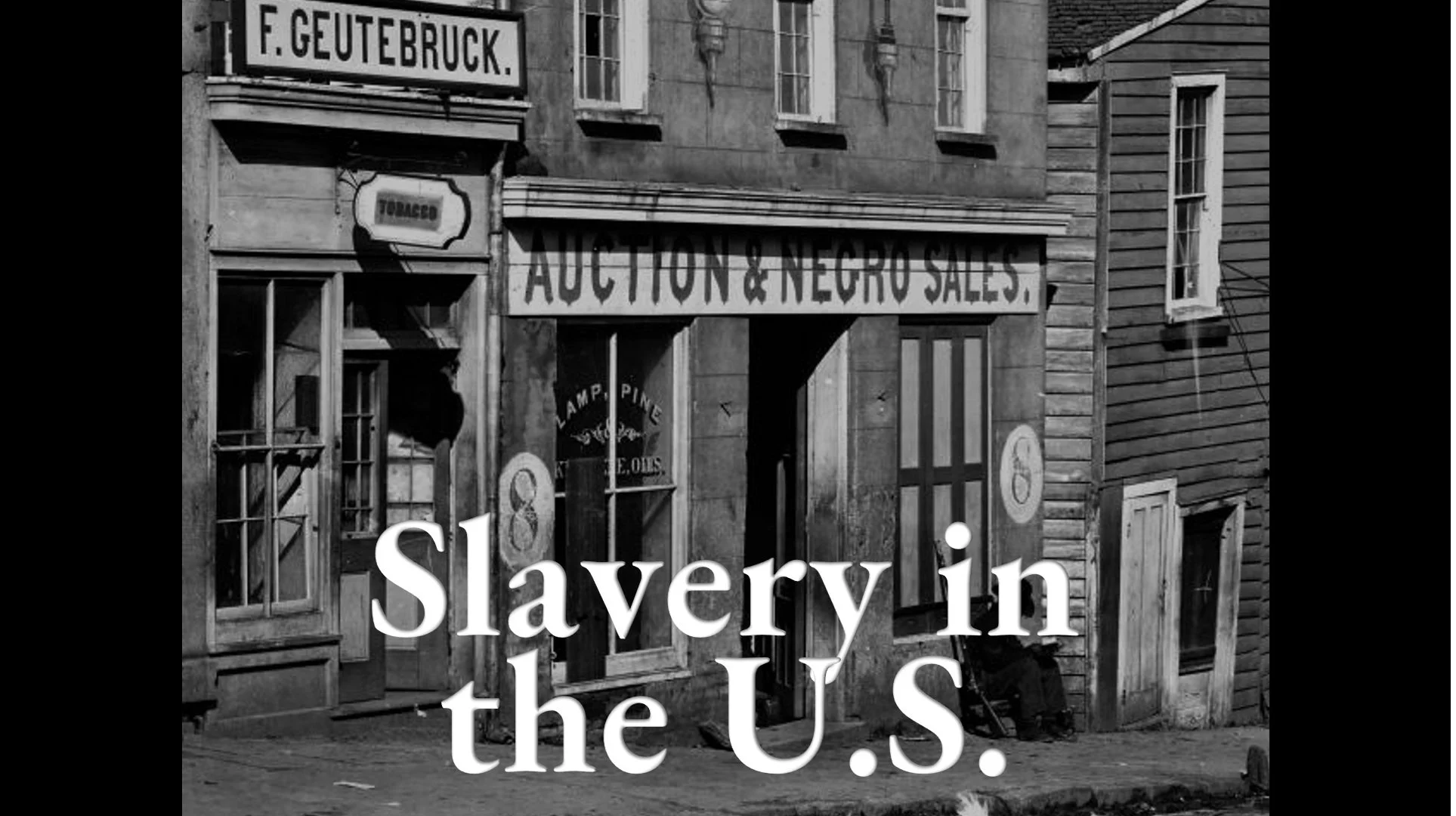
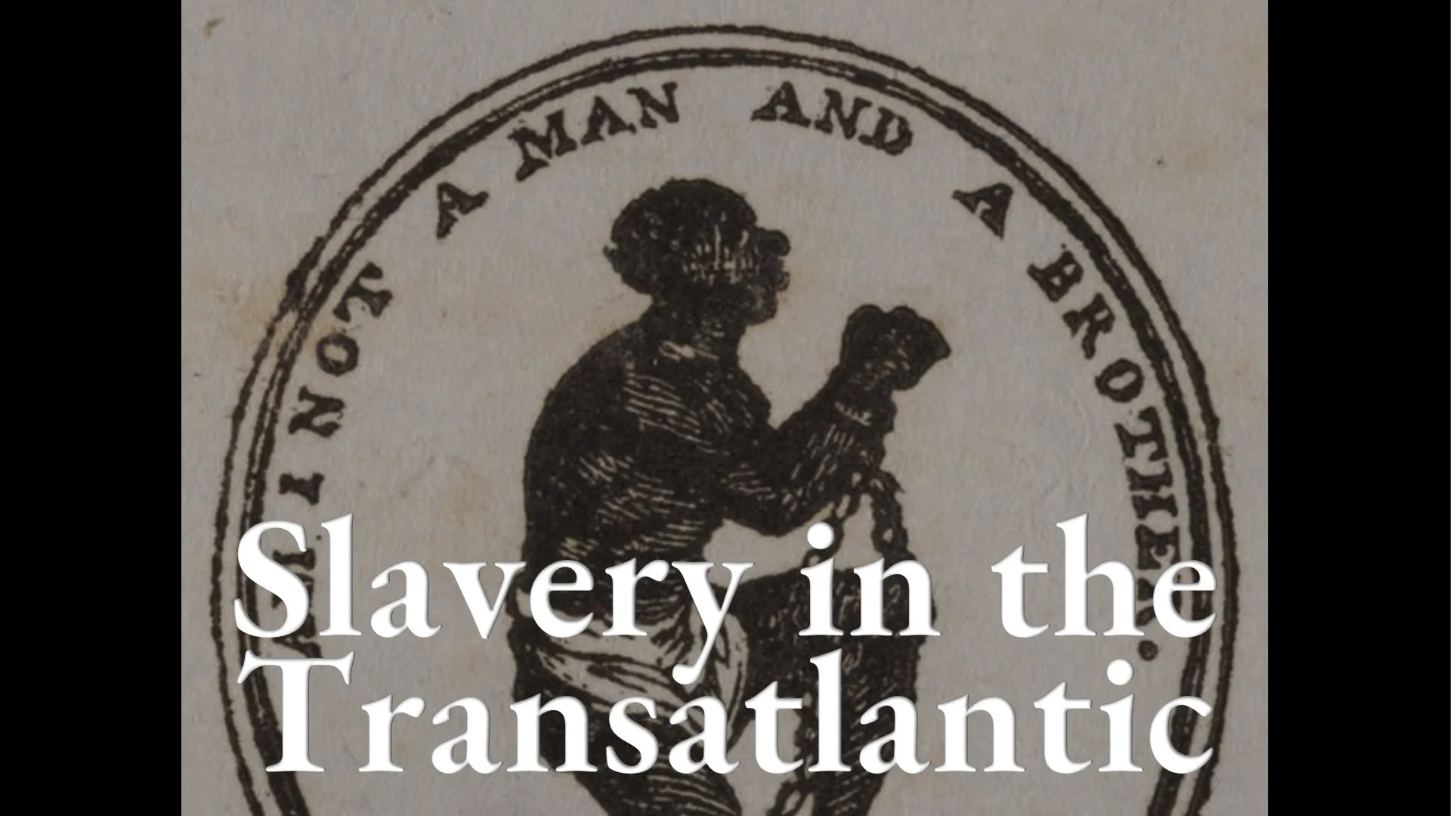
Race and Slavery: Topics:

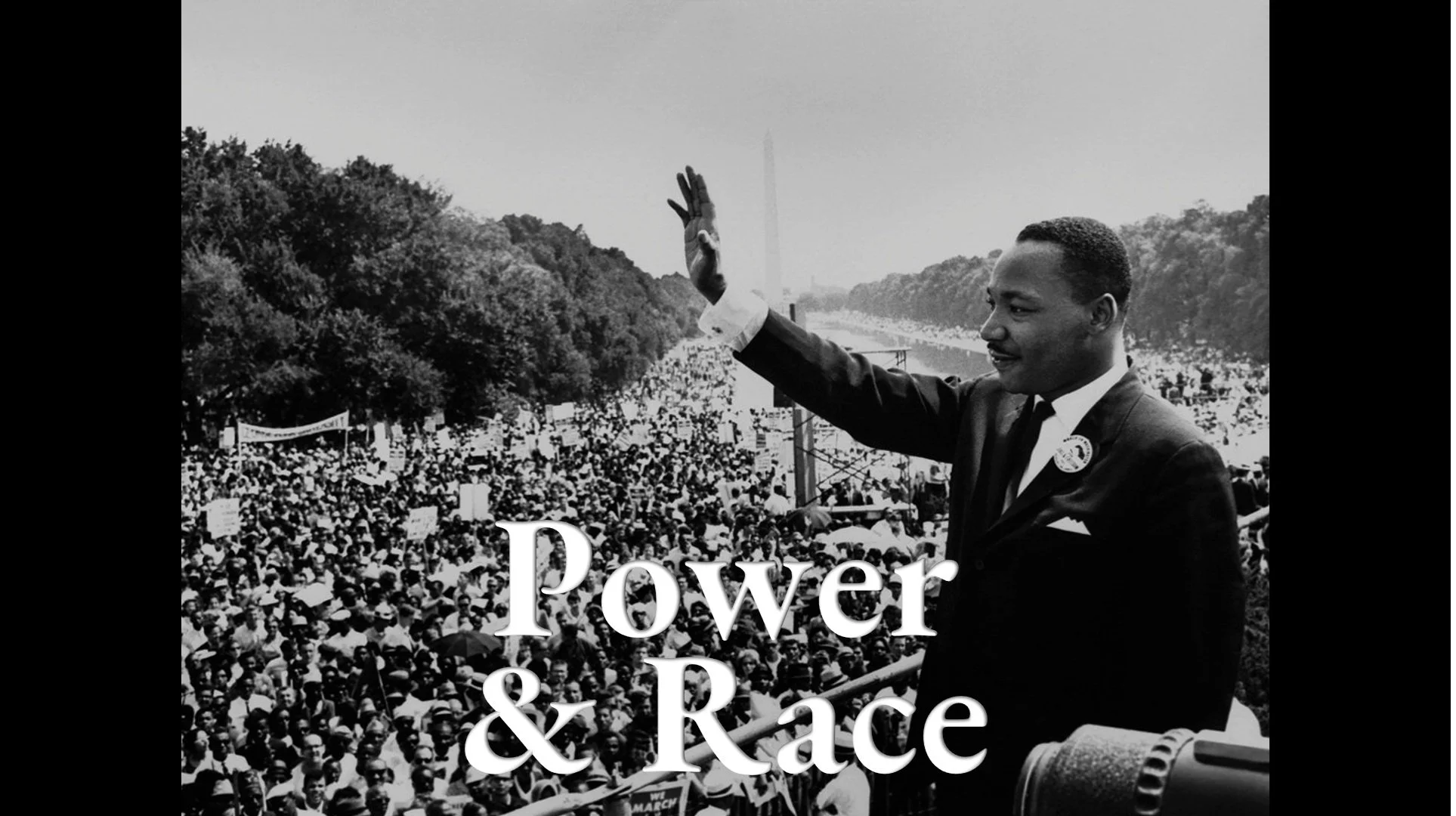
Race: Topics:
This page is part of our section on Race, which contains the following:




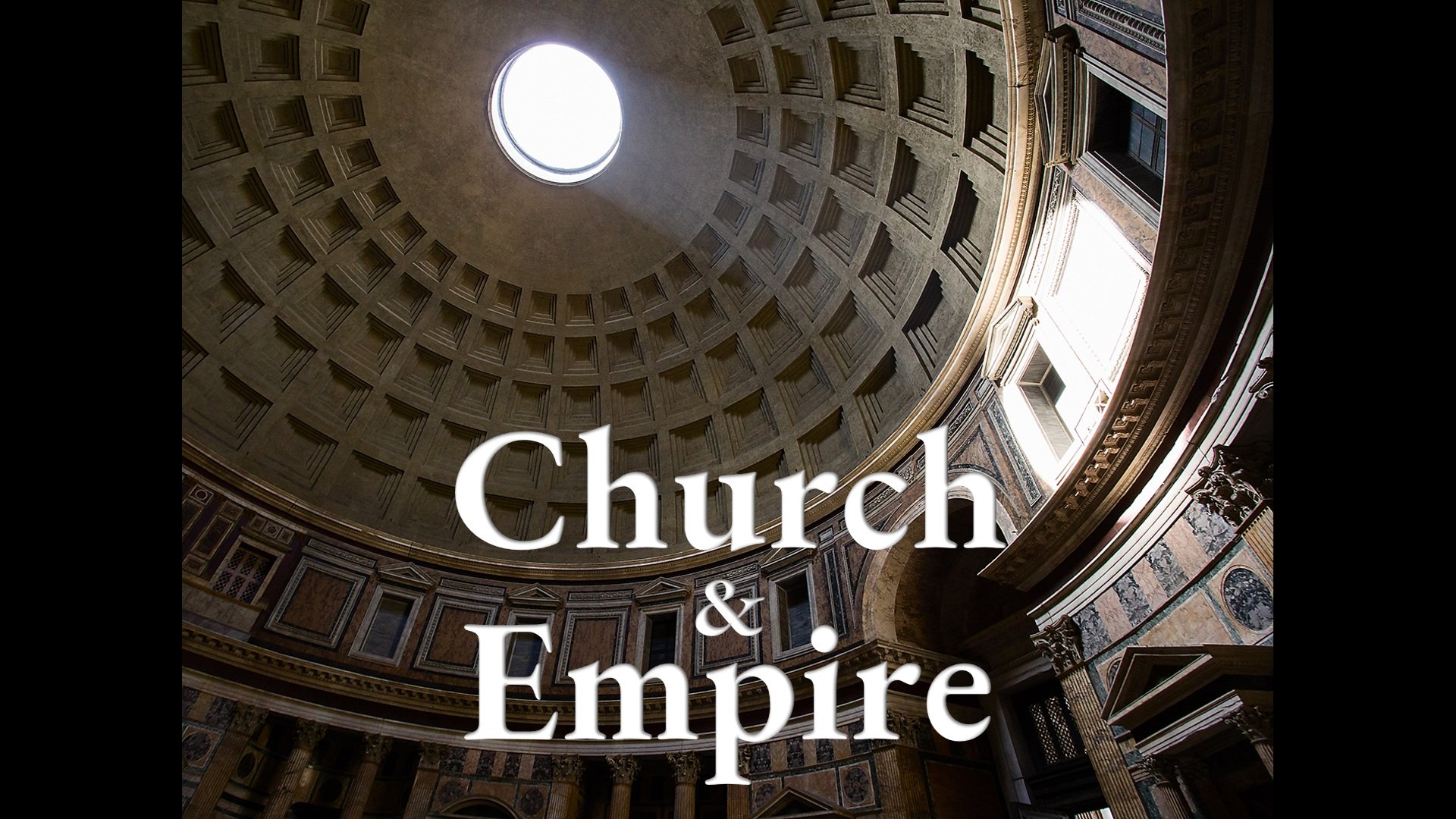
Church and Empire:
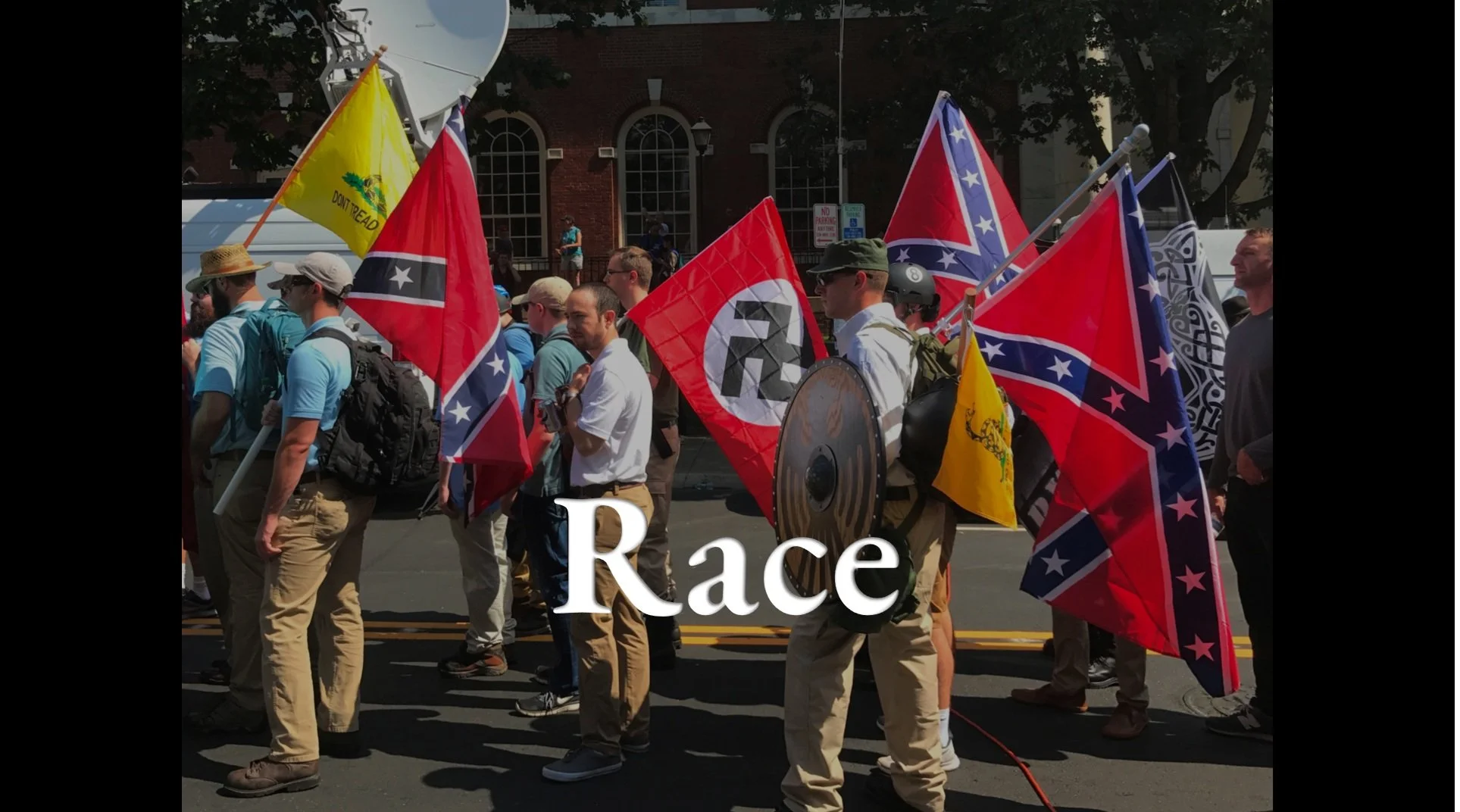
Race is a construct created by European colonialism. For more background, consider the Church and Empire section of our website. This section reminds us what Christian faith was like prior to colonialism, and in resistance to colonialism, to show that Christianity is not “a white man’s religion.”