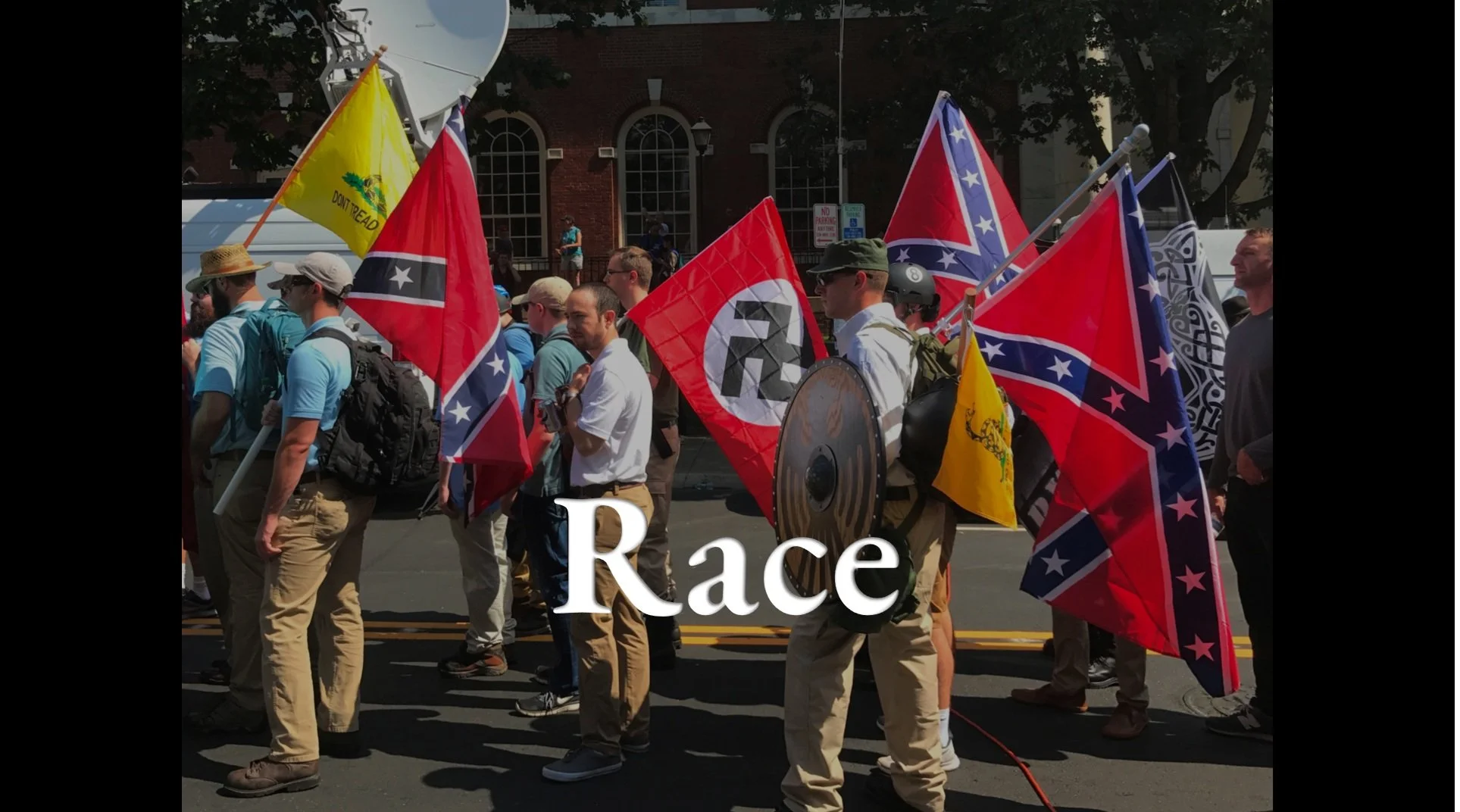
Photo credit: Unknown, Creative Commons Zero.
Introduction
This page highlights the impact of racism on U.S. criminal justice, in chronological order in which they appeared, from convict-leasing to lynching to modern hate crimes. For more general issues in Criminal Justice, which highlights the biblical, church historical, and practical importance of Christian restorative justice, and spotlights problems with the definition of crime, policing, prosecution, sentencing, prisons, and rehabilitation.
Messages and Resources
For a church called Reality San Francisco (Apple Podcasts, May 9, 2016). This is a 68 minute presentation, starting with the four principles of justice (0:00 - 34:30), then moving on to applying restorative justice to the current issues of systemic racism in the U.S. criminal justice system and mass incarceration of non-violent drug offenders (34:30 - 1:09:00). See the slides. For a shorter version of the presentation, which was given on other occasions, see slides, shorter version; unfortunately no audio or visual recordings are available of the shorter version.
Politics, the Church, and Jesus’ Restorative Justice
Slides of a presentation given to the 2022 Reconstruction class. The introduction features John Winthrop vs. Roger Williams to highlight the debate over freedom of religious Conscience vs. Christendom. The presentation highlights Christian accomplishments in health and hospitals, education and schools, land ownership and economic justice, and criminal justice reform.
A series of blog posts where we explore how Christian (mostly Protestant) heresies started and continue to influence our modern political and racial challenges. This includes the very notion of race itself, and how our modern economics, housing, schooling, and policing systems have been shaped. Christians must take responsibility for these heresies in the framework of repentance. We have designed a study guide to accompany the blog posts. Please consider using it for personal reflection or discussion in your family, church, organization, etc.

A nine week study and action guide for small groups to discuss, compare belief systems, and consider advocacy and action steps. Gilliard identifies five pipelines to prison, contributing to mass incarceration: drug policy, immigration, lack of mental health, the school-to-prison pipeline, and private prisons. Gilliard holds up restorative justice to contrast with retributive justice, and says the Church must act restoratively because God in Christ acts restoratively.

A seven week guide for groups to discuss, compare belief systems, and consider advocacy and action steps. Constitutional law professor Michelle Alexander examines the war on drugs as a political tool, and how it eroded the Fourth, Sixth, Eighth, and Fourteenth Amendment rights of American citizens. Implicit racism has affected the criminal justice system at every level: policing, prosecution, plea bargaining, jury selection, sentencing, and reintegration.
-
Ashley Mott, Fact Check: Southern States Used Convict Leasing to Force Black People Into Unpaid Labor. USA Today, Jul 7, 2020. A helpful summary with quotations and links
Sarah Mervosh, Remains of Black People Forced Into Labor After Slavery Are Discovered in Texas. New York Times, Jul 18, 2018. On convict leasing
-
Rebecca Onion, A Lynching Map of the United States, 1900 - 1931
Wikipedia, Chinese Massacre of 1871 (Wikipedia article)
Wikipedia, Ocoee Massacre (Wikipedia article) about Ocoee, Florida in 1920.
Danielle L. McGuire, "It Was like All of Us Had Been Raped": Sexual Violence, Community Mobilization, and the African American Freedom Struggle. Journal of American History, Dec 2004. The exploitation of black women by white men in the U.S. has to be considered an aspect of human trafficking
Paula J. Giddings, Ida: A Sword Among Lions: Ida B. Wells and the Campaign Against Lynching. Amistad | Amazon page, Mar 3, 2009.
Dominique Gilliard, Sunday Lynchings: The Church's Role in Our Nation's Legacy of Racism. Converge Oakland, Feb 27, 2013.
Jamelle Bouie, Christian Soldiers: Lynching and Torture in the Jim Crow South Weren't Just Acts of Racism, but Religious Rituals. Slate, Feb 10, 2015.
Mary Stanton, From Selma to Sorrow. Southern Studies website, Mar 9, 2015. about the only white woman martyred whose name is on the Civil Rights Memorial in Montgomery, AL
Whitney Benns, American Slavery, Reinvented. The Atlantic, Sep 21, 2015.
Black Main Street, Never Forget: America’s Forgotten Mass Lynching: When 237 Black Sharecroppers Were Murdered In Arkansas. Black Main Street, May 23, 2016.
Black Main Street, Never Forget: The Devil’s Punchbowl – 20,000 Freed Slaves Died After Being Forced Into Post Slavery Concentration Camp. Black Main Street, Jun 23, 2016.
Lewis Beale, ‘The 13th’: Ava DuVernay’s Damning Netflix Doc Finds the Truth About Mass Incarceration. Daily Beast, Oct 3, 2016.
Michael D. Shear, Alan Rappeport, Eric Lichtblau, and Maggie Haberman, Amid Outrage Over Stephen Bannon, F.B.I. Reports Surge in Hate Crimes. New York Times, Nov 14, 2016.
Southern Poverty Law Center, Ten Days After: Harassment and Intimidation in the Aftermath of the Election. SPLC, Nov 29, 2016.
Hailey Middlebrook, The Fascinating, If Unreliable, History of Hate Crime Tracking in the US. CNN, Jan 12, 2017.
Equal Justice Initiative, EJI Releases New Data on Racial Terror Lynchings Outside the South. EJI, Jun 26, 2017.
Jonathan Greenblatt, The Resurgent Threat of White-Supremacist Violence. The Atlantic, Jan 17, 2018.
FBI, Hate Crime Statistics raw data and graphs that I put together, offenses by offender's race; FBI, Hate Crime Statistics 2017. FBI, 2018.
Campbell Robertson, A Lynching Memorial Is Opening. The Country Has Never Seen Anything Like It. New York Times, Apr 25, 2018.
The Young Turks, Trump Quietly Pardoned White Domestic Terrorists. The Young Turks, Jul 15, 2018. re: Dwight Hammond and his son Steven, cattle ranchers who set fire to national land and sparked the Malheur standoff. Compared to black NFL athletes to take a knee to protest police brutality.
Ed Pilkington, The 19 Black Radicals Who Are Still in Prison After Four Decades. The Guardian, Jul 30, 2018. "Some African American rebels, including Mumia Abu-Jamal and members of Move, are still incarcerated for their actions during the 1970s black liberation struggle"
Gregory Marquette, The Bomb Heard Around the World: The Lives and Deaths of Harry T. & Harriette V. Moore. Top Cat II Production Publishing | Amazon page, May 1, 2019. early African-American Civil Rights leaders who were killed by a white-supremacist-planted bomb in their home on Dec 25, 1951; the incident exposed corruption of police, courts, and public officials
Sabrina Tavernise and Richard A. Oppel, Spit On, Yelled At, Attacked: Chinese Americans Fear For Their Safety. Yahoo News, Mar 23, 2020. “San Francisco State University found a 50% rise in the number of news articles related to the coronavirus and anti-Asian discrimination between Feb. 9 and March 7. The lead researcher, Russell Jeung, a professor of Asian American studies, said the figures represented “just the tip of the iceberg” because only the most egregious cases would be likely to be reported by the media. Jeung has helped set up a website in six Asian languages, to gather firsthand accounts; some 150 cases have been reported on the site since it was started last Thursday.”
Olivia Beavers, Wray: Racially Motivated Violent Extremism Makes Up Most of FBI's Domestic Terrorism Cases. The Hill, Sep 17, 2020.
Tim Arango, Hate Crimes in U.S. Rose to Highest Level in More Than a Decade in 2019. New York Times, Nov 16, 2020. “An F.B.I. report on hate crimes also found that more murders motivated by hate were recorded in 2019 than in any year before.”
CrashCourse, The Red Summer of 1919: Crash Course Black American History #25. Crash Course, Nov 12, 2021. “During the Red Summer of 1919 violence against Black people broke out across the United States. Black people and neighborhoods were attacked in Washington DC, Chicago, Tulsa, and many other cities and towns across the country. Post-war tension over jobs and civil rights and populations shifts like the Great Migration led white Americans to lash out.”
-
What Would You Do? Bike Theft. VladCantSleep, May 27, 2010 A social experiment where three people try to steal a bike out in the open. Only the black teenager is challenged by passers-by.
Ward Churchill, Agents of Repression: The FBI's Secret Wars Against the Black Panther Party and the American Indian Movement. South End Press | Amazon page, 2001.
Children's Defense Fund, America's Cradle-to-Prison Pipeline Report. Children's Defense Fund, Oct 10, 2007.
Equal Justice Initiative, Race and Jury Selection: Minorities Are Still Barred From Juries Due to Race. Equal Justice Initiative, 2010.
Robin Nixon, Individuals with Rare Disorder Have No Racial Biases. Live Science, Apr 12, 2010. how social anxiety is at the root of race perception, showing the importance of dealing with fear
Bill Quigley, Fourteen Examples of Racism in Criminal Justice System. Huffington Post, Jul 26, 2010.
Lexington, Sex and the Single Black Woman: How the Mass Incarceration of Black Men Hurts Black Women. Economist, Apr 8, 2010.
Amy Goodman, 45 Years Later, Former Alabama State Trooper Pleads Guilty to Killing Black Civil Rights Worker Jimmie Lee Jackson. Democracy Now, Nov 17, 2010.
Michelle Alexander, The New Jim Crow. Children’s Defense Fund, Dec 15, 2010. 20 min interview.
Andrea Canning and Leezel Tanglao, Ohio Mom Kelley Williams-Bolar Jailed for Sending Kids to Better School District. ABC News, Jan 25, 2011. “But it wasn't her Akron district of residence, so her children were ineligible to attend school there, even though her father lived within the district's boundaries… Williams-Bolar said she did it to keep her children safe and that she lived part-time with her dad. "When my home got broken into, I felt it was my duty to do something else," Williams-Bolar said. While her children are no longer attending schools in the Copley-Fairlawn District, school officials said she was cheating because her daughters received a quality education without paying taxes to fund it. "Those dollars need to stay home with our students," school district officials said… The school officials asked her to pay $30,000 in back tuition. Williams-Bolar refused and was indicted and convicted of falsifying her residency records. She was sentenced last week to 10 days in county jail and put on three years of probation.
Christian Davenport, Sarah A. Soule and David A. Armstrong II, Protesting While Black? : The Differential Policing of American Activism, 1960 to 1990. American Sociological Review, Feb 2011. very clear evidence that police treat black citizens more punitively and with more violence. See also Chris Gelardi, Detroit is Suing Black Lives Matter Protesters for “Civil Conspiracy”. The Intercept, Dec 21, 2020.
NPR Staff, The Kissing Case and the Lives It Shattered. NPR StoryCorps, Apr 29, 2011.
Michelle Alexander, The New Jim Crow: Mass Incarceration in the Age of Color-Blindness. The New Press | Amazon page, 2012.
Sarah Childress, Is There Racial Bias in the Stand Your Ground Laws?. PBS/WGBH Jul 31, 2012.
Joe Palazzolo, Racial Gap in Men's Sentencing. Wall Street Journal, Feb 14, 2013.
Corky Siemaszko and Robert Gearty, Stop-and-Frisk Trial: Cop’s Secret Tape Reveals Boss Ordered Him to Target Blacks Males Ages 14 to 21. New York Daily News, Mar 21, 2013.
A top Bronx cop was caught on tape telling an NYPD whistleblower to specifically target “male blacks 14 to 21” for stop-and-frisk because they commit crimes. Stop “the right people, the right time, the right location,” Deputy Inspector Christopher McCormack is heard saying on the recording.
“He meant blacks and Hispanics,” Officer Pedro Serrano, who made the secret recording, testified Thursday in Manhattan federal court. “So what am I supposed to do: Stop every black and Hispanic?” Serrano was heard saying on the tape, which was recorded last month at the 40th Precinct in the Bronx.
McCormack said to focus on the Mott Haven section, where the problem “was robberies and grand larcenies.” “I have no problem telling you this,” the inspector said on the tape. “Male blacks. And I told you at roll call, and I have no problem [to] tell you this, male blacks 14 to 21.”
During cross examination, City lawyer Brenda Cooke got Serrano to admit that McCormack never said he wanted Serrano to stop all blacks and Hispanics. “Those specific words, no,” he told her. Serrano’s tape and testimony were introduced as evidence in a class-action lawsuit against the NYPD’s controversial stop-and-frisk tactic brought by four black New Yorkers who claim they were targeted because of their race. Also, the first of several tapes surreptitiously made by Brooklyn cop Adrian Schoolcraft made its debut at the trial.
This one was recorded at a Nov. 1, 2008, roll call and on it Lt. Jean Delafuente is heard telling officers that making the arrest quota should be easy in Bedford-Stuyvesant. “You’re working in Bed-Stuy, where everyone’s probably got a warrant,” he said. Schoolcraft claims he was hauled off to a psych ward to discredit his allegations that the 81st Precinct pushed officers to fill arrest quotas. Serrano told the court he taped McCormick because he had gotten poor performance reviews for failing to meet what he claims was the monthly quota of 20 summonses and five stops-and-frisk and wanted evidence to show he was being retaliated against.
For speaking out, the 43-year-old cop who joined the NYPD in 2004 testified earlier that he was smeared as a “rat” and ostracized by fellow officers. Like Adhyl Polanco, the whistleblower officer who testified before him, Serrano said the quota system had the backing of the Patrolmen’s Benevolent Association.
Ryan Devereaux, New York's Stop-and-Frisk Trial Comes to a Close with Landmark Ruling. The Guardian, Aug 12, 2013. An update on the NYPD racial profiling whistleblower account.
A federal judge's ruling that the New York City police department has for years turned a blind eye to widespread constitutional rights violations was hardly a surprise to those who have closely tracked the legal challenges to the NYPD's stop-and-frisk regime.
Stop-and-frisk as implemented by the NYPD violates an individual's right to protection under the fourth and 14th amendments of the constitution, judge Shira Scheindlin found in a 195-page ruling. She ordered the appointment of a federal monitor for the nation's largest police force, a measure NYPD commissioner Ray Kelly and New York City mayor Michael Bloomberg have long resisted.
The decision was the result of a landmark two-and-a-half month trial that concluded in May. The federal class action lawsuit, Floyd v City of New York, was filed by four African American men in 2008 who claimed to represent hundreds of thousands of New Yorkers unlawfully stopped by the NYPD. Eight more witnesses, all African American or Latino, also testified to being stopped, and in some cases frisked and searched, unlawfully. Together the plaintiffs described a total of 19 stops. Forty-one police officers also testified, including a recently retired chief of the department, as well as several law enforcement experts. The plaintiffs set out to prove widespread and systemic fourth and 14th constitutional rights violations resulting from the NYPD's stop-and-frisk practices.
ICTMN Staff, A Nice Day for a Genocide: Shocking Quotes on Indians by U.S. Leaders. Indian Country Today Media Network, Jul 10, 2013.
Mike Males, Why the Gigantic, Decades-Long Drop in Black Youth Crime Threatens Major Interests. Center on Juvenile and Criminal Justice, Aug 15, 2013.
The House I Live In (2013) documentary arguing that the U.S. War on Drugs has failed
Matt Taibbi, Outrageous HSBC Settlement Proves the Drug War is a Joke. Rolling Stone, Dec 13, 2013.
Stacey Patton and David J. Leonard, If You’re White, That Joint Probably Won’t Lead to Jail Time. Washington Post, Jan 10, 2014.
Mikol L. Clarke, When White Men Mess Up, All is Forgiven. The Root, Feb 4, 2014.
Ta-Nehisi Coates, "I Am Still Called by the God I Serve to Walk This Out": A Conversation with Lucia McBath, Mother of Jordan Davis. The Atlantic, Feb 25, 2014.
Jamelle Bouie, Why Whites Support Capital Punishment. Slate, Mar 28, 2014.
Ta-Nehisi Coates, Other People's Pathologies. The Atlantic, Mar 30, 2014. on distinguishing between a culture of poverty and black culture
Bonnie Kristian, Seven Reasons Police Brutality Is Systemic, Not Anecdotal. The American Conservative, Jul 2, 2014. an excellent piece on why good police-civilian data is lacking in the first place
Lulu Chang, Do Police Shoot Black Men More Often? Statistics Say Yes, Absolutely. Bustle, Aug 18, 2014.
Tom McKay, One Troubling Statistic Shows Just How Racist America's Police Brutality Problem Is. Mic, Aug 18, 2014. charts SWAT incidents by race
John Oliver, Ferguson and Police Militarization. Last Week Tonight and Slate, Aug 18, 2014.
Annie Lowrey and Jesse Singal, There’s a Huge Racial Divide on Crime and Trusting the Police. New York Magazine, Aug 18, 2014.
Michael Daly, Ferguson Feeds Off the Poor: Three Warrants a Year Per Household. Daily Beast, Aug 22, 2014.
Jeremy Dowsett, What Riding My Bike Taught Me About White Privilege. Quartz, Aug 29, 2014.
Nicholas Kristof, When Whites Just Don't Get It: After Ferguson, Race Deserves More Attention, Not Less. New York Times, Aug 30, 2014.
Michael Friedman, What Happens When We Don't Trust Law Enforcement? The Importance of Law Enforcement's Role in Our Society's Well-Being. Psychology Today, Sep 9, 2014.
Roberto Scalese & Hilary Sargent, The Charles Stuart Murders and the Racist Branding Boston Just Can't Seem to Shake. Boston Globe, Oct 22, 2014.
Ta-Nehisi Coates, Barack Obama, Ferguson, and the Evidence of Things Unsaid. The Atlantic, Nov 26, 2014.
Verna Myers, You Can Help Stop the Violence Against Young Black Men. TEDx talk, Dec 1, 2014.
Michelle Alexander, White Privilege and the War on Drugs. Atlanta Black Star, Dec 2, 2014.
Moreh B.D.K, Ex NYPD Cop Admits ‘We Planted Evidence, Framed Innocent People’ All For Arrest Quotas. Countercurrent News, Dec 27, 2014.
Walter Einenkel, Whistleblowing Officer Makes Tape of Top Cop Ordering Stop-and-Frisk of Black Males. Daily Kos, Dec 29, 2014.
Willie Osterweil, How White Liberals Used Civil Rights to Create More Prisons. The Nation, Jan 6, 2015.
Emil Guillermo, Beyond Black and White: Asian-American Memories of Selma. NBC News, Jan 19, 2015.
NPR Staff, A Black Mississippi Judge's Breathtaking Speech To 3 White Murderers. NPR, Feb 13, 2015.
Journal of Blacks in Higher Education, Campus Racial Incidents. Journal of Blacks in Higher Education. A collection of articles.
Matt Apuzo, Ferguson Police Routinely Violate Rights of Blacks, Justice Dept Finds. New York Times, Mar 3, 2015.
John Vibes, DEA Agent Speaks Out: We Were Told Not to Enforce Drug Laws In Rich Communities. Freethought Project, Mar 10, 2015.
Justin Wolfers, David Leonhardt, and Kevin Quealy, 1.5 Million Missing Black Men. New York Times, Apr 20, 2015.
Valerie Richardson, Police Kill More Whites Than Blacks, But Minority Deaths Generate More Outrage. Washington Times, Apr 21, 2015. although relative to the population (13%), more black people are killed (30%)
Yawu Miller, Race Colors Response to Opioid Crisis. Bay State Banner, May 20, 2015.
Allyson Hobbs, Pay Tribute to the Black Women Who Spoke Out About Sexual Violence. New York Times, May 26, 2015.
Redditt Hudson, I'm a Black Ex-Cop, and This Is the Real Truth About Race and Policing. Vox, May 28, 2015.
Ta-Nehisi Coates, The Brief and Tragic Life of Kalief Browder. The Atlantic, Jun 8, 2015.
Kaia Stern, Voices from American Prisons: Faith, Education, and Healing. Routledge | Amazon page, Jun 10, 2015.
Jordan Weissmann, How Fox News Tried to Spin the Charleston Shooting as an Attack on Christianity This Morning. Slate, Jun 18, 2015.
Christopher Ingraham, The Ugly Truth About Hate Crimes - in 5 Charts and Maps. Washington Post, Jun 18, 2015.
Judd Legum, The Wildly Different Ways One Senator Responds To Terrorism: Boston Versus Charleston. ThinkProgress, Jun 18, 2015. on Sen. Lindsay Graham. R-SC)
Karen Attiah, Charleston, Dylann Roof, and the Racism of Millenials. Washington Post, Jun 18, 2015.
Eric Boehlert, Fox News’ Denial is Pathological: Race, Guns and the Lies the Network Tells Itself. Salon, Jun 23, 2015.
Chas Danner, Are Black Churches Being Targeted by Arsonists? New York Magazine, Jun 28, 2015.
Leon Neyfakh, Prosecution Is About Locking Black People Up. Slate, Jul 10, 2015.
Jeffrey Goldberg, Sam Price-Waldman, Kasia Cieplak-Mayr von Baldegg, Angola for Life: Rehabilitation and Reform Inside the Louisiana State Penitentiary. The Atlantic video, Sep 9, 2015.
Shaun King, 62-Year-Old Black Grandfather Choked and Held Down By Three White Men Who See His Legal Firearm. Daily Kos, Jan 22, 2015.
Jack Hitt, Police Shootings Won't Stop Unless We Also Stop Shaking Down Black People. Mother Jones, Sep/Oct 2015. re: revenue generation
Sabrina Joy Stevens, This Morning, Racist Burned a 7th Black Church Near Ferguson. US Uncut, Oct 22, 2015.
Sharon LaFraniere and Andrew W. Lehren, The Disproportionate Risks of Driving While Black. New York Times, Oct 24, 2015.
Nicole Gonzalez Van Cleve, Commentary: Anita's Army: Rank and File Racism in the Power to Prosecute. NBC News, Nov 27, 2015.
William Saletan, The Terrorists Among Us: Forget Syria. The Most Dangerous Religious Extremists Are Migrants from North and South Carolina. Slate, Nov 30, 2015.
David A. Graham, Paul LePage's Racist Fearmongering on Drugs. The Atlantic, Jan 8, 2016. Maine's governor
Michelle Alexander, Why Hillary Clinton Does Not Deserve the Black Vote. The Nation, Feb 10, 2016. focusing on criminal justice, but also welfare, housing, jobs
Jeff Guo, America Has Locked Up So Many Black People It Has Warped Our Sense of Reality. Washington Post, Feb 26, 2016.
Tom LoBianco, Aide Says Nixon's War on Drugs Targeted Blacks, Hippies. CNN, Mar 24, 2016.
Dan Baum, Legalize It All. Harpers Magazine, Apr 2016.
Matt Ford, The Racist Roots of Virginia's Felon Disenfranchisement. The Atlantic, Apr 27, 2016.
Sam Levin, Stanford Trial Judge Overseeing Much Harsher Sentence for Similar Case. The Guardian UK, Jun 27, 2016.
Michael Eric Dyson, Death in Black and White. New York Times, Jul 7, 2016.
William Saletan, There Is a War Over Race in America, But It’s Not Whites vs. Blacks. Slate, Jul 8, 2016.
Bethania Palma Markus, NYPD Cop Secretly Records Supervisor Pressuring Him to Racially Profile Black Men. Raw Story, Jul 13, 2016.
Nicholas Kristof, A History of White Delusion. New York Times, Jul 14, 2016.
The Young Turks, NYPD Captain: You Need To Arrest More Black Guys. The Young Turks, Jul 15, 2016.
Thomas C. Frohlich, Evan Comen and Michael B. Sauter, Black and White Inequality in All 50 States. 24/7 Wall St, Aug 3, 2016.
Economist, Pandora’s Box: Allowing Ex-cons to Hide Their Criminal Histories Increases Racial Inequality. The Economist, Aug 13, 2016.
NYTimes Editorial Board, Forcing Black Men Out of Society. New York Times, Apr 25, 2015.
Dennis Romero, An Unarmed White Man Is Shot by a Cop, and Black Activists Rally. Los Angeles Weekly, Aug 4, 2016.
AJ Vicens, Nearly 6 Million People Will Be Barred From Voting in November. Mother Jones, Sep 12, 2016.
German Lopez, Mass Incarceration in America Explained in 22 Maps and Charts. Vox, Oct 11, 2016.
Emma Green, The Tide of Hate Directed Against Jewish Journalists. The Atlantic, Oct 19, 2016.
Equal Justice Initiative, Police Killings Against Native Americans Are Off the Charts and Off the Radar. EJI, Oct 31, 2016. a “Native Lives Matter” movement
Joan C. Williams, What So Many People Don’t Get About the U.S. Working Class. Harvard Business Review, Nov 10, 2016. white working class views on jobs, trade, gender
Melanie Eversley, Post-Election Spate of Hate Crimes Worse Than Post-9/11, Experts Say. USA Today, Nov 12, 2016.
Associated Press, Fire Rips Through South Carolina Black Chamber of Commerce Building. Fox News, Nov 13, 2016. appreciating Fox labeling it a hate crime
Peter C. Baker, The Tragic, Forgotten History of Black Military Veterans. The New Yorker, Nov 27, 2016.
Leila Morsy and Richard Rothstein, Mass Incarceration and Children’s Outcomes: Criminal Justice Policy is Education Policy. Economic Policy Institute, Dec 15, 2016.
Julia Craven, Black People Are Way More Likely To Be Killed By Police Than Their White Peers: Study. Huffington Post, Dec 20, 2016.
Jacqueline Howard, Black Men Nearly 3 Times as Likely to Die from Police Use of Force, Study Says. CNN, December 20, 2016. cites important studies about racial bias
Alice Speri, The FBI Has Quietly Investigated White Supremacist Infiltration of Law Enforcement. The Intercept, Jan 31, 2017. but meanwhile Julia Edwards Ainsley, Dustin Volz and Kristina Cooke, Trump to Focus Counter-Extremism Program Solely on Islam. Reuters, Feb 2, 2017.
Nick Wing, Never Forget The Time Would-Be Terrorists Tried To Commit Mass Murder With A Death Ray. Huffington Post, Feb 3, 2017.
Sarah Mervosh, A Black Dallas Family 'Did Everything America Said We Should' But Still Endures Racism Daily. Dallas News, Feb 5, 2017.
Kirsten West Savall, White La. Judge Banned From Local Restaurant After Reportedly Calling Black Patron ‘Fat N--ger’. The Root, Feb 8, 2017.
Murtaza Hussain, Trump's Rhetoric on "Radical Islam" Undermines Counterextremism Programs in the U.S. The Intercept, Feb 8, 2017.
Danielle Sered, Accounting for Violence: How to Increase Safety and Break Our Failed Reliance on Mass Incarceration. Vera, Feb 2017.
Shaun King, Donald Trump Remains Silent as White Men Continue to Terrorize America. New York Daily News, Feb 17, 2017.
Brittney McNamara, White Women Are Less Likely to Protect Black Women From Sexual Assault, Study Shows. Teen Vogue, Mar 13, 2017.
Roland Fryer, Using Economics to Solve Racial Inequality. Harvard Visitas, Apr 28, 2017. uses a helpful methodology, although with very limited data (only a few cities), finds that police use different levels of force based on the subject’s race
Mehdi Hasan, The Numbers Don’t Lie: White Far-Right Terrorists Pose a Clear Danger to Us All. The Intercept, May 31, 2017.
Tom Vanden Brook, Black Troops As Much As Twice As Likely to Be Punished By Commanders, Courts. USA Today, Jun 7, 2017.
Justin Steele, Using Data to Change the Conversation About Race in America. Google, Jun 13, 2017. re: Bryan Stevenson, EJI, lynchings
Dan Stone, Concentration Camps Reveal the Nature of the Modern State. Aeon, Jul 14, 2017. Coordination developed by the British in South Africa, perfected by Germany under Nazism.
Sam Biddle, Facebook's Tough on Terror Talk Overlooks White Extremists. The Intercept, Jul 6, 2017.
Mark Berman, Trump Tells Police Not to Worry About Injuring Suspects During Arrests. Washington Post, Jul 28, 2017. Dog-whistle politics
Monique Judge, Cop Shares Racist Facebook Post, Will Resign After Public Outcry. The Root, Aug 1, 2017.
Mike Males, White People Should Be More Afraid of Other Whites Than They Are of People of Color. Los Angeles Times, Aug 3, 2017.
Shaun King, Soul Snatchers: How the NYPD’s 42nd Precinct, the Bronx DA’s Office, and the City of New York Conspired to Destroy Black and Brown Lives. Part 1). Medium, Aug 21, 2017.
The Editors, A Bad Pardon. National Review, Aug 28, 2017. on Trump's pardon of Sheriff Joe Arpaio; see also Michael Gerson, Trump Deepens the Moral Damage to the GOP. Washington Post, Aug 28, 2017.
German Lopez, Trump's Decision to Give Police Easier Access to Military Weapons, Explained. Vox, Aug 28, 2017.
Jamiles Lartey, US Police Killings Undercounted by Half, Study Using Guardian Data Finds. The Guardian, Oct 11, 2017.
German Lopez, If You Care About Ending Mass Incarceration, Look at What Philadelphia Just Did. Vox, Nov 8, 2017. a local prosecutor's race just set the standard in the fight against mass incarceration
Christopher Ingraham, Black Men Sentences to More Time for Committing the Exact Same Crime as a White Person, Study Finds. Washington Post, Nov 16, 2017.
Deepa Bharath, Think Race Isn't a Problem in California? Think Otherwise. San Jose Mercury News, Dec 3, 2017. income, incarceration rates, education, health outcomes
Frank R. Baumgartner, Leah Christiani, Derek A. Epp, Kevin Roach, Kelsey Shoub, Racial Disparities in Traffic Stop Outcomes. Duke Forum for Law and Social Change, 2017. See book Frank R. Baumgartner, Derek A. Epp, and Kelsey Shroub, Suspect Citizens: What 20 Million Traffic Stops Tell Us About Policing and Race. Cambridge University Press | Amazon page, Jul 2018. See also summary by Chris Horn, Racial Disparities Revealed in Massive Traffic Stop Dataset. University of South Carolina, Jun 12, 2020.
German Lopez, We Don't Need Mass Incarceration to Keep People Safe. This Chart Proves It. Vox, Jan 16, 2018.
German Lopez, Stephon Clark Was Shot by Sacramento Police Eight Times From Behind or the Side, Autopsy Finds. Vox, Mar 30, 2018. Discusses racial bias among police officers
Anna Flagg, The Myth of the Criminal Immigrant. New York Times, Mar 30, 2018.
German Lopez, Christina Animashaun, and Javier Zarracina, How America Has — and Hasn’t — Changed Since Martin Luther King Jr.’s Death, in 11 Charts. Vox, Apr 4, 2018. From economic well-being to criminal justice issues, racial inequality is still very real in America.
P.R. Lockhart, Trump Says He Doesn't Think NFL Players Are Protesting "A Real Issue". Vox, Jun 15, 2018.
Vann Newkirk II, The End of Civil Rights. The Atlantic, Jun 18, 2018. Across immigration, policing, criminal justice, and voting rights, the attorney general is pushing an agenda that could erase many of the legal gains of modern America's defining movement
Nikkei for Civil Rights and Redress, The Grassroots Struggle for Japanese American Redress and Reparations. Nikkei for Civil Rights and Redress, 2018.
John Legend, It's Time for Louisiana to Strip White Supremacy from Their Constitution. Washington Post, Aug 13, 2018. A clause requiring a non-unanimous jury, designed to make minorities on the jury irrelevant
David French, Why I Changed the Way I Write about Police Shootings. National Review, Aug 13, 2018.
Editorial Board, A Last Hope for Truth in a Mass Lynching. New York Times, Oct 7, 2018. "A federal appeals court should release records of a grand jury that held no one responsible for a 1946 Georgia horror"
Jemele Hill, What the Black Men Who Identify With Brett Kavanaugh Are Missing. The Atlantic, Oct 12, 2018. See response from David French, The Black Men Who Identify with Brett Kavanaugh Understand the Stakes. National Review, Oct 12, 2018. On sexual harassment charges.
The Young Turks, Cops Blow the Doors Off Black People's Houses in Arkansas. The Young Turks, Oct 24, 2018. Re: no-knock warrants used in drug searches, often with explosives to blow doors open; 110 people out of 133 were black; residents left to pay for the damages
German Lopez, Florida Votes to Restore Ex-Felon Voting Rights With Amendment 4. Vox, Nov 6, 2018. affecting 1.5 million people. See also Tim Elfrink, Florida The Long, Racist History of Florida's Now-Repealed Ban on Felons Voting. Washington Post, Nov 7, 2018.
Urban Indian Health Institute, Missing and Murdered: Indigenous Women and Girls. Urban Indian Health Institute, 2018. data from 71 cities
Martin Matishak, Rand Paul 'Disturbed' by Attorney General Nominee's Views. Politico, Dec 9, 2018. Re: William Barr, nominated by Trump; views on Patriot Act, civil asset forfeiture. See also Jonathan Chait, Now We Know Trump Picked William Barr to Shut Down Mueller’s Investigation. New York Magazine, Dec 20, 2018. On executive power
Jeremy Diamond and Alex Rogers, The Bill That Wouldn't Die: The Unlikely Story Behind the Criminal Justice Overhaul. CNN, Dec 18, 2018. remarkable story of the political maneuverings; a hopeful sign that alliances can be built across the political aisle on this issue
Roger Lancaster, The Carceral Problem is Getting Worse. The Intercept, Dec 30, 2018. despite the passage of the First Step Act
Mark Joseph Stern, Ending The New Criminal Justice Reform Law Has Already Righted One Outrageous Injustice. Slate, Jan 3, 2019. Crack cocaine sentence shortening applied retroactively
Cecile Yezou, Black Women’s Resistance to Sexual Violence. Black Perspectives | African American Intellectual History Society, Mar 22, 2019. “Mary told her family story to Charles Houston as part of the “Behind the Veil” oral history project undertaken by Duke University’s Center for Documentary Studies from 1993 to 1995. The story she told symbolizes white men’s exploitation of Black women’s bodies from times of encounter, enslavement, Jim Crow, and into the 21st Century. Mary’s story is incredibly powerful and gives a historical context to the silencing of Black women’s voices as it relates to sexual assault by white men. Her grandparents, parents, and her own story were shaped by their relationship to white men’s ever-present violence and terror resonating across generations. Mary explains that each of her grandparents had a white father… Despite their social standing in the community, Mary’s family was nonetheless subjected to racism and sexual oppression. Her narrative introduces us to a white insurance salesman who epitomized white impunity as he invaded the homes of Black women. The man had a habit of walking right into their homes—breaking the illusion of privacy and intimacy in the Jim Crow South.”
Rob Arthur, New Data Shows Police Use More Force Against Black Citizens Even Though Whites Resist More. Slate, May 30, 2019.
Chelsea Hale and Meghan Matt, The Intersection of Race and Rape Viewed through the Prism of a Modern-Day Emmett Till. American Bar Association, Jul 16, 2019. “An exploration of the historical practice of exploiting and violating the bodies of African American women with impunity and how African American defendants accused of raping white women are treated differently under the law.” Includes police practices like rape, and courtroom practices like racial bias
Rachel Maddow, Legal Strategy Has Proven Record Against White Supremacist Groups. Rachel Maddow Show | MSNBC, Aug 6, 2019. civil trials and heavy fines placed on Klan groups for inciting violence, distinct from criminal trials and charges on individuals for violence. Also Rachel Maddow, Victims Of White Nationalist Terror Fight Back (And Win) In Court. Rachel Maddow Show | MSNBC, Aug 9, 2019. about victims of white supremacist terrorism suing The Daily Stormer and other websites which serve as platforms
Editorial Board, One Agency Is Finally Taking White Supremacism Seriously. Will the Rest? Washington Post, Sep 20, 2019.
“DHS unveiled a counterterrorism strategy Friday with a fresh focus on combating domestic threats and so-called targeted violence such as mass shootings. White-supremacist attacks are, for the first time, at the center of the strategy.”
Rebecca Anne Goetz, Minneapolis Police Department’s Long History of Brutality (Twitter, May 29, 2020) Starting with Native Americans.
Michael Harriot, A Timeline of Events That Led to the 2020 ‘Fed-Up’ Rising. The Root, May 30, 2020.
Amanpour, Police Chief to Trump: Please Keep Your Mouth Shut if You Can’t Be Constructive. CNN, Jun 1, 2020. Houston police chief Acevedo makes outstanding comments, including that people view police officers as the first point of connection or confrontation with government at large
The Hill, Kellyanne Conway Says There is Institutional Racism. The Hill, Jun 2, 2020. in the criminal justice system, at the 6:20 min mark, a remarkable admission.
Erin Burnett and Jeannie Moos, Police March With Protesters in Act of Solidarity. CNN, Jun 2, 2020.
R.T. Rybak, I Was the Mayor of Minneapolis and I Know Our Cops Have a Problem. Politico, Jun 2, 2020. “Racism permeated the culture of the department. But there are ways to change that culture that other cities can copy.”
Zolan Kanno-Youngs, Sergio Olmos, Mike Baker, and Adam Goldman, From the Start, Federal Agents Demanded a Role in Suppressing Anti-Racism Protests. New York Times, Jul 28, 2020. “Twin government memos show how a gung-ho federal law enforcement response to anti-racism protests may have been driven by a shaky understanding of the demonstrations’ roots.”
Michael German, Hidden in Plain Sight: Racism, White Supremacy, and Far-Right Militancy in Law Enforcement. Brennan Center for Justice, Aug 27, 2020. “The government’s response to known connections of law enforcement officers to violent racist and militant groups has been strikingly insufficient.”
WBUR News and Wire Services, New Report Highlights Racial Disparity In Massachusetts Drug And Weapons Charges. WBUR, Sep 9, 2020. and Michael Herriot, A Judge Asked Harvard to Find Out Why So Many Black People Were In Prison. They Could Only Find 1 Answer: Systemic Racism. The Root, Sep 10, 2020. refers to Elizabeth Tsai Bishop, Brook Hopkins, Chijindu Obiofuma, Felix Owusu, Racial Disparities in the Massachusetts Criminal System. The Criminal Justice Study Program, Harvard University, Sep 2020.
Omar Amr, How An ER Doctor Combated Racism In Pursuit Of An Olympic Dream. LAist, Sep 11, 2020. “neither the M.D. behind my name nor my status as an Olympian assures that I'll be treated equally. My education and my accomplishments become irrelevant whenever I'm pulled over by the police. It is still my instinct to place my hands on the dashboard, as my father taught me to do so many years ago. It has kept me alive.”
Vice News, Indigenous Women Keep Going Missing in Montana. Vice News, Dec 3, 2020. examines stats, and legal-jurisdictional challenges (tribe, federal, state, county agencies)
Chris Gelardi, Detroit is Suing Black Lives Matter Protesters for “Civil Conspiracy”. The Intercept, Dec 21, 2020.
Amber Ruffin, Why We Need a White History Month. The Amber Ruffin Show, Feb 5, 2021. from slave patrols to armed militias to the police
Sharon Zhang, Republicans Have Introduced 81 Anti-Protest Laws in 34 States Just This Year. Truthout, Apr 21, 2021. because of the effectiveness of mass protest in addressing the need to hold police accountable for brutality, Republicans are trying to suppress protest itself, despite the First Amendment protecting right to assembly.
Amy Goodman, Richard Wright's Novel About Racist Police Violence Was Rejected in 1941; It Has Just Been Published. Democracy Now!, May 31, 2021. Julia Wright, daughter of Richard Wright, discovered the manuscript in the Wright home in Paris (he had moved his family there in 1946). The book is titled The Man Who Lived Underground, and Wright said of it, “I have never written anything in my life that stemmed more from sheer inspiration or executed any piece of writing in a deeper feeling of imaginative freedom, or expressed myself in a way that flowed more naturally from my own personal background, reading, experiences and feelings.”
Melvin B. Miller, Police Shootings: It’s Worse Than We Thought. Bay State Banner, Oct 6, 2021.
“The Washington Post record indicates that while Blacks were disproportionately killed by the police, a greater number of whites actually lost their lives. The rate of police killings of Blacks was 37 per million, the rate for whites was less than half that, at 15 per million. Despite the proportional disparity, it was shocking to find that 2,962 whites were killed relative to 1,555 Blacks. But the situation gets worse. According to the New York Times, a study reveals that more than half of police killings go unreported. A research report from the University of Washington found that deaths reported on the National Vital Statistics System, a major federal database, underreported police killings. According to the report, which has been in the Lancet, a British medical journal, the underreporting of about 55% occurred from 1980 to 2018, with other reasons cited for the deaths. During this period of the war on drugs, an estimated 31,000 Americans were killed by the police, but according to the report, 17,000 were not acknowledged in official records. Researchers attribute the short count to coroners and medical examiners who do not always have the necessary information to provide an accurate record. As a result, it is reasonable to conclude that the number of Black deaths caused by the police is understated.”
Meribah Knight and Ken Armstrong, Black Children Were Jailed for a Crime That Doesn’t Exist. Almost Nothing Happened to the Adults in Charge. ProPublica, Oct 8, 2021. “Judge Donna Scott Davenport oversees a juvenile justice system in Rutherford County, Tennessee, with a staggering history of jailing children. She said kids must face consequences, which rarely seem to apply to her or the other adults in charge.” See also Nicholas Reimann, Tennessee County Reportedly Illegally Jailed Hundreds Of Children, Charging Some With Crimes That Don’t Exist. Forbes, Oct 8, 2021. See also PBS, Tennessee Judge Jailed Minors on Bogus Charges Following Playground Fights, Cursing. PBS News Hour, Oct 12, 2021. CNBC, How BlackRock Became The World's Largest Asset Manager. CNBC, Oct 13, 2021. a 14 minute video about one of the most influential companies in global finance.
Paul P. Murphy and Emma Tucker, Local Officials Call on Idaho Sheriff to Resign After He Allegedly Made Disparaging Comments About Native Americans. CNN, Dec 24, 2021.
CNN, Ahmaud Arbery’s Killers Found Guilty in Federal Hate Crime Trial. CNN, Feb 22, 2022. Important legal and factual detail provided. We need to remember that this could easily have been covered up, except for the stupidity of one of the murderers releasing a videotape of the murder.
Mehdi Hasan, Race Hard To Ignore In Sentencing Differences In Voting Cases. MSNBC, Apr 16, 2022. Hasan compares white men who commit voter fraud to people of color: Crystal Mason of Texas.
Fact Sheet: Threats Against HBCUs and Black-Majority Schools in the United States. Armed Conflict Location & Event Data Project, Apr 20, 2022. “As of mid-April, ACLED has recorded 72 bomb or shooting threats against Historically Black Colleges and Universities (HBCUs) and Black-majority K-12 schools across the United States in 2022. Bomb or shooting threats against HBCUs and Black-majority schools have been reported in at least 16 states and Washington, DC.”
Amir Vera, Omar Jimenez, Ashley Killough, and Leonel Mendez, Tulsa Race Massacre Reparations Lawsuit Survives Motion to Deny and Will Move Forward. CNN, May 2, 2022.
Zerlina Maxwell, White Criminals Get Excuses While Black Victims Get Villainized. Zerlina | MSNBC, May 16, 2022. 98% of mass shootings are committed by men, disproportionately white. Police reports and media exaggerate black children as larger and older. Meanwhile, white supremacist shooters are described as “lone wolves” even when they reference previous white supremacists.
Amy Goodman, "Children of the KKK": White Supremacist Patriot Front Marches Through Boston, Attacks Black Artist. Democracy Now, Jul 6, 2022. On July 2, Patriot Front attacked a local Black artist named Charles Murrell.
PBS News Hour, Garland Announces Federal Charges Against Officers Involved in Breonna Taylor Death. PBS News Hour, Aug 4, 2022. Attorney General Merrick Garland said the charges include: civil rights offenses; unlawful conspiracies; unconstitutional use of force; and obstruction offenses.
Diana Butler Bass, History Encoded. The Cottage | Substack, Apr 19, 2023. “Last weekend, a local newspaper in McCurtain County, Oklahoma released recordings of an after-hours meeting of community leaders — including a county commissioner and the sheriff — wondering if they could hire a hit man to kill a journalist and jonesing for the days when troublemakers could be whipped and lynched.” Bass surveys the racial history of Oklahoma.
Adrian Walker, Evan Allen, Elizabeth Koh, Andrew Ryan, Kristin Nelson, and Brendan McCarthy, Nightmare in Mission Hill: Charles Stuart and the Murder in Boston That Changed a City Forever. Boston Globe, Dec 1, 2023.
Hedwig Lee, How Does Structural Racism Operate (in) the Contemporary US Criminal Justice System? Duke University Scholars, Annual Review of Criminology, Jan 26, 2024. See quotes by Augustus Corbett, MAGA, You're Lying! Black Men Are The Victims Of The Criminal Justice System, Not Trump. Defiant Lawyers Network, Jun 6, 2024.
Augustus Corbett, Racist Judge Finally Removed | Lawyer Explains How Racist Judges Ruin Black Lives | Voting Matters. The Defiant Lawyers Network, Sep 8, 2024. Michigan probate judge Kathleen Ryan was removed. Corbett explains how it feels to appear before a judge in a courtroom with Confederate statues outside, or other concerns if a judge is a white supremacist.
Holmes Lybrand and Evan Perez, Justice Department Says Former Officer Convicted in Breonna Taylor Raid Should Get One Day in Jail. CNN, Jul 17, 2025. One day for the murder of a Black woman; 100 days in detention for overstaying a visa by 3 days; life in an El Salvadoran prison camp for having a tattoo. Anyone who doesn't see the racism is either willfully obtuse or a propagandist for the regime.
Sabrina Salvati, Removed: Black Erasure in Boston | Full Documentary. Sabby Sabs, Nov 20, 2025. Sabrina dives into the history of structural racism that has been perpetuated against Black Americans in Boston. Recent efforts by the city to demolish and privatize White Stadium in Franklin Park represent a potent example of how gentrification is alive and well in Boston. At the 1:11:50 minute mark, Sabrina highlights mass incarceration to depopulate Boston of Black people, especially youth.
Kandiss Edwards, New Report Reveals 70 Suspected Modern Lynchings in the Deep South. Black Enterprise, Mar 7, 2026. “The research draws inspiration from Ida B. Wells’ 1895 anti-lynching investigation, 'A Red Record.'“
Gary Fields and Sophie Bates, Mississippi Reveals Its Full History for America’s Anniversary Year, a Contrast to Federal Efforts. Associated Press, Apr 12, 2026. Includes many instances of lynchings or the abuse of the criminal justice system.
Stacy Patton, The Trump Regime Just Made It Easier For Racist Schools to Beat, Expel, and Arrest Black Students. Dr. Stacy Patton | Substack, Jul 24, 2026.
“Yesterday, the Education Department announced that it was removing the “disparate impact” standard from its Title VI regulations. Don’t be fooled. This is not just some obscure administrative adjustment. It means public schools will no longer face federal civil rights scrutiny based solely on documented racial disparities in suspensions, expulsions, restraints, arrests, or physical punishment of students.
For decades, the “disparate impact” legal principle allowed investigators to examine school policies, not just what authorities claimed they intended. So, if a school district was found to be suspending, expelling, or beating Black children at much higher rates, or closing schools primarily in Black neighborhoods, the pattern itself was enough to determine racial harm. Investigators didn’t need to find a smoking-gun correspondence that said, “We intended to discriminate against Black students.”
With this latest policy change, the Trump regime has effectively told the nation’s public schools, where 80% of teachersand 77% of principals are white, but 54% of students are not, that they may expand punishments practices against Black children and they won’t trigger federal civil rights scrutiny. Just don’t be stupid enough to confess to or leave behind any proof of racist intent because the federal government would prefer not to see it.”
-
These are the images used in artistic physical displays. They are survey questions and conversation starters that are topically and thematically organized. They demonstrate how Jesus is relevant to each topic or theme. You can also just view the images on your device. If you would like, see all our Conversation Stations; below are the ones that relate to the topic of Race.
Whose Justice? (and instructions and Christian Restorative Justice Study Guide)
Whose Justice? for Harvard Law School
Is a Good Friend Hard to Find? (and instructions and conversation tree)
What Can We Do About Evil? (and instructions and conversation tree) and smaller version and brochure version
Que Podemos Hacer Sobre La Maldad? for the Asociacion Dominicana de Estudiantes Evangelico, 2014
Does the Good Outweigh the Bad? (and instructions)
Race What's the Problem? (and instructions) and brochure version
Race: Topics:
This page is part of our section on Race, which contains the following:





Church and Empire: Topics:
Race is a construct created by European colonialism. For more background, consider the Church and Empire section of our website. This section reminds us what Christian faith was like prior to colonialism, and in resistance to colonialism, to show that Christianity is not “a white man’s religion.”