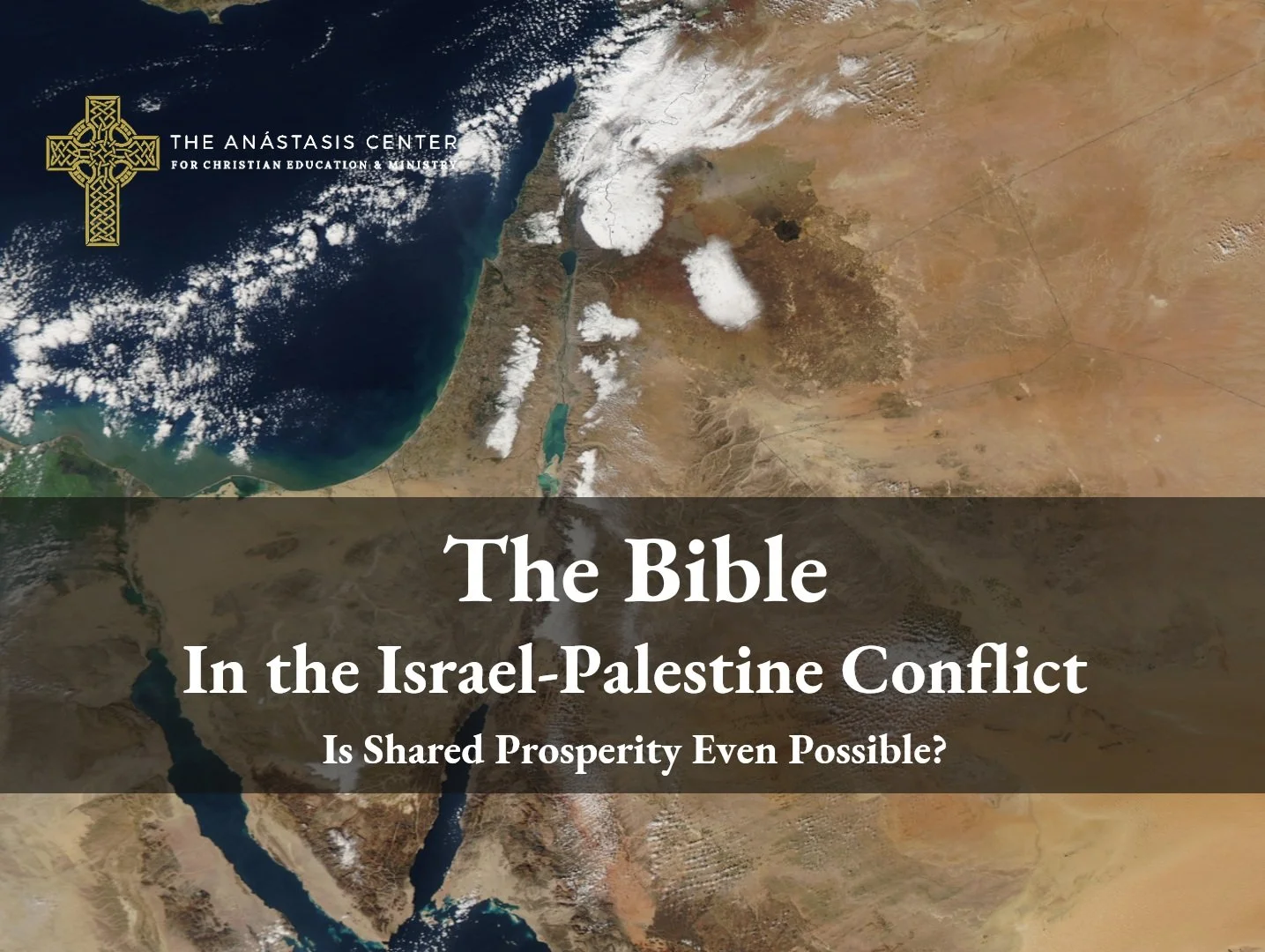
Photograph: Middle East after snow, December 2013. Photo credit: NASA space weather station.
This material below has been curated and incorporated into a four week class with Zoom-based discussion groups. Find out more and register through our Thinkific course site.
Introduction: The Bible in the Israel-Palestine Conflict
The Israel-Hamas War from October 2023 reignited old questions. Who “owns” the holy land? When Netanyahu calls Hamas “Amalekites,” does he mean a genocidal holy war? Is that what the Bible meant? Why did God have a chosen people and defend them from enemies? Does Israel need another temple? Why is Christian Zionism a Protestant phenomenon?

The Bible in the Israel-Palestine Conflict, Chapter 1: Land
Does someone “own” the Holy Land? Most people rely on claims about the past: who has more right to settle the land now, based on a claim about being in the land first, or for most of the time, or in 1948 when the modern State of Israel was constituted, or in 1967 when the Six Day War was fought. Some people make historical claims using the Bible. Some people make historical claims about who suffered most, and who deserves a peaceful homeland. Claims about the past, however, tend to be not just selective, but quite exclusive. But the Bible itself does not always look to the past, but to the future.

The Bible in the Israel-Palestine Conflict, Chapter 2: Enemies
Israeli Prime Minister Benjamin Netanyahu calls Hamas “Amalekites.” He deploys this trope from the Bible as a justification for pursuing a policy of full extermination of Hamas, *which is not what the biblical text meant*. Nevertheless, Netanyahu has clung to power as Prime Minister, striking an ironic and troubling similarity to the biblical King Saul, who also wanted to remain in power after toying with the life of King Agag and then offering to kill him when challenged. Seen in this light, Netanyahu’s appropriation of the biblical “Amalekites” for this purpose is highly self-serving, dubious, inappropriate, and yet strangely confessional and self-revealing.
Why did God create ancient Israel to begin with? And why did God protect and defend them? What happened to those people who died?
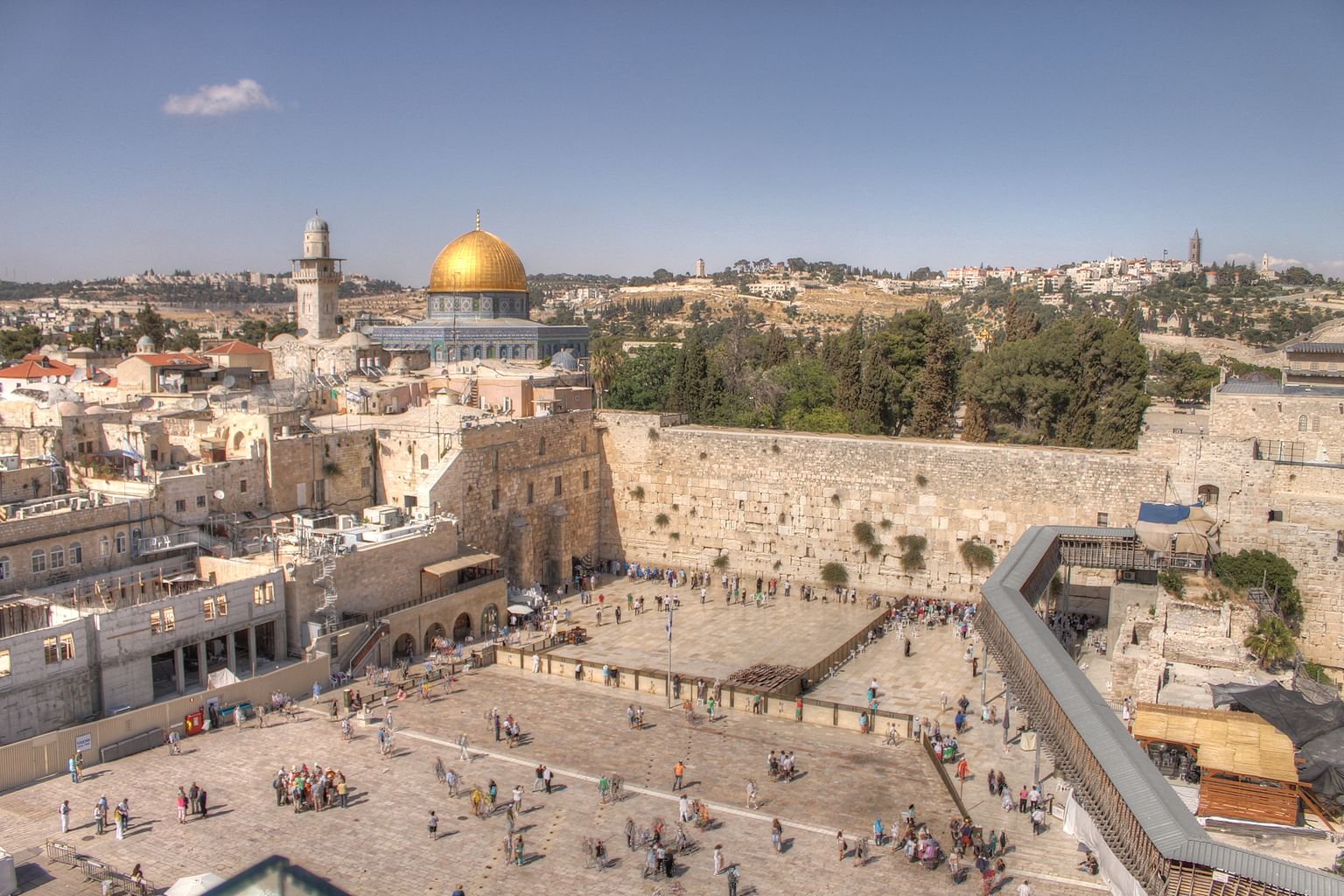
The Bible in the Israel-Palestine Conflict, Chapter 3: Temple
In the Hebrew Bible / Old Testament, the Jewish temple was and is thought to be a particular reversal of the exile because it was a meeting between heaven and earth, a point of special reunion between God the Creator and the creation He made. As such, human beings had special responsibilities regarding the temple, at the temple, and towards the temple.
Should Christians help the State of Israel build the “third temple” in Jerusalem? We do not think so. And if the opposite of the temple-presence of God is “exile,” what does it mean to embrace an ethics of exile and pilgrimage?
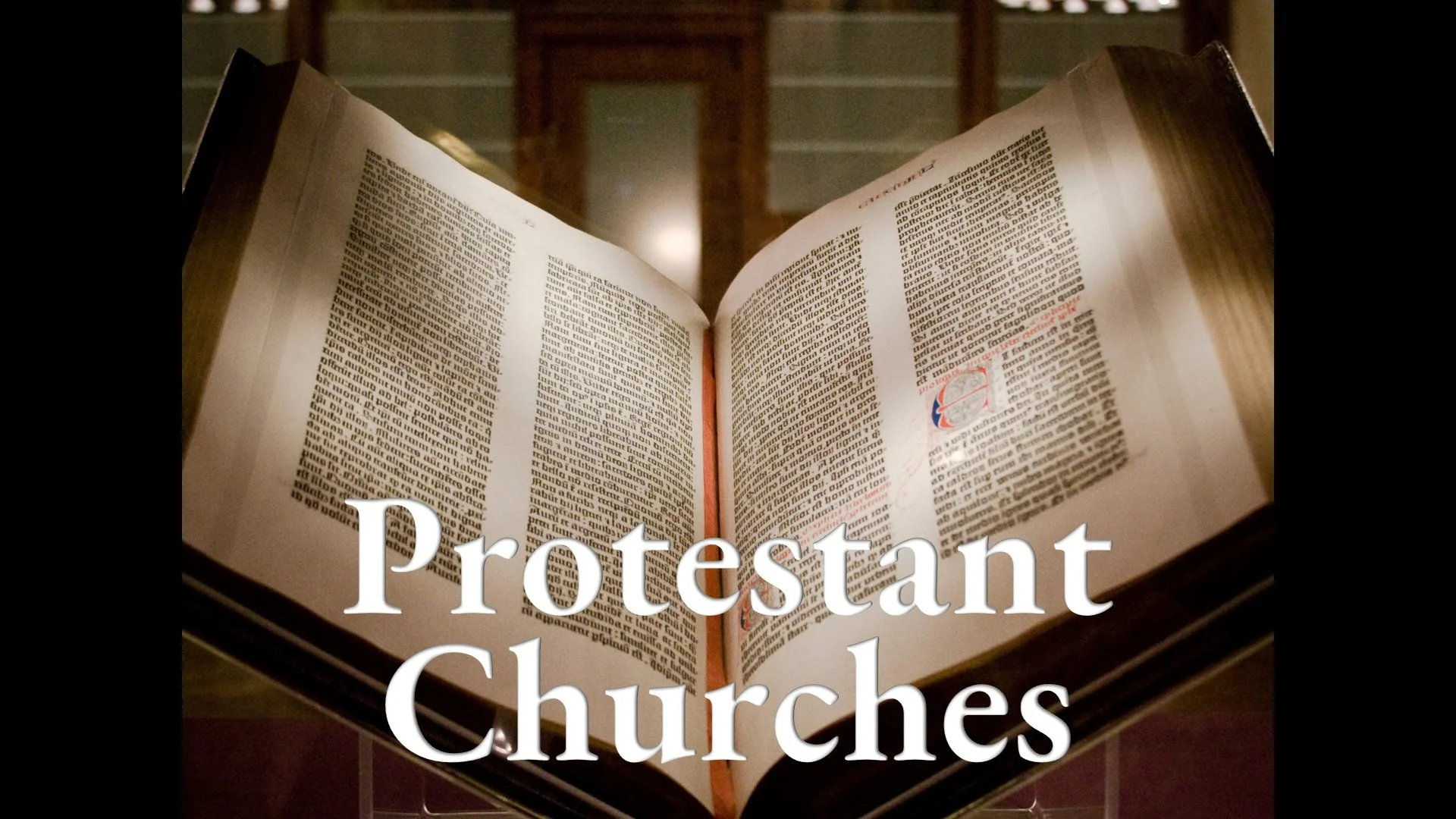
The Bible in the Israel-Palestine Conflict, Chapter 4: Protestantism
Why did Christian Zionism generally and dispensationalism specifically arise from Protestants as opposed to Orthodox and Catholic communities, and why are these views sustained and funded by Protestants? Military power in the UK and US, sure.
But Protestant Zionist understandings of Israel preceded both imperial and even domestic power. German Protestant Reformers beginning in 1526 interpreted the apostle Paul’s hope that “all Israel will be saved” to mean that the Jewish people will return to the holy land. While other Reformers such as Martin Luther and Ulrich Zwingli rejected this exegesis, Calvin’s successor Theodore Beza (1519 - 1605) taught it during his long tenure as a teaching faculty, Peter Martyr’s 1568 Commentary on Romans helped disseminate it to the English-speaking world, and the idea took hold among many English and American Puritans. This notion was connected with the geopolitical aspiration that the Muslim Ottoman Empire, which had conquered Christian Constantinople in 1453 and established itself in “Europe,” would be brought low. This relationship between Zionism and anti-Islamic geopolitics is not by happenstance.
How did Protestant biblical interpretation fuel Protestant Christian Zionism?
The Church in the Middle East: Topics:
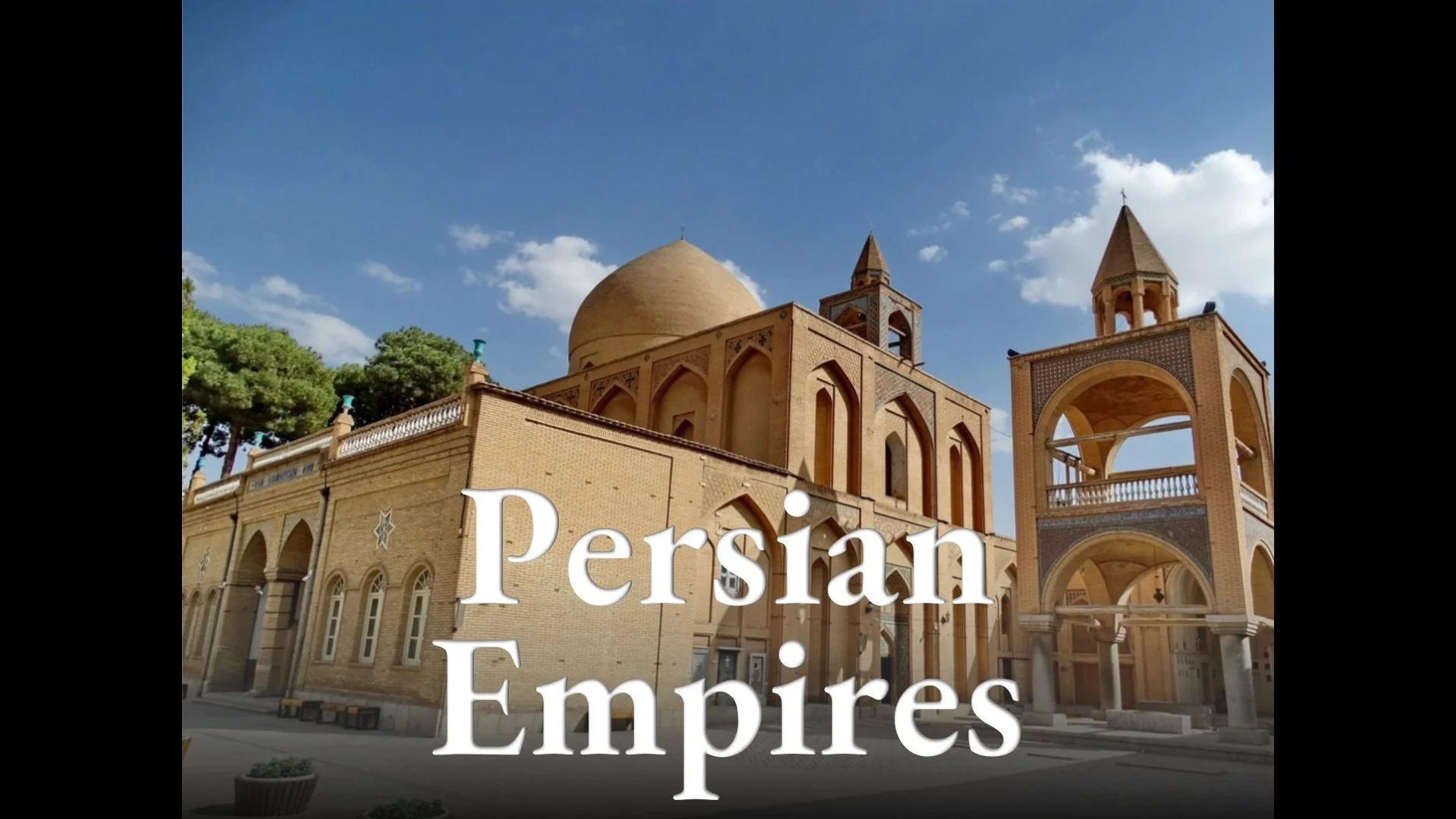
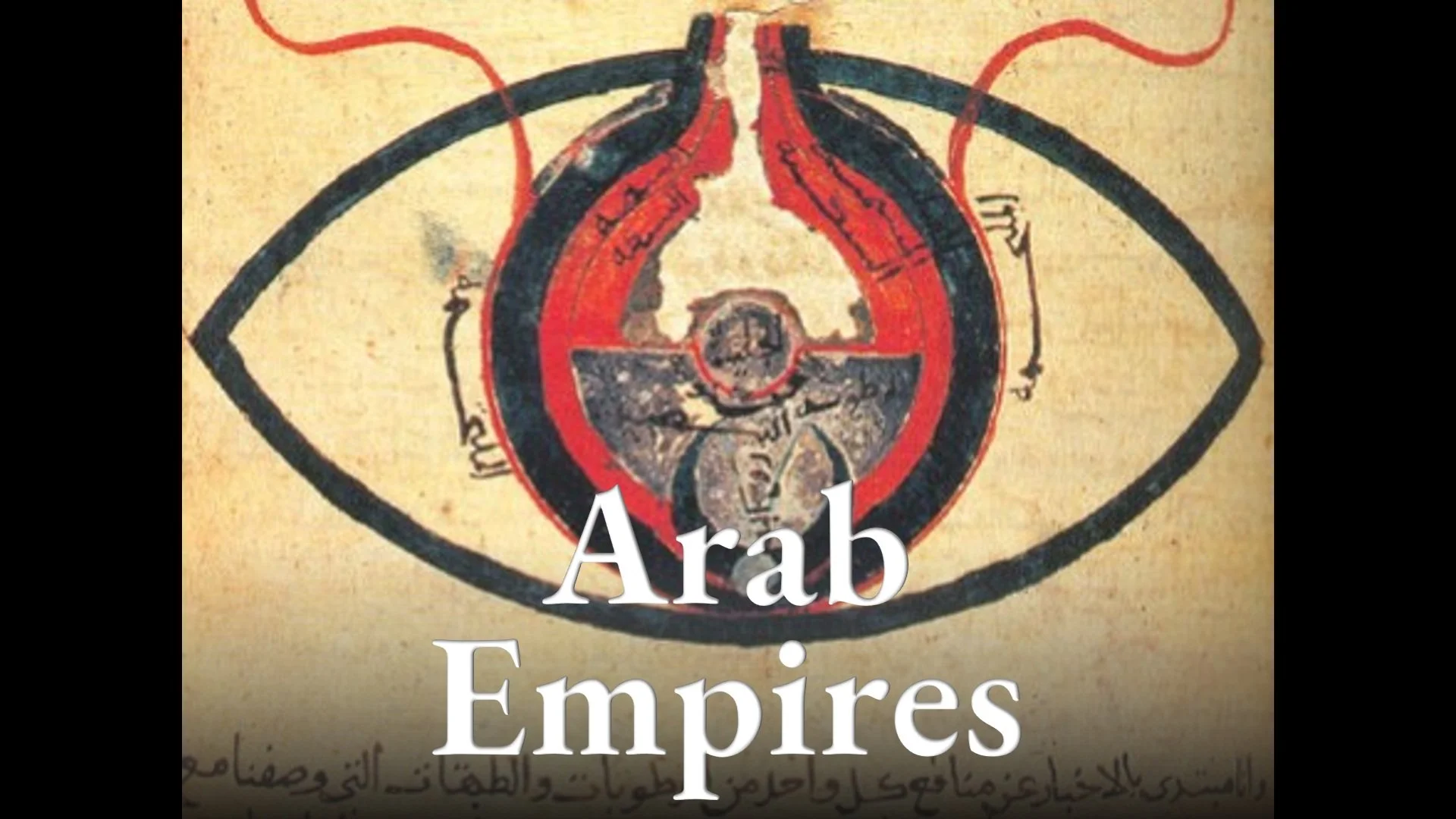
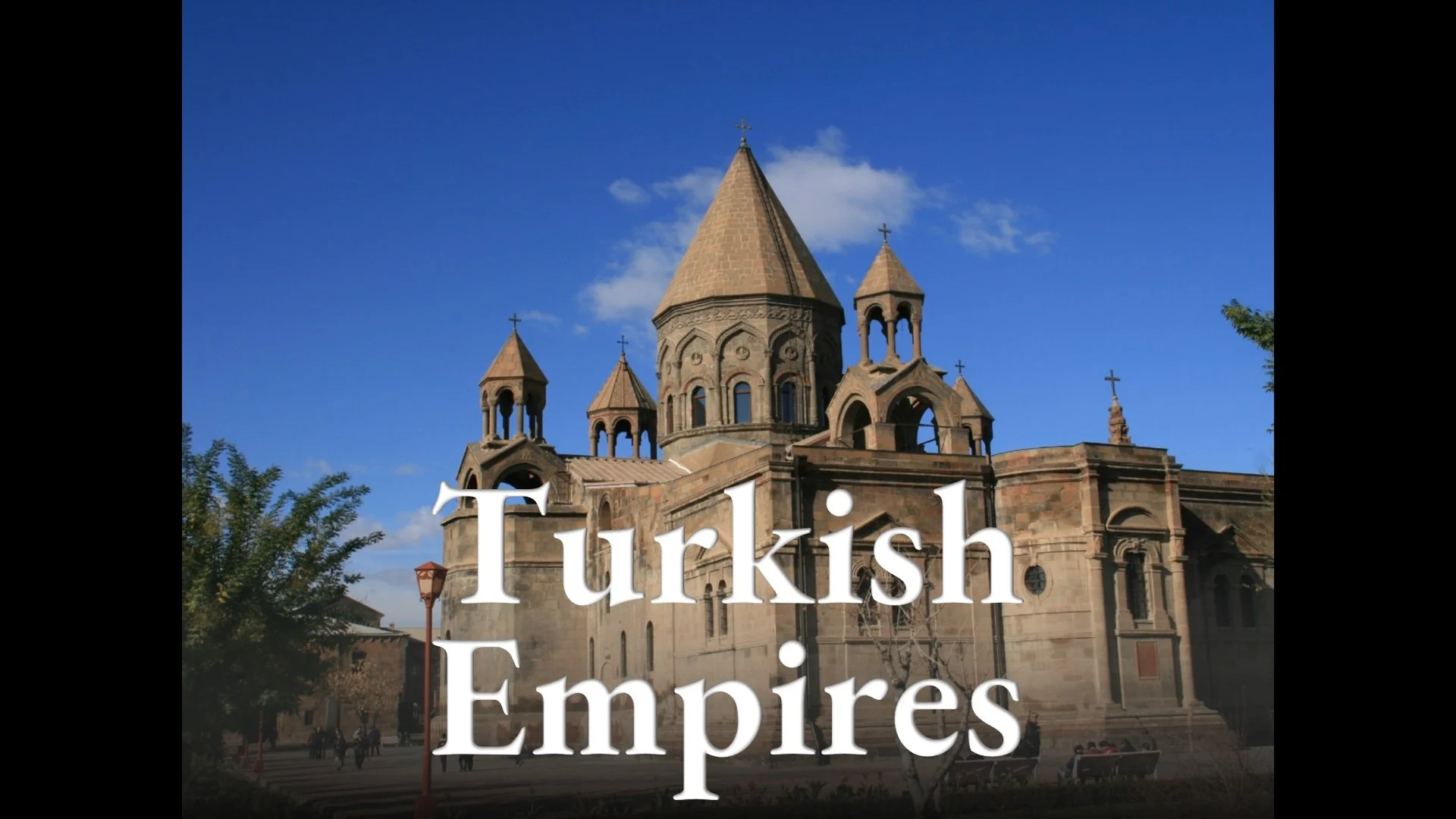
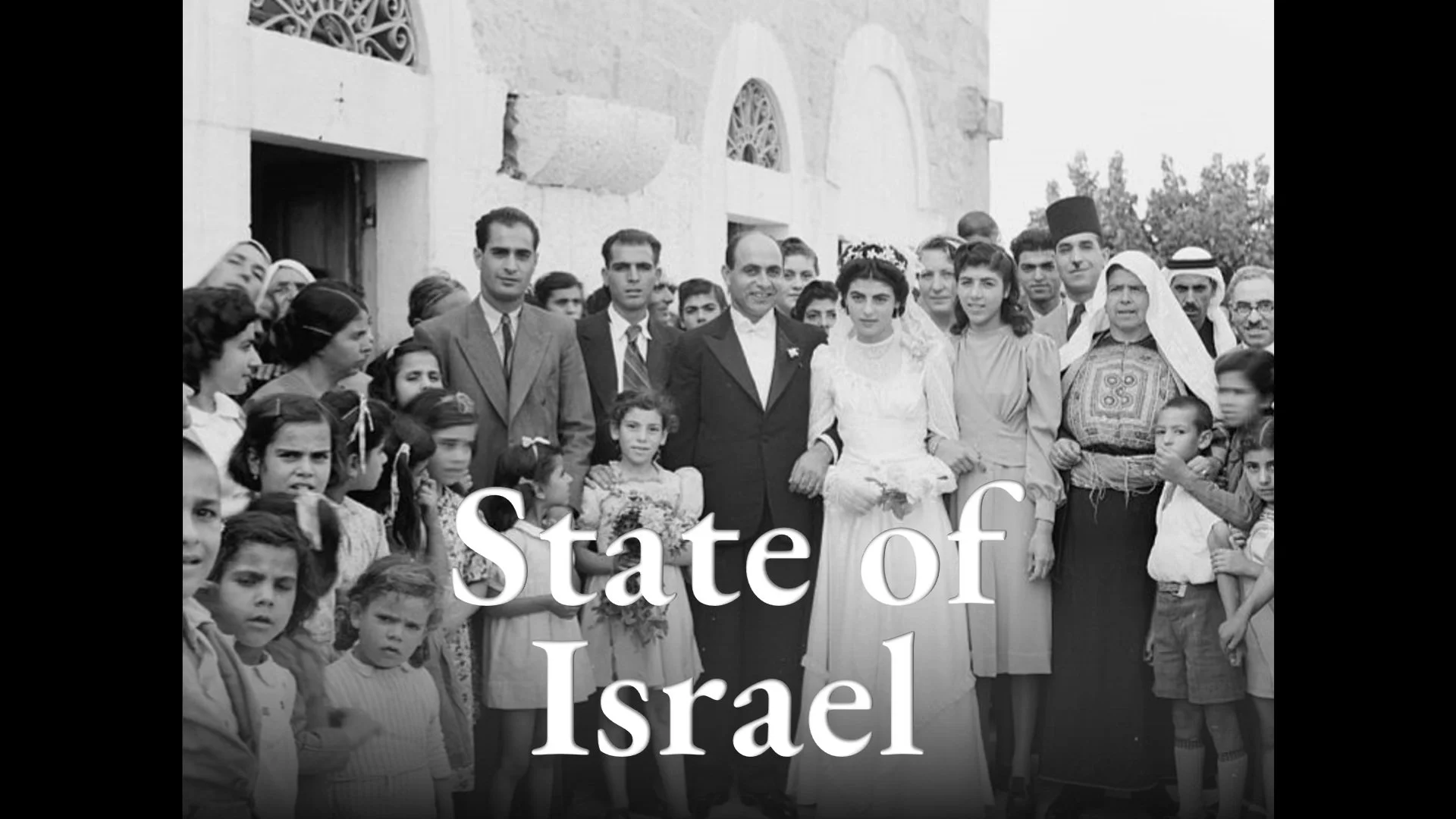
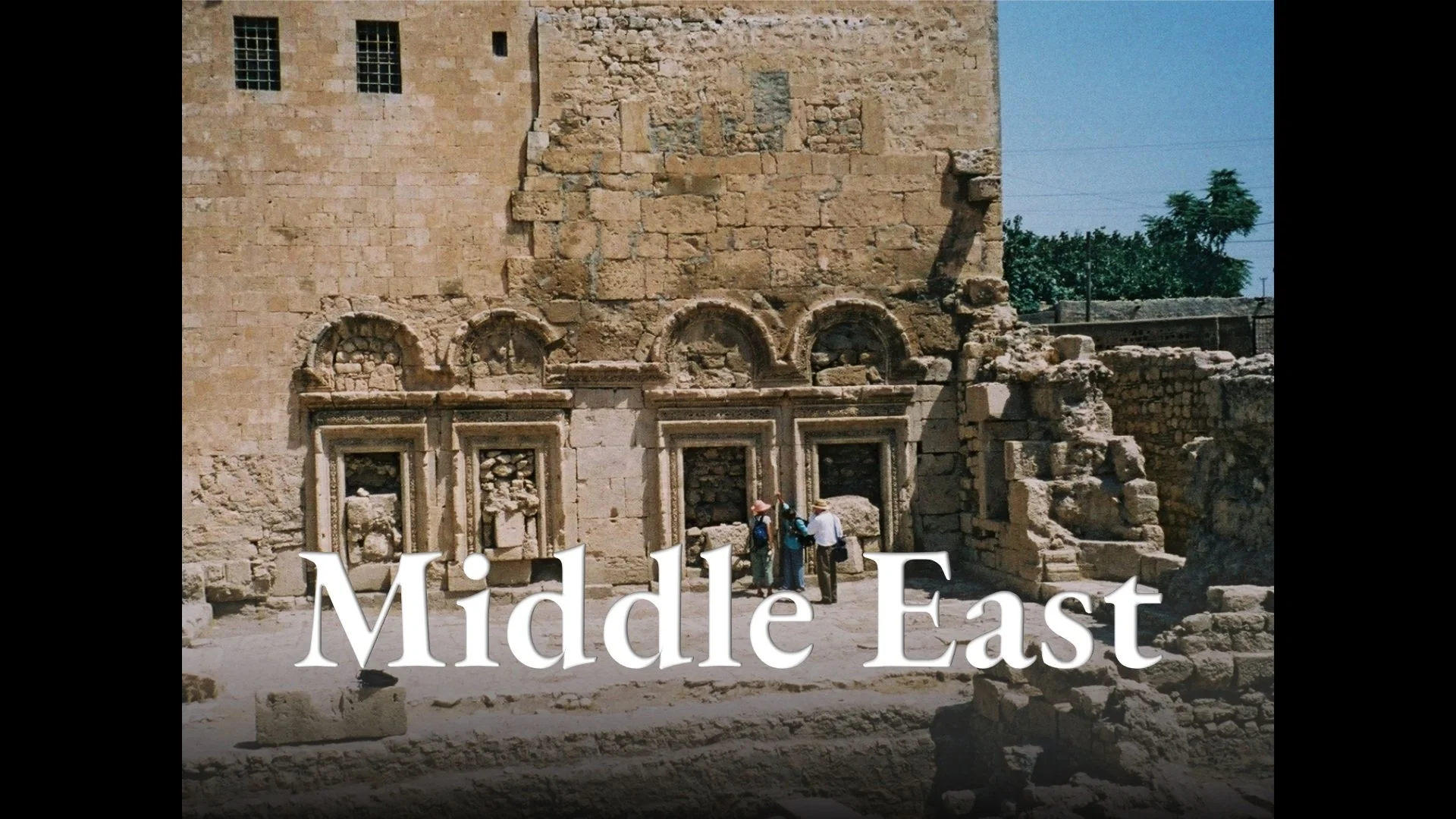
This page is part of our section of Church and Empire which explores the experience and activities of Christians under various regimes in the Middle East: Persian, Arab, Turkish, and the State of Israel.
Church and Empire: Topics:
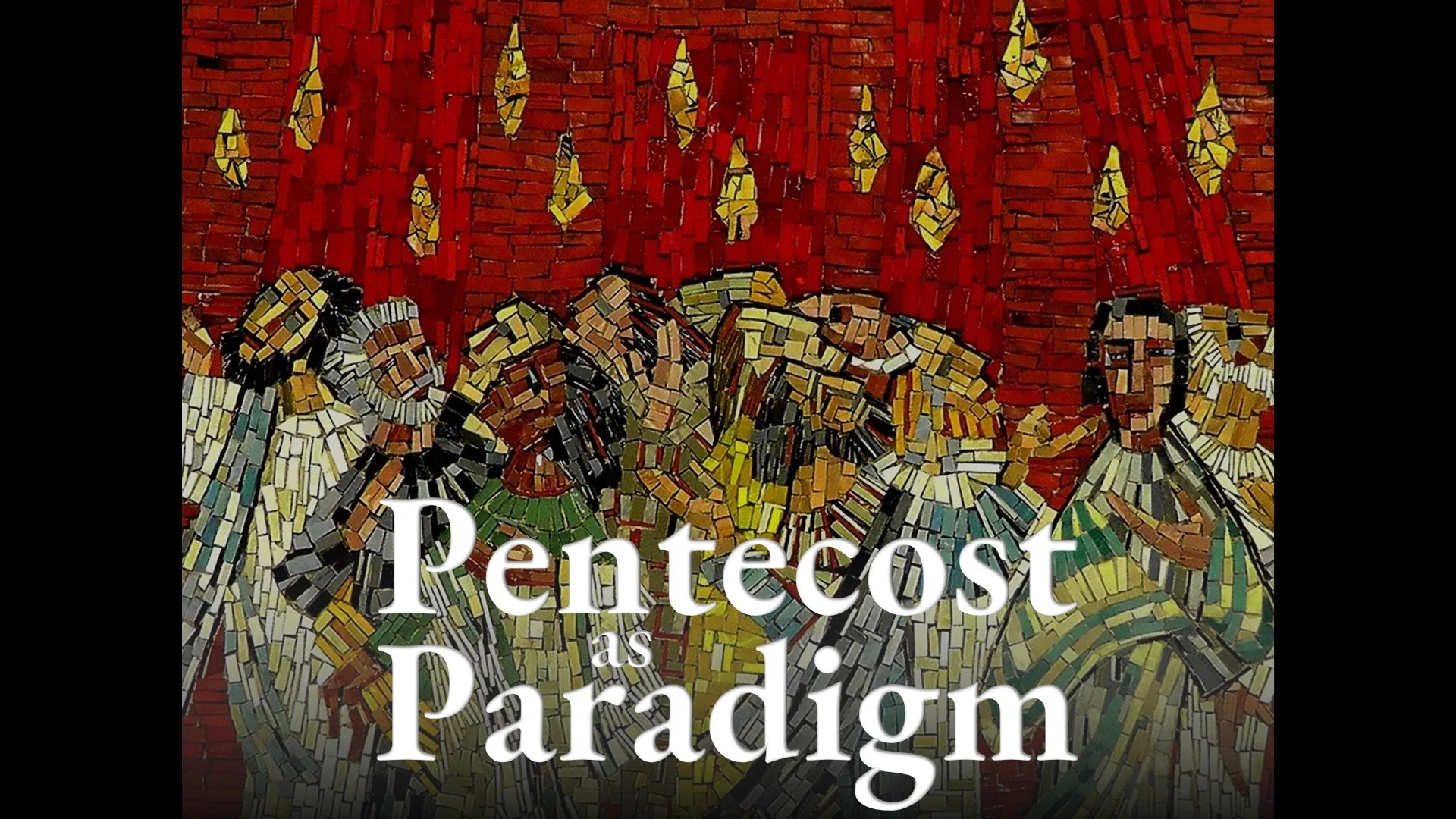
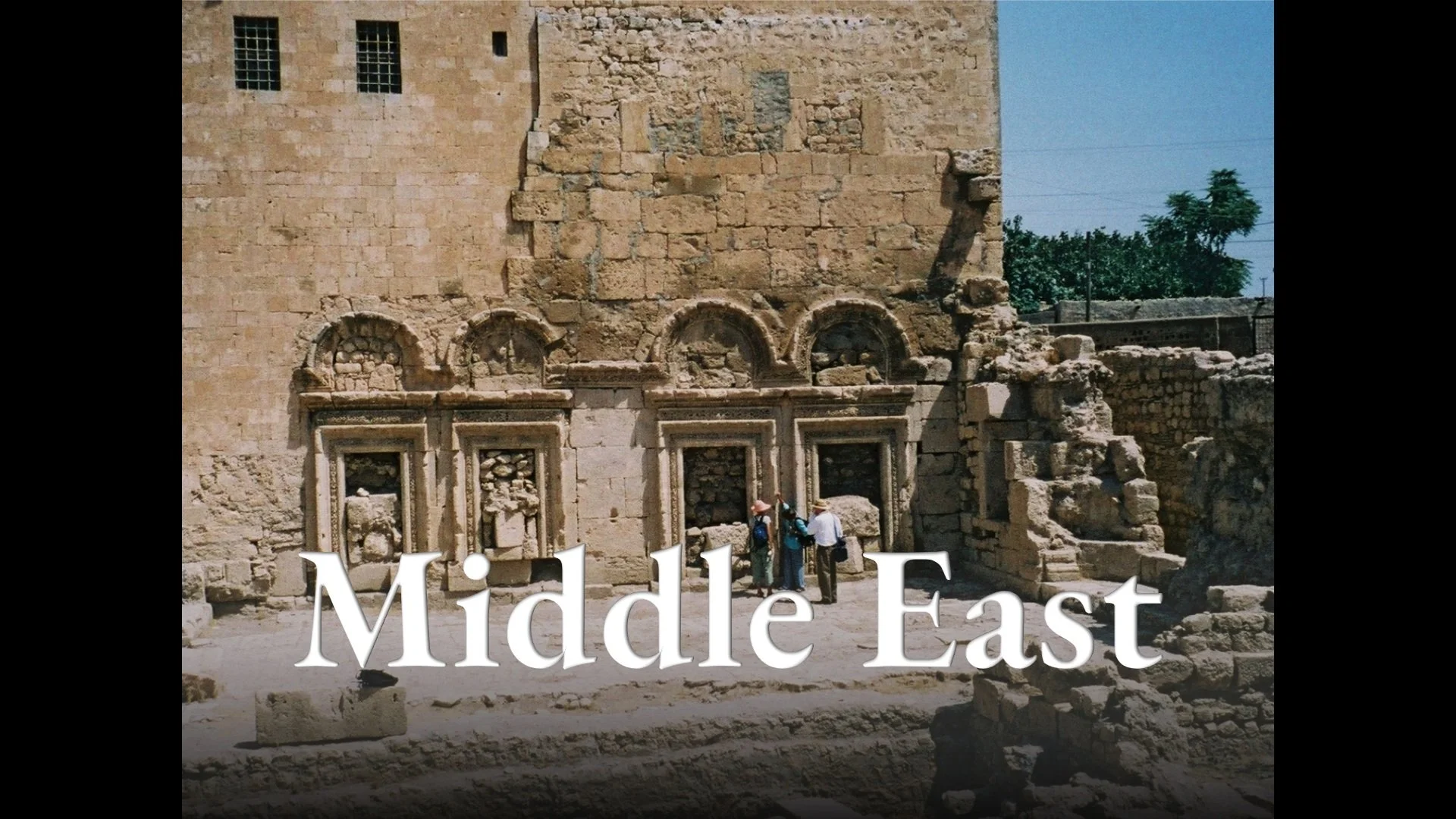
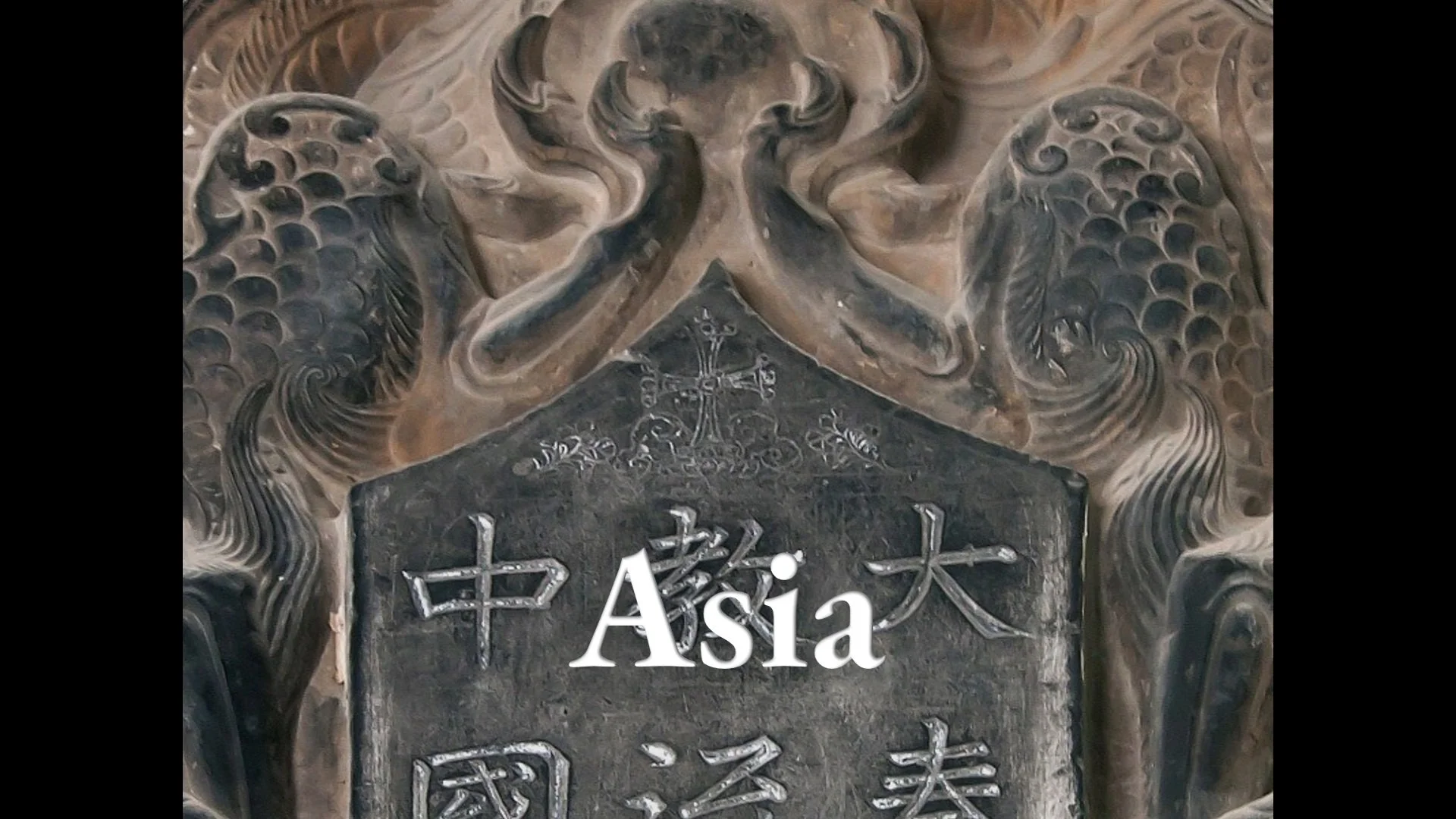
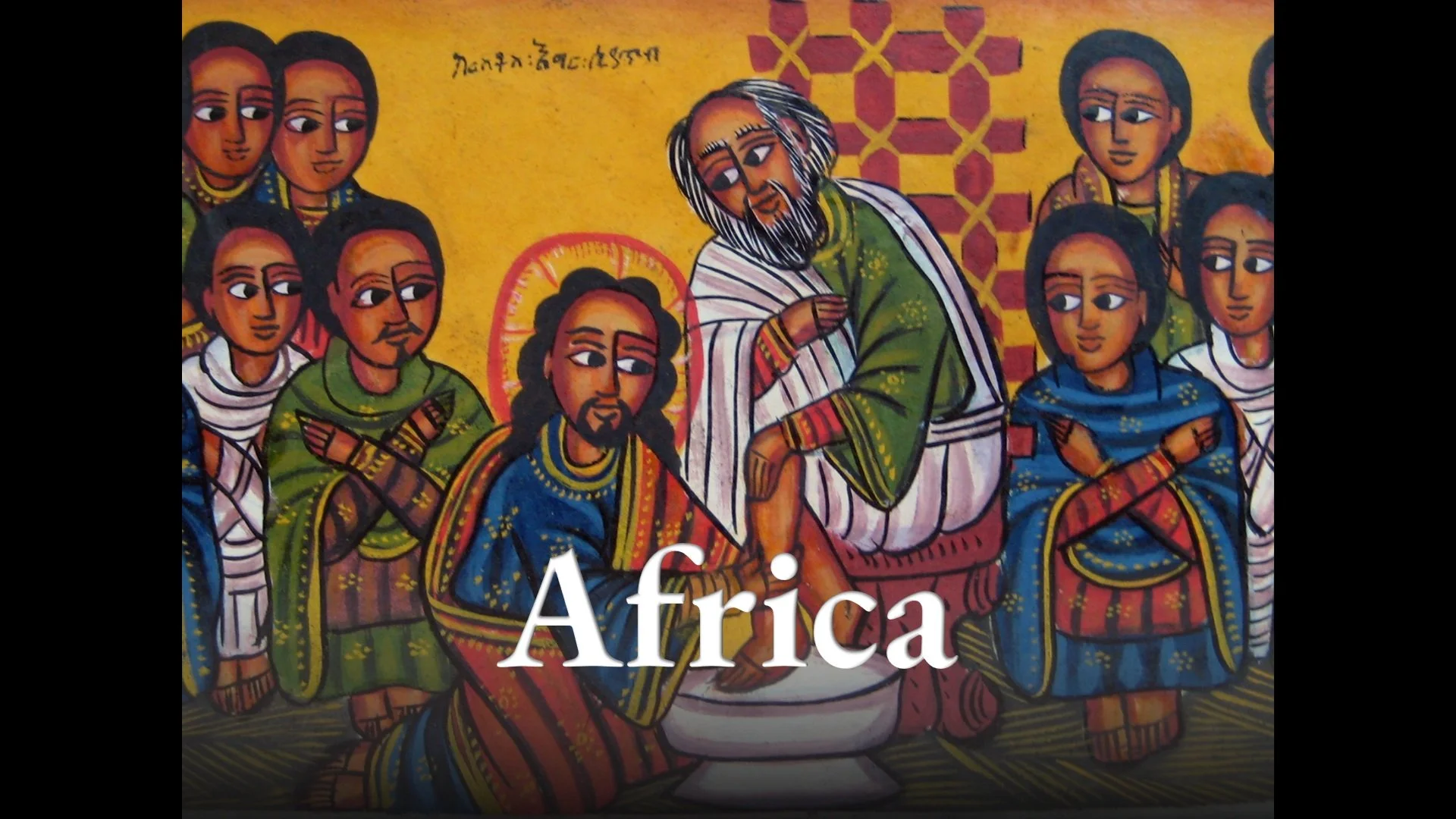
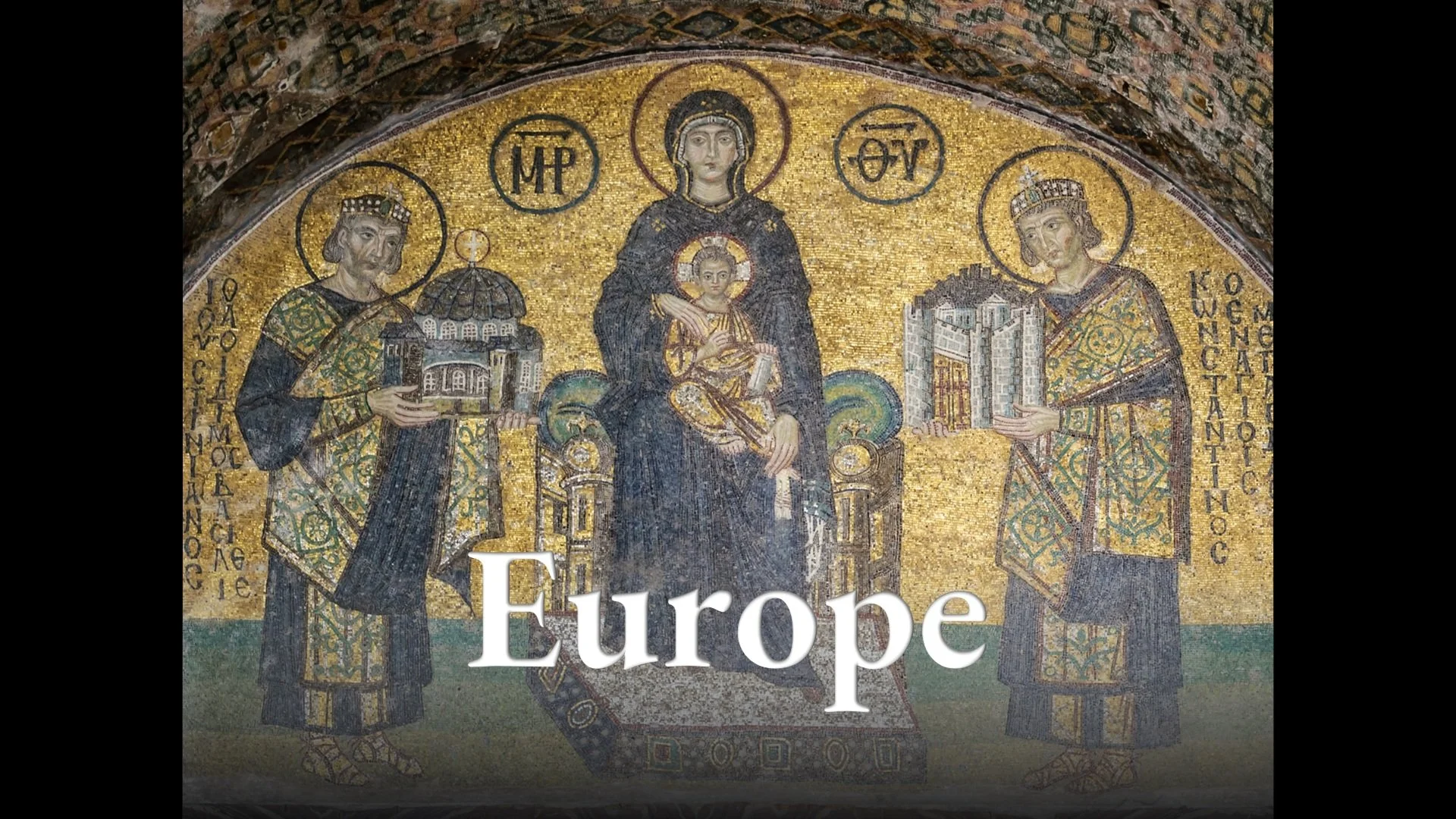
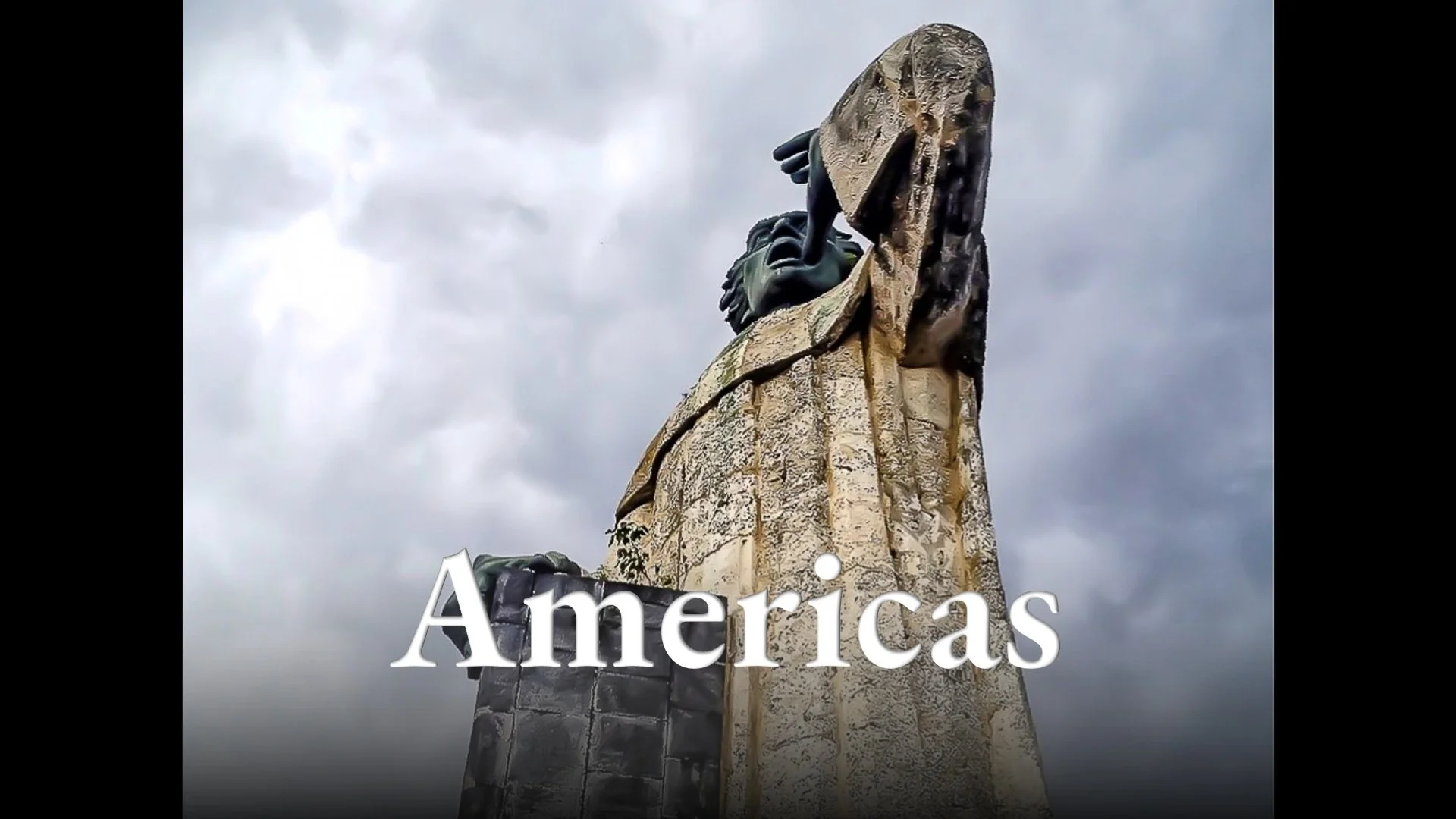
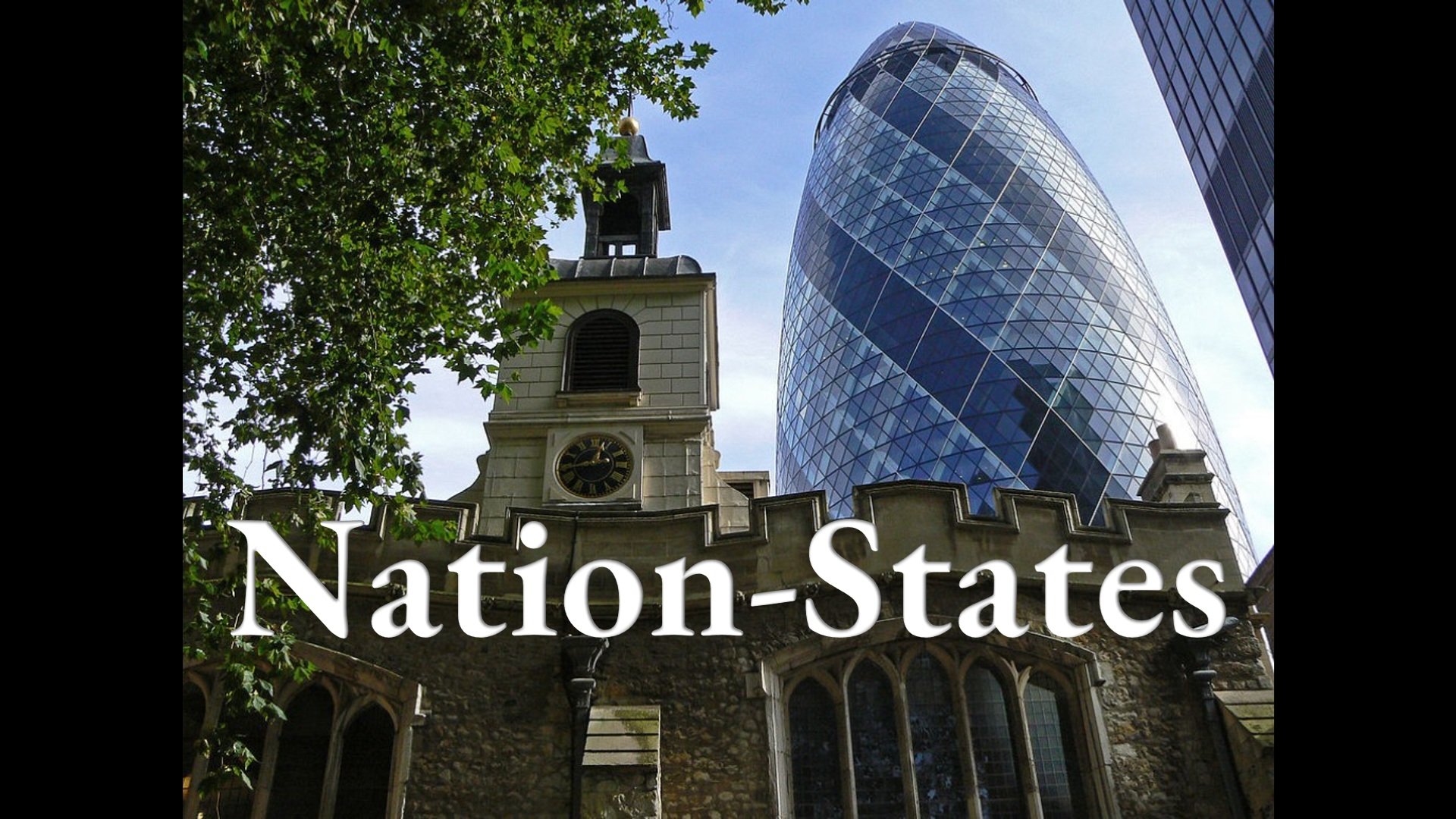
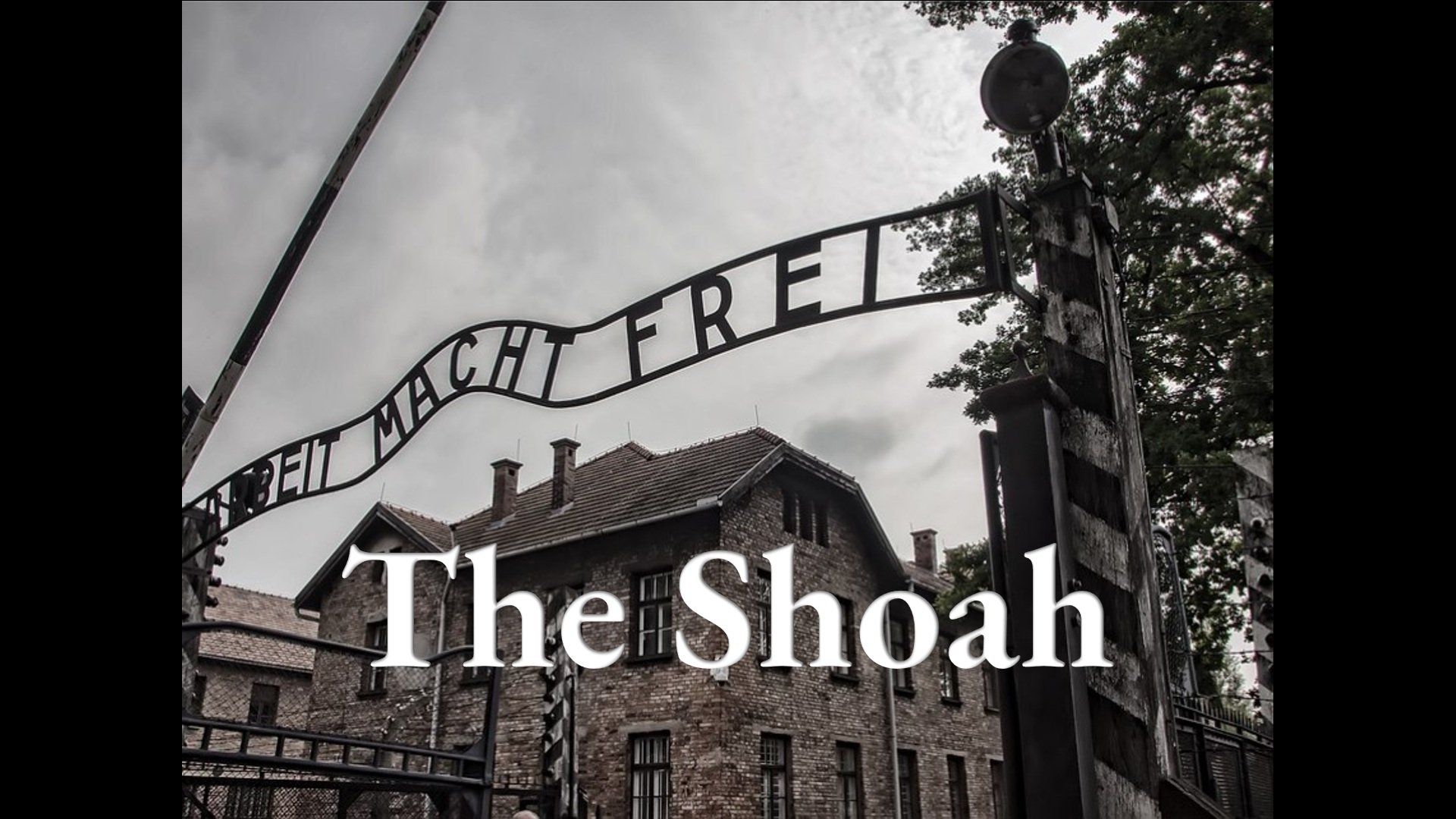
This page is part of our section on Church and Empire. These resources begin with a biblical exposition of Empire in Church and Empire and the meaning of Pentecost in Pentecost as Paradigm for Christianity and Cultures, then grouped by region: Middle East, Asia, Africa, Europe, Americas, then Nation-State, with special attention given to The Shoah of Nazi Germany.