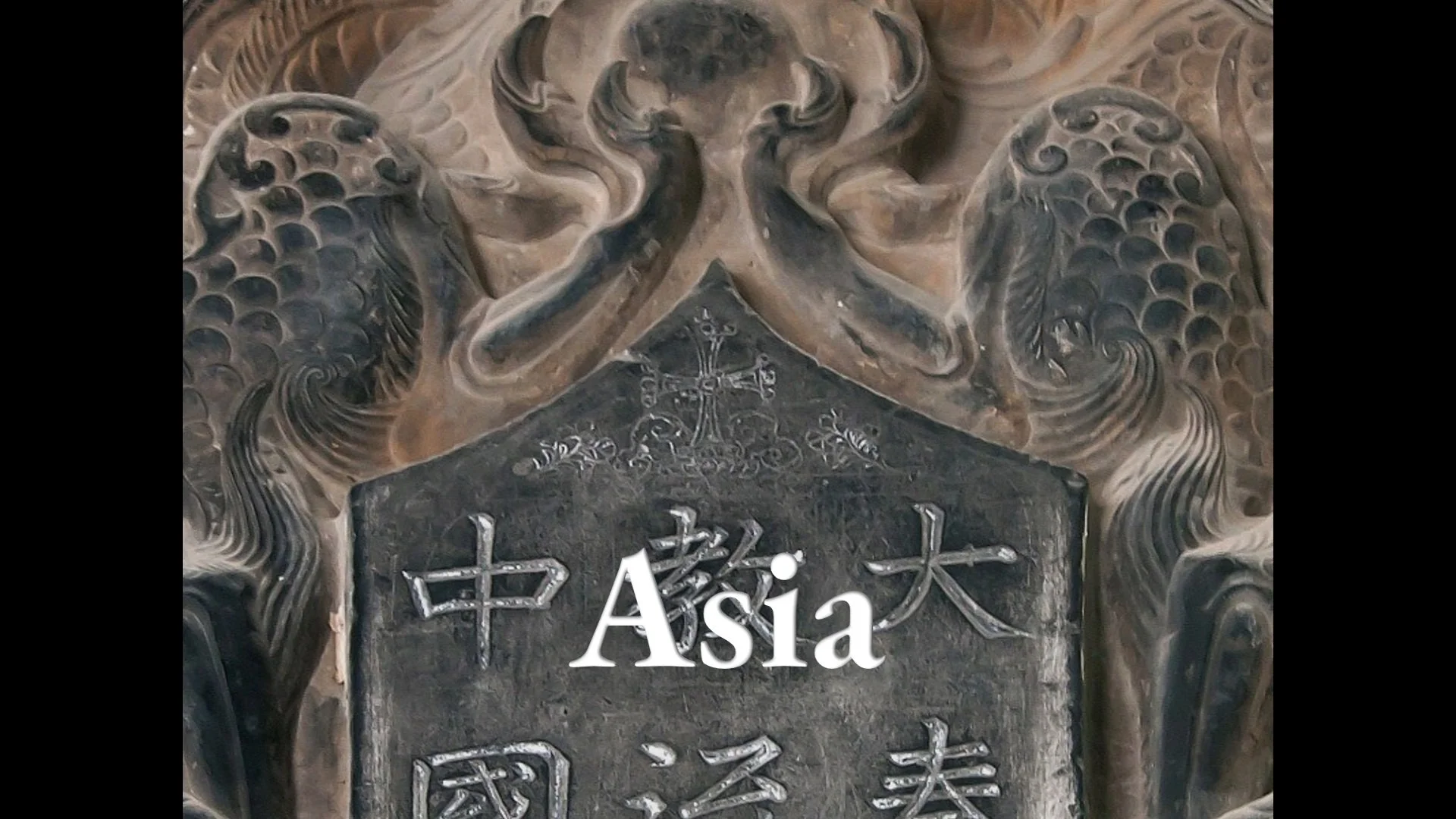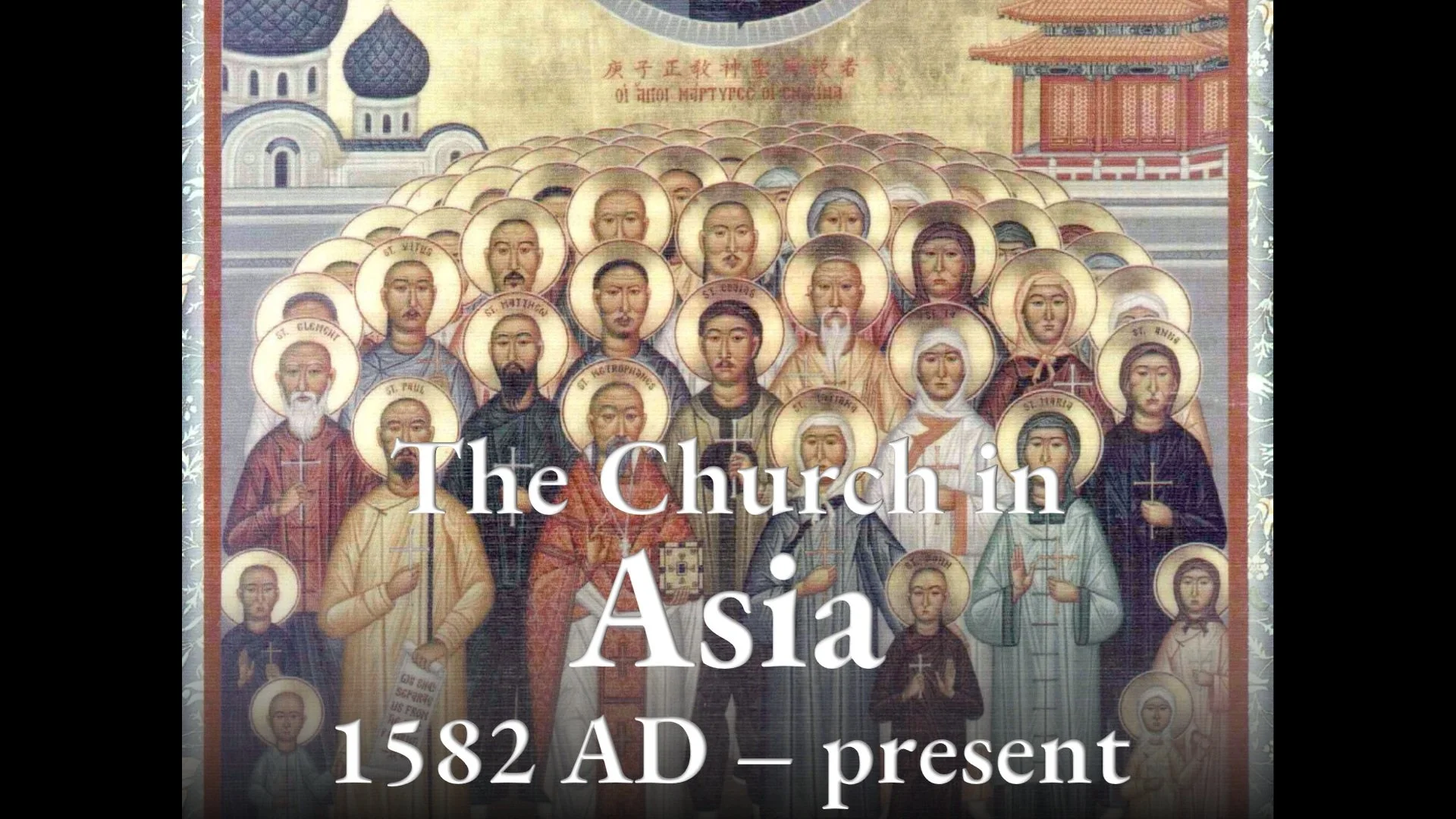
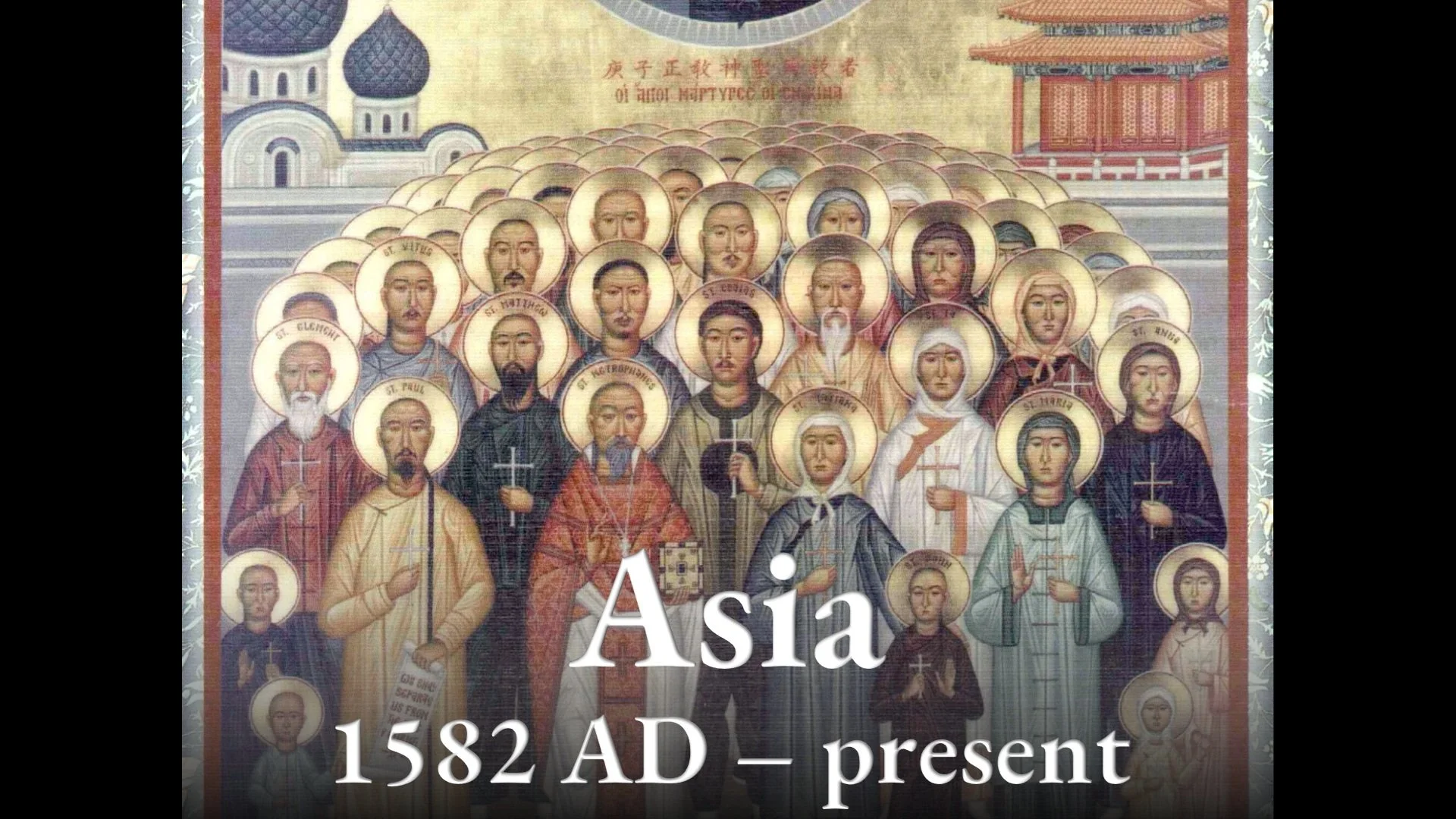
Photograph: Icon of the Catholic and Orthodox Christians martyred in China in the Boxer Rebellion (1899-1901). Photo credit: Holy Transfiguration Monastery in Brookline, Massachusetts. The year 1582 AD is significant because Jesuit missionary Matteo Ricci arrived in the Portuguese colony of Macau to begin Catholic missionary work in China. Meanwhile, the Mongol kingdoms were in decline. Prior to 1582, the Church of the East and the Oriental Orthodox Churches were present in Asia.
Introduction
The selection of perspectives on church history in this section — Church and Empire — has been guided by three factors: (1) to demonstrate that Christianity has not been a “white man’s religion”; (2) the study of empire as a recurring motif in Scripture by recent biblical studies scholars; and (3) explorations of biblical Christian ethics on issues of power and polity, to understand how Christians were faithful to Christ or not. Christian relational ethics continues a Christian theological anthropology that began with reflection on the human nature of Jesus, and the human experience of biblical Israel.
This page explores how Christians related to political power in Asia after 1582.
Messages and Resources
The Role of Jesus in Revolution and the Pursuit of Justice
An evangelistic message that highlights the Christian-led and Christian-influenced non-violent resistance movements throughout the world in the 20th century. They show the connections and spiritual vitality of Christian faith under empire or empire-like oppression. Highlights the Korean Independence Movement against Imperial Japan, the Indian Independence Movement against Imperial Britain, and the Filipino People Power Movement against the U.S.-backed dictator Ferdinand Marcos.
Jesus in the Chinese & Chinese-American Experience (ppt)
Jesus in the Filipino & Filipino-American Experience (ppt)
Jesus in the Indian & Indian-American Experience (tbd)
Jesus in the Japanese & Japanese-American Experience
Jesus in the Korean & Korean-American Experience
Jesus in the Vietnamese & Vietnamese-American Experience
The Impact of Jesus in Asia: Monologues of Asian Christians
Jesus in Asian-America: A Call to Mission
Christian Faith in Asia and Asian-America: Filipino, Korean, Chinese
Reflections on the Japanese Theology of Jesus' Suffering (TBD)
How Jesus Atones for My Shame (Honor-Shame blog, Nov 11, 2015)
A short summary of the presentation below
Why Penal Substitution Damages Asian-Americans
A presentation contrasting guilt-oriented and shame-oriented persons, and how they tend to interact with two different atonement theories: penal substitution and medical substitution. See the Atonement section for more resources and explanations.
Medical Substitutionary Atonement, Personal Healing, and Social Justice
A presentation given at the Honor-Shame Conference 2017, a gathering of missionaries, scholars, and ministry practitioners, and short Youtube video (4.5 min)
Stories and Spirituality: How the God Engages Human Evil
A comparison of three different views, in table format: transcend it mentally, heal human nature, or external laws
Stories and Spirituality: About How the God Relates to Us
A comparison of three different views, in table format: full contact pantheism, centered point of contact in a human being, no point of contact
-
The Church of the East 431 AD resources exploring the Syriac-speaking church that is sometimes seen through the lens of Nestorius, a characterization which has been recently challenged
The Oriental Orthodox Church 451 AD resources exploring the churches which upheld the Miaphysite language of Jesus’ one “physis” while the pro-Chalcedonian Churches (Constantinople and Rome) upheld two “physeis.” The selections below are guided by the attempt to understand the schism that occurred at the Council of Chalcedon in 451 AD. This includes the Egyptian Coptic, Armenian, Syrian, Ethiopian, Eritrean, and Indian Malankaran Churches.
Singapore National Heritage Board, Christianity in Asia: Sacred Art and Visual Splendour (Google Arts and Culture) a beautiful collection of Christian art from Asia; see also Christianity in Asia: Sacred Art and Visual Splendour (Asian Civilisations Museum, Singapore) now a series of YouTube videos presented by the Museum
HonorShame (website) resources for Majority World ministry
Inheritance: The Intersection of Faith and Culture (website)
Samuel Hugh Moffett, A History of Christianity in Asia, Volume 1. Orbis Books | Amazon page, Apr 1998. and Volume 2. Orbis Books | Amazon page, Mar 2005.
Paul Freston, Evangelicals and Politics in Asia, Africa, and Latin America. Cambridge University Press | Amazon page, 2001, 2003.
Philip Jenkins, The Lost History of Christianity: The Thousand-Year Golden Age of the Church in the Middle East, Africa, and Asia-and How It Died. HarperOne | Amazon page, Nov 3, 2009.
David Halloran Lumsdaine, Evangelical Christianity and Democracy in Asia. Oxford University Press | Amazon page, 2009.
Aziz Atiya, History of Eastern Christianity. Gorgias Press | Amazon page, Jan 1, 2010. Atiya is a Coptic Christian; he surveys Copts and Ethiopians, along with other Oriental Orthodox Churches in Asia: Syrians, Nestorians, Armenians, and Indians.
Peter C. Phan, Christianities in Asia. Wiley-Blackwell | Amazon page, 2011.
Scott W. Sunquist, Explorations in Asian Christianity: History, Theology, and Mission. InterVarsity Press | Amazon page, May 23, 2017.
-
Daniel H. Bays, Christianity in China: From the Eighteenth Century to the Present. Stanford University Press | Amazon page, 1999.
Wikipedia, Li Tim-Oi (1907 - 1999) the first woman to be ordained an Anglican priest, in Macau in 194
Hieromonk Damascene, Christ the Eternal Tao. St. Herman of Alaska Press | Amazon page, 2004.
Hieromonk Damascene, Ancient Chinese People in Light of the Book of Genesis. OMHKSEA, June 2004. Damascene examines the parallels between Chinese ancient literature, characters, and beliefs with Genesis.
Liao Yiwu, God Is Red: The Secret Story of How Christianity Survived and Flourished in Communist China. HarperOne | Amazon page, 2011.
Daniel H. Bays, A New History of Christianity in China. Wiley-Blackwell | Amazon page, 2012.
Ian Johnson, The Brave Catholics of China. The New York Review of Books, Mar 6, 2014.
Timothy C. Morgan, China Frees Gao Zhisheng: Top 10 Lawyer Now Country's Persecuted Conscience. Christianity Today, Aug 7, 2014.
Justin Tse, It Has Always Been Students and Clergy and Catholic Social Teaching - Hong Kong Protests. blog, Sep 29, 2014.
Jack Jenkins, Why Christians Are Helping Lead Hong Kong's Pro-Democracy Movement. Think Progress, Oct 12, 2014. See also Matthew Bell, Christian Take a Prominent Role in Hong Kong Protests. PRI, Oct 12, 2014.
Ian Johnson, China’s Unstoppable Lawyers: An Interview with Teng Biao. New York Review of Books, Oct 19, 2014.
Wenzhou, Religion in China: Cracks in the Atheist Edifice. Economist, Nov 1, 2014.
Emily Anderson, Christianity and Imperialism in Modern Japan: Empire for God. Bloomsbury Academic | Amazon page, Dec 2014.
Melanie Kirkpatrick, Chen Guangcheng, the Voice of China's Voiceless The 'Blind Lawyer' Recounts His Fight Against Communism's Corruptions. Christianity Today, Mar 20, 2015.
Initium Media, The Work of Lawyer Zhang Kai: ‘I Have God as My Backer’. China Change, Aug 31, 2015.
Justin Tse, By Participating in the Umbrella Movement, the Eastern Catholic Church’s Gutsyness Inspired Vancouver’s Younger Chinese Evangelicals. Patheos, Dec 16, 2016.
Li Ma and Jin Li, Surviving the State, Remaking the Church: A Sociological Portrait of Christians in Mainland China (Studies in Chinese Christianity). Pickwick Publications | Amazon page, Dec 11, 2017. See book review by Wang Jun and Richard Cook, The Shaping of Christianity in China Today. China Source, Jun 11, 2018.
Javier C. Hernandez, With Hymns and Prayers, Christians Help Drive Hong Kong’s Protests. New York Times, Jun 19, 2019. “Christianity has had a striking influence in demonstrations against a proposed law that would allow extraditions to mainland China.”
Michael Reneau and Angela Lu Fulton, How Faith Has Propelled Hong Kong’s Freedom Fighters. The Dispatch, Nov 24, 2024. “China continues its crackdown on pro-democracy dissidents, but they have a longer view.”
Man-Hei Yip, A Church in Diaspora: Hope Takes Flight in the Liminal Space. Imagine Otherwise | Center for Asian-American Christianity, Princeton Seminary, Oct 31, 2025.
-
Vinod Shah, What Motivated the Early Christian Health Missions? Anatomy of Transformation in India (presentation, May 29, 2005)
Susan Billington Harper, In the Shadow of the Mahatma: Bishop V. S. Azariah and the Travails of Christianity in British India (Studies in the History of Christian Missions. Eerdmans | Amazon page, Feb 11, 2009. See also Wikipedia, Vedanayagam Samuel Azariah (Wikipedia article) about the Anglican bishop in India who was called "enemy number one" by Gandhi
Chandran Nair, There’s a Place in India Where Religions Coexist Beautifully and Gender Equality Is Unmatched. Huffington Post, Apr 6, 2016. Nair discusses the history of Kerala, India.
Sonja Thomas, Caste as a Protected Category in Indian Christianity. Public Orthodoxy, Nov 4, 2021. More background and application to the U.S. via immigration in Vidya Krishnan, The Casteism I See in America. The Atlantic, Nov 6, 2021. “A raft of evidence shows that caste discrimination has been imported from India to the United States.”
Ajay Kamalakaran, An Ethiopian Emperor’s Special Kerala Connection. Onmanorama, Nov 1, 2021. Kamalakaran discusses Oriental Orthodoxy and the connection between Ethiopia and India via Haile Selassie and Paul Verghese.
Fiel Sahir, Standing in Solidarity with St. Thomas Christians. Imagine Otherwise | Center for Asian American Christianity, Jul 11, 2025. “The Power of Sharing Stories from South Asia and Beyond.”
-
Wikipedia, The Twenty Six Martyrs of Japan (Wikipedia article) at Nagasaki, 1622
Uwe Siemon-Netto, J.S. Bach in Japan. First Things, Jun 2000.
Galina Besstremyannaya and Saint Herman of Alaska Brotherhood, Saint Nicholas of Japan. Orthodox Christian, 2012. See also Paul Sawabe (Orthodox Wiki)
Bo Tao, The Peacemaking Efforts of a Reverse Missionary: Toyohiko Kagawa Before Pearl Harbor. International Bulletin of Missionary Research, Jul 2013. See also Susannah Black and Jason Landsel, Toyohiko Kagawa: Pacifist Patriot, Christian Socialist, Incendiary Peacemaker. Plough, Sep 13, 2021. See also Leroy Seat, Toyohiko Kagawa, Christian Evangelist and Labor Activist. Good Faith Media, Jul 12, 2013. For a partial bibliography of Kagawa’s writings, see Boston University School of Theology, Kagawa, Toyohiko (1888-1960): Japanese Evangelist and Social Movement Leader. Boston University School of Theology. This is an excerpt from Robert M. Fukada, “Kagawa, Toyohiko” in Biographical Dictionary of Christian Missions, ed. Gerald H. Anderson. Macmillan Reference USA, Amazon page, 1998.
Angela Ambrogetti, The Story of Japan's Hidden Christians Emerges from the Vatican Archives. Catholic News Agency, Sep 17, 2015.
William J. Farge, A Christian Samurai: The Trials of Baba Bunko. Catholic University of America Press | Amazon page, Apr 2016.
Jonathan Clements, Christ’s Samurai. Robinson | Amazon page, Apr 2017. See also Wikipedia, The Shimabara Rebellion (wikipedia article) from 1637 - 1638 consisting largely of Catholic peasants, leading to the prohibition against Christian faith.
Hannah G. Reynolds, Christian Resistance to Empire in Japan 1931-1945. This is ongoing research into a very important but understudied area: Japanese Christian resistance to their own government, especially during World War II. Last modified July 2022. See pdf copy.
John Dougill, In Search of Japan's Hidden Christians: A Story of Suppression, Secrecy and Survival. Tuttle Publishing | Amazon page, Sep 2022.
-
Robert E. Buswell Jr., Christianity in Korea. University of Hawaii Press | Amazon page, Dec 30, 2005.
Don Baker, Korean Spirituality. University of Hawaii Press | Amazon page, Apr 1, 2008.
Timothy S. Lee, Born Again: Evangelicalism in Korea. University of Hawaii Press | Amazon page, 2010.
Sung-Deuk Oak, The Making of Korean Christianity: Protestant Encounters with Korean Religions, 1876-1915. Baylor University Press | Amazon page, Sep 3, 2013.
Nicholas Harkness, Songs of Seoul: An Ethnography of Voice and Voicing in Christian South Korea. University of California Press | Amazon page, 2014.
Paul Chang, Protest Dialectics: State Repression and South Korea's Democracy Movement, 1970-1979. Stanford University Press | Amazon page, 2015. Chang highlights the role of Korean churches in the democracy movement of the 1970's
Reera Yoo, Jubilee Project Shines a Light on Seoul's Red-Light Districts. Reera Yoo blog, Mar 6, 2015.
-
Albert Sundararaj Walters, Issues in Christian-Muslim Relations: A Malaysian Christian Perspective. Islam and Christian-Muslim Relations, Jul 2, 2007.
Vincent Bevins, Christian Preachers' Disappearance in Malaysia Stokes Fears of Crackdown on Religious Minorities. The Guardian, Jun 6, 2017.
Southeast Asia Correspondent, Highest Court in Malaysia to Hear Appeal of Christian Converts from Islam. Morning Star News, Feb 23, 2018.
Morning Star News Southeast Asia Correspondent, Christians in Malaysia to Fight for Rights after Court Ruling on Conversion. Christian Headlines, Feb 28, 2018.
-
The Church of the East 431 AD resources exploring the Syriac-speaking church that is sometimes seen through the lens of Nestorius, a characterization which has been recently challenged
-
Monica Allarey Mercado, People Power: The Greatest Democracy Ever Told: The Philippine Revolution of 1986. James B. Reuter | Amazon page, 1986. Mercado includes the famous photograph of Catholic nuns who marched in the streets of Manila during the Philippines' People Power Revolution. The Catholic Church played a large role in supporting Corazon Aquino, and overturning Ferdinand Marcos, a dictator propped up by the US, and his wife Imelda. Aquino, devout follower of Jesus, became the first female President of any Asian nation.
Steven Shirley, Guided By God: The Legacy of the Catholic Church in Philippine Politics. Marshall Cavendish International | Amazon page, Sep 23, 2004.
Peter C. Phan, Christianities in Asia. Wiley-Blackwell | Amazon page, 2011. See the chapter by Jose Mario C. Francisco, 'The Philippines'
Leah MarieAnn Klett, Missionaries Share Surprising Way Philippines Drug War Has Spurred Growth of Christianity. Christian Post, Feb 12, 2018.
-
Li Ming Dennis Lum, The Practice of Prophecy: An Empirical-Theological Study of Pentecostals in Singapore. Wipf and Stock Publishers | Amazon page, 2018.
-
TBD
-
TBD
The Church in Asia: Topics:
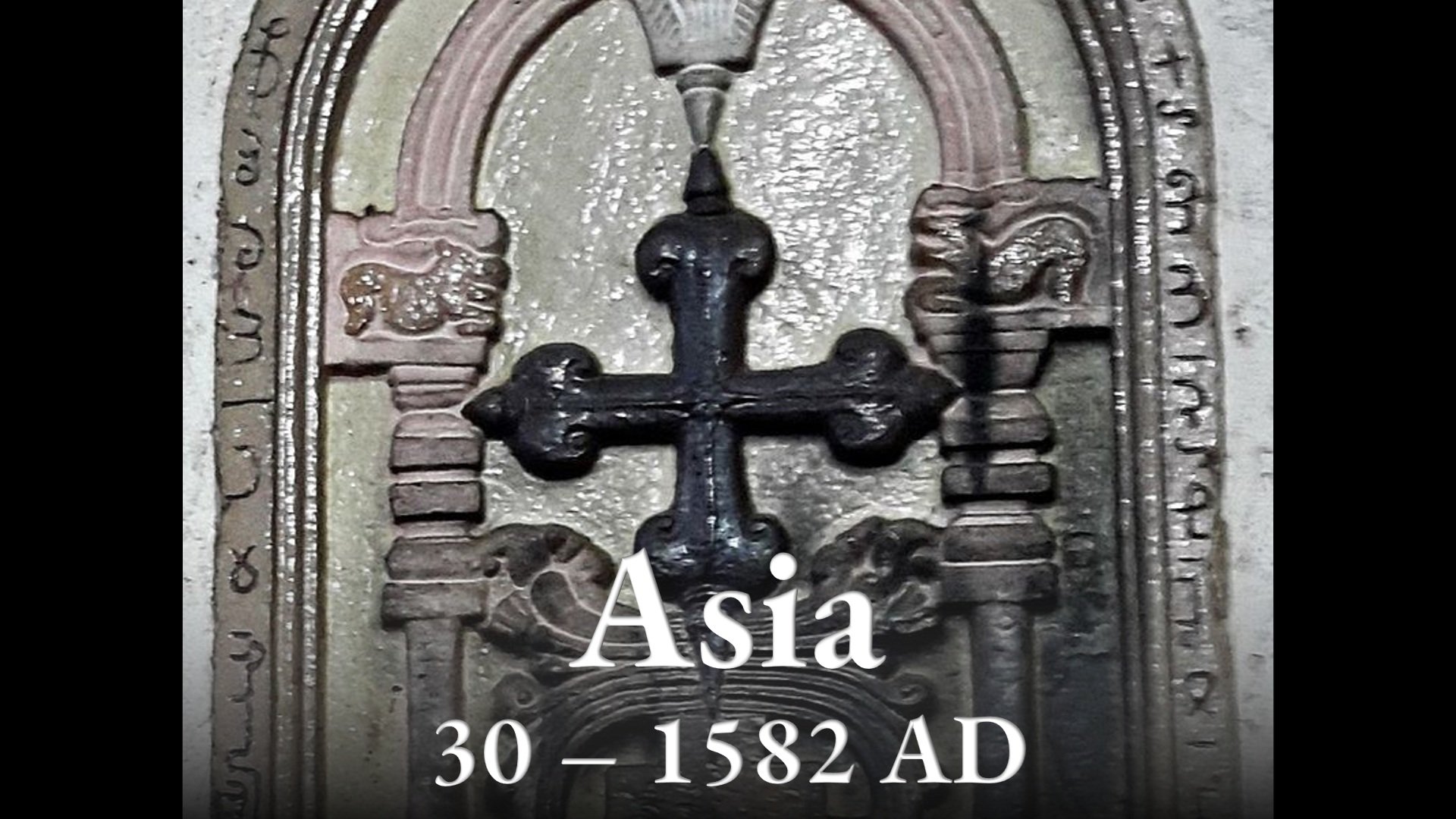
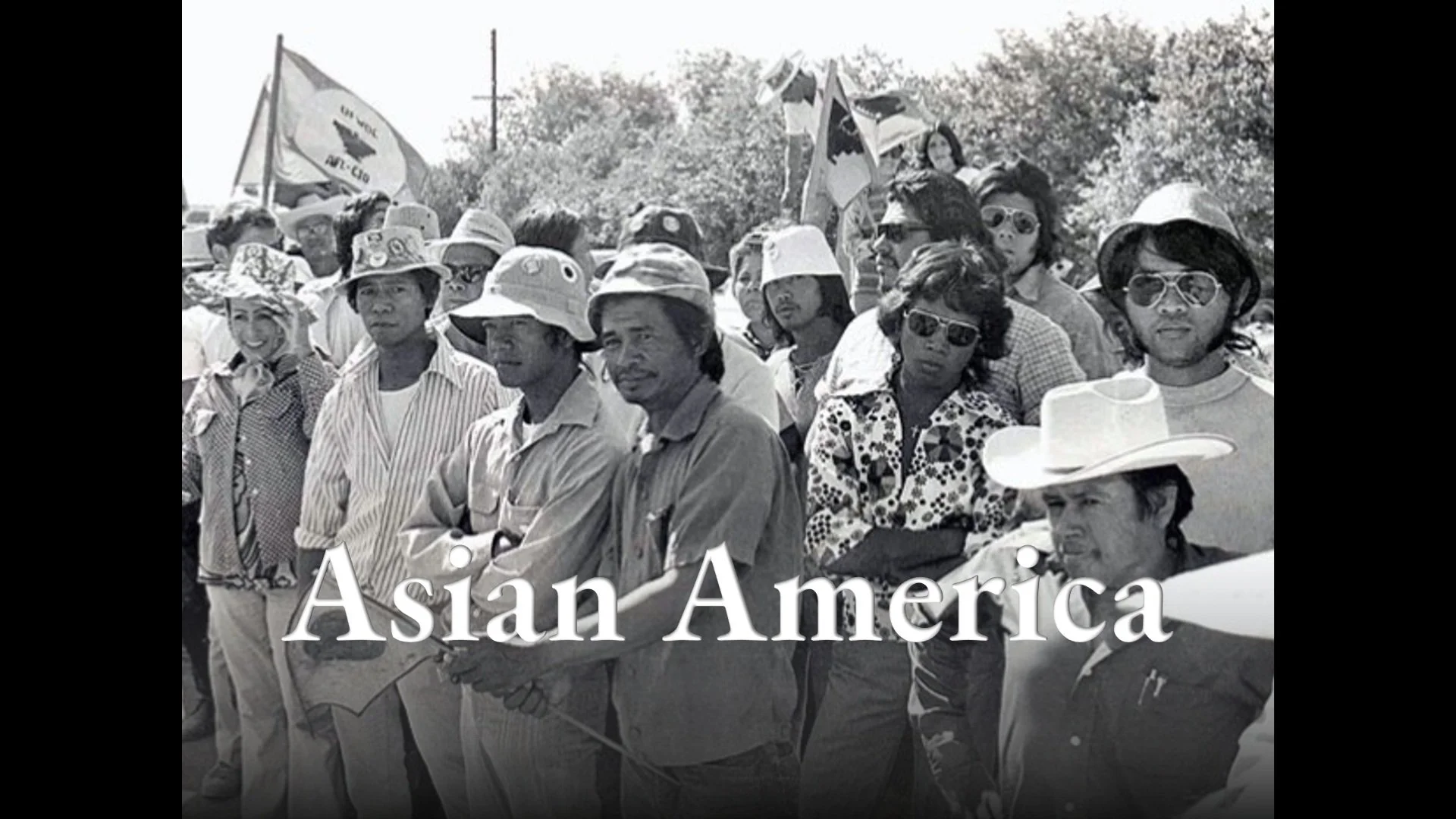
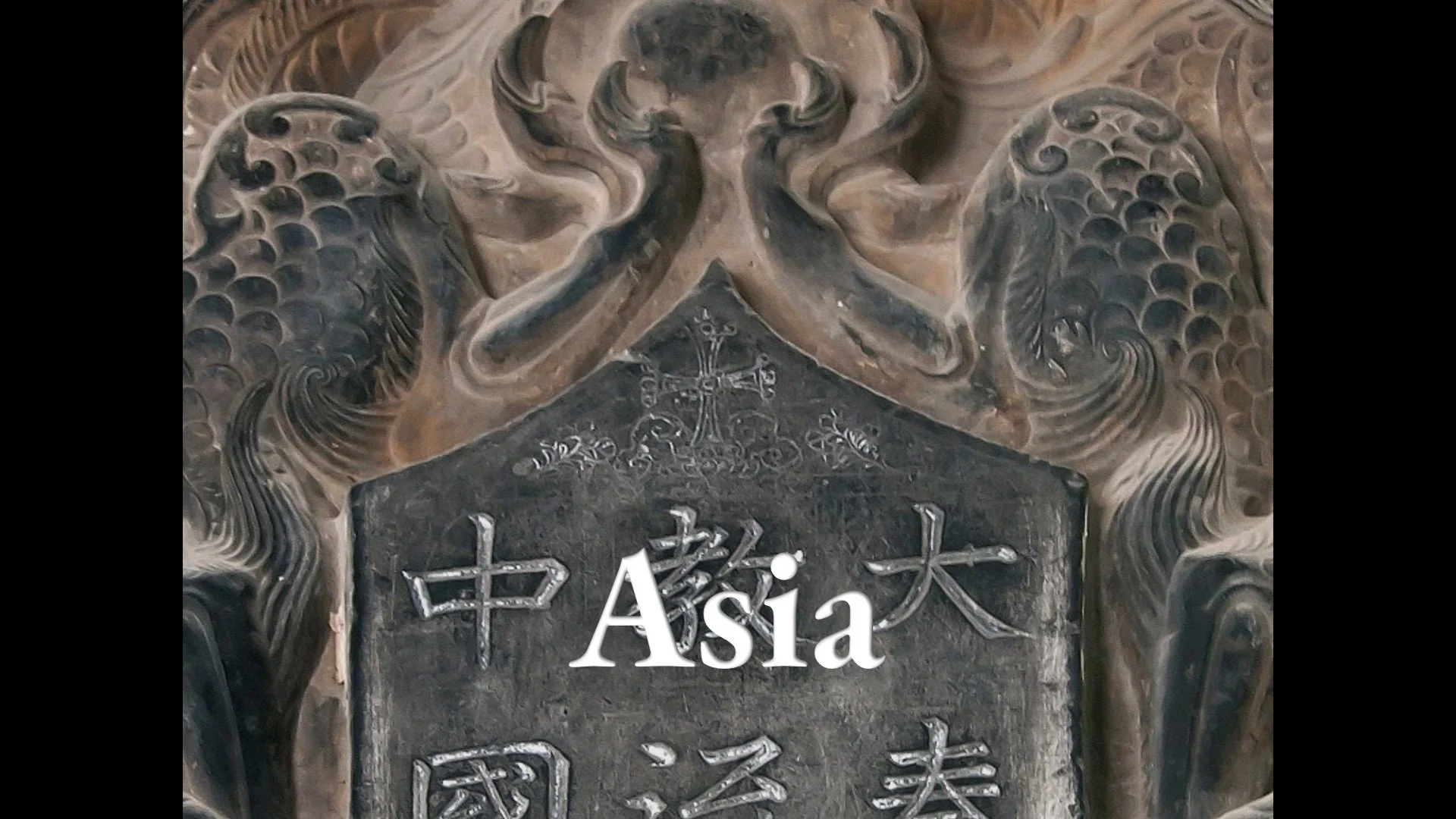
This page is part of our section on Church and Empire: Asia, which explores the experience and activities of Christians under various regimes in Asia. It is grouped into Asia Pre-1582; Asia Post-1582; and Asian America. The year 1582 AD is significant because Jesuit missionary Matteo Ricci arrived in the Portuguese colony of Macau to begin Catholic missionary work in China. Meanwhile, the Mongol kingdoms were in decline. Prior to 1582, the Church of the East and the Oriental Orthodox Churches were present in Asia.
Church and Empire: Topics:
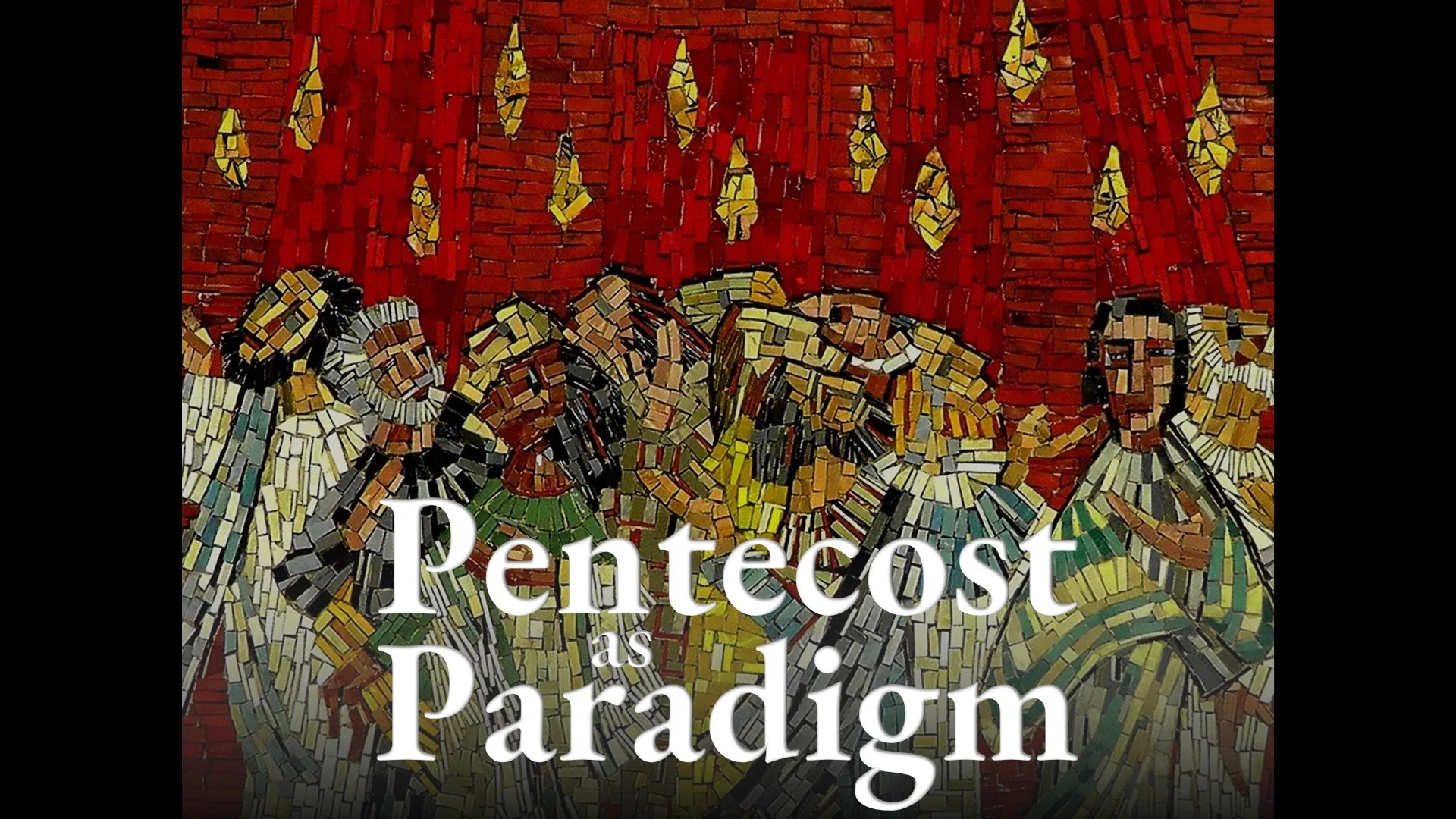
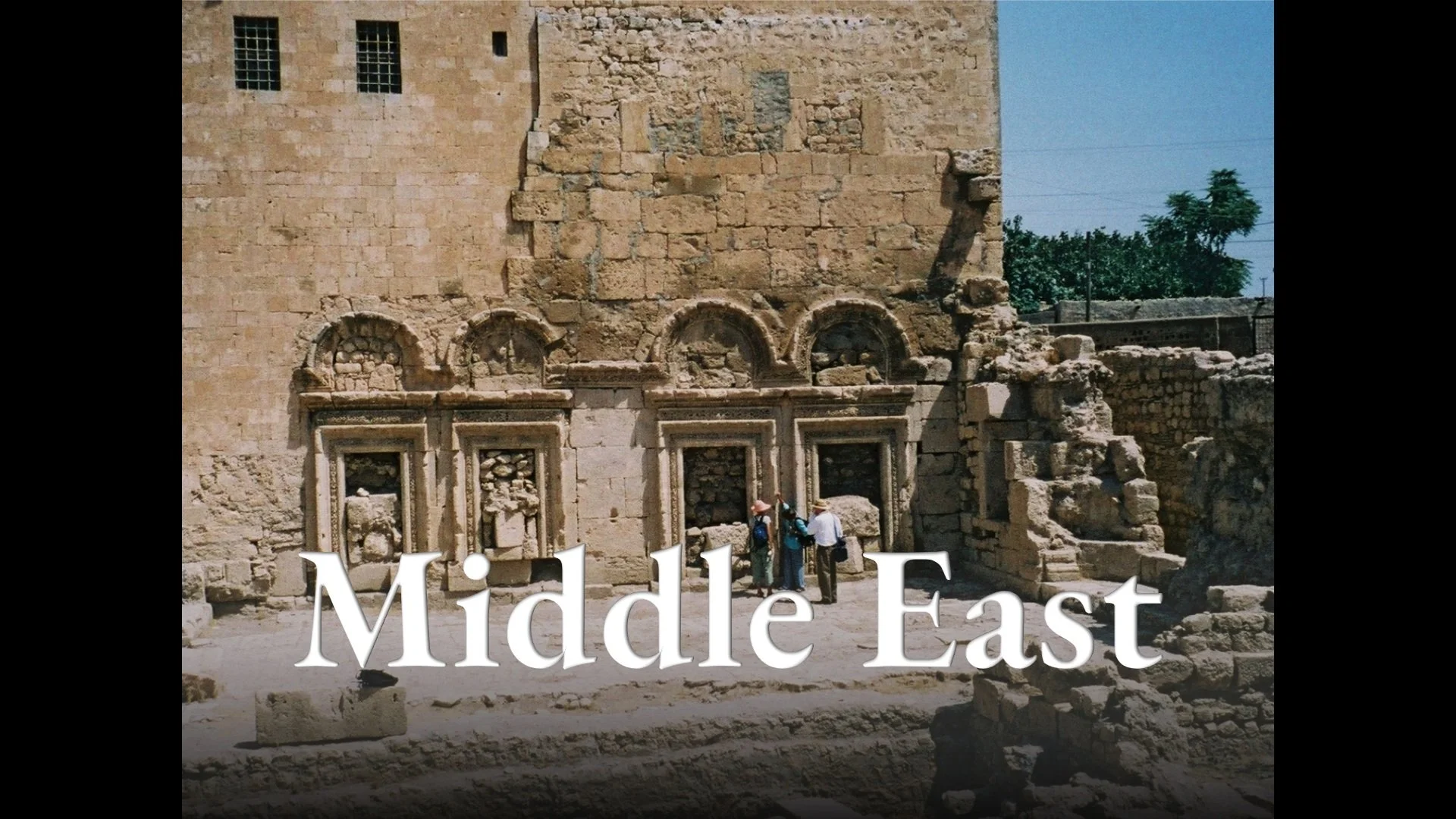
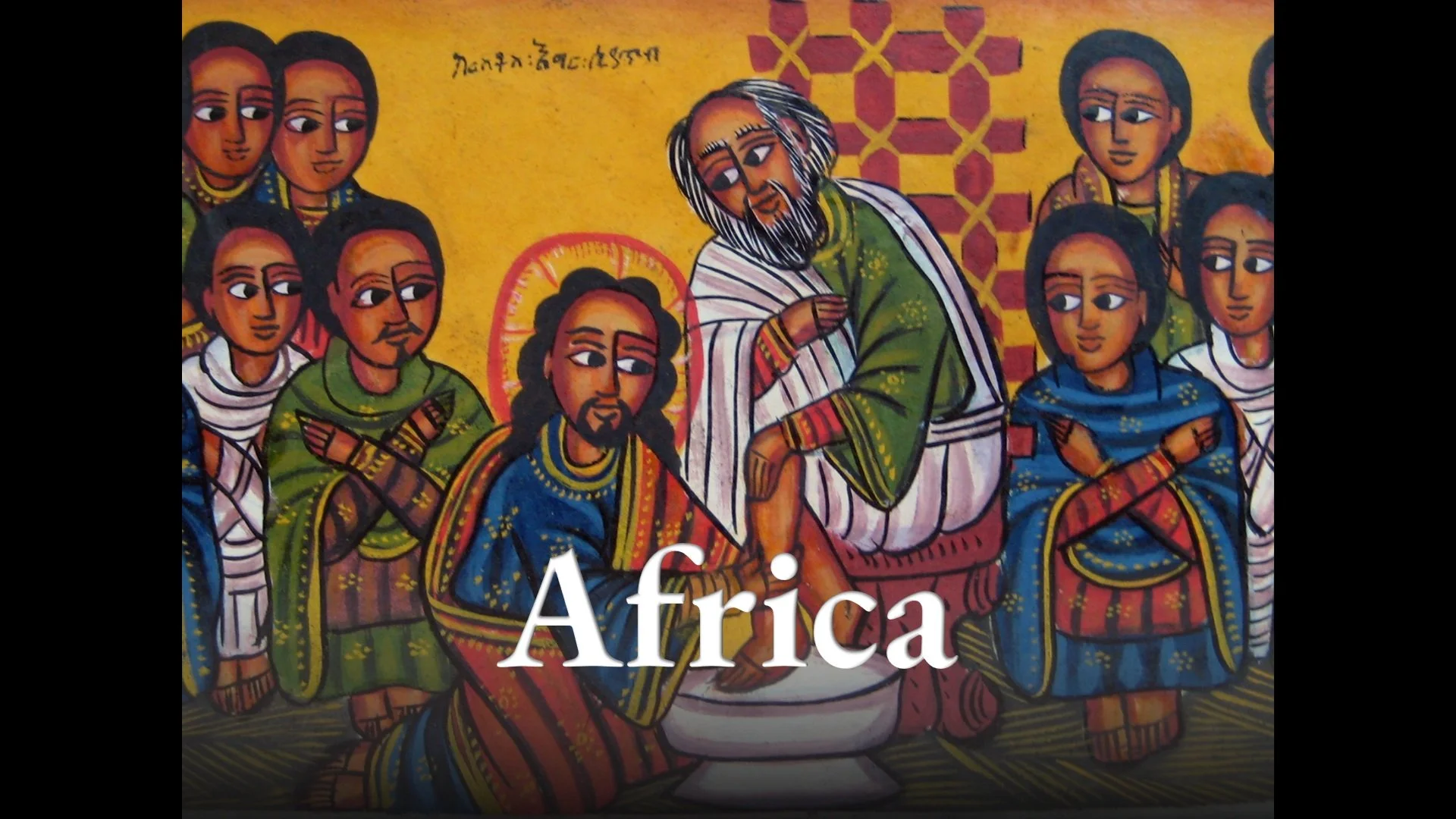
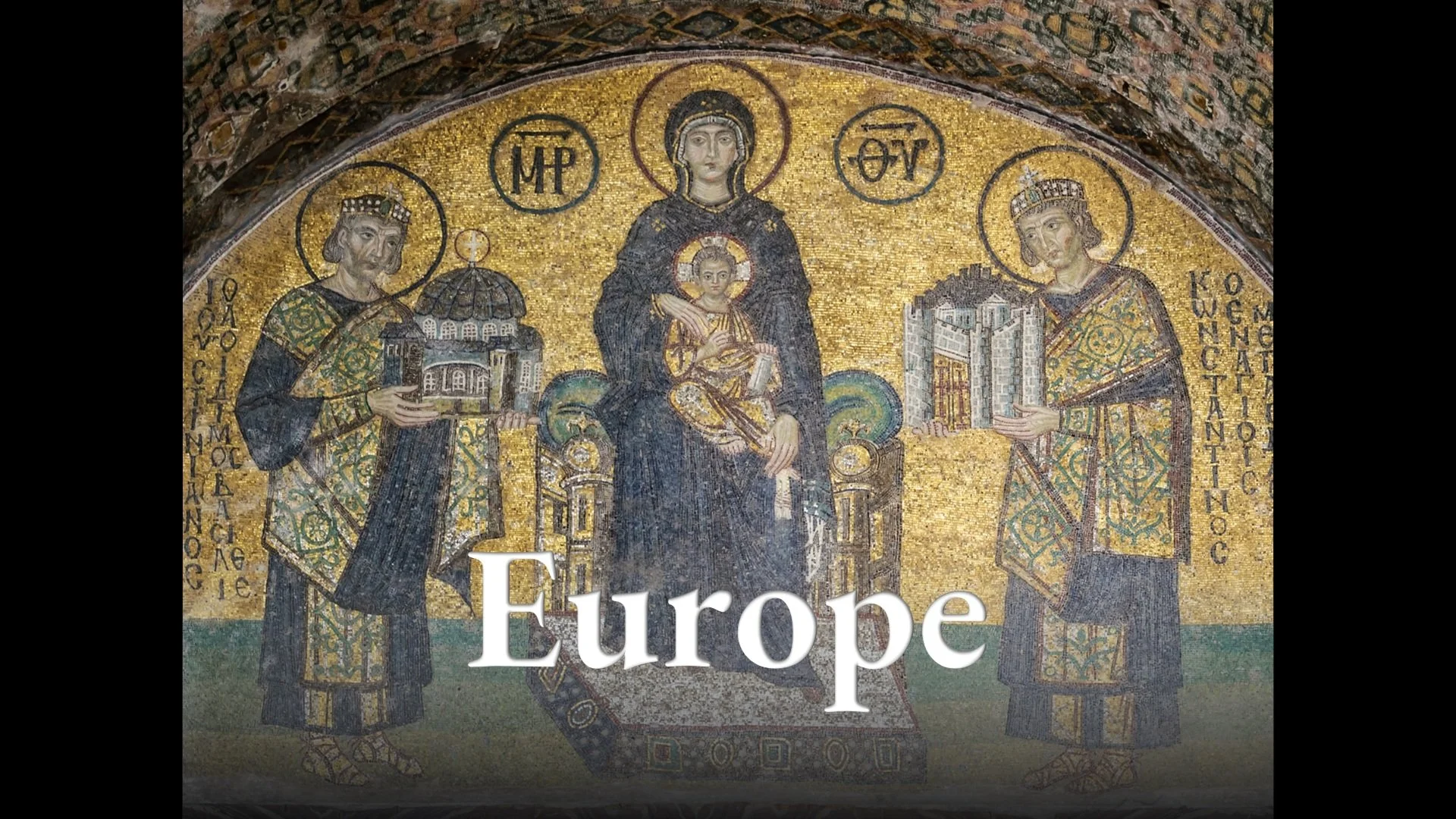
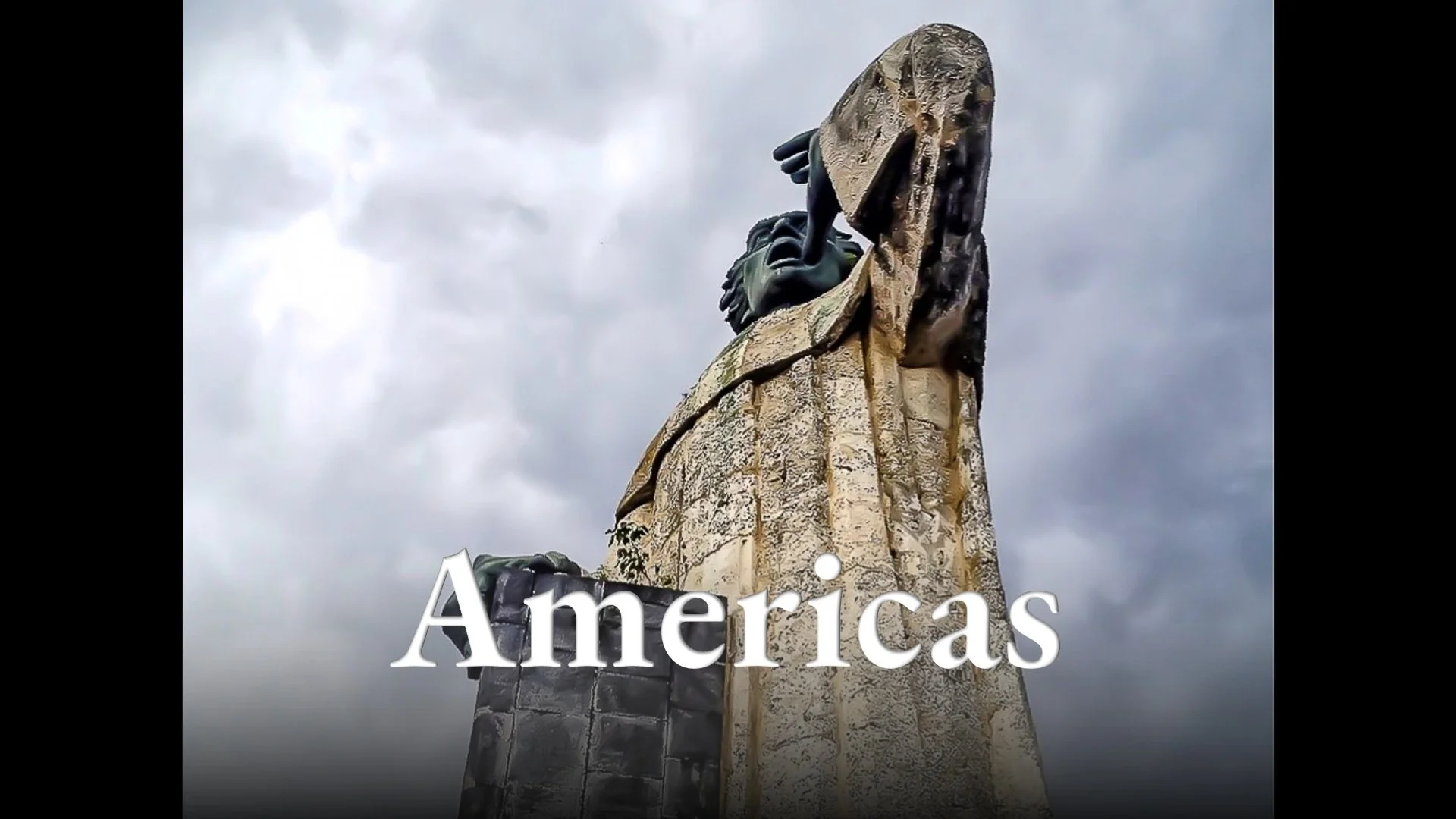
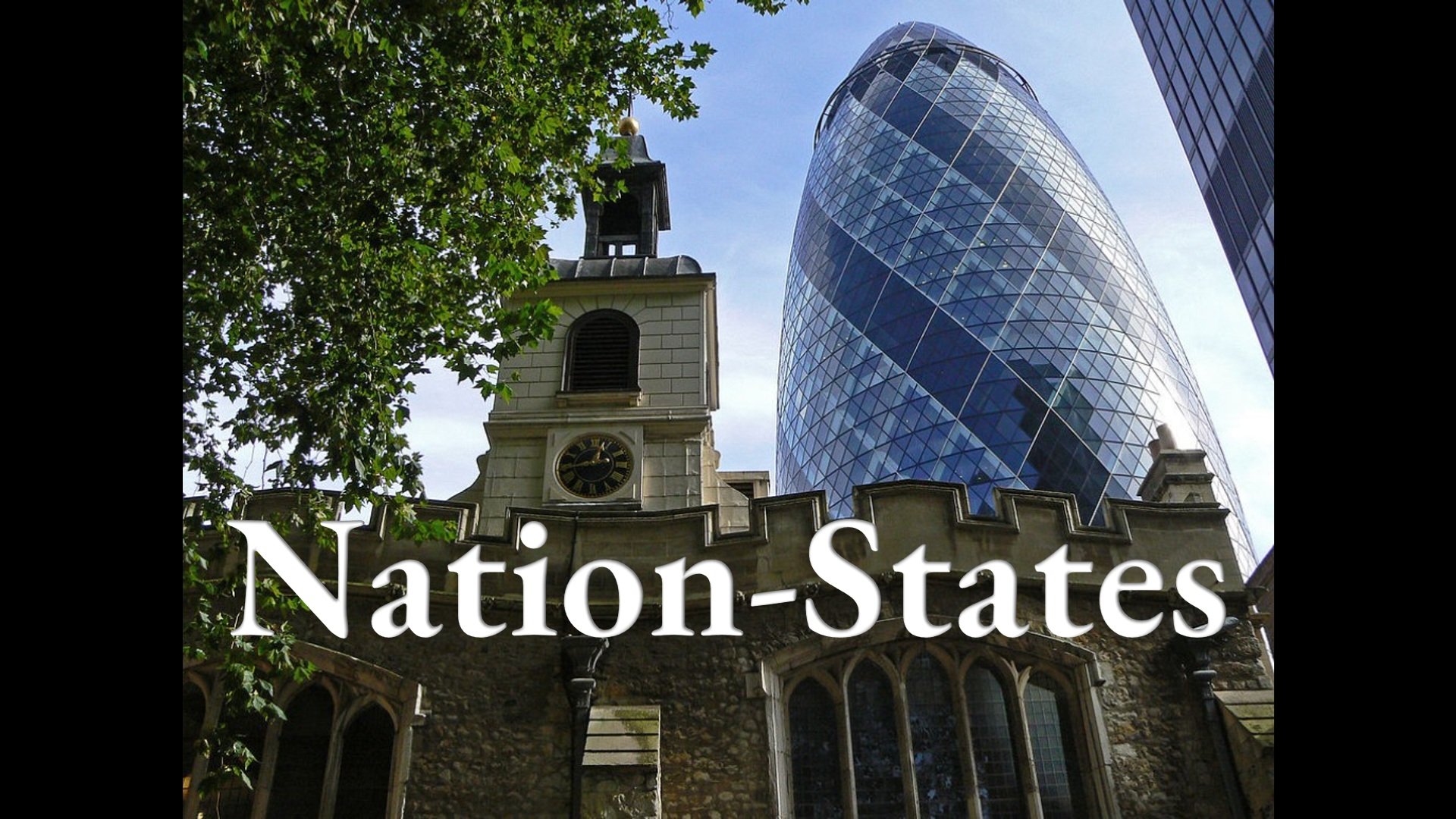
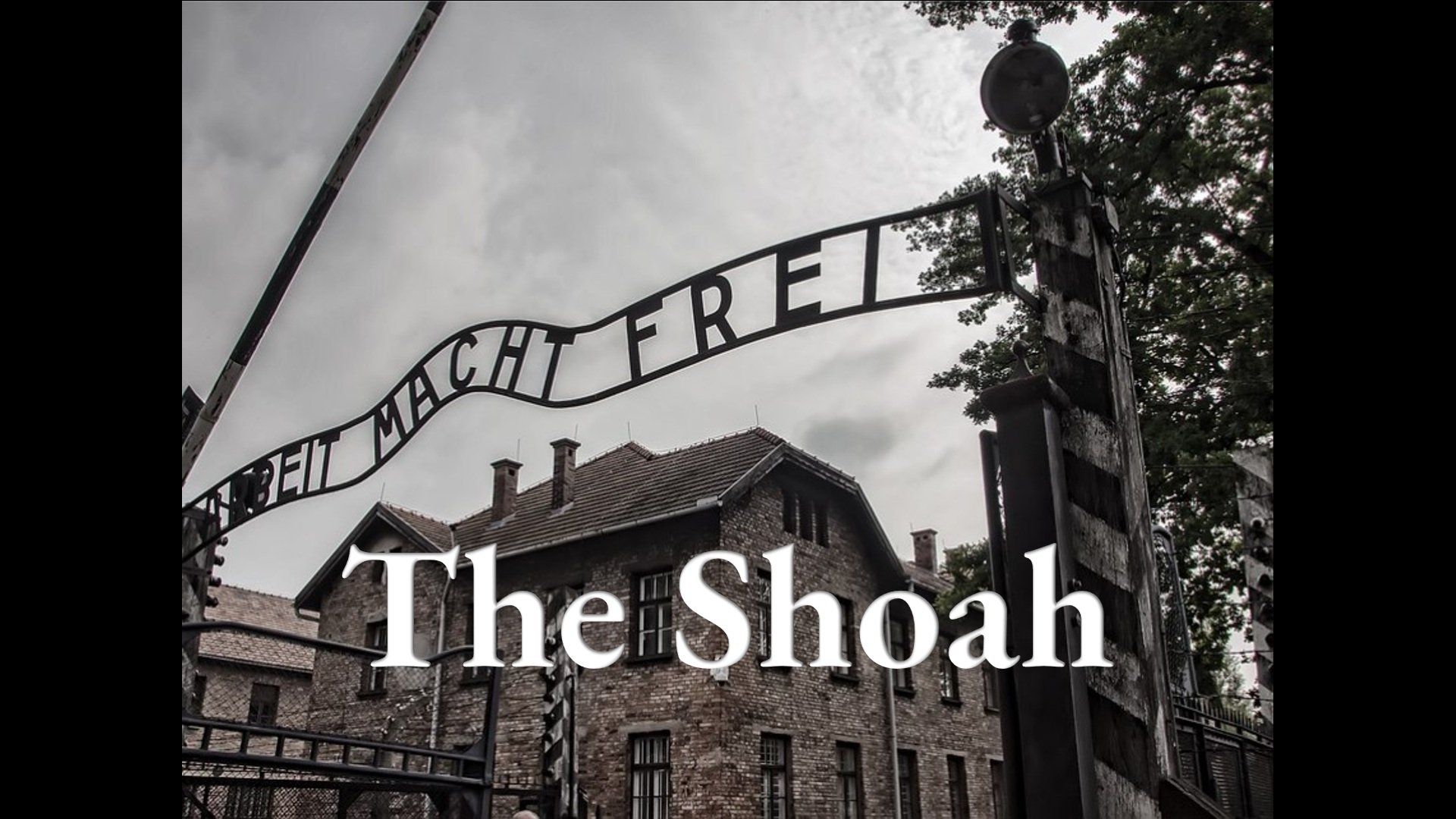
This page is part of our section on Church and Empire. These resources begin with a biblical exposition of Empire in Church and Empire and the meaning of Pentecost in Pentecost as Paradigm for Christianity and Cultures, then grouped by region: Middle East, Asia, Africa, Europe, Americas, then Nation-State, with special attention given to The Shoah of Nazi Germany.