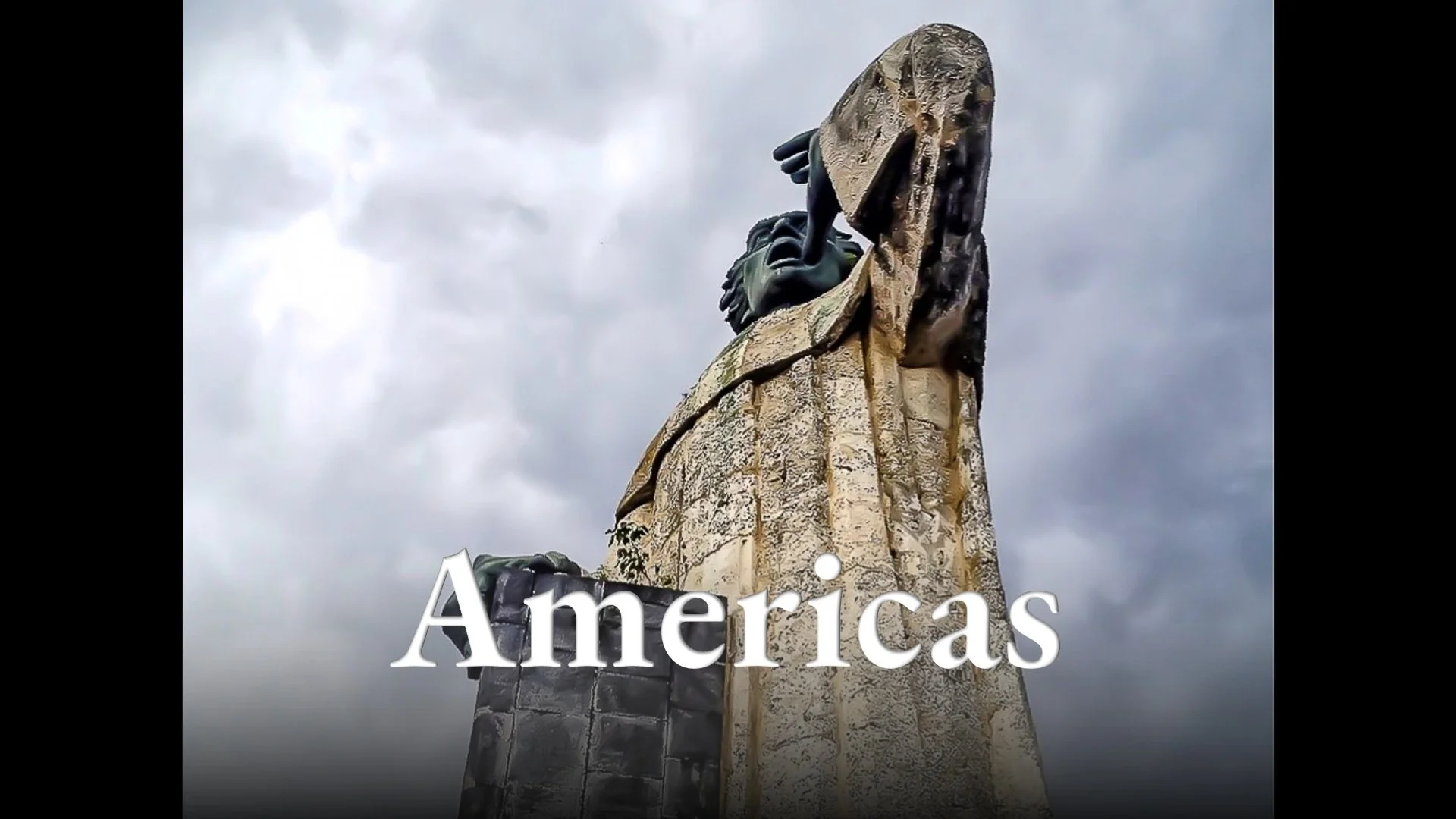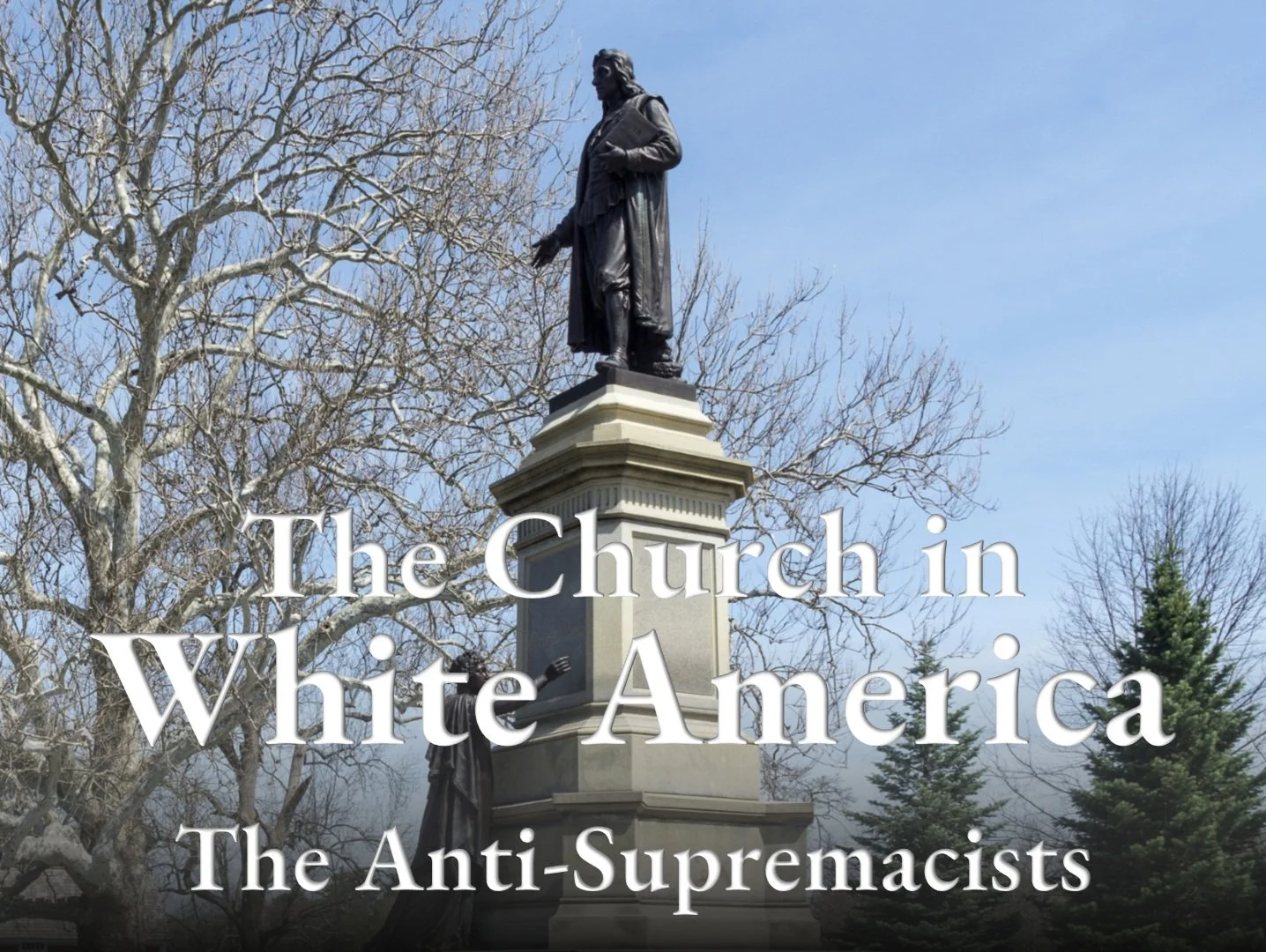
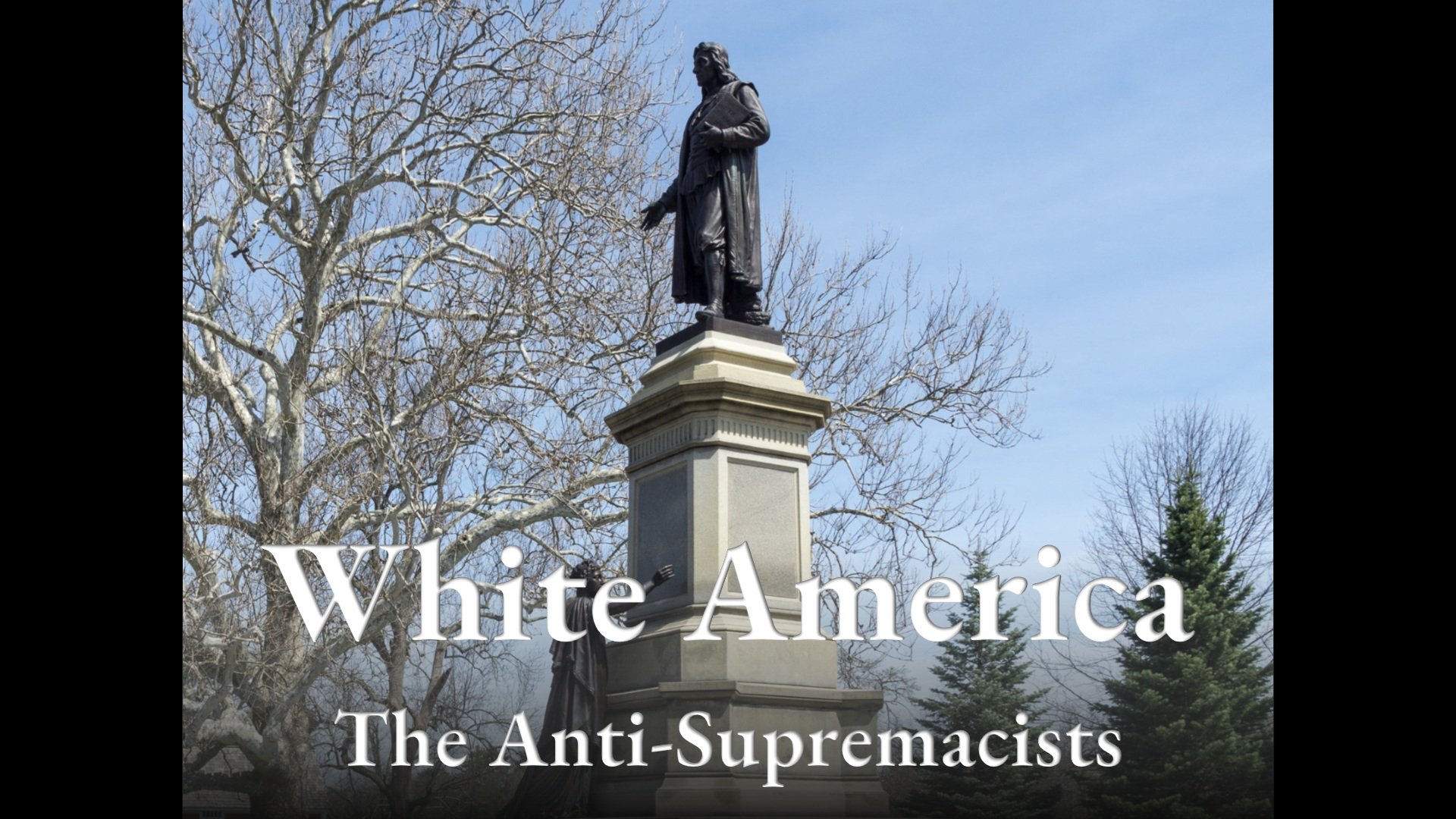
Photograph: Statue of Roger Williams in Roger Williams Park, in Providence, Rhode Island. Photo credit: Kenneth C. Zirkel, Wikimedia Commons, Creative Commons 4.0. Roger Williams (1603 - 1683) founded Providence out of his conviction that political tolerance and religious pluralism was the true expression of Christian power in the public realm, contrary to the Puritans of Boston who wanted a theocratic community. He was the father of "liberty of conscience" and the First Amendment of the U.S. Constitution. Williams was an abolitionist, treated the Native Americans fairly, abolished imprisonment for debt and witchcraft, and stopped most forms of capital punishment. Out of his respect for Native Americans, desire to share Jesus without imposing European culture, and expertise in linguistics, he wrote the first study of Native language and culture, A Key to the Language of America, in which he said that many aspects of Native culture were superior to that of Europeans. Roger Williams helped found the first Baptist Church in North America, in 1638, and created the environment for the first Jewish synagogue in North America to be founded in Rhode Island in 1763.
Introduction
This page explores the experience and activities of white American Christians who opposed white supremacy in different forms. The selection of perspectives on church history in this section — Church and Empire — has been guided by three factors: (1) to demonstrate that Christianity has not been a “white man’s religion”; (2) the study of empire as a recurring motif in Scripture by recent biblical studies scholars; and (3) explorations of biblical Christian ethics on issues of power and polity, to understand how Christians were faithful to Christ or not. Christian relational ethics continues a Christian theological anthropology that began with reflection on the human nature of Jesus, and the human experience of biblical Israel.
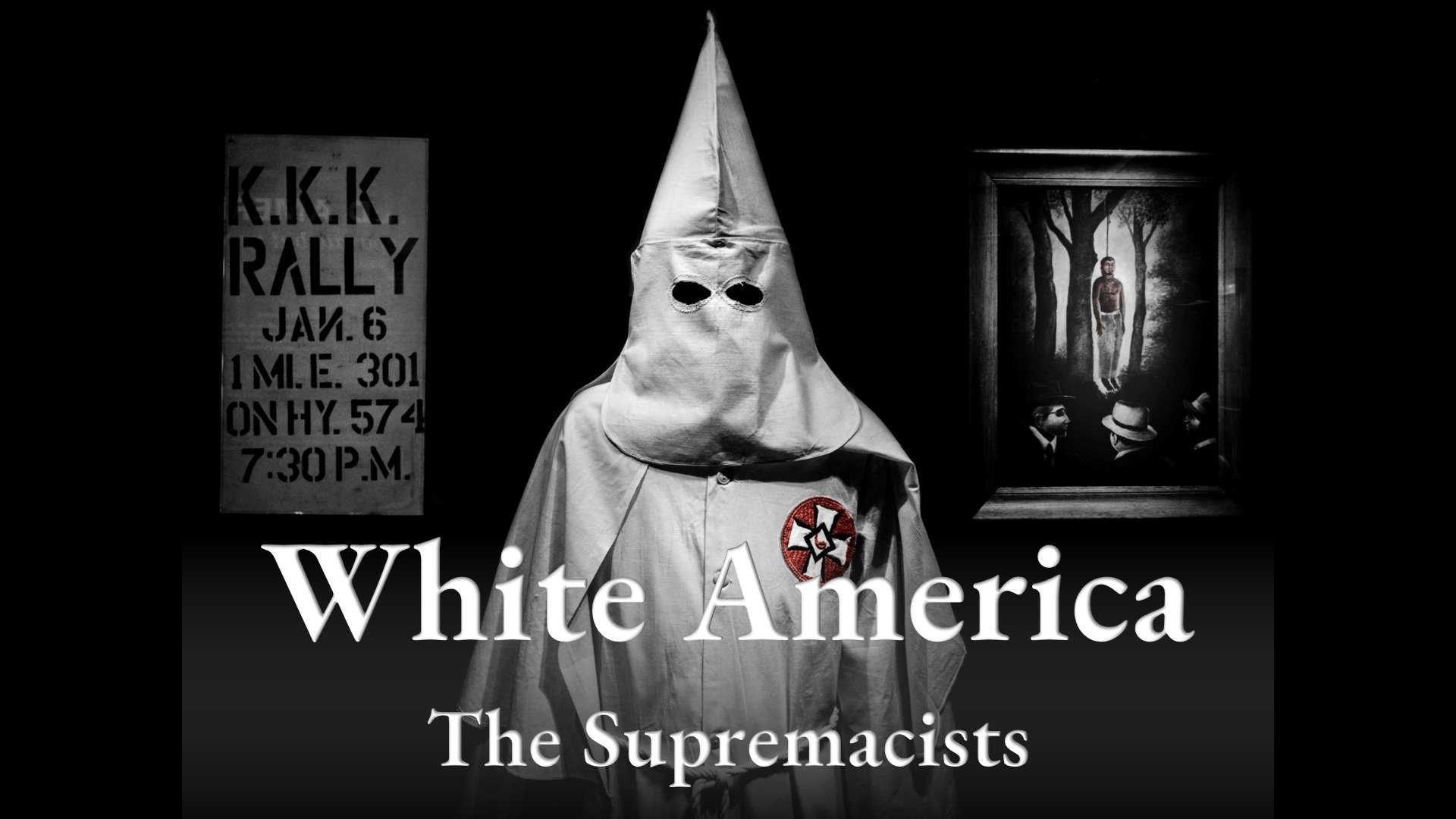
This topic is closely linked to the older pre-colonial influences. See Tribalism: The Chosen People-Racist Synthesis and Authoritarianism: Augustine’s Authoritarian-Theocratic Synthesis to understand the theological roots of this mistake. See Religious Pluralism and Tolerance to understand Christianity, not secularism, as the foundation for religious pluralism. See also resources highlighting Supremacist White American Christians for those who supported white supremacy.
Messages and Resources
Searching for faithful ways of understanding and engaging our political and racial climate? Examine U.S. history from the standpoint of church history. This series of blog posts explore how Christian (mostly Protestant) heresies started and continue to influence our modern political and racial challenges, including in housing, schooling, policing, and business systems. Christians must take responsibility for these heresies in the framework of repentance. We lead the material in online discussion groups, but you can use the study guide with the blog posts for personal reflection or discussion in your family, church, organization, etc. See the whole course or just the blog posts.
White American Evangelical Political Attitudes and Behavior: Explanation and Correctives
White American evangelical political attitudes can be characterized by the debate between John Winthrop and Roger Williams, and their respective attitudes towards Native Americans, slavery, fairness, and faith in the civic space. This is a presentation also explores Scripture and church history to argue that Roger Williams was correct. Given to the staff of Emmanuel Gospel Center, Apr 18, 2018, as a follow-up to how Christian restorative justice impacts ministry; audio file here.
The Role of Jesus in Revolution and the Pursuit of Justice
This is an evangelistic message that highlights the Christian-led and Christian-influenced non-violent resistance movements throughout the world in the 20th century. They show the connections and spiritual vitality of Christian faith under empire or empire-like oppression.
Why Question Atheism from a Political and Moral Perspective?
A presentation on how the Enlightenment tradition gave birth to racist liberal democracies on the one hand, and Marxist communism/state-capitalism on the other. The Enlightenment tried to dethrone Christian faith from political theory and the Christian church from political power. Thus, the ideology of the individual and the nation-state went to these two extremes, colored by the presumption of cultural, intellectual, and spiritual superiority that Europeans had about themselves. Protestant heresies, fed by self-imposed Protestant ignorance about the church prior to Luther, and combined with a growing nationalism, accelerated the problem. Race became the badge of membership in Empire or the token of citizenship in the Nation-State. Authentic Christianity, therefore, must stress Pentecost (a principled cultural diversity) as the expression of Jesus' new humanity for all humanity.
Human Dignity: Does Every Individual Matter?
Science, philosophy, existentialism, other religions, and double-predestination based theologies mean that some human beings do not matter. Only a fully Trinitarian theology with a medical substitutionary atonement can provide an adequate foundation.
God as the Foundation of Human Rights
Text of a message on Genesis 1 - 11. Genesis 1 - 11 was aware of other Ancient Near Eastern and Mediterranean creation stories, and argued against them, as shown by the literary analysis of these literatures. Topics of disagreement include: the value of every human being; the relations of humans and God/gods; the reason for catastrophes like the Flood; the resolution or movement.
The Kingdom You No Longer Want
Text of a message and slides on Luke 13:17 - 21 given at Neighborhood Church of Dorchester on August 13, 2017, the day after the white supremacist march in Charlottesville, Virginia.
-
John M. Barry, Roger Williams and the Creation of the American Soul: Church, State, and the Birth of Liberty. Penguin Books | Amazon page, 2012. Barry writes about the great English-American linguist, theologian, and governor of Providence, Roger Williams (1603 - 1683). James A. Warren, God, War, and Providence: The Epic Struggle of Roger Williams and the Narragansett Indians against the Puritans of New England. Scribner | Amazon page, 2018. Warren describes how in the 1600's, the Narragansett peoples aligned with Roger Williams and the peoples of Providence against the New England Puritans. In Providence, the Natives and Europeans lived side by side in peace. Williams is the first European-American Christian who correctly read the Scriptures and applied Christian faith to the public sphere in a non-colonialist mode in the Americas. In him, Christianity and American origins find an authentic expression of religious political pluralism and cultural diversity. Edward J. Eberle, Another of Roger William 's Gifts: Women 's Right to Liberty of Conscience: Joshua Verin v. Providence Plantations. Roger Williams University, Spring 2004. Eberle explains the enormous significance of the decision of Providence’s town government in 1638 to support Jane Verin against her husband Joshua over the freedom of religious conscience principle: her personal freedom of religious conscience took priority over her husband’s religious belief that she should, as his wife, attend the same church.
Christianity.com, Maryland Toleration Act of 1649. Christianity.com. Lord Baltimore adopted a limited posture of religious toleration, presumably between Catholic and Protestant. A Jew was initially accused of blasphemy, though the charges were dismissed. And the Puritans were suspicious of Catholics being loyal to the Pope. In 1654, Protestants repealed the Toleration Act, barring Catholics from publicly practicing their faith. However, Catholic George Calvert (Lord Baltimore) regained control after reaching an agreement with the colony's Protestants, and the Act was again passed and in force until 1692. Following the English Glorious Revolution of 1688, Protestant Puritans again overthrew Calvert, rescinded the Act again, established the Anglican Church as the official church in 1702, and barred Catholics from voting in 1718. The American Revolution restored religious tolerance. See Wikipedia, Maryland Toleration Act of 1649 (Wikipedia article).
Rudolf Rican, History of the Unity of Brethren: A Protestant Hussite Church in Bohemia and Moravia. Interprovincial Board of Communications | Amazon page, 1992. The Moravian Brethren were a remarkable early Protestant group known for their political pluralism, commitment to education, prayer, anti-slavery stance and expression of Christian mission as the first Protestant missionary movement. Shorter history in A Brief History of the Moravian Church. Moravian Church of North America. See also Count Nicholas Zinzendorf (1700 - 1760) (website) which has helpful links about the Moravian Brethren. In the United States, Moravian Christians settled in Pennsylvania in 1741 as missionaries to the Lenape, then in Georgia in 1801 as missionaries to the Cherokee. They traveled with the Cherokee to Oklahoma in 1842 during their forced removal.
John Woolman’s Journal. Friends United Press | Amazon page, 2017. Originally published 1774. John Woolman (1720 - 1772) was a Quaker and abolitionist who lived in Philadelphia, PA. He advocated for abolition in both England and the United States, mobilizing the Quakers, and contributing to Pennsylvania's abolition of slavery in 1780.
John Coffey, The Abolition of the Slave Trade: Christian Conscience and Political Action. Cambridge Papers, Jun 2006.
Marcus Rediker, You’ll Never Be as Radical as This 18th-Century Quaker Dwarf. New York Times, Aug 12, 2017. Re: Quaker abolitionist Benjamin Lay.
Roberta Estes, History of the Moravians in North Carolina. Native Heritage Project, Mar 2, 2013. See also Rosamond Press, The Moravian Native Converts. Rosamond Press, Mar 3, 2019.
-
Tim Stafford, The Abolitionists. Christian History Institute. Stafford summarizes Quakers, William Lloyd Garrison, Theodore Dwight Weld, Charles Finney, and activities of church networks.
Donald M. Jacobs, Courage and Conscience: Black and White Abolitionists in Boston. Indiana University Press | Amazon page, 1993. “Until recently little was known of the contributions of African Americans in the antebellum abolition movement. Massachusetts, having granted voting rights early on to black males, was a center of antislavery agitation. Courage and Conscience documents the black activism in 19th-century Boston that was critical to the success of the abolitionist cause.”
Roger Joseph Green, Charles Grandison Finney: The Social Implications of His Ministry. Asbury Theological Seminary, Fall 1993. Green discusses the prominent evangelical revivalist Charles Finney (1792 - 1875), a revivalist preacher from 1825 - 1835 who broke from the strict Calvinism of his day by supporting human free will. He became a professor at Oberlin College in 1835, two years after its founding. In 1835, Oberlin became the first U.S. college to admit black students; and in 1837, the first to admit women. Finney was also an advocate of educational free inquiry. When Finney became Oberlin's second president from 1851 - 1866, the faculty and students became well known for abolitionism, support for the Underground Railroad, and education for both men and women.
Karen M. Tiro, Denominated Savage: Methodism, Writing, and Identity in the Works of William Apess, a Pequot. American Quarterly, Dec 1996. William Apess (1798–1839). Wikipedia article. Apess was an ordained Methodist minister prior to the American Civil War. He was European-American on his father’s side and Pequot, European-American, and African-American on his mother’s side; he identified as Pequot. He attacked the Puritans’ concept of political covenant and providential sense of history, which fed white racism. He wrote his autobiography as a response to Andrew Jackson’s forced removal of the Cherokee, and he advocated for the Mashpee in Cape Cod. See his autobiography William Apess, A Son of the Forest. University of Massachusetts Press | Amazon page, 1829. See William Apess, On Our Own Ground: The Complete Writings of William Apess, a Pequot. University of Massachusetts Press | Amazon page, 1992. This work includes The Increase of the Kingdom of Christ: A Sermon (1831); The Indians: The Ten Lost Tribes (1831); The Experiences of Five Christian Indians of the Pequot Tribe (1833); Indian Nullification of the Unconstitutional Laws of Massachusetts Relative to the Marshpee Tribe; or, The Pretended Riot, Explained (1835); Eulogy on King Philip, as Pronounced at the Odeon, in Federal Street, Boston (1836). For a summary biography, see Early Native American Literature, William Apess. See also Drew Lopenzina, Through an Indian's Looking-Glass: A Cultural Biography of William Apess, Pequot. University of Massachusetts Press | Amazon page, 2007.
The Story of Elijah Parish Lovejoy: America’s First Martyr to Freedom of the Press. Colby College. Lovejoy was a Presbyterian minister, abolitionist, and journalist (1802 - 1837) who died as a martyr to both abolitionist and freedom of the press causes.
Theodore Dwight Weld, The Bible Against Slavery. Create Space Independent Publishing Platform | Amazon page, originally published 1838, 1839. Theodore Dwight Weld (1803 - 1895) was one of the leading white American evangelical abolitionists, along with William Lloyd Garrison and Lewis and Arthur Tappan. He was led to Christian faith by Charles Finney. In 1838, he wrote this masterpiece of biblical exposition, showing accurately how the Bible did not support American slavery or the Trans-Atlantic Trade. In 1839, he also collected and published testimonies of the horrors of American slavery in American Slavery As It Is: Selections from the Testimony of a Thousand Witnesses. Weld also played a leading role in the American Anti-Slavery Society, the main arm of the abolitionist movement. See Editors, American Anti-Slavery Society (1833 - 1870) (Encyclopedia Britannica).
Owen W. Muelder, Theodore Dwight Weld and the American Anti-Slavery Society. McFarland & Company | Amazon page, 2011.
John L. Thomas, William Lloyd Garrison (1805 - 1879). Encyclopedia Britannica, Aug 24, 2018. Garrison adopted a Christian pacifism and anarchism (characteristic of the Anabaptist movement) in his approach to abolition, women's rights, and non-violence, from "the biblical injunction to “come out” from a corrupt society by refusing to obey its laws and support its institutions. From this blend of pacifism and anarchism came the Garrisonian principle of “No Union With Slaveholders,” formulated in 1844 as a demand for peaceful Northern secession from a slaveholding South." Garrison's leadership as a journalist and publisher of The Liberator from 1831 was very influential. He condemned the U.S. Constitution itself for its stance on slavery. See William M. Wiecek, The Sources of Anti-Slavery Constitutionalism in America, 1760 - 1848). JSTOR, 1977. Chapter 10 focuses on Garrison and examines his theological convictions.
Lewis Tappan, The Life of Arthur Tappan. Andesite Press | Amazon page, originally published in 1870 by Arthur's brother Lewis. See also Editors, Arthur Tappan (1786 - 1865). Encyclopedia Britannica, Jul 19, 2018. Tappan was a wealthy Christian businessman who financially supported missionary organizations, colleges, and seminaries especially related to abolition. He was the founder and first president of the American Anti-Slavery Society (1833 - 1870). Encyclopedia Britannica. When the Fugitive Slave Law of 1850 was passed, Arthur and Lewis Tappan supported the Underground Railroad.
Nancy Koester, Harriet Beecher Stowe: A Spiritual Life. Eerdmans | Amazon page, 2014. Harriet Beecher Stowe (1811 - 1896) was a Christian abolitionist and author. She wrote Uncle Tom's Cabin in 1852, which depicted the terrible conditions of slavery that many African-Americans faced. The book sold millions of copies and galvanized the abolitionist movement. She wrote a total of 30 books, many of which were directed at social issues. Her entire family (the Beecher siblings) was remarkable. Harriet's husband Calvin Ellis Stowe (Encyclopedia Britannica, Aug 18, 2018) was a seminary professor, abolitionist, and advocate for public schools.
Eric Foner, The Second Founding: How the Civil War and Reconstruction Remade the Constitution. Norton & Company | Amazon page, Sep 2019. details through brilliant storytelling the passage of the 13th, 14th, and 15th Amendments. These filled gaping holes in the Constitution about citizenship, which could not simply remain issues of “states’ rights.” For more on Thaddeus Stevens, see Aaron J. Walker, "No Distinction Would Be Tolerated": Thaddeus Stevens, Disability, and the Original Intent of the Equal Protection Clause. Yale Law & Policy Review, 2000. and Edward J. Blum, Exodus, Reparations, and a Speech We Should Remember. The Christian Century, Dec 9, 2014. who describes a speech in which Thaddeus Stevens called for reparations for slavery using the story of the Exodus, where the Egyptians gave wealth to the Israelites as God freed them.
Sarah Cowie, St. Innocent of Alaska: Apostle and Missionary. Conciliar Press | Amazon page, 2005. Father John Veniaminov, the Russian Orthodox missionary to the peoples of Alaska who served there 1824 - 1867. His work as a linguist and missionary is impressive. In Russian, he wrote Observations About the Tlingit and Kodiak (Alutiiq) Languages. Father John was later tonsured as a monk and took the name Innocent.
-
Benjamin Breckinridge Warfield, PCA History. B.B. Warfield (1851 – 1921) was the lone voice for racial integration and equality at Princeton Seminary, as its president, for some time (1886 - 1902). See also Fred G. Zaspel, Reversing the Gospel: Warfield on Race and Racism. Themelios, The Gospel Coalition, Apr 2018. To appreciate his context, see Timothy Isaiah Cho, A Tale Of Two Machens: How A Christian 'Hero' Let White Privilege Color His Theology. Faithfully Magazine, Sep 8, 2018. who discusses J. Gresham Machen's segregationist and white supremacist views. Machen (1881 - 1937) was a professor at Princeton Theological Seminary from 1906 - 1929, and later founder of Westminster Theological Seminary in 1929 and the Orthodox Presbyterian Church denomination in 1933. Machen was fairly typical of white American conservative evangelicals in his views on race, and was also a radical libertarian politically. Princeton Seminary was a bastion of theologically conservative white evangelicals who still believed, for quite some time, that they had to defend American slavery (even after the Civil War) in order to defend the Bible. See also Elizabeth L. Jemison, Proslavery Christianity After the Emancipation. Tennessee Historical Quarterly/JSTOR, Winter 2013.
Frederick L. Downing, Clarence Jordan: A Radical Pilgrimage in Scorn of the Consequences. Mercer University Press | Amazon book, 2017. Clarence Jordan (1912 - 1969) was a New Testament Greek scholar and founder of the interracial community Koinonia Farm in Georgia, author of the Cotton Patch Bible Translation. See also Wikipedia, Clarence Jordan (Wikipedia article)
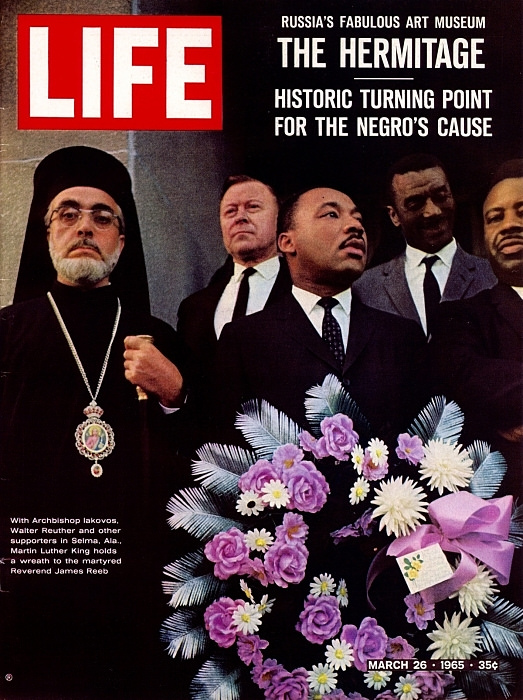
Henry Luce, Life Magazine, Mar 26, 1965. Amazon page. Orthodox Archbishop Iakovos (1911 - 2005) was the only non-black church leader who marched with Dr. Martin Luther King, Jr. in Selma. He was also a staunch advocate of the 1964 Civil Rights Act. Iakovos also worked hard for Christian ecumenism with Catholics and Protestants. See also Anastasios Papapostolou, Archbishop Iakovos: “Why I Supported Martin Luther King in Selma”. Greek USA Reporter, Jan 16, 2017. and Hellenic Leaders, The Images Every Greek American Should See on Martin Luther King, Jr. Day. Medium, Jan 16, 2017.
Charles Marsh, The Beloved Community: How Faith Shapes Social Justice from the Civil Rights Movement to Today. Basic Books | Amazon page, 2005. an excellent narration mostly of African-American Christian movements and leadership, and the white American evangelicals who helped.
David A. Hollinger, Protestants Abroad: How Missionaries Tried to Change the World but Changed America. Princeton University Press | Amazon page, Oct 24, 2017.
“Portraits of such figures as Pearl Buck, John Hersey, and Life and Time publisher Henry Luce, former "mish kids" who strove through literature and journalism to convince white Americans of the humanity of other peoples. Hollinger describes how the U.S. government's need for citizens with language skills and direct experience in Asian societies catapulted dozens of missionary-connected individuals into prominent roles in intelligence and diplomacy. Meanwhile, Edwin Reischauer and other scholars with missionary backgrounds led the growth of Foreign Area Studies in universities during the Cold War. The missionary contingent advocated multiculturalism and anticolonialism, pushed their churches in ecumenical and social-activist directions, and joined with Jewish intellectuals to challenge traditional Protestant cultural hegemony and promote a pluralist vision of American life.”
-
Fred Clark, Our Job is to Unlearn the Lies We Learned from the Theologians of Slavery, Part 1. Patheos, Jun 20, 2014. And Part 2, Part 3, Part 4 an excellent perspective on the care we need to take when we select heroes from Christian history; and a reminder that white American evangelicalism drove a wedge between evangelism and social justice discipleship, which is the theology and practice many inherit today
Matthew Tuininga, Presbyterians and the Political Theology of Race, Part 1: Cultural Captivity? Reformation 21, Jun 2015. notes that white Protestant Christians set the culture; they were not victims of it. See Part 2: Old Testament Politics and Part 3: Gospel Politics
John Loughery, The Man Who Paved the Way for Irish America's Rise. National Review, Apr 14, 2018.
Gary W. Deddo, Neighbors in Racial Reconciliation: The Contribution of a Trinitarian Theological Anthropology. Trinity Study Center, 2007. Deddo offers a valuable corrective.
Brian Bantum, Why Christians Can't Be Post-Racial: Christian Existence in the Murky Waters of Race and Place. Theotherjournal blog, Aug 17, 2009.
Tim Keller, Racism and Corporate Evil. Desiring God, Mar 28, 2012. Keller cites Michelle Alexander's The New Jim Crow and William Stuntz's The Collapse of American Criminal Justice; he acknowledges structural racism in the criminal justice system, but sadly, not in the formation of his own denomination, the Presbyterian Church of America.
Kay Higuera Smith, Jayachitra Lalitha, L. Daniel Hawk, Evangelical Postcolonial Conversations: Global Awakenings in Theology and Praxis. InterVarsity Press | Amazon book, Jul 2014.
Napp Nazworth, Russell Moore on Racism and Southern Baptists: God Is Giving Us a Second Chance. Christian Post, Dec 18, 2014.
Ahmed Kathrada, The Involvement of White People in the Struggle Against Racism. Kathrada Foundation, Mar 21, 2016. in the context of South Africa
Bruce Ashford, Can a Faithful Evangelical Be a Political Nationalist? Bruce Ashford blog, Mar 13, 2017. helpful starter saying no to ethno-nationalism, qualified yes to civic nationalism; probably not to economic nationalism
Richard Beck, How Did Political Progressives Think They Were Anabaptists? Mennonite World Review, May 15, 2017. helpful contrast with political liberalism, but it's important to distinguish between political liberalism as a tool vs. an eschatology
Bruce Ashford, White Christian Conservatives Should Oppose Protests by White Supremacists. Fox News, Aug 12, 2017. in response to Virginia rally of white supremacists
The Editors, Orthodox Christianity and White Supremacy In Its Own Words. Orthodoxy in Dialogue, Jan 27, 2018.
Chris Zimmerman, Educating Against Hatred, for Respect. Bruderhof, Oct 30, 2018.
White Wolf, Jesuits to Return 525 Acres of South Dakota Land to Rosebud Sioux Tribe. White Wolf, Nov 19, 2018.
Frederick Clarkson, Christian Nationalists Try to Dodge the Baptists. Political Research Associates, Oct 11, 2019. an excellent article about Baptist history on separation of church and state; how Christian nationalists try to avoid direct confrontation
Mark Galli, Trump Should Be Removed from Office. Christianity Today, Dec 19, 2019. and the editorial board of Christianity Today. Also Emma Green, How Trump Lost an Evangelical Stalwart. The Atlantic, Dec 19, 2019. and Thomas S. Kidd, When Political Pollsters Talk About ‘Evangelicals,’ They Aren’t Talking About All of Us. Dallas Morning News, Dec 15, 2019. and Ramesh Ponnuru, Four Tests for Impeachment. National Review, Dec 19, 2019.
Steven Waldman, The Four Lies Trump Tells Evangelical Christians. The Bulwark, Jan 6, 2020. (1) Repealed the Johnson Amendment, which limits churches and religious organizations from endorsing political candidates; (2) Has fought hard for religious freedom across the globe; (3) Everyone hates you; (4) Is a personally devout Christian.
Jim Wallis, International Bonhoeffer Society Calls for ‘Ending Donald Trump’s Presidency’ in ‘Statement of Concern’. Sojourners, Jan 16, 2020.
Rob Schenck, Why I Will Not Vote for Donald Trump. Rev Rob Scheck blog, Feb 17, 2020.
Father Stephen Freeman, The Sins of a Nation. Glory to God for All Things, Jun 4, 2020. critiques American individualism for diminishing the need for collective acts of responsibility.
“In the 20th century, there have been some notable national crimes that have, in some way, been acknowledged. Japan renounced its military in response to the atrocities and errors of the Second World War. Germany paid reparations to Israel and enacted numerous laws renouncing and restricting the scourge of Nazism. Many war criminals were punished. The Russian government, with no outside political pressure, not only acknowledged many of the crimes of its Communist past, but also built memorials and rebuilt churches (often returning properties that had been taken away) in an effort of public repentance.”
George Demacopoulos and Aristotle Papanikolaou, Orthodox Christianity, Systemic Racism, and the Wrong Side of History. Orthodox Observer News, Jun 5, 2020. “Will our grandchildren have to apologize for us because we stood on the wrong side of history, or will we accept the spirit of the Black Lives Matter critique because it is morally and theologically convicting?”
Father John Chryssavgis, Resource Center On Racial Reconciliation. Greek Orthodox Archdiocese of America website. includes nine conversations, official statements, and other resources
David French, American Racism: We’ve Got So Very Far to Go. The Dispatch | French Press, Jun 7, 2020.
Timothy Dalrymple, Justice Too Long Delayed. Christianity Today, Jun 10, 2020. “It’s time for the church to make restitution for racial sin.”
Kelly Hamren, Reflections from a Christian scholar on Social Justice, Critical Race Theory, Marxism, and Biblical Ethics (Facebook page, Jun 16, 2020) 16 minute read. Also Kelly Hamren, Social Justice, Critical Race Theory, Marxism, and Biblical Ethics. Christianity Today, Jul 3, 2020. “Looking at Marxism and Critical Race Theory in light of the problem of racism in America.”
David French, Coronavirus, Conspiracy Theories, and the Ninth Commandment. The Dispatch | French Press, Jul 19, 2020. “A better political theology can make us less vulnerable to lies.” “white Evangelical voters went from the community least tolerant of unethical politicians to the community most tolerant, and they did so in five short years.”
Michael F. Bird, The Fundamentalist War on Wokeness is a War on Christian Love. Euangelion | Patheos, Oct 13, 2020.
Gina Ciliberto and Lexi McMenamin, Pastors Work to Stop Evangelicals’ Spread of ‘Dangerous’ Misinformation. Sojourners, Nov 5, 2020.
Paul Bond, Evangelicals in Midwest Who Ditched Trump Cost Him the Election, Early Data Suggests. Newsweek, Nov 9, 2020.
“The billboards—part of a campaign dubbed, "His Words Matter"—were courtesy of Vote Common Good, which spent $2.5 million to defeat Trump, and teamed with other organizations such as Faith 2020, Catholics for Biden, and The New Moral Majority.”
Sarah Pulliam Bailey, What NIH Chief Francis Collins Wants Religious Leaders to Know About the Coronavirus Vaccines. Washington Post, Dec 12, 2020. Dr. Collins is important as an example of an evangelical Protestant to is scientifically knowledgeable and advocates for it. “Since the early days of the pandemic, Collins, who watches McLean Presbyterian Church in Northern Virginia services online, has urged churches to avoid holding services indoors and done interviews with religious leaders like theologian N.T. Wright and pastor Timothy Keller on how people can protect themselves. Most recently he spoke with pastor Rick Warren and Southern Baptist leader Russell Moore about the vaccines.”
David Crary, More US Churches Are Committing to Racism-Linked Reparations. Associated Press, Dec 13, 2020.
Janet Adamy, Abortion, Guns and Trump: A Church Group Tries to Navigate America’s Divisions. Wall Street Journal, Dec 18, 2020. “Calvary Christian Reformed in suburban Michigan seeks understanding through dialogue; ‘my soul is hurting’”
Bryan N. Massingale, The Racist Attack on Our Nation’s Capital. America Magazine, Jan 6, 2021.
David French, Only the Church Can Truly Defeat a Christian Insurrection. The French Press | The Dispatch, Jan 10, 2021. “It’s time to combat the right’s enabling lies.”
Kristin du Mez, Josh Hawley, Betsy DeVos, and Abraham Kuyper: A Reckoning. Anxious Bench | Patheos, Jan 14, 2021. An exploration of Betsy DeVos and Josh Hawley — their attempts to use Kuyper’s political theology.
“At Dordt College, our neo-Kuyperian professors educated us on the value of a “Reformed worldview” in which there is no divide between sacred and secular or nature and grace, and in which every domain of life is to be brought under the “lordship” of Jesus. A famous line from Kuyper’s speech to open the Free University in 1880, which he founded as an expression of this philosophy, was often quoted at Dordt: “There’s not a square inch in the whole domain of human existence over which Christ, who is Lord over all, does not exclaim, ‘Mine’!” Our professors contended that Kuyper provided a road map for Christians living in a pluralistic context. Christians should build distinctly Christian institutions and systems to promote the “kingdom of God,” while also working to support the common good.”
Hunter Baker, When Pragmatic Politics Goes Bad: An Apology to the Never-Trumpers. Public Doscourse, Witherspoon Institute, Jan 15, 2021.. See also David French, An Important Apology Shows the Path Past Christian Trumpism. The French Press | The Dispatch, Jan 24, 2021.. Baker and French focus on the character of a leader.
Anthony Bradley, Critical Race Theory Isn’t a Threat for Presbyterians. Mere Orthodoxy, Feb 3, 2021.
David Brooks, A Christian Vision of Social Justice. New York Times, Mar 18, 2021.
“But this week I interviewed Esau McCaulley, a New Testament professor at Wheaton College and a contributing writer for New York Times Opinion. He described a distinctly Christian vision of social justice I found riveting and a little strange (in a good way) and important for everybody to hear, Christian and non-Christian, believer and nonbeliever.”
Melissa Florer-Bixler, What Does It Mean to Forgive Our Debtors?. Faith and Leadership, Mar 23, 2021.
“So Shue ended the sermon with a request. He had the ushers hand out slips of paper and asked the congregants to write down “Debt” or “Jubilee,” along with the amount of money they owed in burdensome debt or the amount they could afford to give away. When Shue looked through the slips of paper at the end of the service, he was stunned. The members had pledged $50,000 toward congregational debt relief.”
Alex Mikulich, Race, Racism, and Whiteness. Loyola University New Orleans. a helpful Catholic perspective, up-to-date on contemporary issues
Kevin DeYoung, Reparations: A Critical Theological Review. The Gospel Coalition, Apr 22, 2021.
John Fea, Mark Noll and Vince Bacote on Christian Nationalism. Current Pub, Jun 25, 2021.
“This seems like an important conversation for the Trinity Forum to sponsor since its founder, Os Guinness, has lately been pushing a view of American history that is getting a lot of traction with folks like Eric Metaxas and other Christian nationalists.”
Jason Lemon, Faith Groups Launch New Curriculum in Bid to Address Surge in Christian Nationalism. Newsweek, Jul 3, 2021.
Erica Ramirez, Who’s Laughing Now? Pentecostal Disrespectability Politics. Political Theology Network, Jul 8, 2021.
“While some white American converts to Pentecostalism in the early 1900s were experiencing a resurgence of Jeffersonian populism of that era, Mexican nationals were living through revolutionary upheaval of their own. And like the older populism of American evangelical lines, the Mexican revolution’s radical populism was also agrarian, influenced by Jacobinism, and hostile to establishment elites.”
Amanda Tyler, January 6, A Year Later: Staying Alert to Christian Nationalism. Baptist Joint Committee, Jan 6, 2022. The Baptist Joint Committee has many resources on Christian Nationalism, including its racist nature.
Thomas Reese, Why Christian Nationalism Is Un-Christian. Religion News Service, Aug 29, 2022. A Catholic writer says:
“Today, many Americans embrace Christian nationalism, arguing that the founders of our republic were Christians and they meant us to be a Christian nation. While it is historically true that most of our founding fathers were Christians, it is also true that they wanted a secular government, free of religion. They had seen how uniting politics and religion in Europe led to religious persecutions and wars. These wars and persecutions led many to flee Europe for America. The founders wanted a government that would treat people of all faiths equally. For John Adams, that meant even allowing the Jesuits asylum. “I do not like the reappearance of the Jesuits,” he wrote to Thomas Jefferson in 1816. “Shall we not have regular swarms of them here, in as many disguises as only a king of the gypsies can assume, dressed as printers, publishers, writers and schoolmasters? If ever there was a body of men who merited damnation on earth and in Hell, it is this society of Loyola’s. Nevertheless, we are compelled by our system of religious toleration to offer them an asylum.””
Richard Beck, The Church, the Powers and Politics, Part 4: Scarcity and the Sword. Experimental Theology, Jan 3, 2023. A very concise argument.
“If the state creates a neutral public sphere, the nation won't be "Christian." But if the state chooses to enforce Christian values at the point of a gun, that's not "Christian" either. Either way, there is no "Christian nation" on the political horizon.”
Allen Guelzo, Was America Ever Christian? Founding, Awakening, and a Common Myth. Desiring God, Jan 9, 2023.
“ABSTRACT: The idea of a “Christian America” holds both myth and significant meaning. On the one hand, American history offers little evidence of a distinctly Christian founding; many of the Founders, in fact, actively opposed Christianity and sought its disenfranchisement in the new republic. On the other hand, the decades after the Founding saw a surge of Christian faith throughout the country. By the eve of Civil War, America could justifiably be called a “Christian nation,” but its Christianity was cultural, not political, the result of vigorous local and national enterprises rather than governmental action.”
William T. Cavanaugh, If You Render Unto God What's God's, What's Left for Caesar? Church Life Journal | University of Notre Dame, Mar 6, 2023.
Chris Gehrz, Christian Opposition to Prayer in Public Schools. The Pietist Schoolman | Substack, Jun 20, 2023. “Revisiting the debate sixty years later, via a former Bethel professor.”
Karen Friedman Agnifilo, Adam Kinzinger Unleashes on Trump and MAGA in Must-See Takedown. Meidas Touch, Aug 8, 2023. Former GOP Congressman Adam Kinzinger opposed Trump, served on the January 6 Committee, and now works for pro-democracy causes. He identifies as an evangelical.
Jason Horowitz and Ruth Graham, Pope Says a Strong U.S. Faction Offers a Backward, Narrow View of the Church. New York Times, Aug 30, 2023.
“In unusually sharp remarks published this week, Pope Francis said some conservative American Catholics wrongly ignore much of the Church’s mission and reject the possibility of change.” “In 2018, in a major document called an apostolic exhortation on the subject of holiness, Francis explicitly wrote that caring for migrants and the poor is as holy a pursuit as opposing abortion. “Our defense of the innocent unborn, for example, needs to be clear, firm and passionate,” he wrote. “Equally sacred, however, are the lives of the poor, those already born, the destitute, the abandoned.””
Elizabeth R. Varon, Longstreet: The Confederate General Who Defied the South. Simon & Schuster, Nov 2023. See review by Matthew E. Stanley, How a Die-Hard Confederate General Became a Civil Rights–Supporting Republican. Jacobin Magazine, Jan 5, 2024. See also James Longstreet, Wikipedia.
Bradley Onishi, The Texas Rep. Fighting Christian Nationalism. Straight White American Jesus Podcast, Dec 18, 2023. Interview with Rep. James Talarico.
Richard Allen Hyde, True Christian Nationalism. Providence Magazine, Feb 19, 2024. A historical and moderate and softer view, but one that is still vulnerable to the mythos of American exceptionalism for its own sake and not because of any particular substance.
Lulu Garcia Navarro, The Interview: James Lankford Tried to Solve Immigration for the GOP. New York Times Podcasts, Aug 10, 2024. At the 30 minute mark, Navarro asks Senator James Lankford, a former youth minister from Oklahoma, if he is a Christian Nationalist. He says no, and his immediate appeal to the First Amendment’s freedom of religious conscience is noteworthy and admirable.
James Talarico, James Talarico Grills Texas Education Commissioner Over New Christianity-Infused Curriculum. James Talarico, Aug 14, 2024.
Rev. Rob Schenck, Confessions of a (Former) Christian Nationalist. Mother Jones, Nov-Dec 2024. “When religion is placed at the service of a political party, it corrupts both.”
Melissa Florer-Bixler, Learning from the Failed Confessing Churches. Melissa Florer-Bixler, Nov 8, 2024.
James Talarico, Public Schools Are Not Sunday Schools. James Talarico, Nov 25, 2024. Talarico argues as a seminary student, minister-in-training, and Congressman that the Texas GOP leaders recognize they are proposing something unconstitutional, because they want teachers in public schools who teach the Bible to have immunity from First Amendment lawsuits.
Katie Glueck, These Spiritual Democrats Urge Their Party to Take a Leap of Faith. New York Times, Dec 22, 2024. Spotlighting Congressman James Talarico (D-TX), Senator Rafael Warnock (D-GA), and Governor Josh Shapiro of PA.
Mona Charon, Where Does Christianity Go In The Age of Trump (w/ Jonathan Rauch). The Mona Charen Show | The Bulwark, Feb 3, 2025. Both Mona Charon and Jonathan Rauch are Jewish, and Rauch is a gay man. However, both make observations and statements of appreciation and cautions and warnings to MAGA. They also discuss the Church of Latter Day Saints’ 2022 position of civil accommodation on gay marriage at the federal level.
Jonathan V. Last, How MAGA is Splitting the Catholic Church | WTF 2.0. The Bulwark, Feb 19, 2025. The Pillar's Ed Condon joins JVL to talk about the Trump administration's confrontation(s) with the Catholics.
Nikita Osadchiy, Leahy, Over 440 University Leaders Sign Statement Decrying “Political Interference” in Higher Education. Boston College Heights, Apr 25, 2025.
“In a rebuke of the Trump administration, University President Rev. William P. Leahy, S.J., joined over 440 university presidents and academic administrators in signing a statement raising concerns over “unprecedented overreach and political interference” in higher education. “We are open to constructive reform and do not oppose legitimate government oversight,” the statement, first released Monday by the American Association of Colleges and Universities, reads. “However, we must oppose undue government intrusion in the lives of those who learn, live, and work on our campuses. We will always seek effective and fair financial practices, but we must reject the coercive use of public research funding.””
Christopher Hale, Pope Leo's Prayer Riders Join Miami Archbishop in Protest at 'Alligator Alcatraz'. Letters from Pope Leo — the American Pope & US Politics, Jul 23, 2025. Inmates denied Bibles as Trump and DeSantis’s prison guards claim “no right to religion.”
Pooja Salhotra, Judge Halts Texas Law Mandating the Ten Commandments in School. New York Times, Aug 20, 2025. “The state law had said public schools would have to display the Ten Commandments in a “conspicuous” location in every classroom in Texas by Sept. 1.”
Pat Kahnke, I Got Dozens of Bigoted Comments from "Christians" When I Dared To Defend Immigrants. Culture, Faith, and Politics, Dec 8, 2025. Pat is a former pastor who spoke out against Trump’s verbal insults of the Somali community in Minnesota.
Sidney Blumenthal and Sean Wilentz, Pope Leo Strikes Back Against Trump Inside USA. Court of History | Legal AF, Dec 12, 2025. A 33 minute video. Pope Leo criticized President Trump’s immigration policy as inhumane.
William J. Barber II and Jonathan Wilson-Hartgrove, Advent Peace When There is No Peace. Our Moral Moment w/ Bishop William Barber & Jonathan Wilson-Hartgrove, Dec 8, 2025. Includes reflection questions to accompany this video:
“Our lecture for week 2 of Advent in a Time of Authoritarianism is from Thorsten Wagner, an historian of Nazi Germany who challenges our memory of the role religion played in the Third Reich. American Christians often like to recall Dietrich Bonhoeffer or Karl Barth as fellow Christians who stood up to the violence of authoritarianism when Hilter was on the rise in Germany. But most Christian leaders were silent or, worse, complicit in the 1930s and 40s. Far too many understood the Nazi regime to be bringing God back into public life.”
David Crary, Giovanni Dell’Orto, Luis Andres Henao, and Tiffany Stanley, US Faith Leaders Supporting Targeted Immigrants Brace for a Tough Year Ahead. Associated Press, Dec 30, 2025.
Nini Moini and Aleesa Kuznetsov, Minneapolis Church Has Delivered More Than 12,000 Boxes of Groceries to Families in Hiding. MPR News, Jan 15, 2026.
“Since federal immigration enforcement began in December, mutual aid networks have popped up across the state to support immigrant families. A church in south Minneapolis has been a hub for delivering groceries. Iglesia Dios Habla Hoy serves primarily Hispanic families, but their community has grown. In total, they’ve delivered more than 12,000 boxes of groceries over about six weeks.”
Jay Caspain Kang, Can American Churches Lead a Protest Movement Under Trump? New Yorker, Jan 20, 2026. “The Sanctuary Movement was led by clergy, and many religious leaders are activists today. But, as congregations have shrunk, dissent has diminished.”
Brian Zahnd, One Ring to Rule Them All. Brian Zahnd | Substack, Jan 23, 2026.
“In his recruitment speech to Gandalf, Saruman spoke as a politician making a pragmatic appeal to power as the only way to get good things done. “Our time is at hand, but we must have power,” says Saruman. Gandalf’s reply is curt: “I have heard speeches of this kind before, but only in the mouths of emissaries sent from Mordor to deceive the ignorant.” For all his former wisdom, Saruman has become a dupe of the Dark Lord through the seduction of power. Middle-earth would be saved by a sacrificial quest to undo the Ring of Power, not by a calculating attempt to use the Ring of Power. And what was true for Middle-earth at the end of the third age is true for we who are passing through the tumultuous decades of the twenty-first century.
Historian Kristin Kobes Du Mez begins her bestselling book Jesus and John Wayne with this sentence: “On a bitterly cold day in January 2016, Donald Trump stood on the stage of an auditorium at a small Christian college in Iowa.” Du Mez appropriately identifies Donald Trump’s speech at Dordt University in Sioux Center, Iowa as the representative moment when a New York real-estate tycoon and reality TV star captured the hearts and votes of eighty-one per cent of white evangelicals in America. And what did Donald Trump promise in his campaign speech that won over his Christian audience? Precisely this: “Christianity will have power. If I’m there, you’re going to have plenty of power.”
Saruman’s speech to Gandalf at Orthanc and Trump’s speech to Christians in Iowa are one in the same. Saruman tells Gandalf, “We must have power,” and Trump tells Iowans, “Christianity will have power.” As Gandalf said, “I have heard speeches of this kind before.” But these speeches get recycled because they work. Trump, ever the pitchman, offered evangelicals political power in exchange for their political support.”
Perry Bacon, Transcript: The Religious Left Is a Leader in the ICE Resistance. The New Republic, Feb 4, 2026. “University of Louisville political scientist David Buckley says liberal religious leaders are playing a key role in Minneapolis and in other efforts to resist Trump.”
Jonathan Rauch, Cross Purposes: Christianity’s Broken Bargain with Democracy. Yale University Press, Feb 4, 2026. See interview by S.J. Munson, Jonathan Rauch and Christianity’s Broken Bargain with Democracy. Majoring in the Majors, Jan 14, 2026. Audio file only.
Christian Paz, Is MAGA Pushing the Catholic Church to the Left? Vox, Feb 10, 2026.
Brad Onishi, Is James Talarico a "Liberal" Christian Nationalist? Straight White American Jesus, Mar 18, 2026.
Christopher D. Hampson, The Ten Commandments, Stripped of Slavery, Exodus & Jubilee. Washington and Lee Law Review Online, Apr 1, 2026. “The Ten Commandments are back on public classroom walls and in federal court, after several states passed new laws requiring school districts to post the text. As attorneys, judges, and amici debate whether First Amendment law has changed enough since Stone v. Graham in 1980 to allow the posting of the ancient religious text, this Essay comes at the situation from an entirely different angle. The precise text proposed by the states might be a good example of “ceremonial deism,” but it removes biblical law from biblical narrative – and, in doing so, unsets the Ten Commandments from their original narrative setting of slavery, Exodus, and Jubilee. Drawing from Roger Williams, this Essay argues that the Establishment Clause operates to preserve religion from the corroding influence of political expediency and suggests that thick, age-appropriate discussions are a more appropriate way to honor the Decalogue than posterization.”
Gary Fields and Sophie Bates, Mississippi Reveals Its Full History for America’s Anniversary Year, a Contrast to Federal Efforts. Associated Press, Apr 12, 2026.
James Talarico, Unshakeable Things: Gen Z and the New Great Awakening: Commencement Address at Paul Quinn College. James Talarico, May 3, 2026. Paul Quinn College is the oldest HBCU in Texas, founded by a teacher. James Talarico says that religious revivals and awakenings fueled social movements like abolition, the labor movement, the New Deal, the Great Society.
Loran Livingstone, There Has Never Been a Christian Nation, and Never Will Be. Tennessee Holler | Facebook, Jul 5, 2026.
Jennifer Butler, Mainline Churches Are Becoming Inconvenient to Unchecked Power. Reclaiming Faith | Substack, Aug 27, 2026. “Federal agents are entering churches. Mainline Christians are finding their public voice again. And the struggle over who gets to define Christianity is becoming a struggle over democracy itself.” Butler spotlights Viktor Orban in Hungary: The goal is to make religion submit or captivate it.
The Church and Empire in the Americas: Topics:
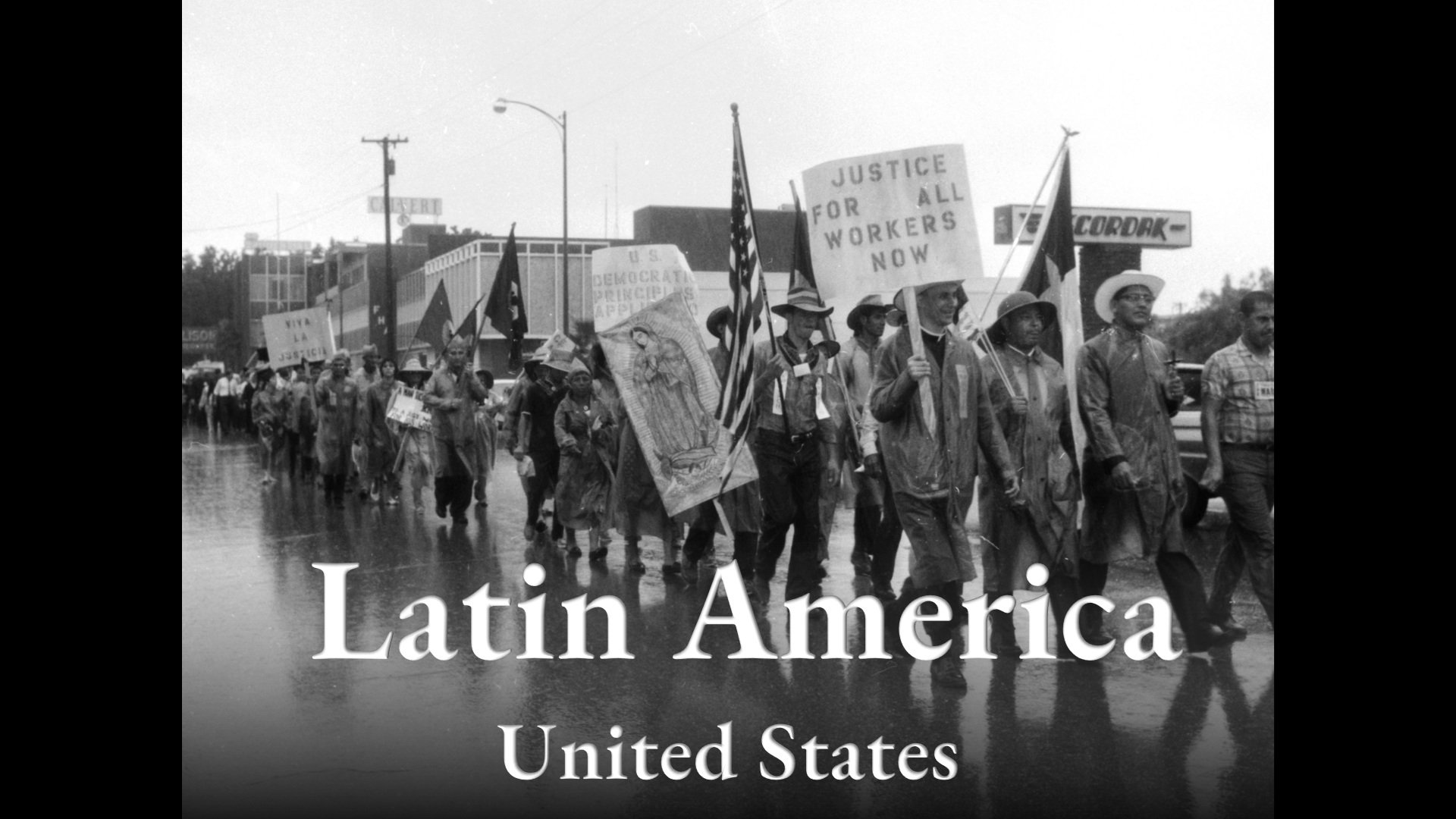
This section explores the experience and activities of Christians under colonial and modern regimes in the Americas. The pages are: African Americans Pre-1954 and Post-1954 because in 1954, the Supreme Court handed down Brown v. Board of Education, which was a turning point in the Civil Rights Movement and U.S. legal history; African American Spirituality; Asian America; Latin American In the US and Latin American Outside the US; Native American; White Anti-Supremacist; and White Supremacist. Other related topics include: Slavery and Race and Politics.
Church and Empire: Topics:
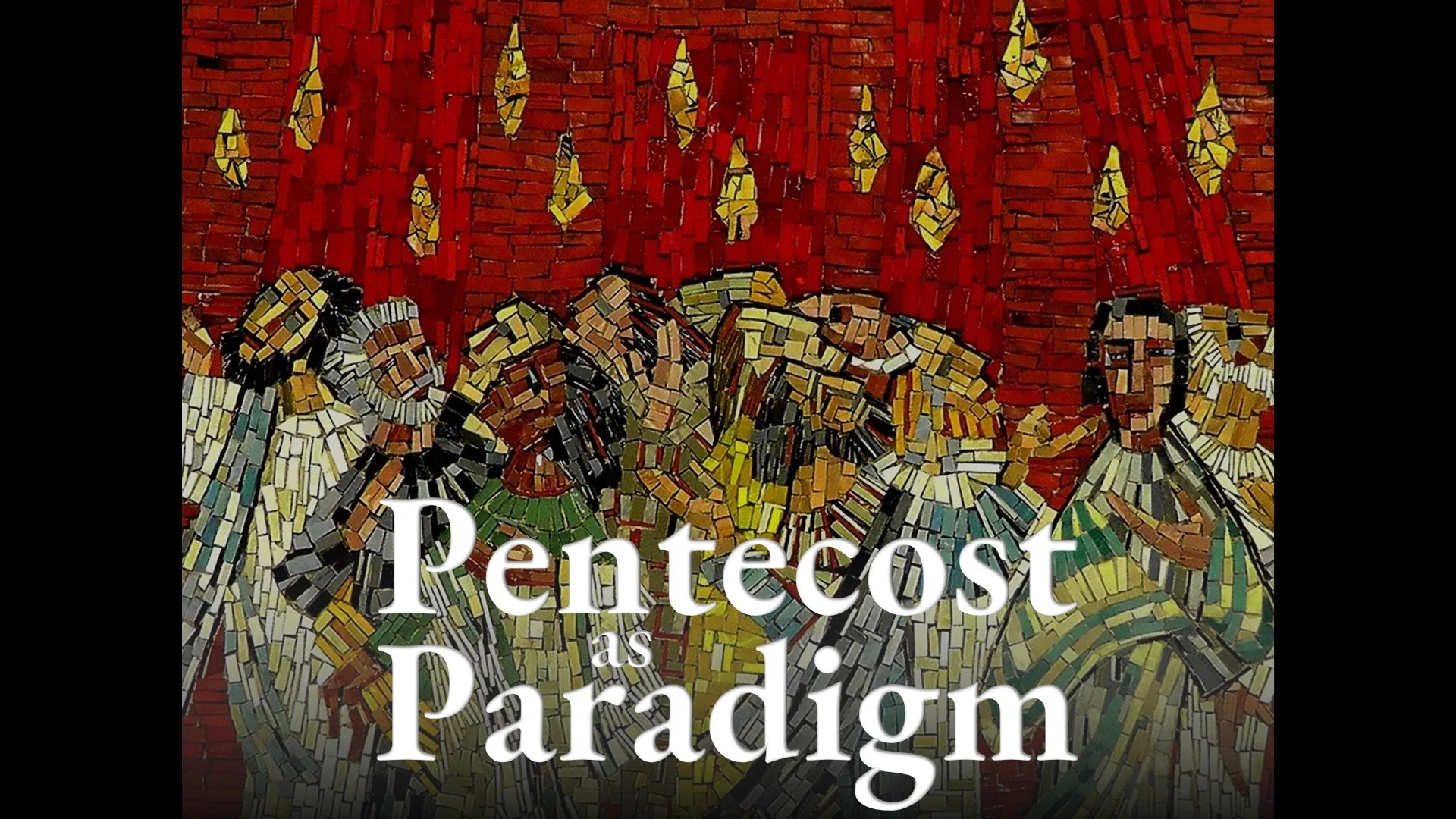
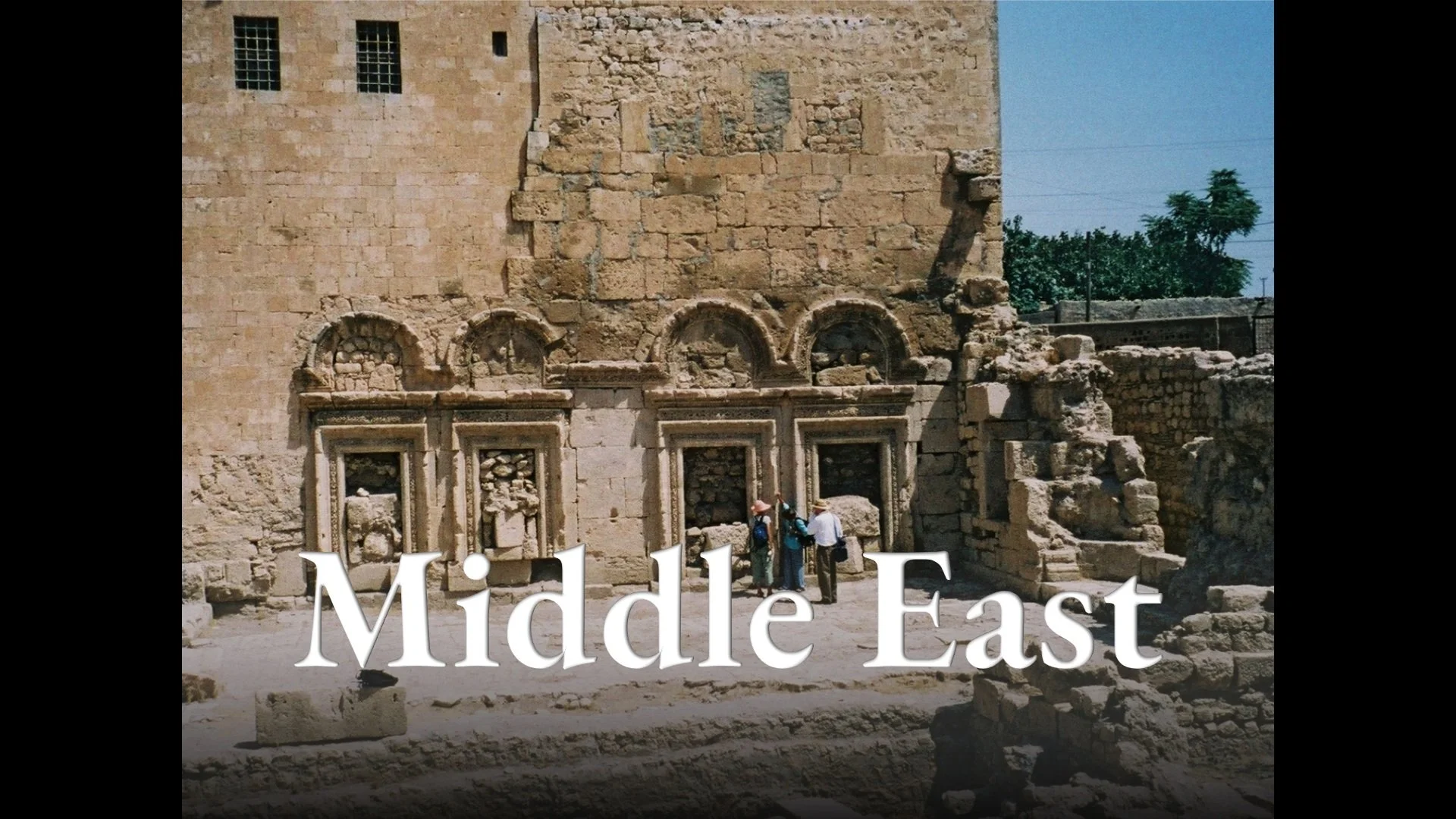
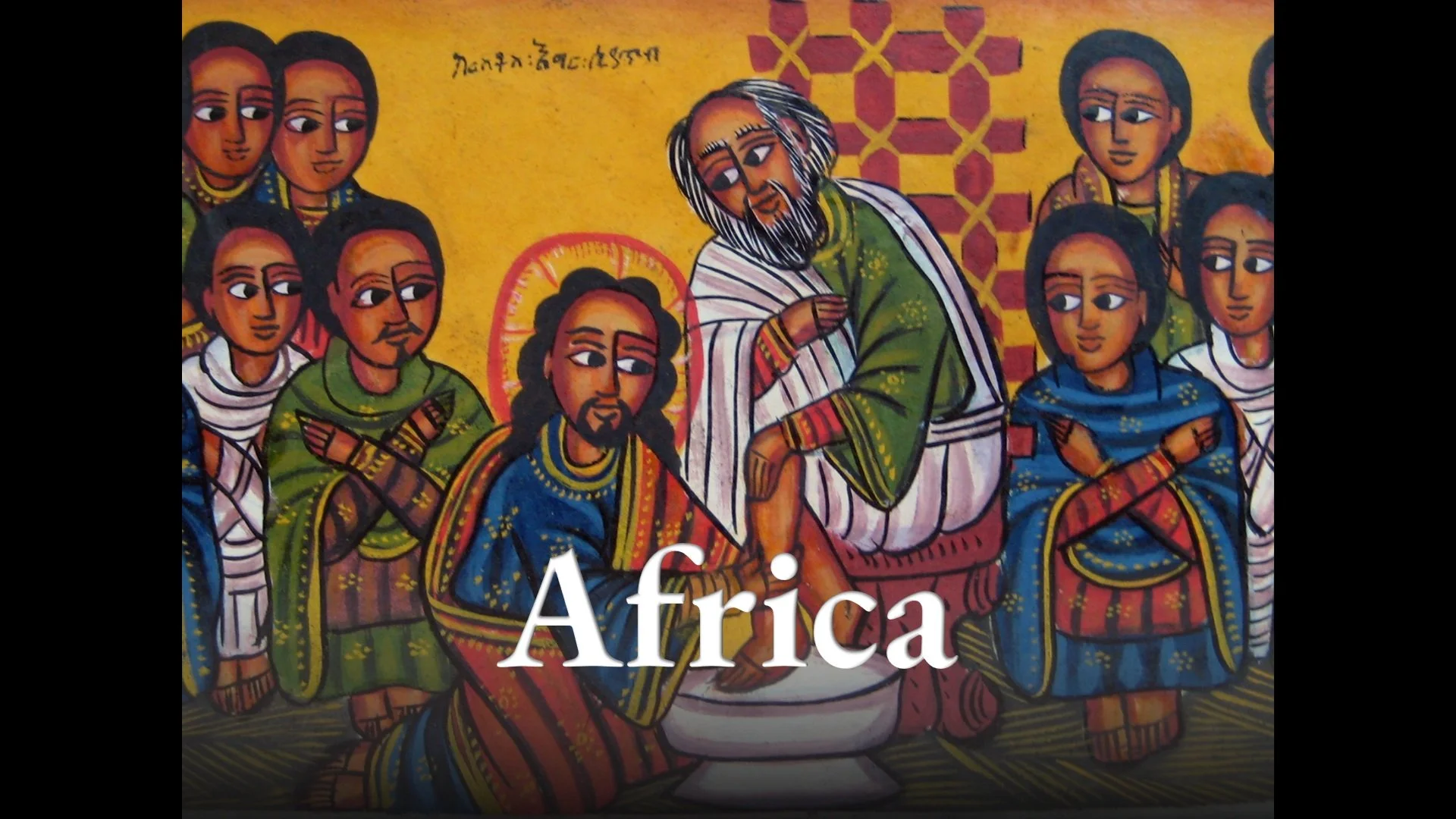
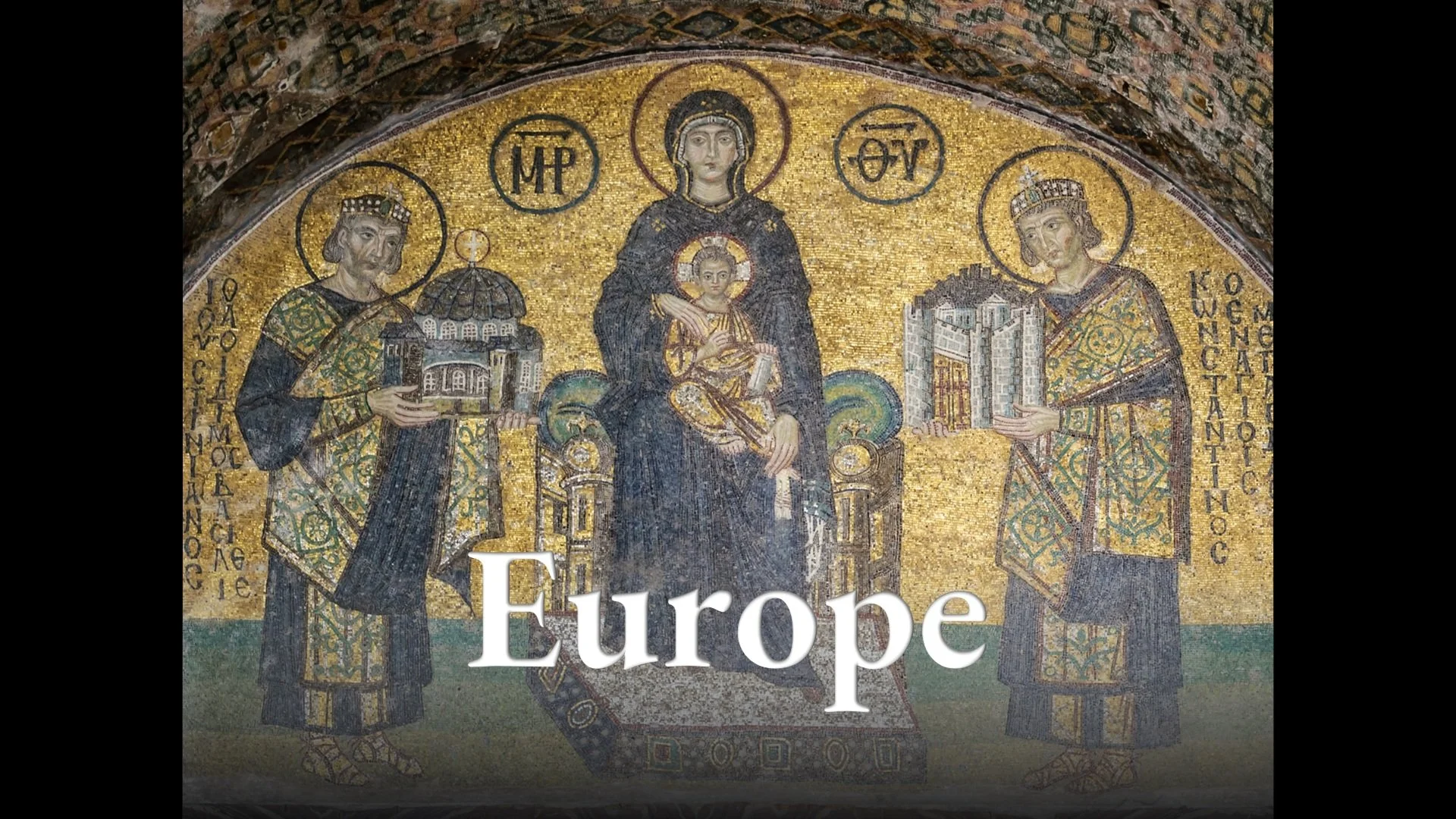
This page is part of our section on Church and Empire. These resources begin with a biblical exposition of Empire in Church and Empire and the meaning of Pentecost in Pentecost as Paradigm for Christianity and Cultures, then grouped by region.