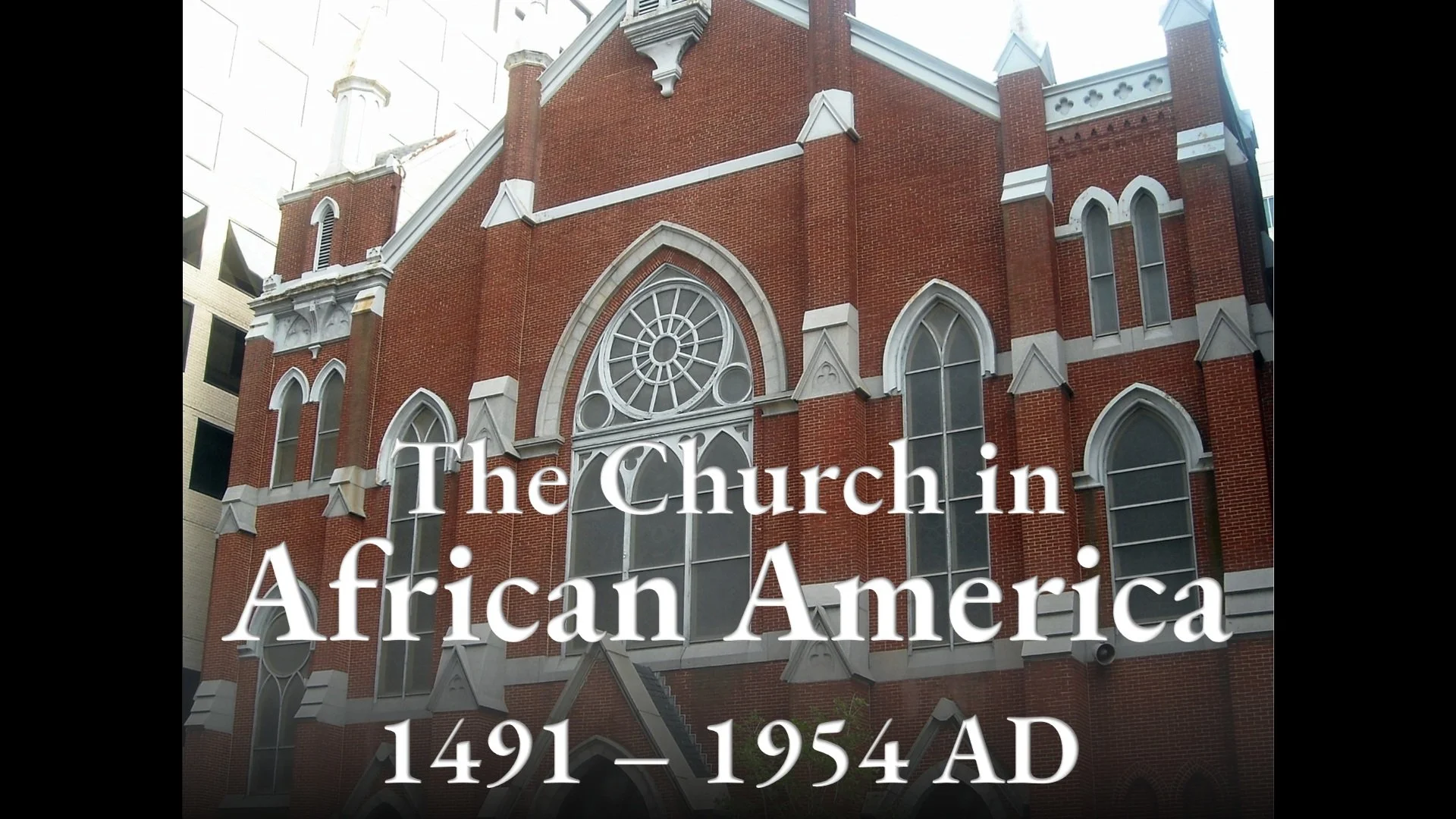
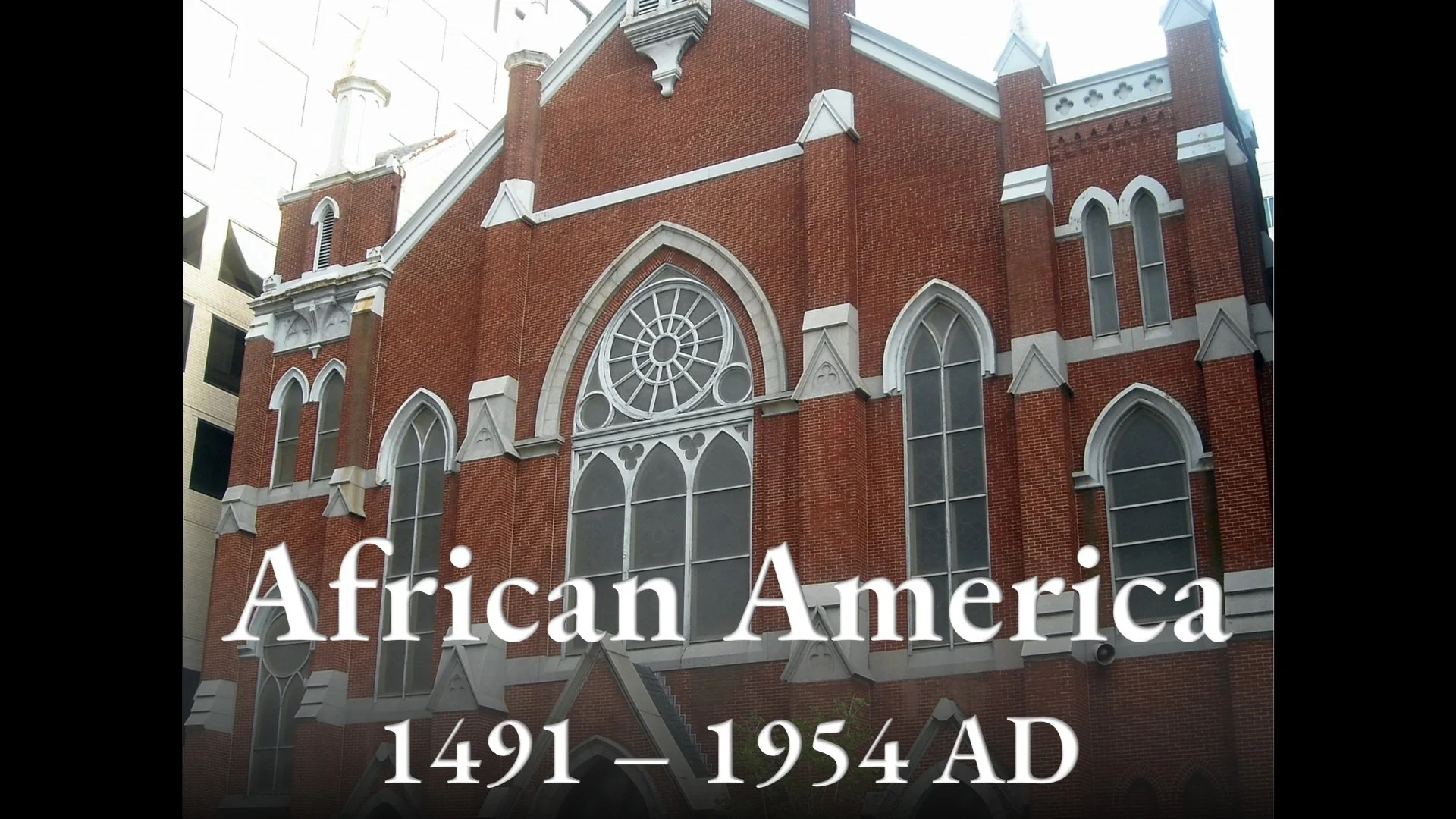
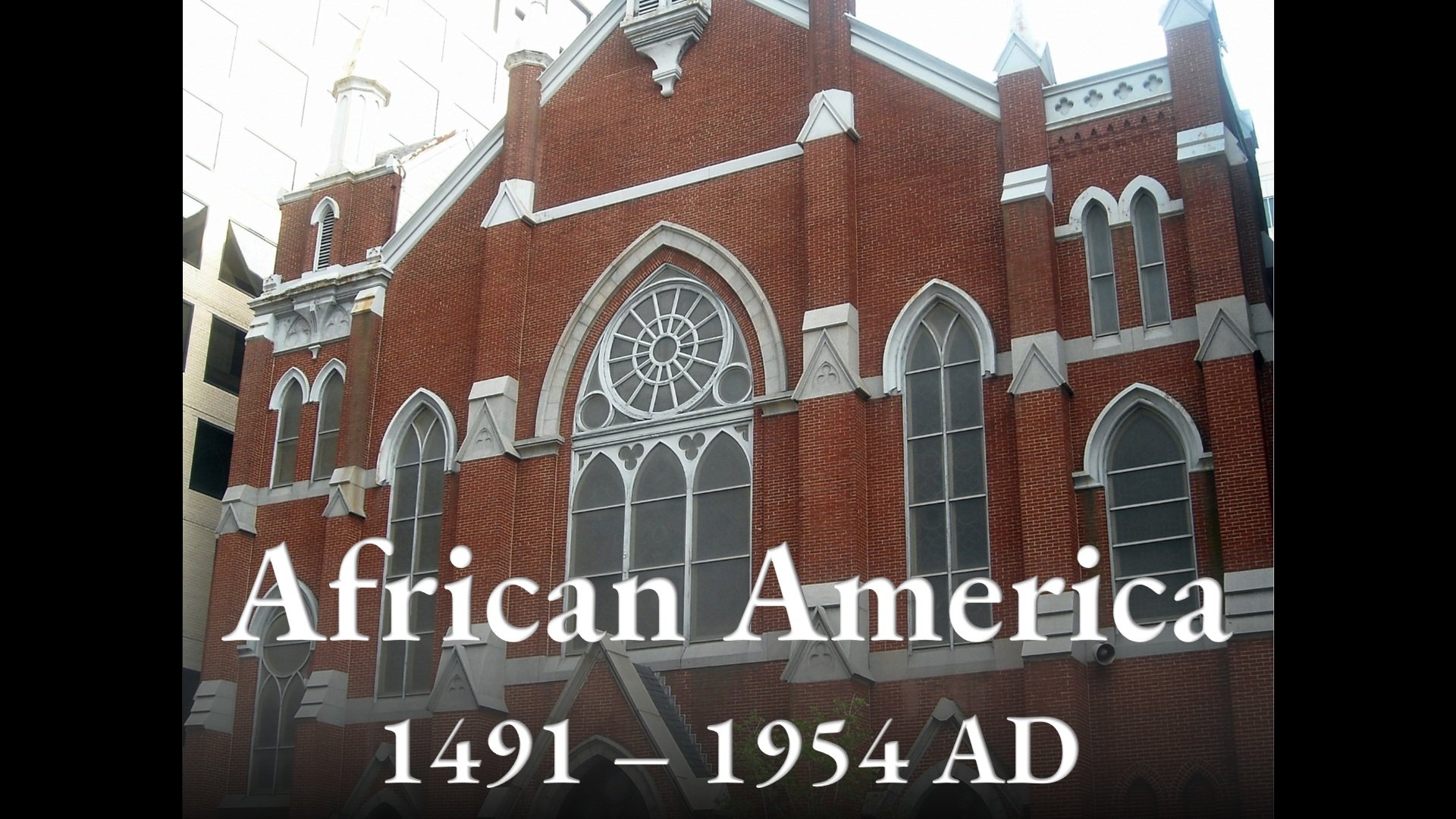
Photograph: Metropolitan AME Church, founded in 1838 as Union Bethel AME Church. Photo credit: Agnosticpreacherskid | CC3.0, Wikimedia Commons (cropped, color adjusted). The African Methodist Episcopal Church was the first Protestant independent denomination founded by black people, who wanted independence from white Methodists in 1816. African-American churches nourished faith, hope, and love as well as organizations like the NAACP, Urban League, and Historically Black Colleges and Universities. See Chris Hayes, ‘As Low As It Gets’: Black Lives Matter Signs Destroyed At Historic D.C. Churches. All In | MSNBC, Dec 15, 2020.
Introduction
The selection of perspectives on church history in this section — Church and Empire — has been guided by three factors: (1) to demonstrate that Christianity has not been a “white man’s religion”; (2) the study of empire as a recurring motif in Scripture by recent biblical studies scholars; and (3) explorations of biblical Christian ethics on issues of power and polity, to understand how Christians were faithful to Christ or not. Christian relational ethics continues a Christian theological anthropology that began with reflection on the human nature of Jesus, and the human experience of biblical Israel.
This page explores the experience, activities, and theological thought of African-American Christians in the U.S. prior to 1954. The famous Supreme Court case Brown v. Board of Education was decided in 1954, which reinvigorated the Fourteenth Amendment and energized a new wave of human rights and civil rights activities called The Civil Rights Movement.
Messages and Resources
Our video series, The Theology of Marvel’s Black Panther, is also found on our Arts and Theology section and our YouTube channel, where we put brief descriptions of each video. It’s a great way to engage people who have an appreciation for the movies, especially if they are also activists at heart, and wonder why we firmly argue that Christian faith is not a “white man’s religion.”
Dr. Vince Bantu, Assistant Professor of Church History at Fuller Seminary and Founder-Director of the Meachum School of Haymanot, joins Mako Nagasawa to appreciate Marvel's Black Panther. We talk about church history, Christian ethics and theology, and the lessons we need to learn today. Each video has questions for group discussion and/or personal reflection. In particular,
Part 1 explains the movie Black Panther in the context of the historical Black Panthers in Oakland, and explains Christian faith in the context of colonialism and resistance to colonialism and white supremacy
Part 3 examines the compelling character of Eric Killmonger, and why his embrace of the imperialist, violent option was ultimately flawed, and rooted in his own character flaw of being unwilling to suffer again, for others.
Part 4 examines T’Challa, and why he was heroic; we point out the Christian journey of descent and ascent where T’Challa’s arc is similar to Jesus’ arc, and why Jesus’ determination to lead his people to give to the world the gift from above was the only real option.
Part 5 explores the movie Wakanda Forever for the importance of leaders and their development, especially in grieving. Queen Ramonda shines as the moral center of the film because of her qualities as leader of her nation and family. Shuri takes up the mantle of her leadership, but only by entering into a process of grief, the embrace of tradition, and belief that there is something more than just the physical, material world. We reflect on Judaism contributing to the sense that human leaders are human, not divine, and therefore need to have integrity and compassion and mercy, while Jesus shows these human qualities are in fact the character of a loving God. We engage with an article by Inigo Laguna, How to Sabotage a Black Utopia. And while we recognize the possible point for future movies, we instead express gratitude to the Black Church Prophetic Tradition in the U.S. and the sacrifices made by heroic Black Christian leaders.
A thirteen minute video about the Virginia Company and the Massachusetts Bay Company. “For-profit Christianity” compared with more authentic Christianity. We turn a brief spotlight on Black Christians in VA who wrote a letter in 1723 to the Anglican bishop in London to set them free.
Slavery in the New England Colonies: Key Moments and Motivations. An outline (8 pages) of early events in the English Puritan colonization of New England. The outline draws on historical research to show how the Pequot War of 1637 - 38 was motivated, in large part, by financial reasons: The Puritans of Mass Bay Colony needed cheap labor, as the seven year contracts of English indentured servants were expiring, and the seven year monopoly on trade with Old England was expiring as well. New England then participated in the Triangular Trade, transporting enslaved Pequots and bringing back enslaved Africans. This outline focuses on stated motivations by the English settlers and slave traders involved. They drew on biblical language and categories but utterly betrayed Christian faith.
Searching for faithful ways of understanding and engaging our political and racial climate? Examine U.S. history from the standpoint of church history. This series of blog posts explore how Christian (mostly Protestant) heresies started and continue to influence our modern political and racial challenges, including in housing, schooling, policing, and business systems. Christians must take responsibility for these heresies in the framework of repentance. We lead the material in online discussion groups, but you can use the study guide with the blog posts for personal reflection or discussion in your family, church, organization, etc. See the whole course or just the blog posts.
The Role of Jesus in Revolution and the Pursuit of Justice
This is an evangelistic message that highlights the Christian-led and Christian-influenced non-violent resistance movements throughout the world in the 20th century, such as the Black Church and the Civil Rights Movement in the U.S. These movements show the spiritual vitality of Christian faith under empire or empire-like oppression.
-
Linda M. Heywood and John K. Thornton, Central Africans, Atlantic Creoles, and the Foundation of the Americas, 1585-1660. Cambridge University Press | Amazon page, 2007. Heywood and Thornton detail the remarkable story of how King Afonso of Kongo became a baptized Catholic in 1491, one year before Columbus set sail for the Americas, and fully welcomed more Catholic priests and missionaries. In a few years, up to 20% of the West African people taken as slaves to the Americas were Catholic Christians; this means that church history had to be falsified in order for the Catholic Doctrine of Discovery to take effect; see also John Thornton, The Development of an African Catholic Church in the Kingdom of Kongo, 1491–1750. The Journal of African History, Jan 1, 2009. To see the ramification of this history among Protestants and Catholics in the U.S., see the Protestant theologian and professor, David Daniels III, 1619 and The Arrival of African Christianity. McCormick Theological Seminary, Sep 3, 2019. See the Catholic discussion between Matthew Davis and Father Gerard Marable, The Journey from 1619 for the Catholic Church. Catholic Star Herald, Nov 21, 2019. Daniels writes:
“The Africans of 1619 came to North America, according to Thornton and other scholars, from one of the most Christianized regions in Africa: the Empire of the Kongo and its neighboring kingdoms of Loango and Ndongo located along or near the west-central African Atlantic coast. By 1619, the Kongolese Empire possessed its own cathedral, churches, lay Christian societies, and schools for girls and boys; Africans served as Catholic priests, catechists, church musicians, school principals, school teachers, court scribes, and Christian monarchs; in the prior century, there even existed a Catholic bishop of Kongolese descent. At the Catholic college in the nearby Portuguese colonial outpost at Luanda, Africans were enrolled as students and were among the graduates. In comparison to the Kongo of 1619, early colonial Virginia was an undeveloped Christian society.”
John Thornton and Linda Heywood, A Forgotten African Catholic Kingdom. The Root, Aug 12, 2011. This led to the Stono Rebellion of 1739 in South Carolina (Wikipedia article), led by Catholic Kongolese-Americans; see Lisa Vox, What Impact Did the Stono Rebellion Have on the Lives of Slaves? Thoughtco, Jan 13, 2018.
Letter from Virginia Slaves to Bishop Edmund Gibson. August 4, September 8, 1723. (Encyclopedia Virginia) asking Gibson to set them free on account of their being Christian
Wikipedia, George Lisle (Wikipedia article) pastor and missionary, ~1750 - 1828; see George Liele, Negro Slavery's Prophet of Deliverance. The Baptist Quarterly. Lisle was the first American to be ordained as a missionary to any other land, see Boston University School of Theology, George Liele. Boston University School of Theology, date unknown.
David Walker, Walker's Appeal, in Four Articles; Together with a Preamble, to the Coloured Citizens of the World, but in Particular, and Very Expressly, to Those of the United States of America, Written in Boston, Massachusetts September 28, 1829, Documenting the American South.
Wikipedia, Nat Turner’s Slave Rebellion (Wikipedia article). Turner led a rebellion in Virginia in 1831 — the bloodiest in slave revolt history — after claiming to have private revelation from the Christian God. See Patrick H. Breen, The Land Shall Be Deluged in Blood: A New History of the Nat Turner Revolt. Oxford University Press | Amazon page, Jan 2016. See short article by Patrick H. Breen, Understanding the Gospel of Nat Turner. Smithsonian Magazine, Oct 7, 2016. “The leader of the deadly slave revolt had a deep Christian faith that propelled his rebellious actions.” See short summary of the rebellion by Christopher Turner, 10 Things You May Not Know About Nat Turner’s Rebellion. History, May 24, 2016.
Frederick Douglass, Narrative of the Life of Frederick Douglass. Public domain, 1845 | Amazon book, 2016. See also The Life and Times of Frederick Douglass. Public domain, 1889, 1892 | Amazon book, 2003.
Frederick Douglass, Speech Against the War Against Mexico (May 31, 1849 in Faneuil Hall in Boston, MA). In 1829, Mexico abolished slavery, threatening the power of slaveholders who wanted to expand the territory in which slaves could be legally held. For the next two decades, a battle would be fought over the status of Texas. In a speech in Belfast, Ireland, in 1846, the fiery abolitionist Frederick Douglass described the U.S. annexation of Texas as a "conspiracy from beginning to end— a most deep and skillfully devised conspiracy — for the purpose of upholding and sustaining one of the darkest and foulest crimes ever committed by man." In this speech1, delivered in Boston in 1849, Douglass, speaking to other abolitionists, calls for forcible resistance against the invasion of Mexico — and against slave owners in the South.
Frederick Douglass, The Slaveholders’ Rebellion (July 4, 1862). See Jemar Tisby, Frederick Douglass' Other Fourth of July Speech: "The Slaveholders' Rebellion". Footnotes by Jemar Tisby | Substack, Jul 4, 2023.
Frederick Douglass, Speech at the Dedication of Emancipation Memorial of Abraham Lincoln (Apri1876). Dickinson College. Douglass gives an excellent example of truth-telling and public righteousness.
“He was preeminently the white man’s President, entirely devoted to the welfare of white men. He was ready and willing at any time during the first years of his administration to deny, postpone, and sacrifice the rights of humanity in the colored people to promote the welfare of the white people of this country. In all his education and feeling he was an American of the Americans. He came into the Presidential chair upon one principle alone, namely, opposition to the extension of slavery. His arguments in furtherance of this policy had their motive and mainspring in his patriotic devotion to the interests of his own race. To protect, defend, and perpetuate slavery in the states where it existed Abraham Lincoln was not less ready than any other President to draw the sword of the nation. He was ready to execute all the supposed guarantees of the United States Constitution in favor of the slave system anywhere inside the slave states. He was willing to pursue, recapture, and send back the fugitive slave to his master, and to suppress a slave rising for liberty, though his guilty master were already in arms against the Government. The race to which we belong were not the special objects of his consideration.”
Rev. William J. Simmons, Men of Mark: Eminent, Progressive and Rising. Originally 1887; Create Space Independent Publishing Platform | Amazon book, Dec 19, 2011. Simmons spotlights Robert Smalls, who escaped the South during the Civil War, fought for the Union, inspired many African Americans to fight as well, and helped build the public school system in the South
J.P. Lippincott and the Brotherhood of Liberty, Justice and Jurisprudence: An Inquiry Concerning the Constitutional Limitations of the Thirteenth, Fourteenth, and Fifteenth Amendments. Google books, 1889.
Sarah Duncan, Progressive Missions in the South and Addresses With Illustrations and Sketches of Missionary Workers and Ministers and Bishops' Wives. The Franklin Printing and Publishing Company 1906 | The University of North Carolina 2000. Sara J. Hatcher Duncan (1869-1906), born in Alabama, daughter of a freed slave, was a teacher, missionary, social activist, and author. She was President of the African Methodist Episcopal Church's Women's Home and Foreign Missionary Society in 1900 and issued a report entitled "Woman a Factor in the Development of Christian Missions.” She wrote:
"The time has come when the world is learning to acknowledge and appreciate the idea meant in God's creation that woman is helpmeet to man, and have at last decided that woman has no sphere, but inasmuch as the world is to be what its women make it, she is a part and parcel of all things to which man is appointed."
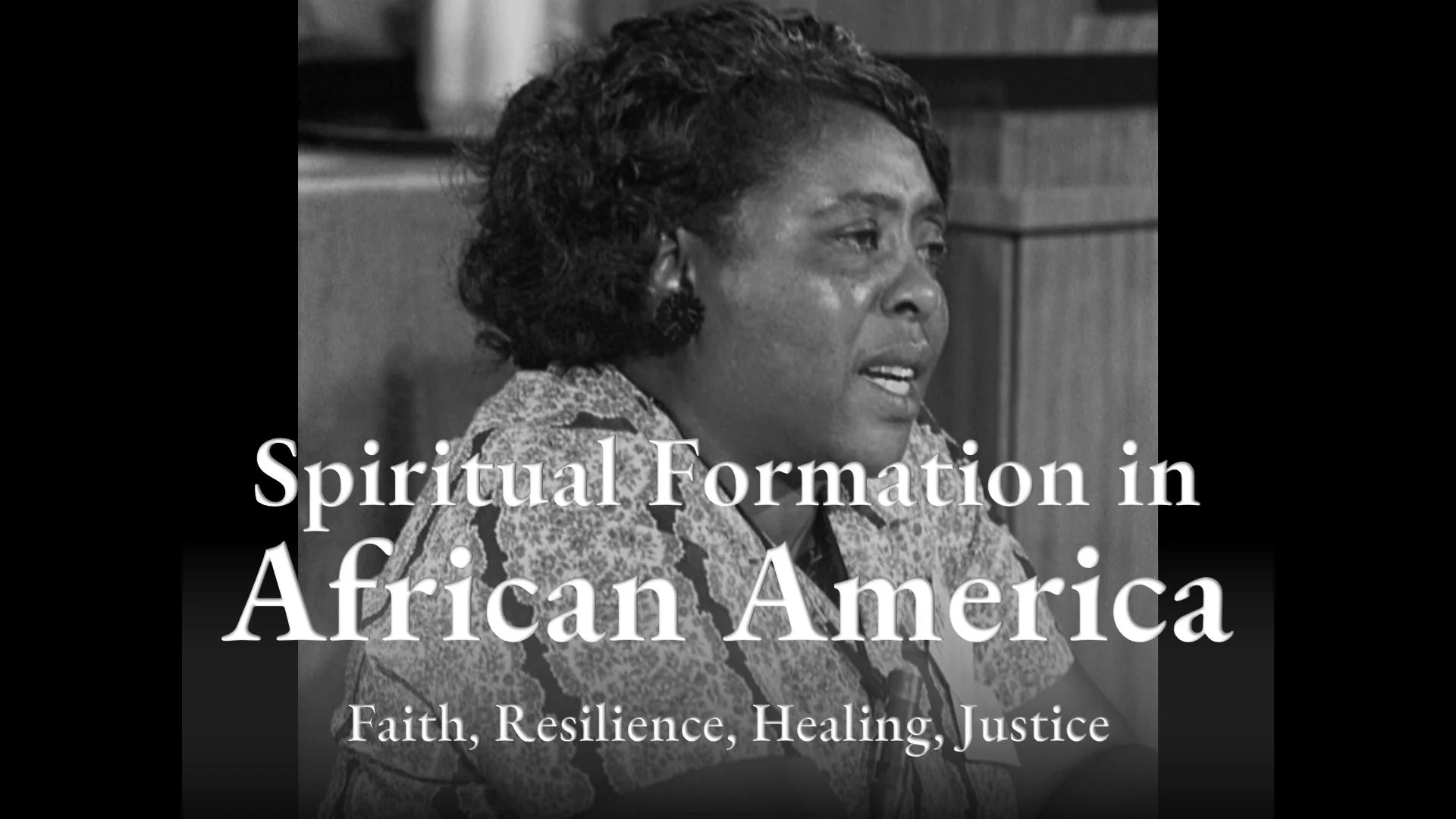
Marcia Y. Riggs and Barbara Holmes, Can I Get a Witness?: Prophetic Religious Voices of African American Women : An Anthology. Orbis Books | Amazon book, 1997. Riggs and Holmes spotlight Ida Wells Burnett, Mary McLeod Bethune, Fannie Lou Hamer, and many other women – a very valuable resource.
Jone Johnson Lewis, African American History and Women Timeline. Women's History website.
Tera W. Hunter, To 'Joy My Freedom: Southern Black Women's Lives and Labors after the Civil War. Harvard University Press | Amazon book, 1997.
Howard Thurman, Jesus and the Disinherited. Amazon book, 1949. Thurman’s impactful and still relevant presentation of Jesus in his socio-political context.
Albert J. Raboteau, Slave Religion: The "Invisible Institution" in the Antebellum South. Oxford University Press | Amazon book, 1978. Raboteau pieces together what we can know historically about early African-American Christian worship, and how it became black Christianity today.
C. Eric Lincoln and Lawrence H. Mamiya, The Black Church in the African American Experience. Duke University Press | Amazon book, 1990. Lincoln and Mamiya give a thorough organizational history, especially of the major black church denominations. Foundational and essential.
Carl F. Ellis Jr., Free at Last?: The Gospel in the African-American Experience. InterVarsity Press | Amazon book, 1983, 1996. Ellis explores the black church's historic emphasis on exodus and exile motifs from Scripture, also suggests that Malcolm X was actually moving back to Christian faith.
Donald M. Jacobs, Courage and Conscience: Black and White Abolitionists in Boston. Indiana University Press | Amazon page, 1993. “Until recently little was known of the contributions of African Americans in the antebellum abolition movement. Massachusetts, having granted voting rights early on to black males, was a center of antislavery agitation. Courage and Conscience documents the black activism in 19th-century Boston that was critical to the success of the abolitionist cause.”
Albert J. Raboteau, A Fire in the Bones: Reflections on African-American Religious History. Beacon Press | Amazon book, 1995. Raboteau describes the struggles and preaching of the black American church from slavery to the Civil Rights Movement, and explores its significance for American history and self-understanding.
David D. Daniels, Why Pentecostalism's Multiethnic Beginning Floundered. Christianity Today, 1998.
Andrew Billingsley, Mighty Like a River: The Black Church and Social Reform. Oxford University Press | Amazon page, Jun 1999.
Editors, Black Christianity Before the Civil War: From the Editor - The Trojan Horse Gospel. Christianity Today, 1999.
A.G. Miller, A Timeline of Black Christianity Before the Civil War. Christianity Today, 1999.
Yolanda Smith, The Musical Theology of Spirituals. Christianity Today, 1999.
Ted Olsen, By Any Means Necessary: Black Abolitionists Were Tired of Waiting for a Gradual, Peaceful End to Slavery. Christianity Today, 1999.
Milton C. Sernett, African American Religious History: A Documentary Witness. Duke University Press | Amazon book, 1999.
Milton C. Sernett, The Expatriate Option: Some Blacks, Like George Liele, Had to Emigrate to Live and Minister Freely. Christianity Today, 1999.
Will Gravely, You Must Not Kneel Here: One April Sunday, Richard Allen and Other Black Methodists Decided They Wouldn't Stand for Prejudice Anymore. Christianity Today, 1999.
Carolyn McCulley, Baptist Power: How the Largest African-American Denomination in the World Got Its Start. Christianity Today, 1999.
Mark Sidwell, Black Christianity Before the Civil War: A Gallery - The Fruit of Freedom. Christianity Today, 2009.
Albert J. Raboteau, The Dignity of Faith: What Does the Experience of Black Christians Before the Civil War Have to Say to American Christians (Both Black and White) Today? Christianity Today, 2009.
Cheryl Sanders, Faith and Justice: What Does the Experience of Black Christians Before the Civil War Have to Say to American Christians (Both Black and White) Today? Christianity Today, 2009.
Robert L. Stevenson, Need for Community: What Does the Experience of Black Christians Before the Civil War Have to Say to American Christians (Both Black and White) Today? Christianity Today, 2009.
Tim Stafford, Frederick Douglass’s Crusade Against ‘Soul-Destroying Religion’ Christianity Today, Feb 2009.
Tiffany M. Gill, Beauty Shop Politics: African American Women's Activism in the Beauty Industry. University of Illinois Press, 2010. Madam C.J. Walker was a pioneer in the Black beauty industry. She made possible Black women becoming businesspeople and owners of salons, which became central to the Civil Rights Movement. In 1957, Dr. King said Black beauticians were central to the Movement. Not only were these salons places of recovery, safety, discussion, and activism; these Black women were independent businesspeople so a stylist had more economic independence. There are stories of men whose wives were beauticians so they didn’t fear job discrimination or getting fired for speaking out. See also Tiffany M. Gill, African American Women and the Civil Rights Movement. C-SPAN, Apr 19, 2018. A 60 minute video. An excellent treatment to broaden the definition of activism, centering Black women and their concerns, voice, and activity. For example, beauty salons and hairdresser shops became places of recovery, activism, and planning. Black women called attention to sexual harassment and abuse, by White men in particular, on account of their jobs as domestic workers in segregated White neighborhoods. Anne Moody wrote about growing up in Mississippi and speaks of going to a Black hair salon.
Raphael G. Warnock, The Divided Mind of the Black Church: Theology, Piety, and Public Witness. NYU Press | Amazon book, 2013.
Reggie L. Williams, Bonhoeffer's Black Jesus: Harlem Renaissance Theology and an Ethic of Resistance. Baylor University Press | Amazon book, 2014.
Mark Galli, The Inconceivable Start of African-American Christianity: Why Slaves Adopted Their Oppressors' Religion - and Transformed It. Christianity Today, Feb 21, 2014.
Patrick Young, When a Ban on the Chinese Was Proposed and Frederick Douglass Spoke Out. Long Island Wins, Feb 8, 2017.
Jonathan M. Hansen, In W. E. B. Du Bois, Finding An Identity Politics We Can All Believe In. WBUR, Feb 16, 2017.
Janna Malamud Smith, How A Black Businessman Helped Save William Lloyd Garrison's Newspaper. WBUR, Feb 2, 2017.
Eric Washington, Jarena Lee: Trailblazing African-American Preacher and 'Self-Made' Woman. Christianity Today, May 2017.
Dante Stewart, Why the Enslaved Adopted the Religion of Their Masters—and Transformed It. Christianity Today, Feb 2018.
Dawn Araujo-Hawkins, Black Spiritual Traditions Have Long History in Catholic Church. Global Sisters Report, National Catholic Reporter, Mar 19, 2018. tracing back Catholic faith among West Africans enslaved and brought to the US from Catholic Kongo.
Nikole Hannah-Jones, Our Democracy’s Founding Ideals Were False When They Were Written. Black Americans Have Fought to Make Them True. NY Times Magazine, Aug 14, 2019. “And to this day, black Americans, more than any other group, embrace the democratic ideals of a common good. We are the most likely to support programs like universal health care and a higher minimum wage, and to oppose programs that harm the most vulnerable. For instance, black Americans suffer the most from violent crime, yet we are the most opposed to capital punishment. Our unemployment rate is nearly twice that of white Americans, yet we are still the most likely of all groups to say this nation should take in refugees.”
Chris Hayes, ‘As Low As It Gets’: Black Lives Matter Signs Destroyed At Historic D.C. Churches. All In | MSNBC, Dec 15, 2020. Metropolitan AME and Asbury United Methodist.
Christine Mungai, Jesus Was a Victim of Empire. Acknowledging This Should Transform Christianity. Truth Out, Dec 16, 2020. a personal journey centered in Kenya but inspired by the writings of African American theologian Howard Thurman.
Fran Quigley, To Rev. Angela Cowser, “the Biblical Basis for Socialism Is Undeniable”. Jacobin Magazine, Dec 25, 2020. More of a biographical sketch rather than an exploration of her interaction with Scripture. Mentioned are Acts and the Jubilee principle.
World Channel, Fannie Lou Hamer's America. America ReFramed, Feb 23, 2022. This documentary was developed by Hamer’s niece. It features sound bites, songs, and video clips from Hamer, allowing her to voice to be heard.
Paul Abernathy, The Prayer of a Broken Heart: An Orthodox Christian Reflection on African American Spirituality. Ancient Faith Publishing, Feb 2022. Includes very moving biographical information from African American Christians in the past. “What do African American spirituality and Orthodox Christianity have in common? More than you might think. Drawing on both his own background as a biracial convert to Orthodoxy and historical resources that span St. Athanasius to Frederick Douglass, Fr. Paul Abernathy details the many intersections between these two traditions, including a redemptive understanding of the Cross and a faith shaped by suffering and persecution. In so doing, he points to a new path whereby Orthodox Christianity can uniquely answer the spiritual needs of African Americans. Fr. Paul Abernathy is an African American Orthodox Christian priest and founding pastor of St. Moses the Black Orthodox Church in the Hill District, a predominantly Black neighborhood of Pittsburgh, Pennsylvania. He is the founder and CEO of the Neighborhood Resilience Project, an Orthodox Christian nonprofit focusing on building resilient, healing, and healthy communities through Trauma Informed Community Development. He is a nationally renowned speaker whose work has been featured on NBC, ABC, CBS, BBC, Ard (German) TV, and NPR. Fr. Paul is a U.S. Army Iraq War veteran and holds master’s degrees from the University of Pittsburgh and St. Tikhon’s Orthodox Theological Seminary. He and his beloved wife Kristina have two beautiful children.”
Our Daily Bread, Juneteenth: Faith and Freedom | A Documentary from Our Daily Bread Voices Collection. Our Daily Bread, Jun 7, 2022. This is an excellent 75 minute documentary, from the perspective of African American Christians. The interviews argue that the Black Church, not white Protestants, preserved the gospel faithfully in the face of white supremacy.
Hasan Kwame Jeffries, Narratives of the Civil Rights Movement. C-SPAN, Jul 8, 2024. An excellent 90 minute video. Using Dr. Martin Luther King, Jr. as the focal lens of the Civil Rights Movement pushes ordinary men and women, grassroots organizing, and the nation-wide scope of both White supremacy and Black civil rights efforts.
Bradley Onishi and Dan Miller, Christian Fascism at the State of the Union | SWAJ Weekly Roundup. Straight White American Jesus Podcast, Mar 7, 2025. An exposition of Representative Al Green (D-TX) standing and waving his cane at President Trump for claiming to have a mandate. Meanwhile, Vice President J.D. Vance, who calls himself a Catholic albeit in the stream of reactionary Catholics like billionaire Peter Thiel, and Speaker of the House Mike Johnson, a Southern Baptist who wanted to overturn the 2020 election at the January 6, 2021 insurrection. Brad and Dan explore the history of what these political leaders have said, the policies they have supported, and the networks to which they are connected. Meanwhile, Al Green is a Black Baptist from the NAACP standing up for the vulnerable and the programs of Social Security, Medicare, and Medicaid. Rep. Dan Newhouse (R-WA) moved to censure Green on the grounds of violating “decorum.” Ten Democrats voted with the Republicans to censure Green. Recall that Rep. Marjorie Taylor Green (R-GA) loudly interrupted President Biden but was not censured — and she is White.
Nikki Stewart, Diane Dwyer, Jane Kamensky, Kyera Singleton, Rahsaan D. Hall, and Carol Rose, Boston Resistance: Then and Now. GBH Forum Network, May 20, 2026. A 90 minute video. “This panel discussion launches Silence Dogood’s Precedented Times Series at Old North Church. Supported by Mass Humanities’ Promises of the Revolution initiative, this new series builds on Silence Dogood’s projection-based storytelling to create spaces for live civic dialogue, rooted in Boston’s deep tradition of public dissent and collective action. Inspired by historic New England town halls, this series convenes conversations in the very buildings where Bostonians have gathered for generations to wrestle with questions of liberty, justice, and power. Each event pairs leading historians with contemporary organizers to explore how today’s most urgent challenges have clear historical precedent, and how that perspective can inspire meaningful action.”
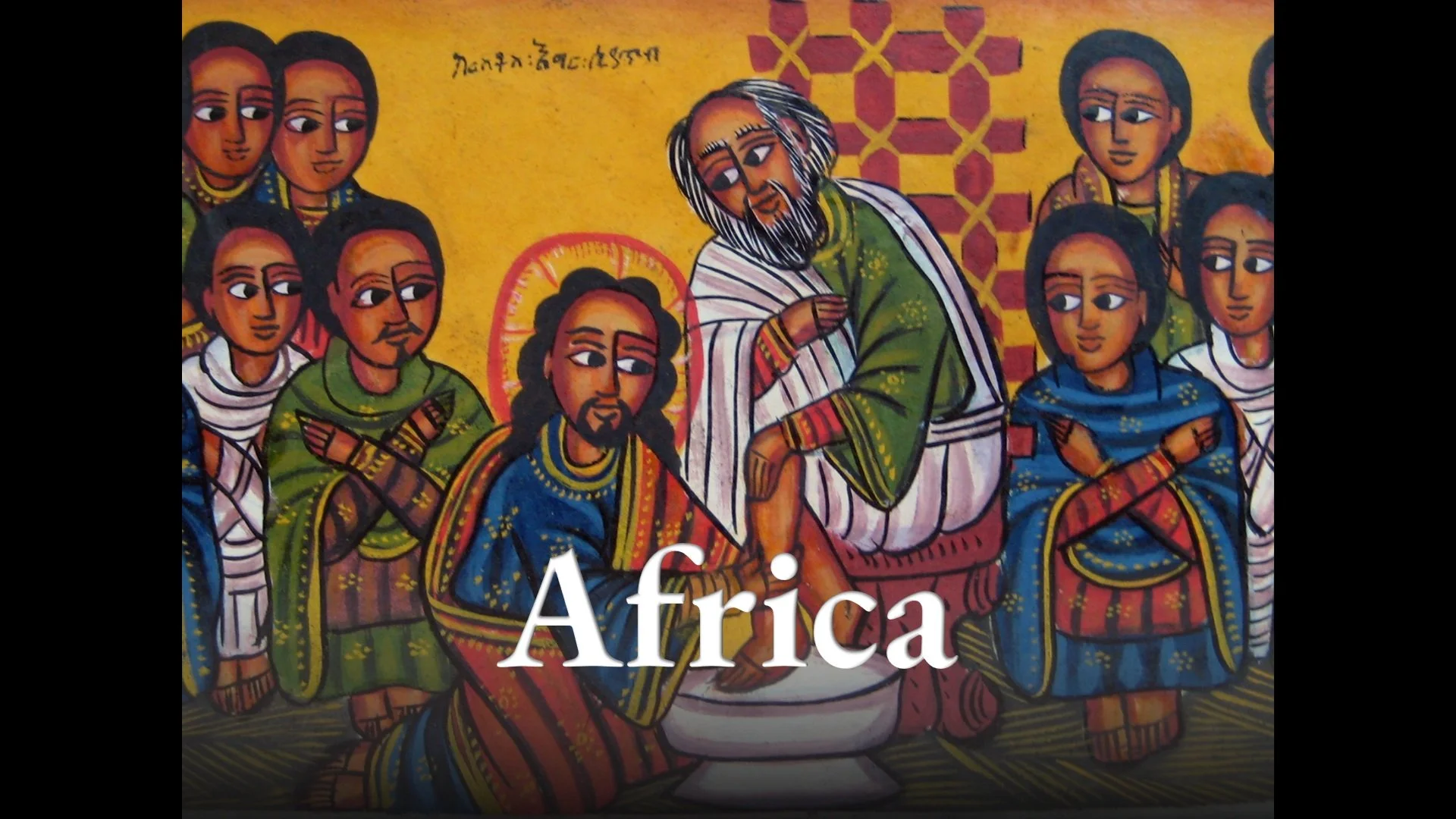
Church and Empire in Africa: Topics:
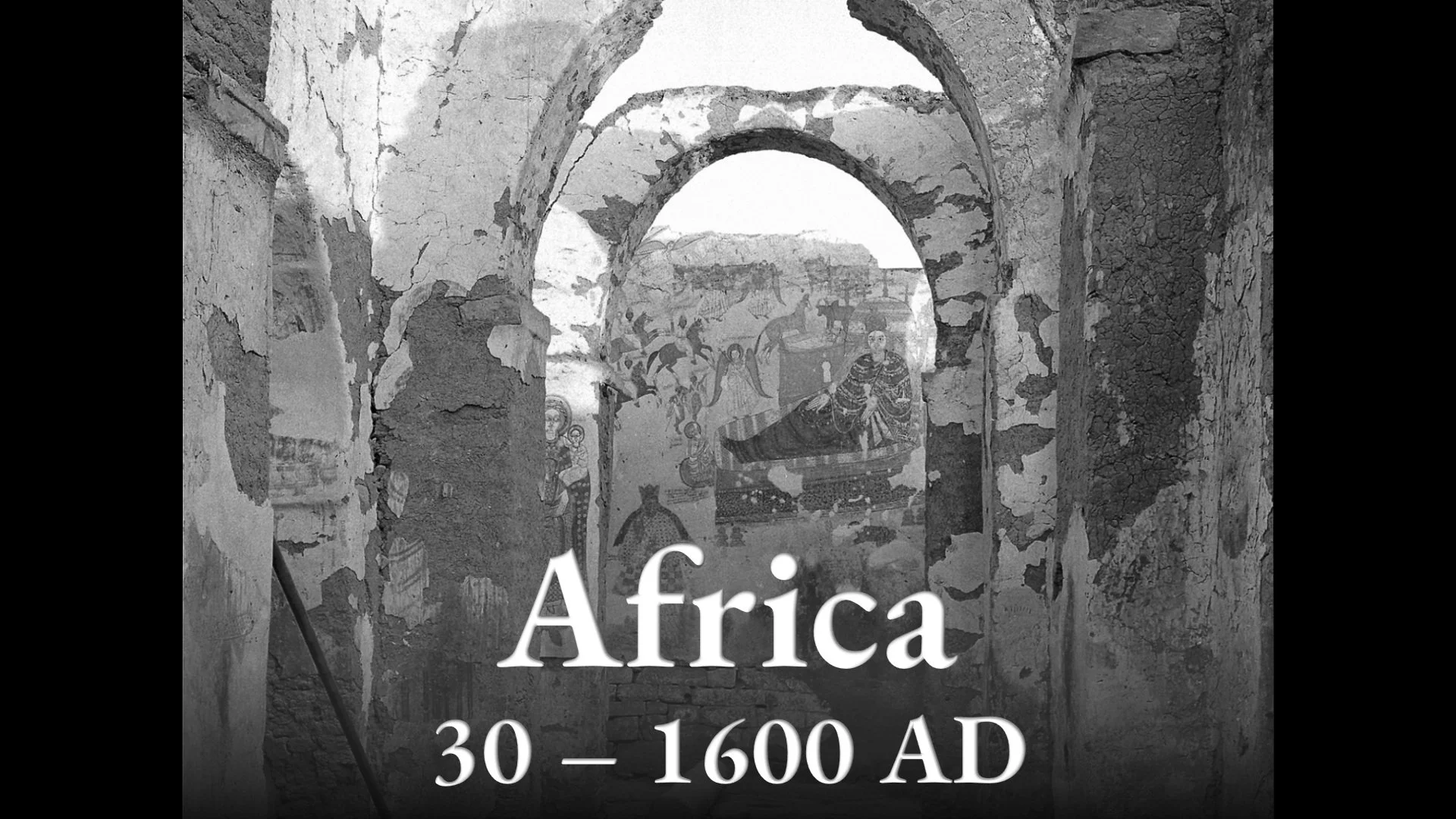
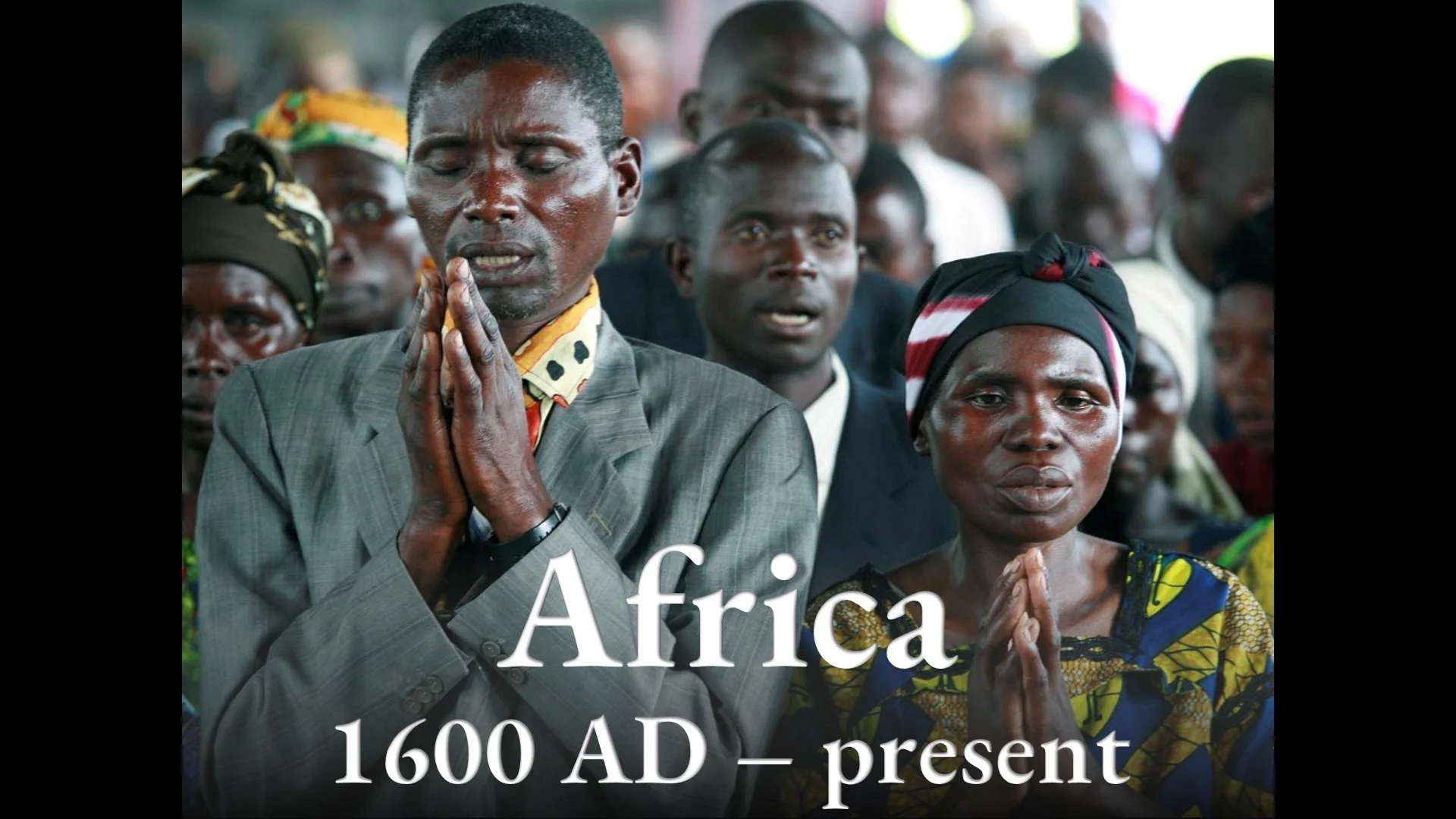
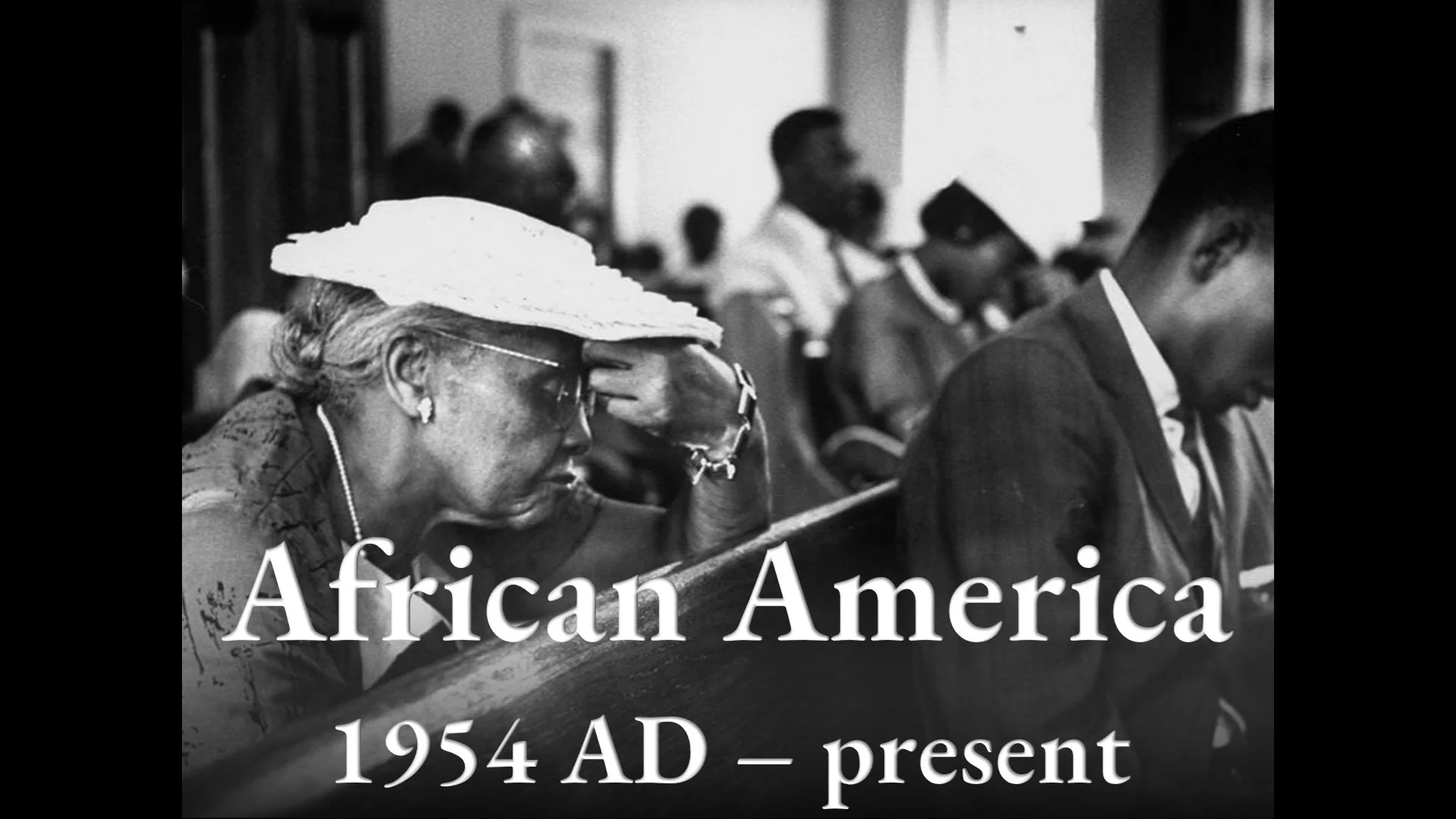
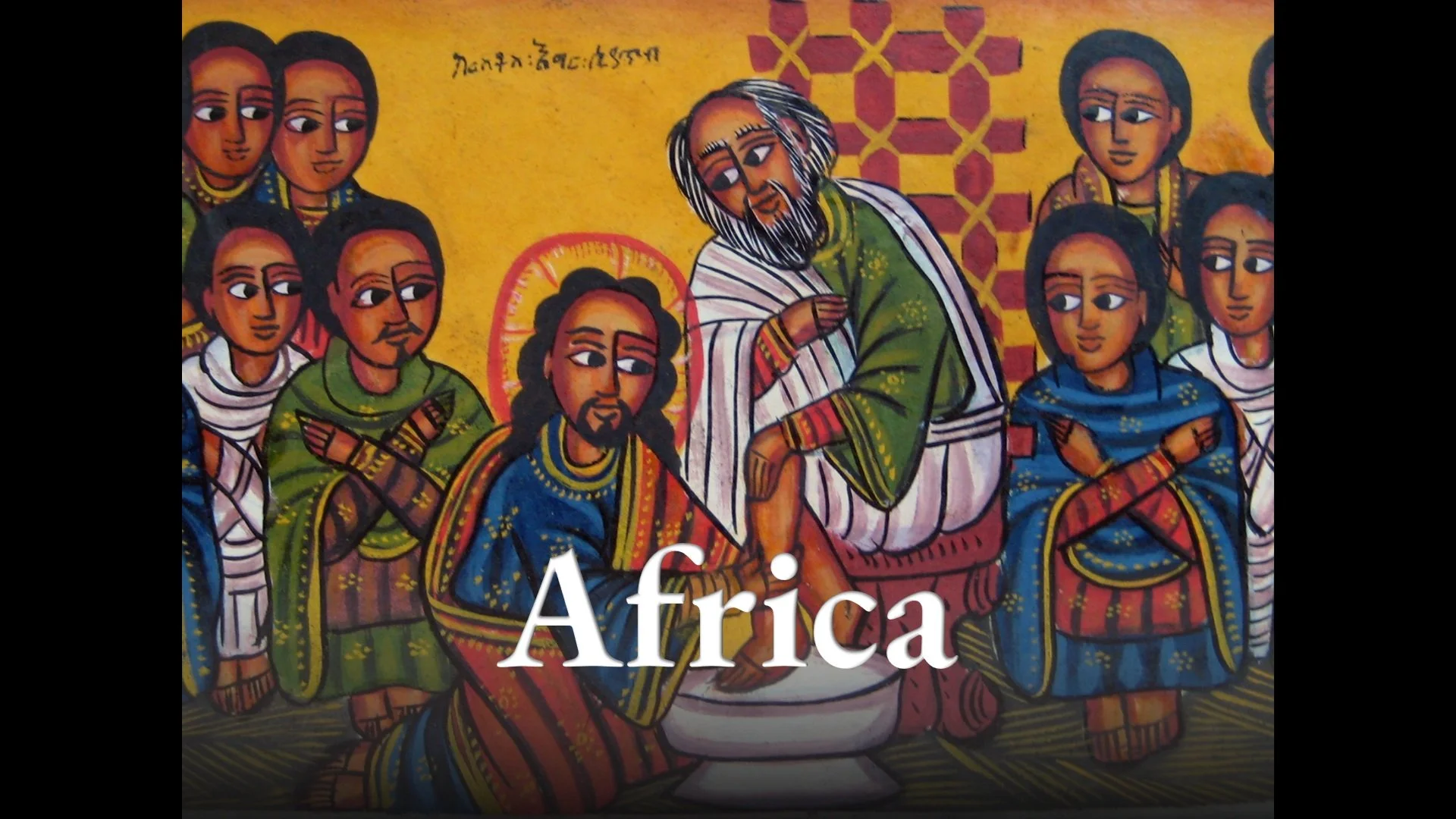
This section explores the experience and activities of Christians under various regimes in Africa. We divide this material into Africa Pre-1600, Africa Post-1600, African American Pre-1954, African American Post-1954, African American Spirituality, and the African Diaspora outside the U.S. The time period around 1600 AD is significant because: In the West, the Songhai Empire collapsed in 1591 and the Mali Empire was divided in 1610; in Central Africa, Idris Alooma, ruler of the Kanem-Bornu Empire, died in 1603; in the East, Portugal and the Catholic Church were expelled from Ethiopia in 1632; and on the coasts, accelerated conflict with European colonizers and slave traders
The Church and Empire in America: Topics:
This section explores the experience and activities of Christians under colonial and modern regimes in the Americas. The pages are: African Americans Pre-1954 and Post-1954 because in 1954, the Supreme Court handed down Brown v. Board of Education, which was a turning point in the Civil Rights Movement and U.S. legal history; African American Spirituality; Asian America; Latin American In the US and Latin American Outside the US; Native American; White Anti-Supremacist; and White Supremacist. Other related topics include: Slavery and Race and Politics.
Church and Empire: Topics:
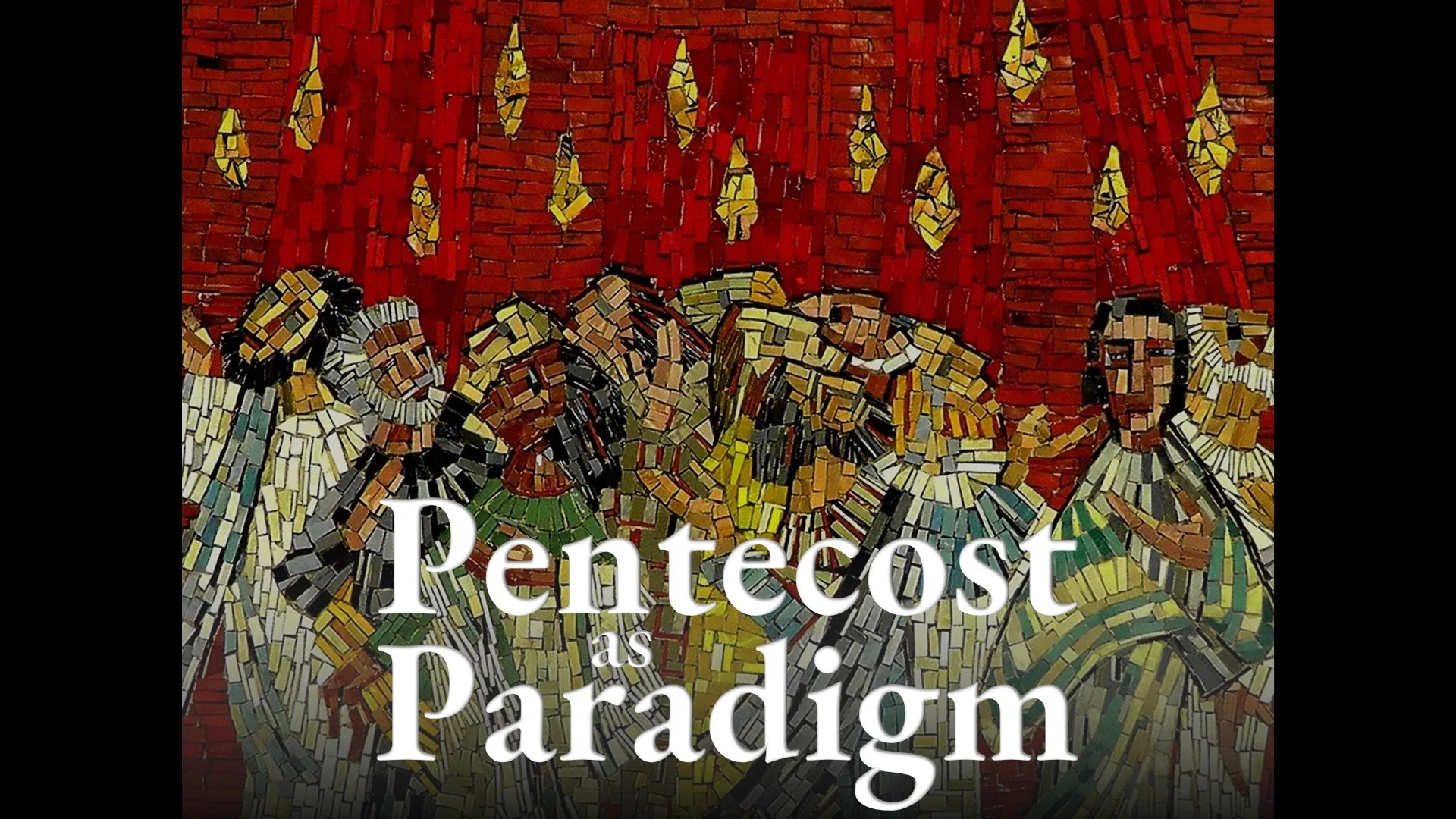
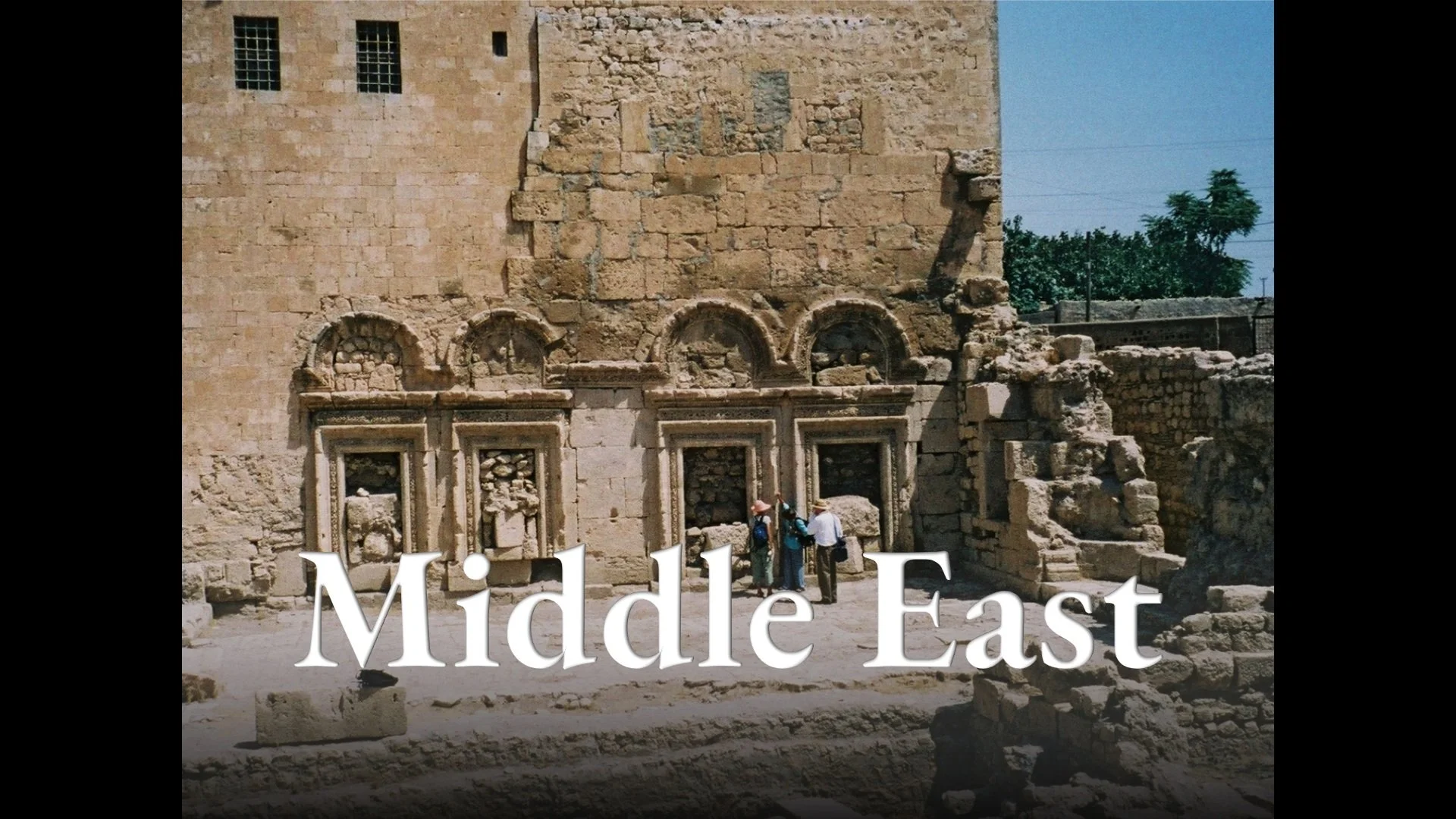
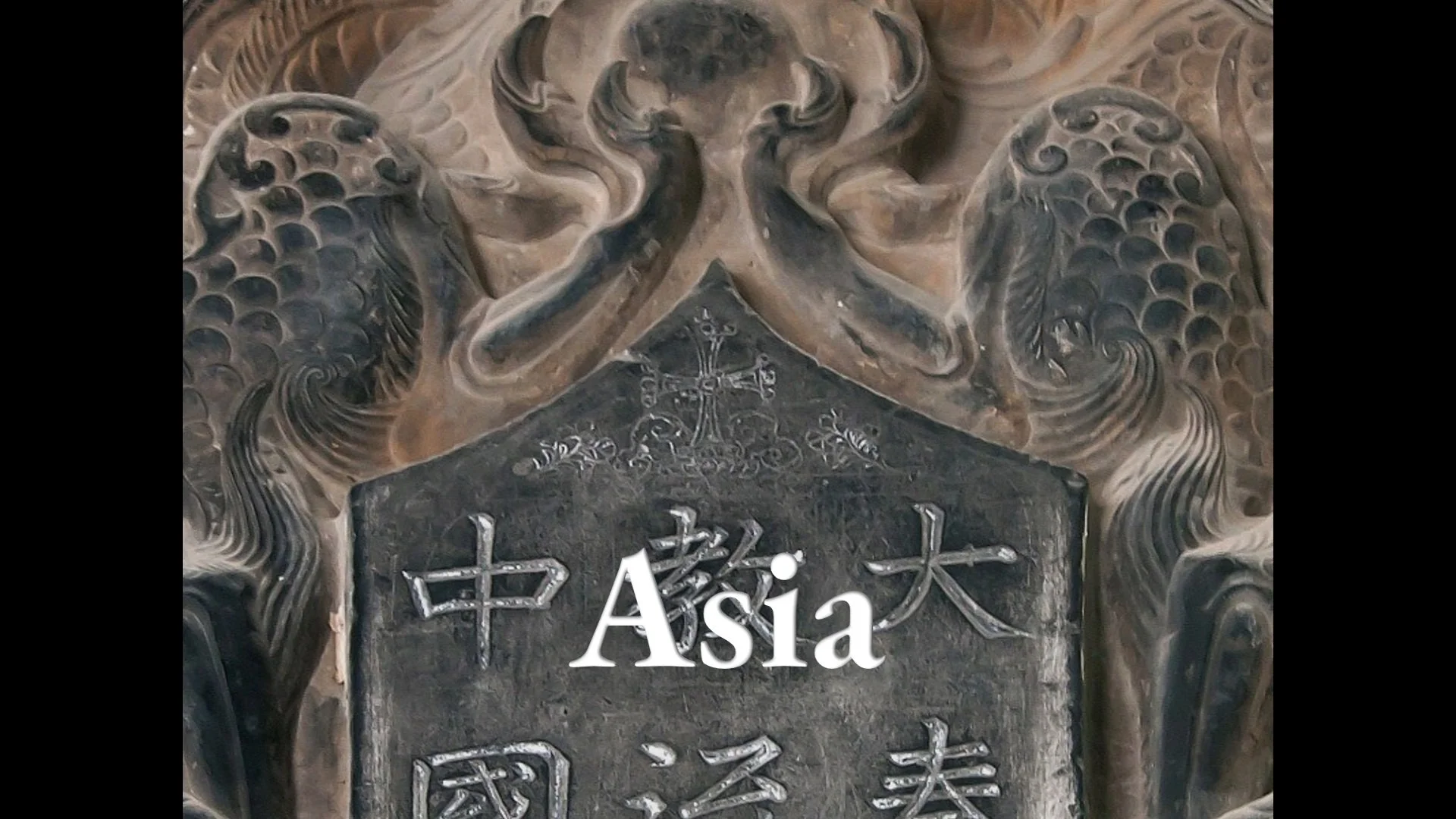
This page is part of our section on Church and Empire. These resources begin with a biblical exposition of Empire in Church and Empire and the meaning of Pentecost in Pentecost as Paradigm for Christianity and Cultures, then grouped by region.