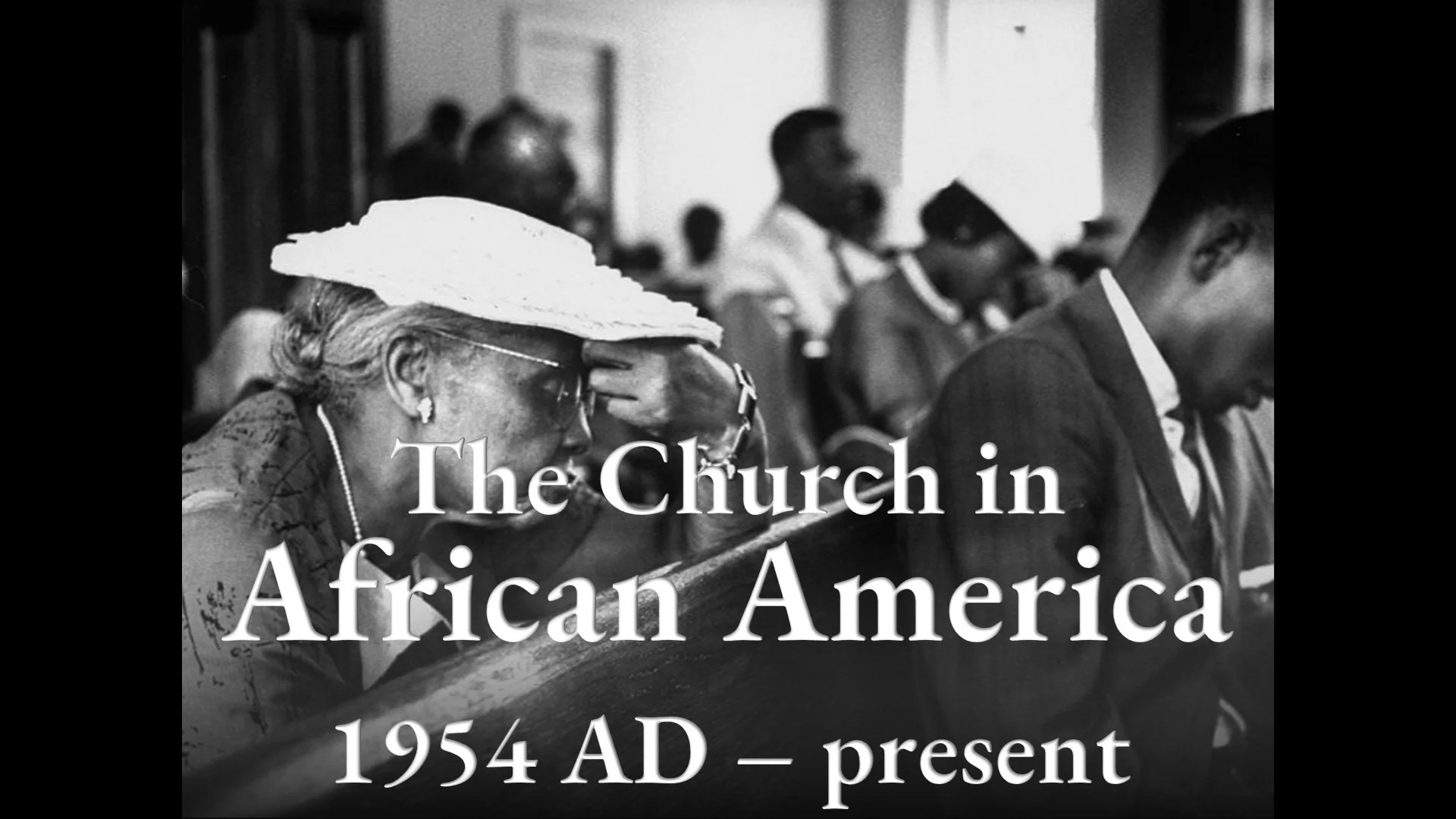
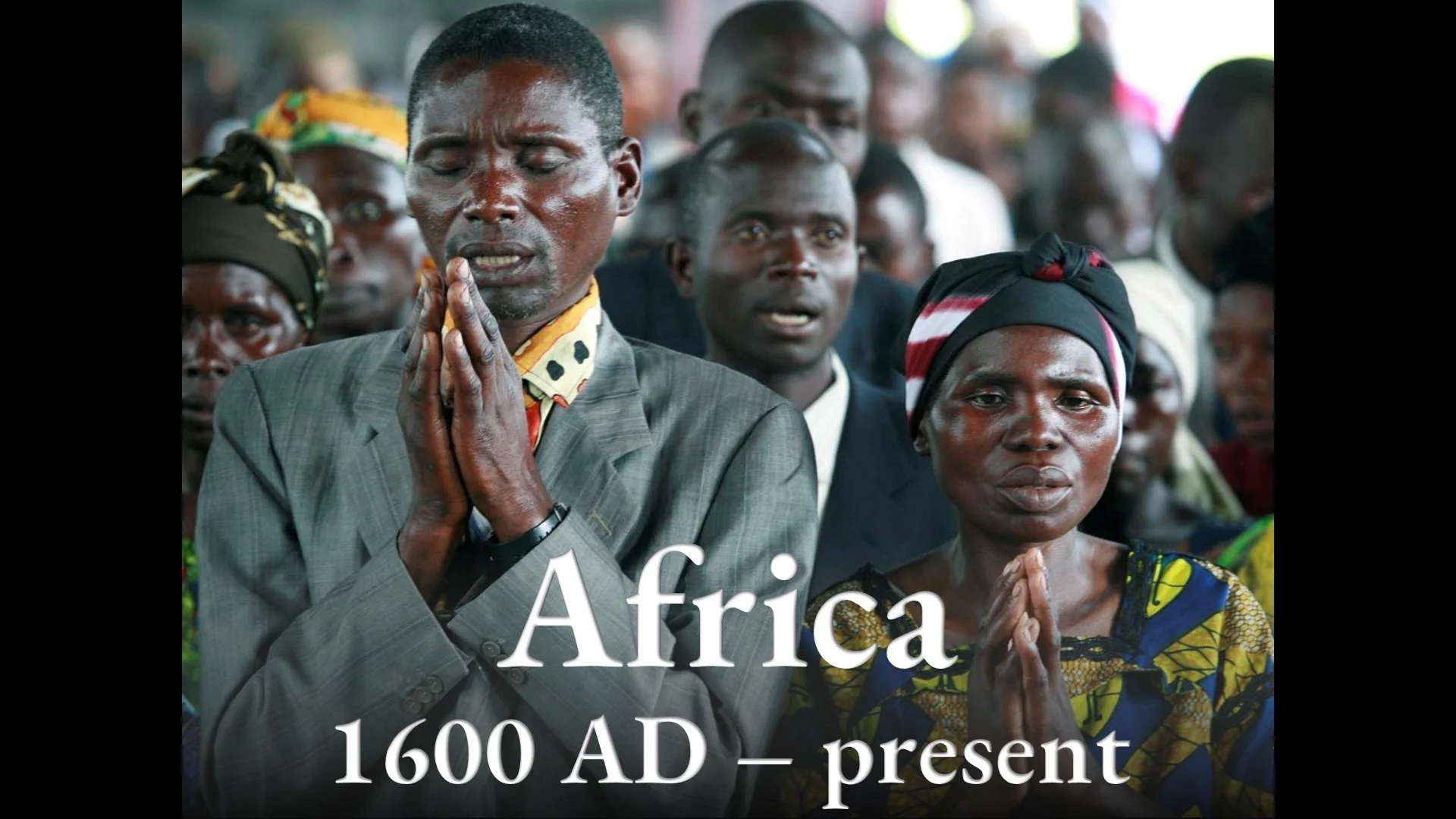
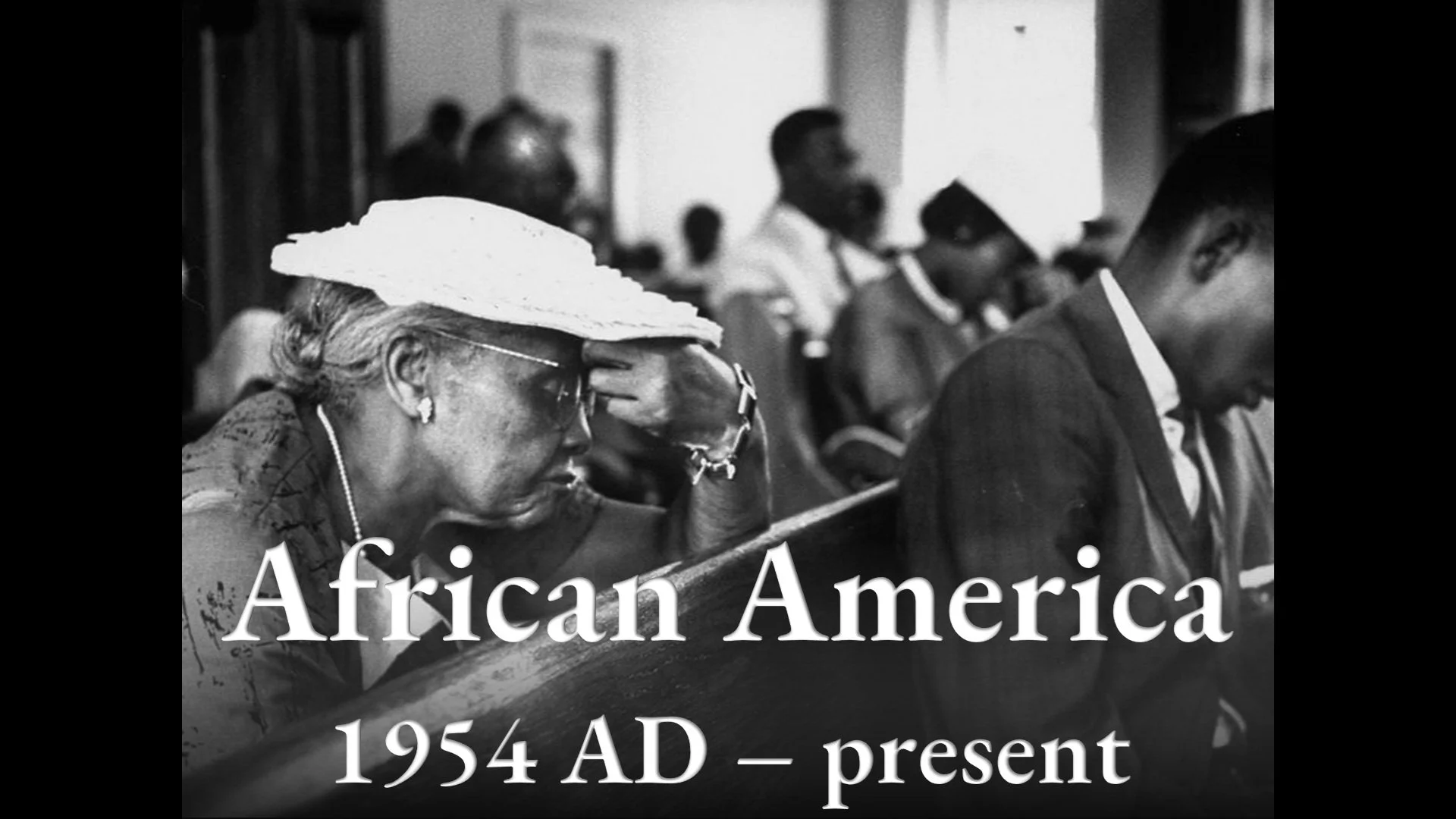
Photograph: A black church congregation in May 1961 praying for the Freedom Riders. Photo credit: Kristine | CC2.0, Flickr. The Freedom Riders were civil rights activists challenging Southern states for having segregated public buses, despite the Supreme Court ruling in 1946 (Morgan v. Virginia) and 1960 (Boynton v. Virginia) that they were unconstitutional.
Introduction
The selection of perspectives on church history in this section — Church and Empire — has been guided by three factors: (1) to demonstrate that Christianity has not been a “white man’s religion”; (2) the study of empire as a recurring motif in Scripture by recent biblical studies scholars; and (3) explorations of biblical Christian ethics on issues of power and polity, to understand how Christians were faithful to Christ or not. Christian relational ethics continues a Christian theological anthropology that began with reflection on the human nature of Jesus, and the human experience of biblical Israel.
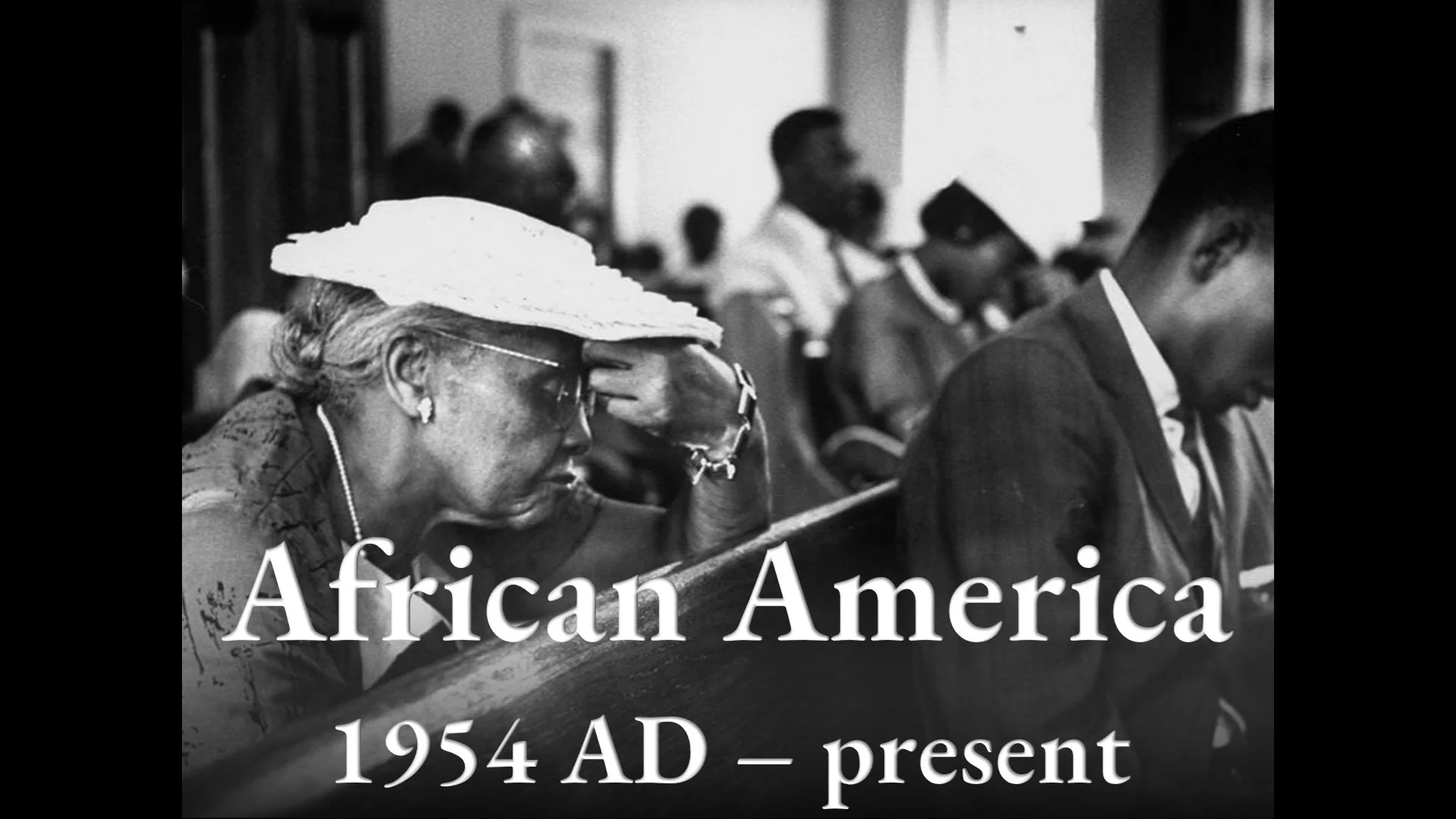
This page explores the experience, activities, and theological thought of African-American Christians in the U.S. after 1954. The famous Supreme Court case Brown v. Board of Education was decided in 1954, which energized a new wave of human rights and civil rights activities called The Civil Rights Movement.
Messages and Resources
The Theology of Marvel’s Black Panther (link opens YouTube video) Our video series, The Theology of Marvel’s Black Panther, is also found on our Arts and Theology section and our YouTube channel, where we put brief descriptions of each video. It’s a great way to engage people who have an appreciation for the movies, especially if they are also activists at heart, and wonder why we firmly argue that Christian faith is not a “white man’s religion.” Dr. Vince Bantu, Assistant Professor of Church History at Fuller Seminary and Founder-Director of the Meachum School of Haymanot, joins Mako Nagasawa to appreciate Marvel's Black Panther. We talk about church history, Christian ethics and theology, and the lessons we need to learn today. Each video has questions for group discussion and/or personal reflection. In particular,
Part 1 explains the movie Black Panther in the context of the historical Black Panthers in Oakland, and explains Christian faith in the context of colonialism and resistance to colonialism and white supremacy
Part 3 examines the compelling character of Eric Killmonger, and why his embrace of the imperialist, violent option was ultimately flawed, and rooted in his own character flaw of being unwilling to suffer again, for others.
Part 4 examines T’Challa, and why he was heroic; we point out the Christian journey of descent and ascent where T’Challa’s arc is similar to Jesus’ arc, and why Jesus’ determination to lead his people to give to the world the gift from above was the only real option.
Part 5 explores Wakanda Forever for the importance of leaders and their development, especially in grieving. Queen Ramonda shines as the moral center of the film because of her qualities as leader of her nation and family. Shuri takes up the mantle of her leadership, but only by entering into a process of grief, the embrace of tradition, and belief that there is something more than just the physical, material world. We reflect on Judaism contributing to the sense that human leaders are human, not divine, and therefore need to have integrity and compassion and mercy, while Jesus shows these human qualities are in fact the character of a loving God. We engage with an article by Inigo Laguna, How to Sabotage a Black Utopia. And while we recognize the possible point for future movies, we instead express gratitude to the Black Church Prophetic Tradition in the U.S. and the sacrifices made by heroic Black Christian leaders.
The Role of Jesus in Revolution and the Pursuit of Justice This is an evangelistic message that highlights the Christian-led and Christian-influenced non-violent resistance movements throughout the world in the 20th century. They show the connections and spiritual vitality of Christian faith under empire or empire-like oppression.
-
Martin Luther King Jr. and Jesse Jackson, Why We Can’t Wait. Signet Books | Amazon page, 1963.
Dr. Martin Luther King, Jr. Speech on Civil Rights, Segregation, and Apartheid South Africa, December 7, 1964. King gave this speech in London to the British group Christian Action. Broadcasted by Amy Goodman, Democracy Now, Jan 15, 2018.
Martin Luther King, Jr., The Vietnam War and American Imperialism, April 4, 1967. In this speech, King condemned the Vietnam War and the U.S. government as “the greatest purveyor of violence in the world.” Presented by Amy Goodman, Special: Dr. Martin Luther King, Jr. In His Own Words. Democracy Now, Jan 20, 2020. See also Amy Goodman, MLK’s Fight Against Racism, Militarism, and Capitalism: Historian Taylor Branch on King’s Final Years. Democracy Now, Apr 4, 2018.
Martin Luther King Jr. and James M. Washington, A Testament of Hope: The Essential Writings and Speeches. Harper Books | Amazon page, Apr 29, 2003.
Carl F. Ellis Jr., Free at Last?: The Gospel in the African-American Experience. InterVarsity Press | Amazon page, 1983, 1996. explores the black church's historic emphasis on exodus and exile motifs from Scripture, also suggests that Malcolm X was actually moving back to Christian faith
Albert J. Raboteau, A Fire in the Bones: Reflections on African-American Religious History. Beacon Press | Amazon page, 1995. describes the struggles and preaching of the black American church from slavery to the Civil Rights Movement, and explores its significance for American history and self-understanding
David J. Garrow, Bearing the Cross: Martin Luther King Jr. and the Southern Christian Leadership Conference. William Morrow | Amazon page, 1986.
Paul Galloway, A Child’s Faith Led the Way. Chicago Tribune, Sep 22, 1995. an outstanding article about Ruby Bridges (who was the black girl who integrated the all-white Franz school while protected by federal marshals in 1960, inspiring Norman Rockwell’s famous portrait, The Problem We All Live With) and her family, and their Christian faith, and the impact they had on Dr. Robert Coles, the now famous doctor and child psychologist who taught at Harvard. Coles went on to study resilience, morality, and spirituality in children. See also Robert Coles, The Inexplicable Prayers of Ruby Bridges. Christianity Today, Aug 9, 1985.
Marcia Y. Riggs and Barbara Holmes, Can I Get a Witness?: Prophetic Religious Voices of African American Women : An Anthology. Orbis Books | Amazon page, 1997. Featuring Ida Wells Burnett, Mary McLeod Bethune, Fannie Lou Hamer, and many other women - a valuable resource.
Tera W. Hunter, To 'Joy My Freedom: Southern Black Women's Lives and Labors after the Civil War. Harvard University Press | Amazon page, 1997.
Chana Kai Lee, For Freedom’s Sake: The Life of Fannie Lou Hamer. University of Illinois Press | Amazon page, 1999.
Barbara Ransby, Ella Baker and the Black Freedom Movement: A Radical Democratic Vision. University of North Carolina Press | Amazon page, 2003.
John Lewis, Extended Interview. PBS/WGBH, Religion and Ethics Newsweekly, Jan 16, 2004.
Kay Mills, This Little Light of Mine: The Life of Fannie Lou Hamer. University of Kentucky Press | Amazon page, Aug 24, 2007.
Charles Marsh, God’s Long Summer: Stories of Faith and Civil Rights. Princeton University Press | Amazon page, 1997. Marsh follows various Christians after the summer of 1964 in Mississippi, when violence against blacks and the murder of three civil rights workers drew national attention. Marsh does excellent biographical work to show how Sam Bowers (KKK Grand Wizard), Fannie Lou Hamer (a black Christian activist), William Douglas Hudgins (a pastor of a church which stayed "neutral"), and others read the Bible and deployed it to defend their positions.
Brian K. Blount, Can I Get a Witness?: Reading Revelation Through African American Culture. Westminster John Knox Press | Amazon page, 2005.
Charles Marsh, The Beloved Community: How Faith Shapes Social Justice from the Civil Rights Movement to Today. Basic Books | Amazon page, Aug 8, 2006. Marsh contributes a valuable work of theological biography, of individuals and communities
Elwood Watson, Deacons for Defense and Justice. Black Past, Nov 19, 2007. See also Michael Eli Dokosi, The Deacons: The Black Armed Christians Who Protected MLK, Civil Rights Supporters Before Black Panther. Face2Face Africa, Nov 27, 2019. “On July 10, 1964, a group of African-American men in Jonesboro, Louisiana, led by Earnest “Chilly Willy” Thomas and Frederick Douglas Kirkpatrick founded the group known as The Deacons for Defense and Justice. Their aim was to protect members of the Congress of Racial Equality (CORE) against Ku Klux Klan violence. Most of the “Deacons” were veterans of World War II and the Korean War. They adopted the name “Deacons for Defense and Justice” because most of them were practicing Christians, and they aimed to serve their communities in a Christian manner. The corporate charter explained that the group’s purpose was “the defense of civil rights, property rights and personal rights … and defend said rights by any and all honorable and legal means to the end that justice may be obtained.”
Reverend Michael E. Haynes (interview). Northeastern University Lower Roxbury Black History Project, 2007-2009.
J. Kameron Carter, Race: A Theological Account. Oxford University Press | Amazon page, 2008. Carter, a leading African-American theologian, delivers a sobering account, of how Western Christians developed the blood theory of race, taking biblical Israel as a "race" when in reality it was a multi-ethnic faith community; important for Christians to own. Catholic Spain suspected Jews of not truly converting to Christianity, so they emphasized Judaism as a "race" rather than a faith. Then, in the Americas, the Spanish developed many terms to differentiate combinations of blood relations.
Tiffany M. Gill, Beauty Shop Politics: African American Women's Activism in the Beauty Industry. University of Illinois Press, 2010. Madam C.J. Walker was a pioneer in the Black beauty industry. She made possible Black women becoming businesspeople and owners of salons, which became central to the Civil Rights Movement. In 1957, Dr. King said Black beauticians were central to the Movement. Not only were these salons places of recovery, safety, discussion, and activism; these Black women were independent businesspeople so a stylist had more economic independence. There are stories of men whose wives were beauticians so they didn’t fear job discrimination or getting fired for speaking out. See also Tiffany M. Gill, African American Women and the Civil Rights Movement. C-SPAN, Apr 19, 2018. A 60 minute video. An excellent treatment to broaden the definition of activism, centering Black women and their concerns, voice, and activity. For example, beauty salons and hairdresser shops became places of recovery, activism, and planning. Black women called attention to sexual harassment and abuse, by White men in particular, on account of their jobs as domestic workers in segregated White neighborhoods. Anne Moody wrote about growing up in Mississippi and speaks of going to a Black hair salon.
Sean D. Hamill, Black Priest Shares Past, Enlightening White Town. New York Times, Jan 29, 2010. Orthodox priest Moses Berry, an African-American Orthodox Christian
Danielle L. McGuire, At the Dark End of the Street: Black Women, Rape, and Resistance--A New History of the Civil Rights Movement from Rosa Parks to the Rise of Black Power Knopf | Amazon page, Sep 7, 2010. narrates the history of white male sexual aggression against black women, and how that also motivated black churches and the Civil Rights Movement. McGuire continues in the path set by Ida B. Wells and Darlene Clark Hine in calling our attention to oppression by both gender and race.
Willie James Jennings, The Christian Imagination: Theology and the Origins of Race. Yale University Press | Amazon page, 2010. A brilliant storytelling of key encounters between Western Christians and African and Native American people; important for Christians to own this responsibility since colonialism and race (with natural science) went together. See also Grawemeyer Awards, Willie James Jennings: Work on Christianity and Race Earns Religion Prize. Grawemeyer Awards, 2014.
Emmett G. Price III, The Black Church and Hip Hop Culture: Toward Bridging the Generational Divide. Scarecrow Press | Amazon page, 2012.
Rev. James Lawson, Our Country is Based on Plantation Capitalism. The Laura Flanders Show, Sep 10, 2013.
Rebecca Savastio, KKK Member Walks up to Black Musician in Bar-but It’s Not a Joke, and What Happens Next Will Astound You. Las Vegas Guardian Express, Nov 20, 2013.
Father Andrew Anderson, Orthodoxy in Africa. Ancient Faith Ministries, Nov 27, 2013.
Raphael G. Warnock, The Divided Mind of the Black Church: Theology, Piety, and Public Witness. NYU Press | Amazon page, 2013.
Ta-Nehisi Coates, "I Am Still Called by the God I Serve to Walk This Out": A Conversation with Lucia McBath, Mother of Jordan Davis. The Atlantic, Feb 25, 2014.
ABC Assignment America, He Murdered Her Only Son in Cold Blood. Now He's Her Next Door Neighbor. Viralvita video, Apr 30, 2014.
John R. Gresham, Jr., The Marcus Garvey Factor & African-American Orthodoxy. St. Simon's Order blog, Jun 17, 2014.
John R. Gresham, Jr., Athanasius: Relevance in the Black Church Today. St. Simon's Order blog, Jun 26, 2014.
Kieran Corcoran, From Half-Time to Harvest: How NFL Center Gave up $37 Million Football Contract to Farm Cucumbers and Sweet Potatoes. Mail Online, Nov 15, 2014.
Jim Davis, CBS Loves NFL Veteran's Potato Farm; His Christian Beliefs, Not So Much. Get Religion, Nov 17, 2014.
Reggie Ugwu, The Radical Christianity of Kendrick Lamar. Buzz Feed, Feb 3, 2015.
Tracey Michae'l, Doing the Work, Preaching the Word: 6 Black Female Christian Leaders Who Inspire Us. For Harriet blog, Feb 21, 2015.
Lisa Sharon Harper, How Religion Became a Destructive - and Redemptive - Force for 'Black Lives Matter'. Washington Post, Apr 9, 2015.
Stephen Curry, The Holy Spirit is Moving Through Our Locker Room Says NBA MVP. Charisma News, May 6, 2015.
Lizette Alvarez and Alan Blinder, Recalling Nine Spiritual Mentors, Gunned Down During Night of Devotion. New York Times, Jun 18, 2015.
Tasneem Nashrulla, Charleston Church Targeted In Shooting Has A Deep Civil Rights History. BuzzFeed, Jun 18, 2015.
Elahe Izadi, The Powerful Words of Forgiveness Delivered to Dylann Roof by Victims' Relatives. Washington Post, Jun 19, 2015.
LoveMeSome, The Only Comment on Dylann Roof's Facebook Photo Will Bring You to Tears. LoveMeSome, Jun 19, 2015.
WebTV, Reporter Breaks Down as Mourners Sing Outside Scene of Charleston Shooting (youtube video, Jun 21, 2015.
Michael Wear, Stop Explaining Away Black Forgiveness. Christianity Today, Jun 24, 2015.
Peggy Noonan, Two Miracles in Charleston. Wall Street Journal, Jun 25, 2015.
Anya Marsalek Leveille, Churches Play Key Role in Fight Against Racism. Post and Courier, Jul 5, 2015.
Jesse James DeConto, Activist Who Took Down Confederate Flag Drew On Her Faith and New Civil Rights Awakening. Religion News Service, Jul 12, 2015.
Melissa Chan, Oregon Cop Who Turned in Racist Police Chief for Dancing Like Monkey After Black Woman's Complaint Gets Death Threats. NY Daily News, Sep 9, 2015.
Stephanie Van Hook, Why Martin Luther King’s Pledge of Nonviolence Matters Today. Waging Nonviolence, Jan 18, 2016.
Kenneth R. Morefield, An African American Confronts the Klan in Accidental Courtesy. Christianity Today, Mar 24, 2016. Daryl Davis befriends Klan members
Lecrae, Is Hip Hop a Cancer or a Cure? TED Talk, May 17, 2016.
RAZC, Just Before Steph’s Biggest Game, Ayesha Curry Stands For Her Faith. QPolitical, Jun 2, 2016.
Carol Kuruvilla, Rapper Has Choice Words For Christians Who Don’t Want Him To Talk About Race. Huffington Post, Jul 12, 2016. re: Lecrae
Jamelle Bouie, Bright Shining as the Sun: Infused with the Spirit of the Black Church, the Democrats Became the Party of Optimism. Slate, Jul 29, 2016.
Marti Benedetti, Central Detroit Christian Slowly Rebuilds Houses, Commerce in a 24 Block Area of North Detroit. Crain's Detroit Business, Aug 21, 2016.
Albert J. Raboteau, American Prophets: Seven Religious Radicals and Their Struggle for Social and Political Justice. Princeton University Press | Amazon page, Oct 4, 2016.
Ernest Cleo Grant II, The Challenge of Defending the Faith in the Inner City. Christianity Today, Nov 16, 2016.
Zahara Hill, This Pastor Is Providing Harlem Residents With Free Mental Health Care. Huffington Post, Dec 20, 2016.
Mark Tseng Putterman, When Silence Is Betrayal: On Asian American Debt To The Radical King. Medium, Jan 16, 2017.
Michael De Sapio, MLK's Philosophy was Rooted in the Natural Law Tradition. Foundation for Economic Education, Jan 16, 2017.
Mic Staff, Artist Creates "Letter from a Birmingham Jail" Memes to Stop People from Whitewashing MLK. Mic, Jan 16, 2017.
Jemar Tisby, The Real Reason the Benedict Option Leaves Out the Black Church. The Witness: A Black Christian Collective, Mar 29, 2017.
Mary Beth Matthews, The History of Black Evangelicals and American Politics. Black Perspectives | African American Intellectual History Society, Mar 30, 2017.
Joshua L. Lazard, "I Speak to God in Public": Are Young Black Millennials Reclaiming a Theology of Resistance? Religion Dispatches, Apr 14, 2017.
Kathryn Schulz, The Many Lives of Patti Murray. The New Yorker, Apr 17, 2017. Episcopal priest who anticipated the legal argument of Richard Rothstein, The Color of Law, that residential segregation efforts by government agencies violated the 13th and 14th Amendments
Joshua L. Lazard, “I Speak to God in Public”: Are Young Black Millenials Reclaiming a Theology of Resistance? Religion Dispatches, Apr 14, 2017. re: Chance the Rapper, etc. “In the months following the death of Michael Brown, black churches and organizations began hosting “seven last words” services patterned from the Good Friday services that many black churches host with seven preachers in rapid succession preaching the seven sayings of Jesus from the cross. Rather than the seven sayings of Jesus, these were the words of Eric Garner saying “I Can’t Breathe,” Michael Brown saying “Don’t Shoot,” and Renisha McBride proclaiming “I Want to Go Home.” These services were hosted at the divinity schools of universities like Duke, Princeton and Drew as well as local churches in New York and Washington, D.C.”
David Briggs, The Black Church Matters To Black Lives. Huffington Post, May 31, 2017.
AJ Willingham, Former 'Terrible Racist' Gives Big Donation, Apology to Black Church. CNN, Jun 1, 2017.
Lawrence Ware, Why I'm Leaving the Southern Baptist Convention. New York Times, Jul 17, 2017.
Jon Schwarz, The Incredible Lost History of How "Civil Rights Plus Full Employment Equals Freedom". The Intercept, Jul 17, 2017.
Jemar Tisby, White Evangelicals Must Ask, “Why Does Our Theology Lead to Republicanism?” The Witness: A Black Christian Collective, Dec 18, 2017.
Zaid Jilani, Martin Luther King, Jr. Spent the Last Year of His Life Detested by the Liberal Establishment. The Intercept, Jan 15, 2018. for his anti-Vietnam and anti-poverty stances, linked to civil rights for black Americans
Vince Bantu, Mis-Reformed, the Imperialism of Reformed Theology. Urban Perspective, Feb 19, 2018.
Nikita Stewart, 50 Years After Dr. King's Death, Remembering the Women Who Steered the Movement. New York Times, Apr 2, 2018.
John Eligon, A Black Evangelist Who Opposed Dr. King. New York Times, Apr 2, 2018. Elder Lightfoot Solomon Michaux, who opposed MLK, Jr. and worked with the FBI against him
Jesse Jackson, How Dr. King Lived Is Why He Died. New York Times, Apr 4, 2018.
P.R. Lockhart, The Memphis Sanitation Workers' Strike and MLK's Unfinished Fight for Economic Justice. Vox, Apr 4, 2018.
Amy Goodman, MLK’s Fight Against Racism, Militarism, and Capitalism: Historian Taylor Branch on King’s Final Years. Democracy Now, Apr 4, 2018. In a speech on April 4, 1967, King condemned the Vietnam War and the U.S. government as “the greatest purveyor of violence in the world.” To hear the speech, see Amy Goodman, Special: Dr. Martin Luther King, Jr. In His Own Words. Democracy Now, Jan 20, 2020. In 1968, King spoke out for poor sanitation workers who took shelter in their garbage truck during a rainstorm, and were crushed by the compactor.
Brakkton Booker, The Poor People's Campaign Seeks To Complete Martin Luther King's Final Dream. NPR, May 14, 2018.
Ameen Hudson, Biblical Justice and The Specter of Cultural Marxism. The Witness Black Christian Collective, Nov 18, 2018. an excellent, short article
Samuel Smith, A.R. Bernard's Brooklyn Megachurch to Build $1.2 Billion Housing Community to Address Gentrification. Christian Post, Dec 2, 2018.
Ashon Crawley, Jeremiah Wright Knew What America Was Becoming. The Obamas Can’t See What It Is. Huffington Post, Dec 19, 2018. "In her book, Michelle Obama continues to distance herself from her old pastor."
Molly Worthen, Can Black Evangelicals Save the Whole Movement? New York Times, Apr 20, 2019. “African-American spiritual leaders are talking about racism — and some white churchgoers are listening”
Nikole Hannah-Jones, Our Democracy’s Founding Ideals Were False When They Were Written. Black Americans Have Fought to Make Them True. New York Times Magazine, Aug 14, 2019. “And to this day, black Americans, more than any other group, embrace the democratic ideals of a common good. We are the most likely to support programs like universal health care and a higher minimum wage, and to oppose programs that harm the most vulnerable. For instance, black Americans suffer the most from violent crime, yet we are the most opposed to capital punishment. Our unemployment rate is nearly twice that of white Americans, yet we are still the most likely of all groups to say this nation should take in refugees.”
Thabiti Anyabwile, Reparations Are Biblical. The Gospel Coalition, Oct 10, 2019.
Ray Chang, Jane Hong, Christina Edmondson, and Dominique Gilliard, Interconnected: Confronting Racial Prejudices between Asian American and Black Communities. Asian American Christian Collaborative, May 14, 2020.
Anand Ghiridharadas, MLK™: How White Moderates Have Co-Opted the Legacy of Martin Luther King Jr.. Seat at the Table | Vice, Jun 10, 2020. brilliant, devastating history of the use of MLK by white conservatives and moderates
E.J. Dionne Jr., African American Christianity Demands We Overturn the Structures of Injustice. Washington Post, Jun 10, 2020.
Esau McCauley, Discerning Friends from Enemies: Critical Race Theory, Anglicans in North America, and the Real Crisis. Anglican Compass, Jun 20, 2020.
Kelsey Snell, Audrey Cornish, and Suzanne Nguyen, Rep. John Lewis, A Force In The Civil Rights Movement, Dead At 80. NPR, Jul 17, 2020.
Esau McCaulley, Reading While Black: African American Biblical Interpretation as an Exercise in Hope. InterVarsity Press | Amazon page, Sep 2020. discusses a hermeneutic of hope. See interview by Holy Post, Reading the Bible While Black with Esau McCaulley. Holy Post, episode 425, Oct 7, 2020. Phil Vischer, Skye Jethani, and Christian Taylor discuss race and politics
Nia-Racquelle Smith, Fannie Lou Hamer's Pioneering Food Activism Is a Model for Today. Food & Wine, Sep 15, 2020. “How a bunch of pigs in rural Mississippi helped secure financial independence for Black families in the 1970s.” “Established in 1967, the Freedom Farm Cooperative (FFC) was an act of resistance. The idea was to provide African Americans with a path to economic opportunity and access to nutritious food that had been systematically denied to them due to white power structures.”
Yahoo Finance, Chadwick Boseman’s Pastor Gershom Sikaala Announces Black Panther Actor Tribute. Sep 23, 2020. and Christina Morales, ‘Chad and Not Chadwick’: How the Bosemans Remember a Superstar. New York Times, Oct 2, 2020.
Leah Silveius, Confronting Whiteness in Theological Education: Q&A with Prof. Willie Jennings. Yale Divinity School, Oct 8, 2020.
Mitchell Atencio, What Warnock’s Critics Get Wrong About the Black Baptist Tradition. Nov 24, 2020.
Quincy Institute, Barbara Lee to Receive First Annual Quincy Award for Responsible Statecraft. Quincy Institute for Responsible Statecraft, Dec 4, 2020. “Rep. Lee exemplified political courage with her solitary vote in 2001 against the authorization for the use of military force against terrorists implicated in the attacks of 9/11 — later extended by interpretation to cover “associated forces.” Lee has since led repeated efforts in the Congress to repeal the war authorization, which has been taken by the Executive Branch as conferring the authority to use lethal force in at least 19 countries in the two decades since it was passed.” See also Gillian Brockell, She Was the Only Member of Congress to Vote Against War in Afghanistan. Some Called Her a Traitor. Washington Post, Aug 17, 2021. “Rep. Barbara Lee faced death threats, insults and hate mail after she voted against a broad authorization used to carry out the war in Afghanistan.”
Ken Makin, A Sanctuary of Social and Spiritual Justice: Commentary on Ebenezer Church. Christian Science Monitor, Dec 11, 2020.
George Chidi, Warnock Is Taking White People to Church. That Could Be a Problem for Loeffler. The Intercept, Dec 15, 2020. an insightful treatment of Rev. Warnock as opponent of both the prosperity gospel and white supremacy.
Curtis Yee, Warnock’s Georgia Win Highlights Growing Strength of Progressive Faith Vote. Sojourners, Jan 5, 2021. “He preaches from the historic Black Baptist tradition and liberation theology, which King also practiced. Even some of his most seemingly controversial stances are not historically uncommon within the Black church. And Warnock is not alone in expanding what it looks like to be a progressive politician of faith. While outsized attention is often paid to the contributions of the “Religious Right,” Democrats still primarily identify as people of faith. According to Pew Research Center, 76 percent of Democrats identify as religious — 63 percent identify as Christian.”
Esau McCauley, It’s Not Enough to Preach Racial Justice. We Need to Champion Policy Change. Christianity Today, Jan 17, 2021. “The legacy of Martin Luther King Jr. reminds us to push past tweetable quotes and big talk to true Christlike love.”
Anthony Bradley, Critical Race Theory Isn’t a Threat for Presbyterians. Mere Orthodoxy, Feb 3, 2021.
Rev. Kimberly Deckel, Christian Nationalism: The False Gospel We Must Confront. Telos Collective, Feb 11, 2021.
David Brooks, A Christian Vision of Social Justice. New York Times, Mar 18, 2021. “But this week I interviewed Esau McCaulley, a New Testament professor at Wheaton College and a contributing writer for New York Times Opinion. He described a distinctly Christian vision of social justice I found riveting and a little strange (in a good way) and important for everybody to hear, Christian and non-Christian, believer and nonbeliever.”
Robert Saler and Alexander Lingas, with Shawn Wallace, Turbo Qualls, and Katherine Weston, Let My Prayer Arise! Music in the Experience of African American Orthodox Christians. Luminous, May 21, 2021. A rich conversation about racial history, culture, music, and spirituality.
Obery Hendricks, Christians Against Christianity: How Right-Wing Evangelicals Are Destroying Our Nation and Our Faith. Beacon Press | Amazon page, Jul 2021. Black theologian Obery Hendricks cogently critiques the unholy alliances between white evangelicals and the NRA, the modern antiabortion platform, the corporate elite and antilabor, and others.
Dante Stewart, How I Learned That Jesus Is Black. New York Times, Oct 16, 2021.
CBS News, An (Un)Civil War: The Evangelical Divide. CBSN Originals, Oct 21, 2021. features Mika and Christina Edmondson in Tennessee, who are countering Greg Locke and his Christian nationalism, partisanship on COVID, and designed-to-disgust accusations that Democrats are sex
World Channel, Fannie Lou Hamer's America. America ReFramed, Feb 23, 2022. This documentary was developed by Hamer’s niece. It features sound bites, songs, and video clips from Hamer, allowing her to voice to be heard.
Our Daily Bread, Juneteenth: Faith and Freedom | A Documentary from Our Daily Bread Voices Collection. Our Daily Bread, Jun 7, 2022. This is an excellent 75 minute documentary, from the perspective of African American Christians. The interviews argue that the Black Church, not white Protestants, preserved the gospel faithfully in the face of white supremacy.
Caleb Gayle, The American Faith I Was Raised In. The Atlantic, Aug 7, 2022. “Growing up in the Bible Belt, I was taught that Church and state should never have been separate.” An African American Christian reflection.
Jemar Tisby, Maximalists for Love. Footnotes by Jemar Tisby | Substack, Nov 30, 2022. “How the latest analysis of Christian discourse ignores the Black Christian tradition.”
Claude Alexander, What Can the White Evangelical Church Learn from the Black Church, from Skye Jethani, Episode 557: The Rise of Christian Nashville-ism & What Christians Must Do with Claude Alexander. Holy Post Podcast, Mar 22, 2023. Bishop Claude Alexander says the White Evangelical church needs to let go of the idea that the 1950s was the season of its highest power and influence in the nation, to which it should return. Black Churches, by contrast, learned to live and minister from the margins of power.
Patricia Leigh Brown, Saving Praise Houses Before Their African Lineage Is Forgotten. New York Times, Nov 23, 2023. The Gullah Geechee fight to preserve the tiny structures, a cradle of the Black church, before they’re erased by sprawl, climate change and fading memories.
Michel Martin, Over 1,000 Black Pastors Are Asking Pres. Biden for a Ceasefire. Here’s Why. Amanpour and Company, Jan 31, 2024. Re: the Hamas-Israel War.
Hasan Kwame Jeffries, Narratives of the Civil Rights Movement. C-SPAN, Jul 8, 2024. An excellent 90 minute video. Using Dr. Martin Luther King, Jr. as the focal lens of the Civil Rights Movement pushes ordinary men and women, grassroots organizing, and the nation-wide scope of both White supremacy and Black civil rights efforts.
Daniel Silliman, Died: Bill Pannell, Black Evangelical Who Raised the Issue of Racism. Christianity Today, Oct 15, 2024. “He wanted white believers to reckon with “cultural captivity,” but saw them become “more and more American and less and less Christian.”
Emma Vigeland, Republican's "Christian" Values Politely Ripped To Shreds On CNN. The Majority Report with Sam Seder, Dec 11, 2024. Audie Cornish, a Black woman who identifies as a Christian, challenges Scott Jennings, a White man who also identifies as a Christian. Jennings supports the mass destruction and death of Gazans, but complains about the assassination of United Health CEO Brian Thompson.
Katie Glueck, These Spiritual Democrats Urge Their Party to Take a Leap of Faith. New York Times, Dec 22, 2024. Spotlighting Congressman James Talarico (D-TX), Senator Rafael Warnock (D-GA), and Governor Josh Shapiro of PA.
Moya Harris, My Black Church Now Owns a Racist Logo. Sojourners, Feb 13, 2025. The Proud Boys vandalized Metropolitan African Methodist Episcopal Church. As part of their legal settlement, the Church now owns the logo and trademark, so everything they sell with the trademark must share proceeds with the Church.
Roland S. Martin, Trump Moves to Kill the Department of Education With Executive Order. Roland S. Martin, Mar 22, 2025. At the 8:27 minute mark, Roland and panel guests talk about how Trump is waging war on White people, and Black people are collateral damage. Roland Martin is a Christian, and his journalism and activism are very welcome, but it can also be said that Trump is waging war on Black people, and some White people are collatoral damage.
Jemar Tisby, Echoes of Injustice. Footnotes by Jemar Tisby | Substack, May 30, 2025. “A mini-documentary connecting the Alien Enemies Act, Japanese American incarceration, and immigration justice today”
Vincent Bacote, Christianity Today, and Wheaton College, Black + Evangelical Documentary. Christianity Today, June 2025. See also interview with Bacote and Wheaton College, Black + Evangelical Documentary Now Available Online. Wheaton College, Jun 18, 2025.
Kyle Kulinski and Krystal Ball, Pastor Ben Issues Dire Warning Of MAGA Terrorísm. Secular Talk, Jun 27, 2025. Pastor Benjamin Dixon, also a journalist, used Grok on X/Twitter to study posts as data.
Jemar Tisby, Trump’s Personal Army. Footnotes by Jemar Tisby | Substack, Jul 6, 2025. “With $170 billion behind it, ICE can now be deployed not just against immigrants but against anyone who threatens the regime’s ideological, economic, or political grip.
“ICE is a paramilitary force with ultimate allegiance to the president. They take an oath to the Constitution. But under this regime, they don’t answer to it. Nor to the people.
It responds directly to executive authority.
For instance, the Posse Comitatus Act largely preventing the president from deploying the U.S. military as a domestic police force would not apply to ICE.
ICE is the president’s personal goon squad.
A private police force with the power to conduct raids, surveillance, arrests, and disappearances—all without military oversight or effective congressional restraint.
Anyone could be a target for harassment, imprisonment, or disappearing.
ICE is the president’s personal army to carry out his authoritarian will.
Picture it.
Raids on residences in the middle of the night. Surveillance that monitors everyone everywhere for breaches of loyalty. Guns trained on and discharged toward protestors and resisters of all sorts.
With the appropriation of obscene levels of funding, the scenario escalates quickly.
Step 1: ICE conducts another public abduction.
Step 2: People fed up at the trauma of seeing their neighbors ripped off the street for no reason get loud and agitated.
Step 3: An immature, untrained, and trigger-eager ICE agent opens fire.
Step 4: An uprising ensues.
Step 5: The president imposes martial law.
Suddenly, the 2026 midterm elections—our so-called plan to rein in this regime—are suspended.
For “safety” reasons. For “national security.””
Daniel Martinez HoSang, Inside the Rise of the Multiracial Right. New York Times, Jul 24, 2025. Christian faith is a factor.
Dominique Gilliard, The Devil Has a Mission, Too. Theology Lab, Dec 1, 2025. This is a clip from the full video: Scott Rice, The Devil, the Powers and Us: Shane Claiborne and Dominique Gilliard. Theology Lab, Dec 1, 2025.
Jemar Tisby, ICE Is What Happens When America Refuses to Learn from Black History. Footnotes with Jemar Tisby | Substack, Jan 9, 2026.
Garrison Hayes, The Truth About Christian Nationalism (According to the Bible). Garrison Hayes, Feb 12, 2026. A 22 minute video.
Marvin Olasky, John Perkins, In Life and Facing Death. Christianity Today, Mar 4, 2026. A nice tribute.
“The most influential African American Christian leader since Dr. King.” That’s what University of Virginia religious studies professor Charles Marsh in 2008 called John M. Perkins, who is 95 and under hospice care. But I know Perkins from interviewing him several times, hearing his Bible studies during the 1990s at Christian Community Development Association conferences, and reading his books.
Perkins had his greatest influence in the late 20th century. His most-read book, Let Justice Roll Down, came out 50 years ago, so now some have forgotten him—but this great leader deserves remembering both for his own achievements and the way his life demonstrates God’s mercy.”
Jemar Tisby, Why White Christians Love James Talarico. Footnotes by Jemar Tisby, Mar 13, 2026. “And what they're missing.”
James Talarico, Unshakeable Things: Gen Z and the New Great Awakening: Commencement Address at Paul Quinn College. James Talarico, May 3, 2026. Paul Quinn College is the oldest HBCU in Texas, founded by a teacher. James Talarico says that religious revivals and awakenings fueled social movements like abolition, the labor movement, the New Deal, the Great Society.
Jemar Tisby, Racism, Patriarchy, and the Southern Baptist Convention. Footnotes by Jemar Tisby | Substack, Jun 12, 2026.
Church and Empire in Africa: Topics:
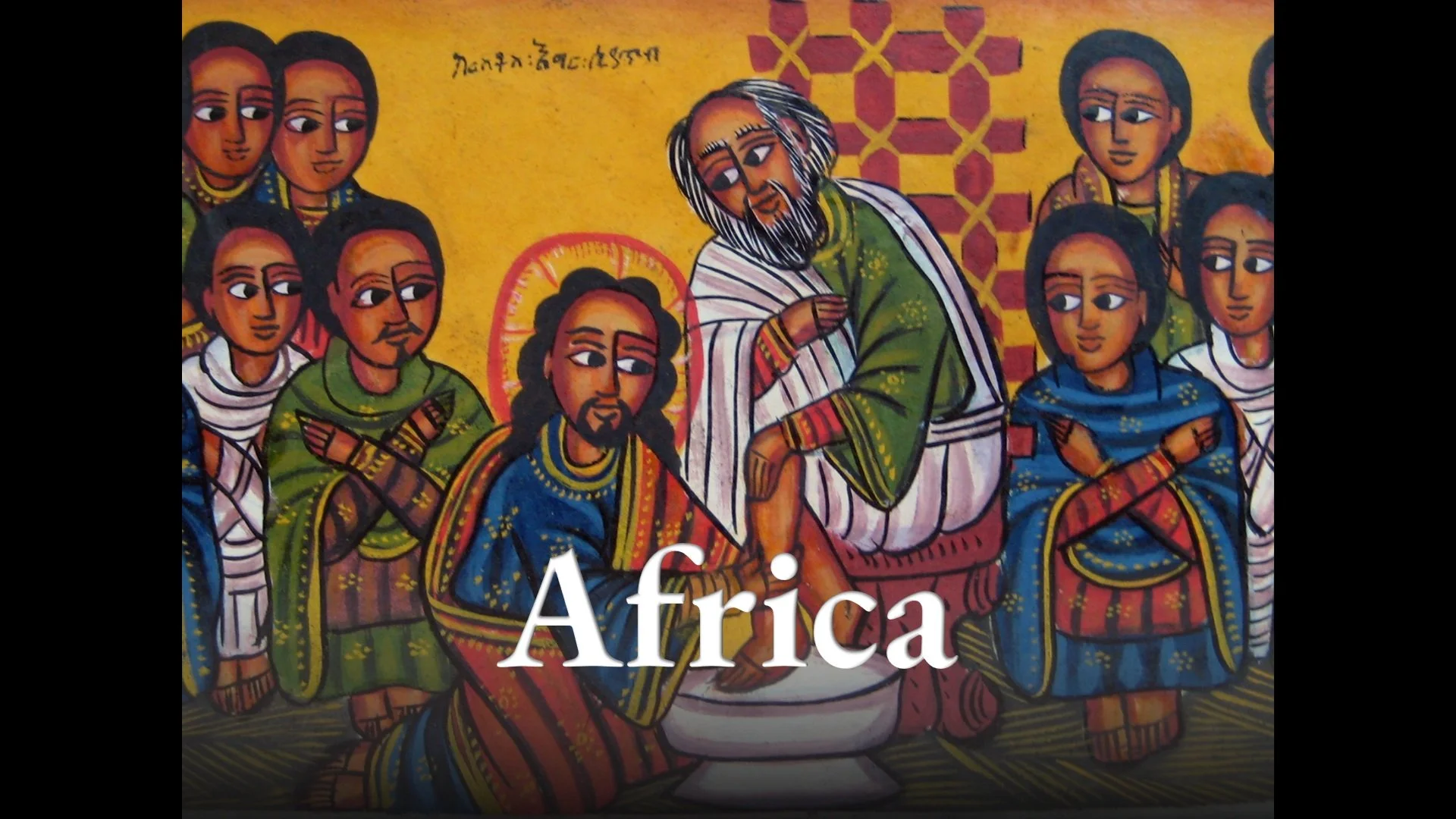
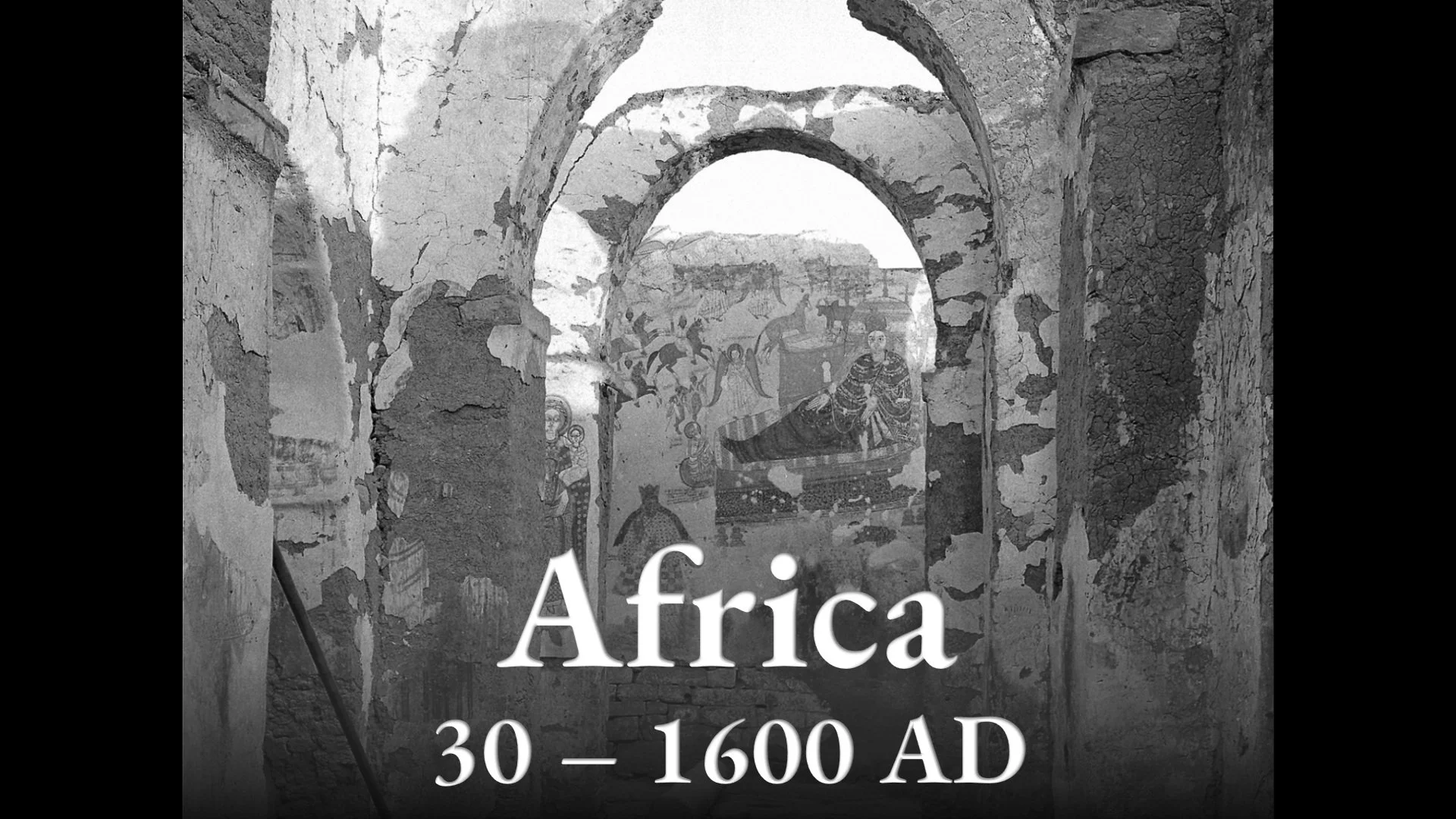
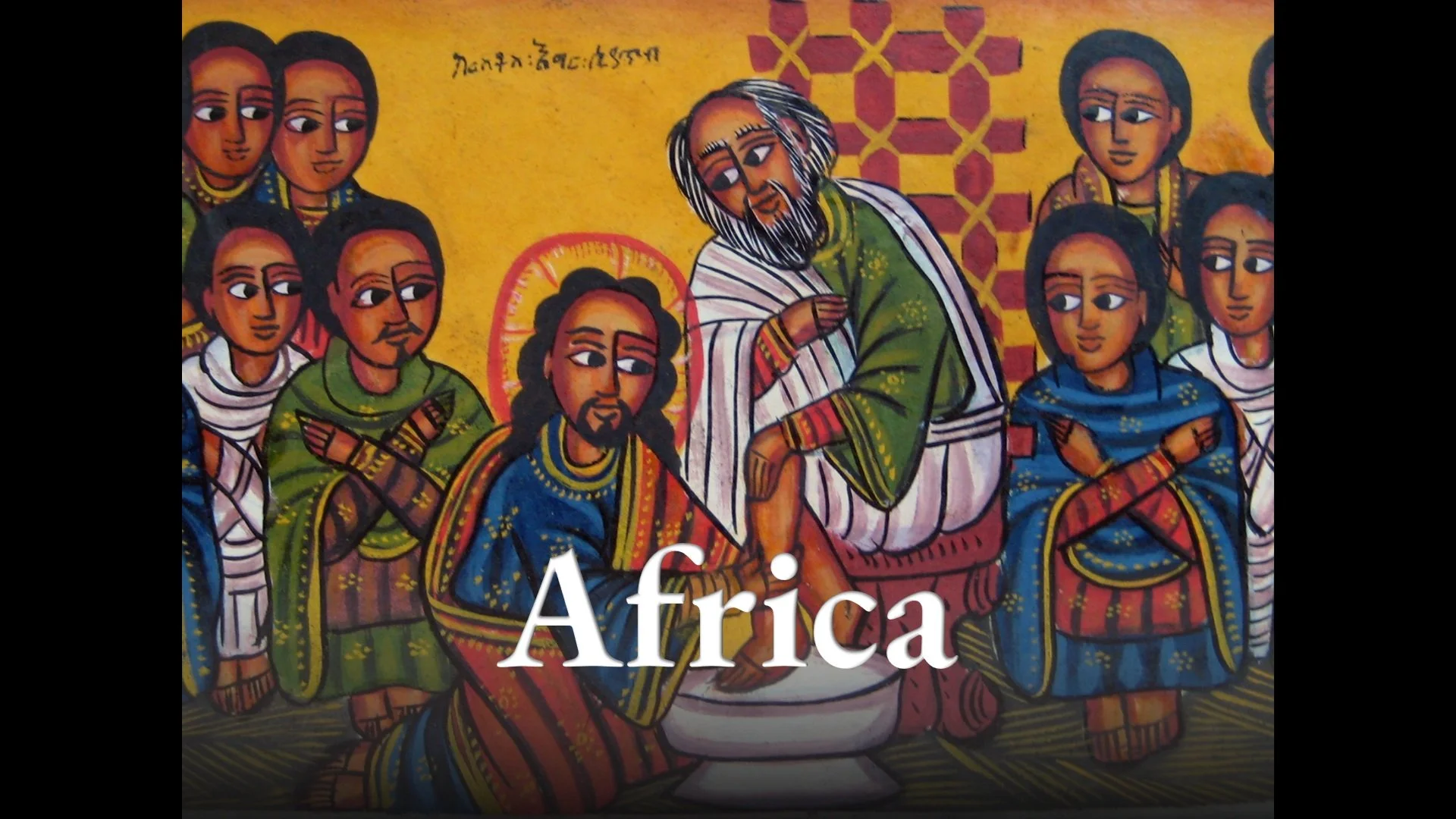
This section explores the experience and activities of Christians under various regimes in Africa. We divide this material into Africa Pre-1600, Africa Post-1600, African American Pre-1954, African American Post-1954, African American Spirituality, and the African Diaspora outside the U.S. The time period around 1600 AD is significant because: In the West, the Songhai Empire collapsed in 1591 and the Mali Empire was divided in 1610; in Central Africa, Idris Alooma, ruler of the Kanem-Bornu Empire, died in 1603; in the East, Portugal and the Catholic Church were expelled from Ethiopia in 1632; and on the coasts, accelerated conflict with European colonizers and slave traders
The Church and Empire in America: Topics:
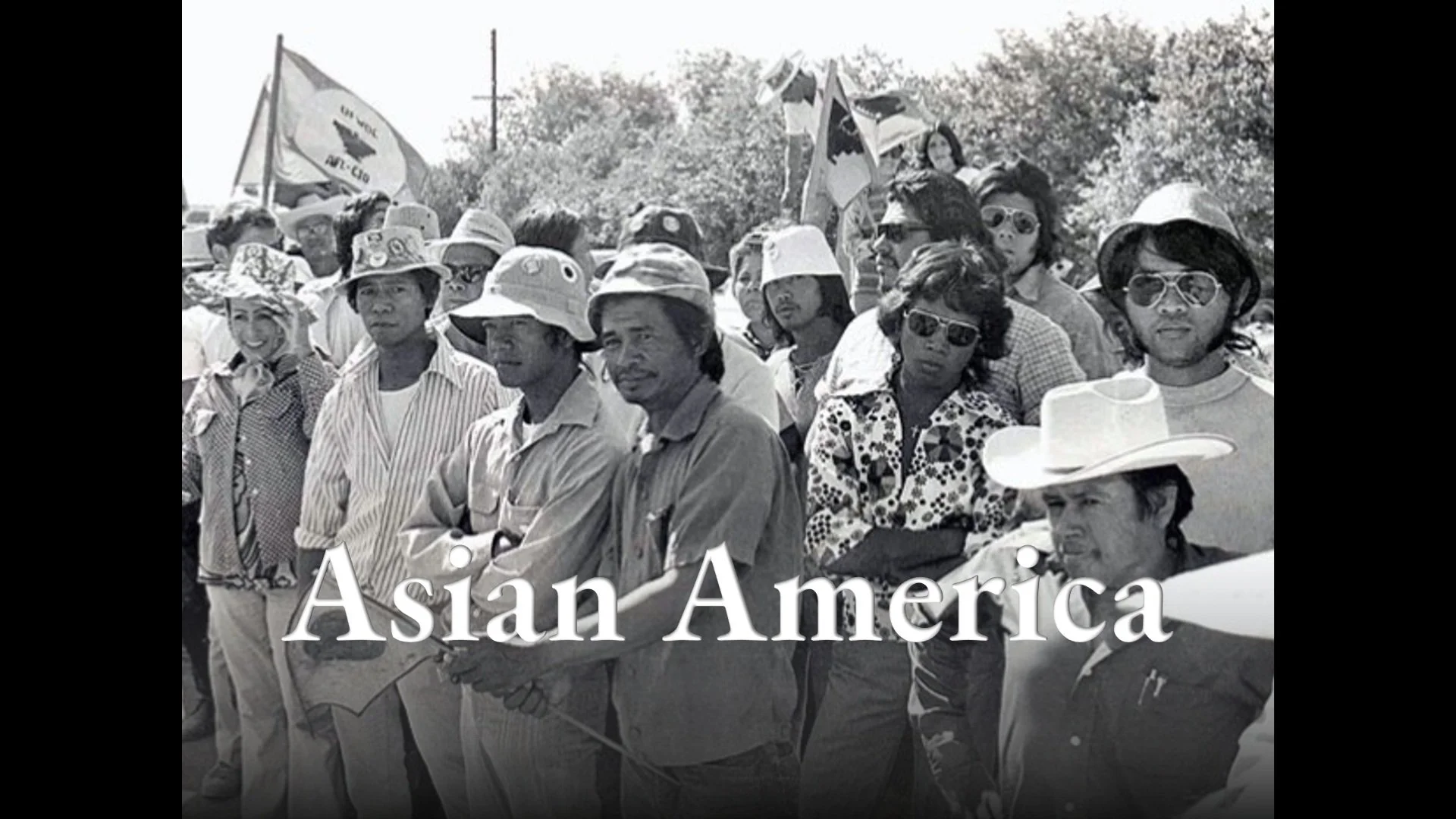
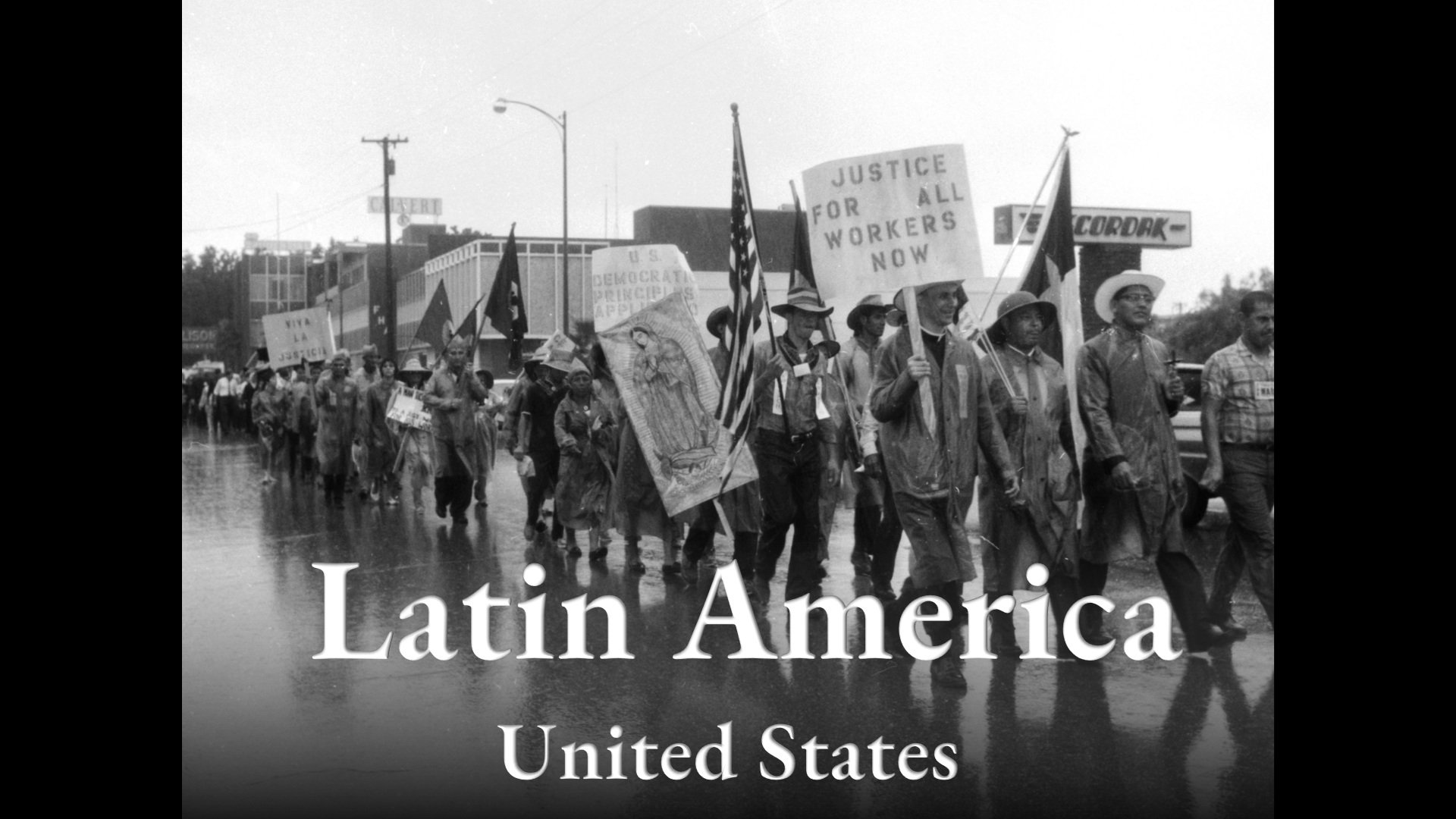
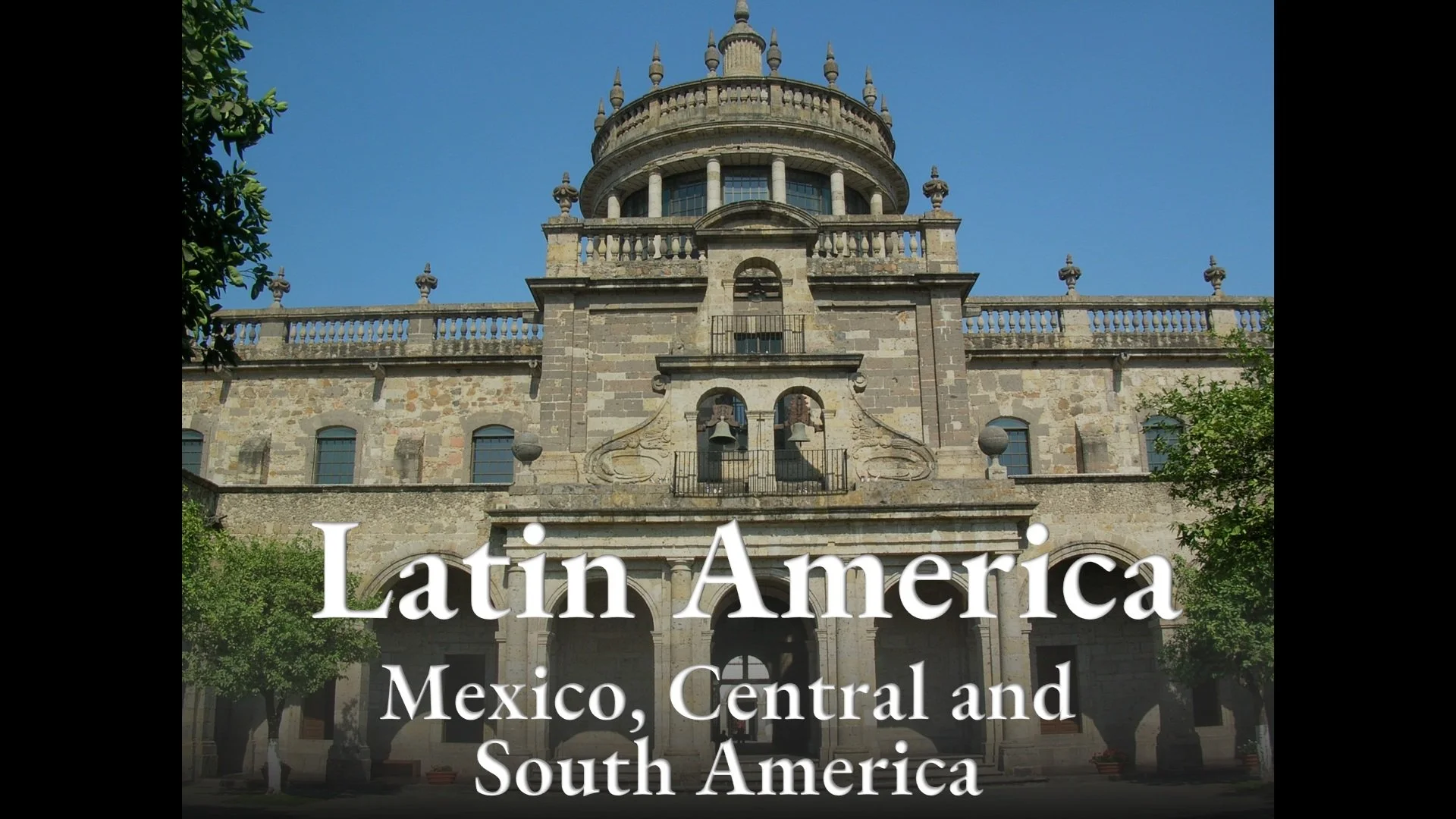
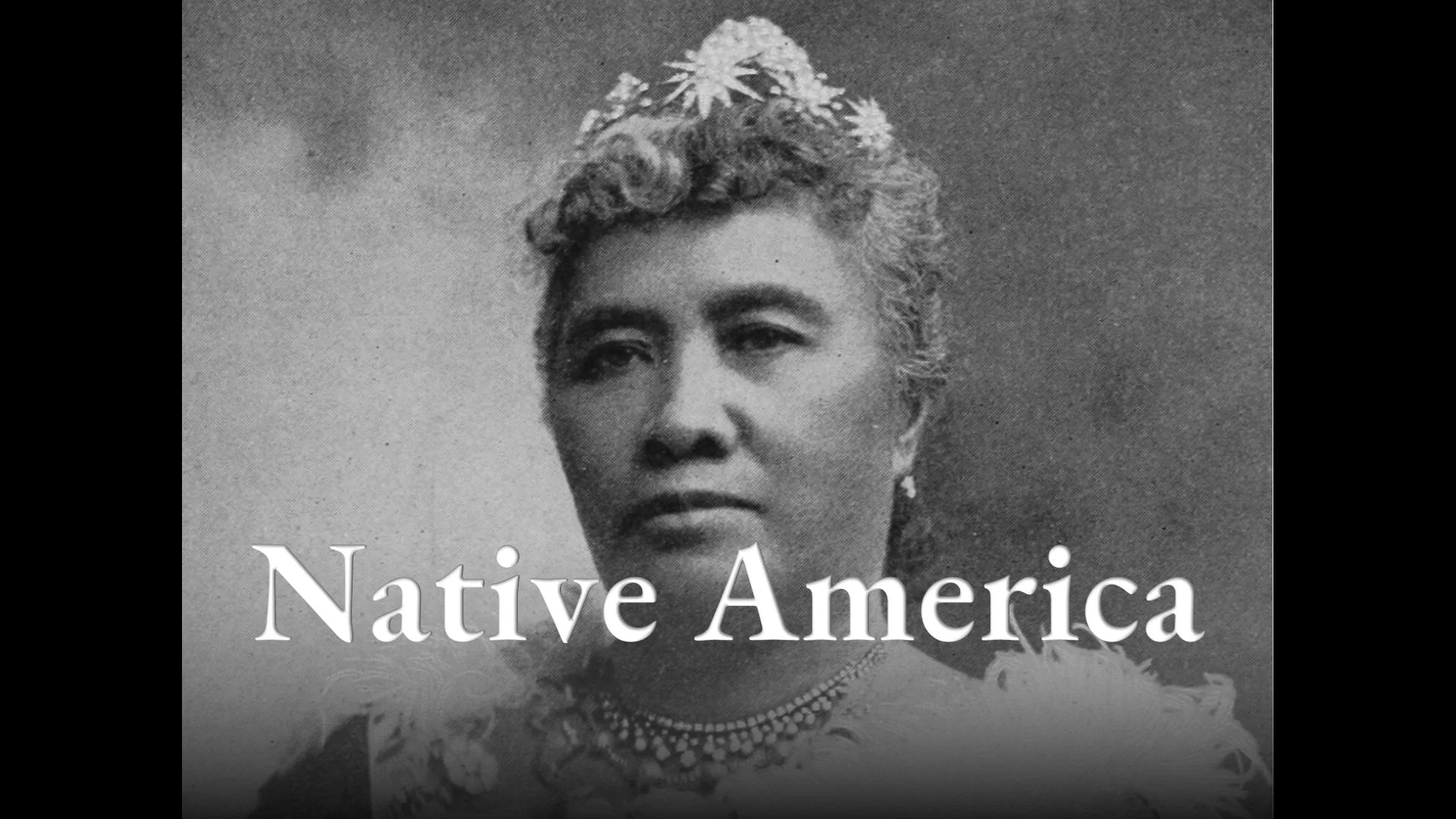
This section explores the experience and activities of Christians under colonial and modern regimes in the Americas. The pages are: African Americans Pre-1954 and Post-1954 because in 1954, the Supreme Court handed down Brown v. Board of Education, which was a turning point in the Civil Rights Movement and U.S. legal history; African American Spirituality; Asian America; Latin American In the US and Latin American Outside the US; Native American; White Anti-Supremacist; and White Supremacist. Other related topics include: Slavery and Race and Politics.
Church and Empire: Topics:
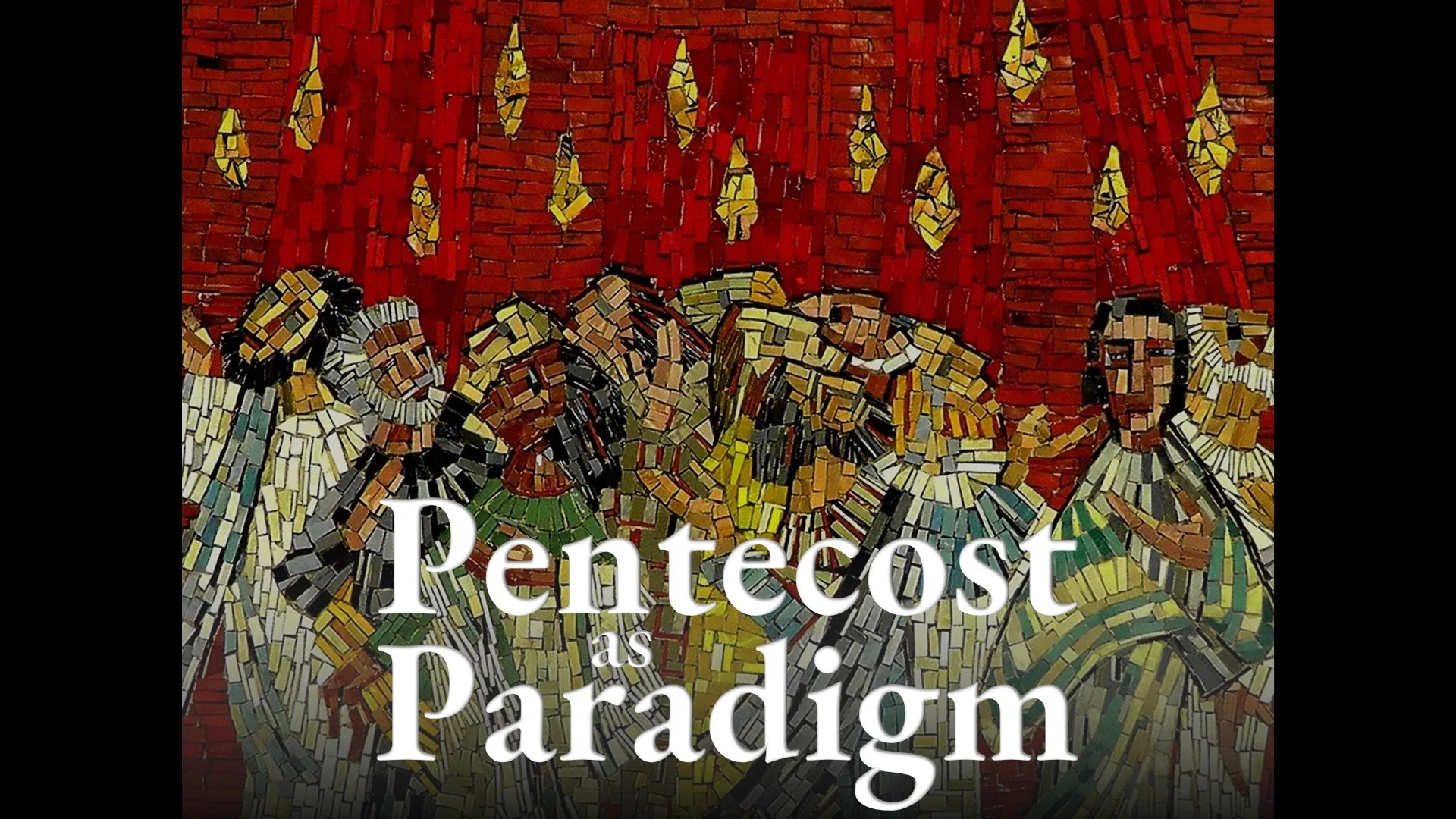
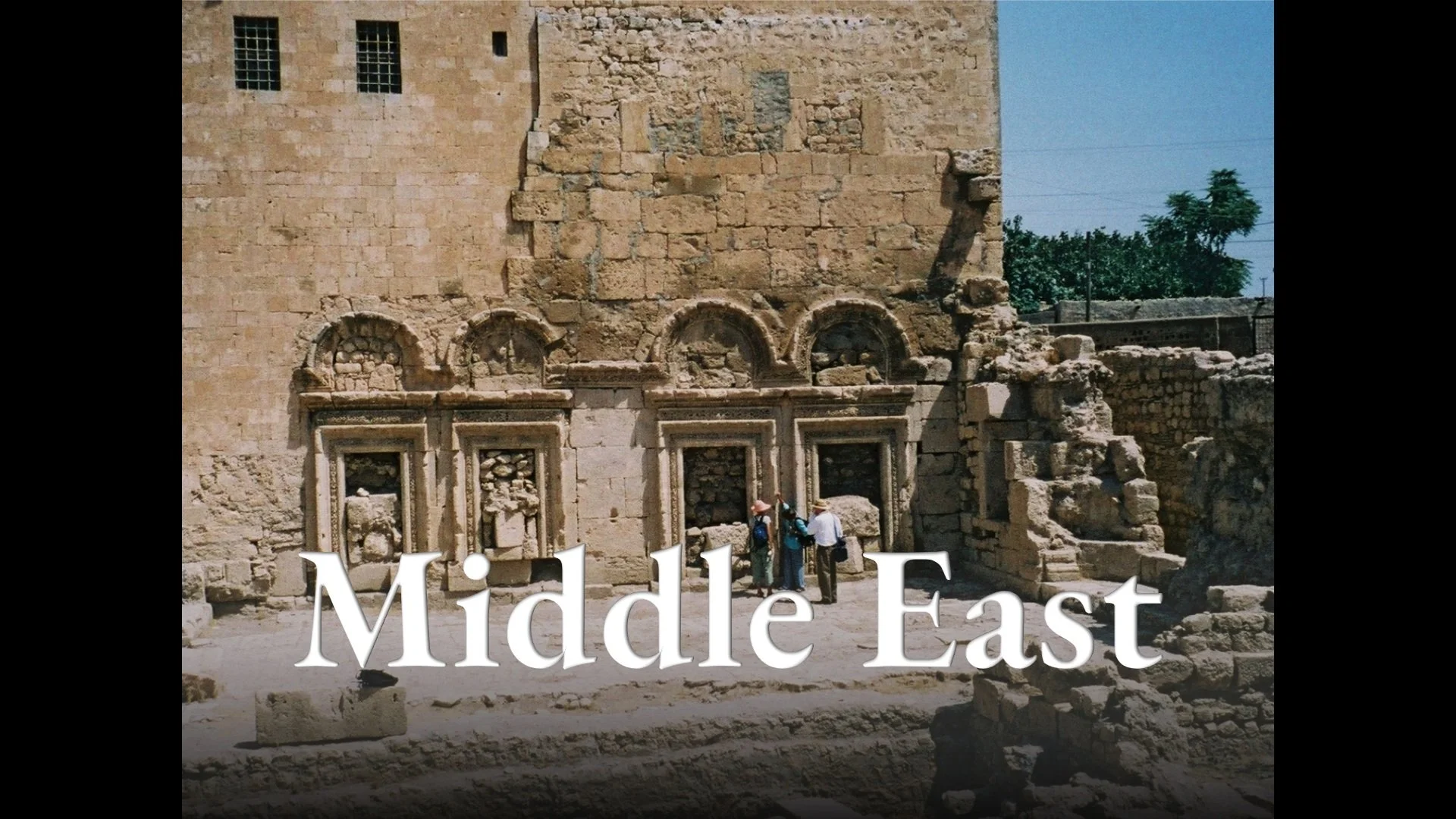
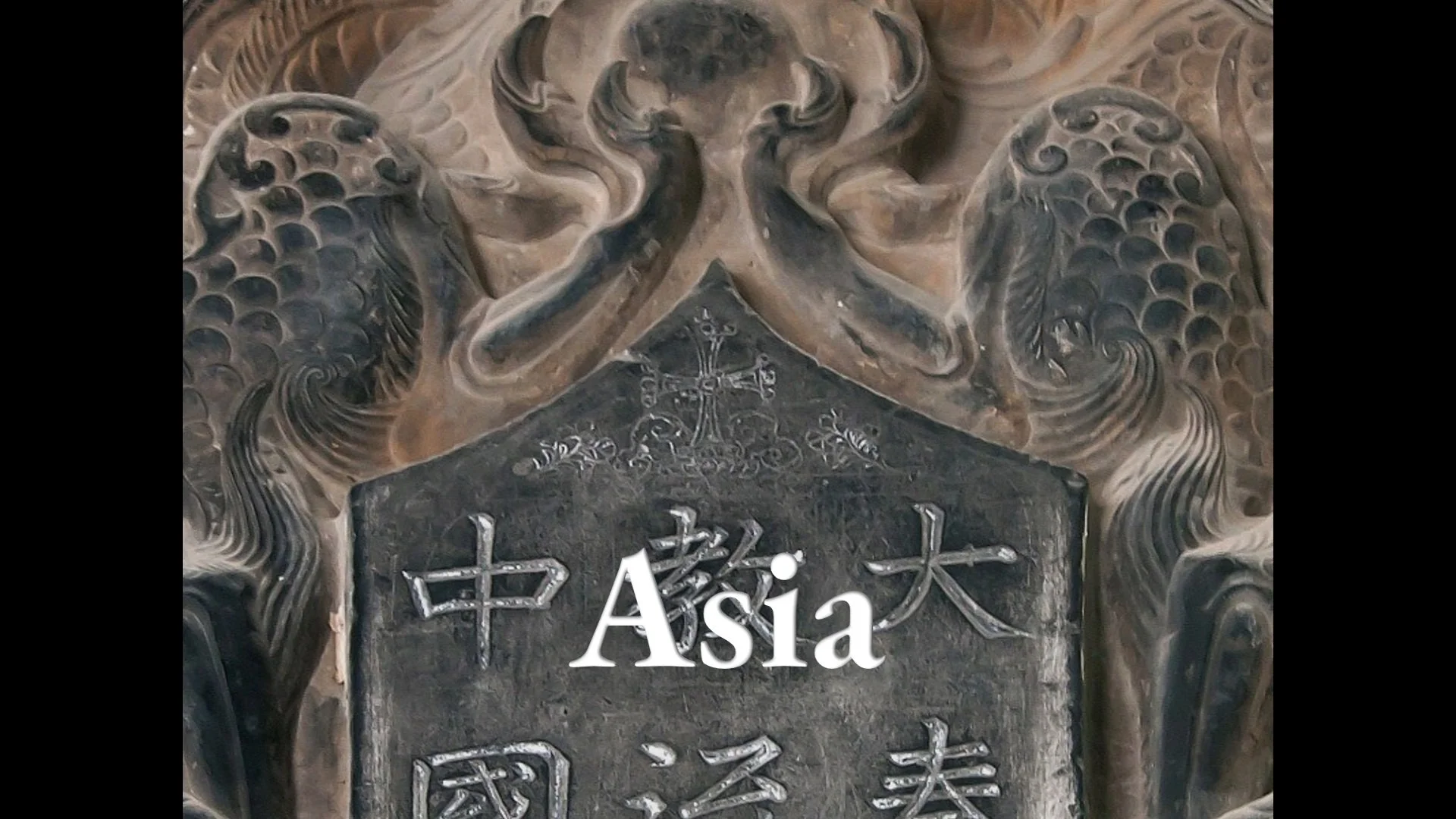
This page is part of our section on Church and Empire. These resources begin with a biblical exposition of Empire in Church and Empire and the meaning of Pentecost in Pentecost as Paradigm for Christianity and Cultures, then grouped by region.