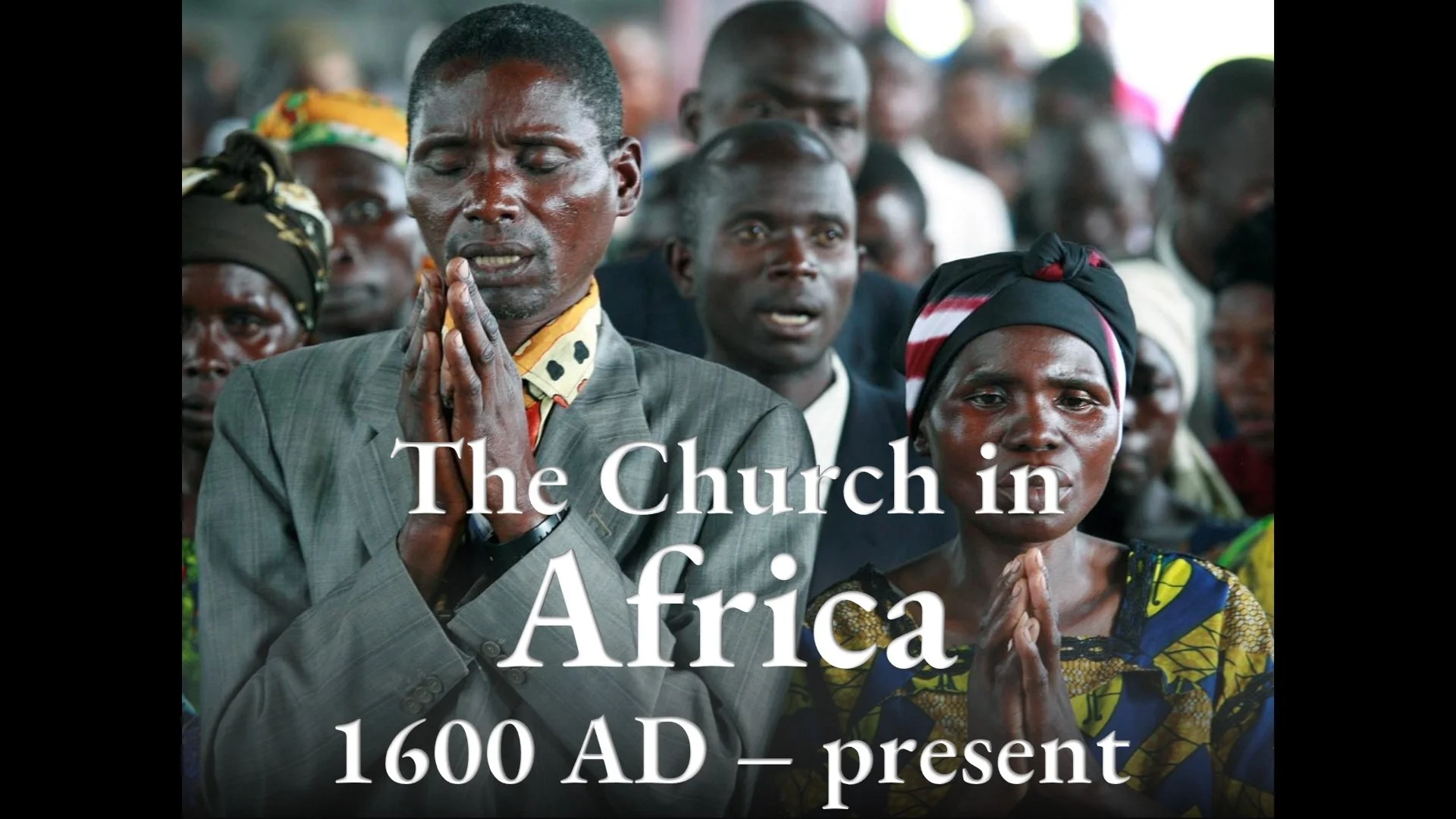
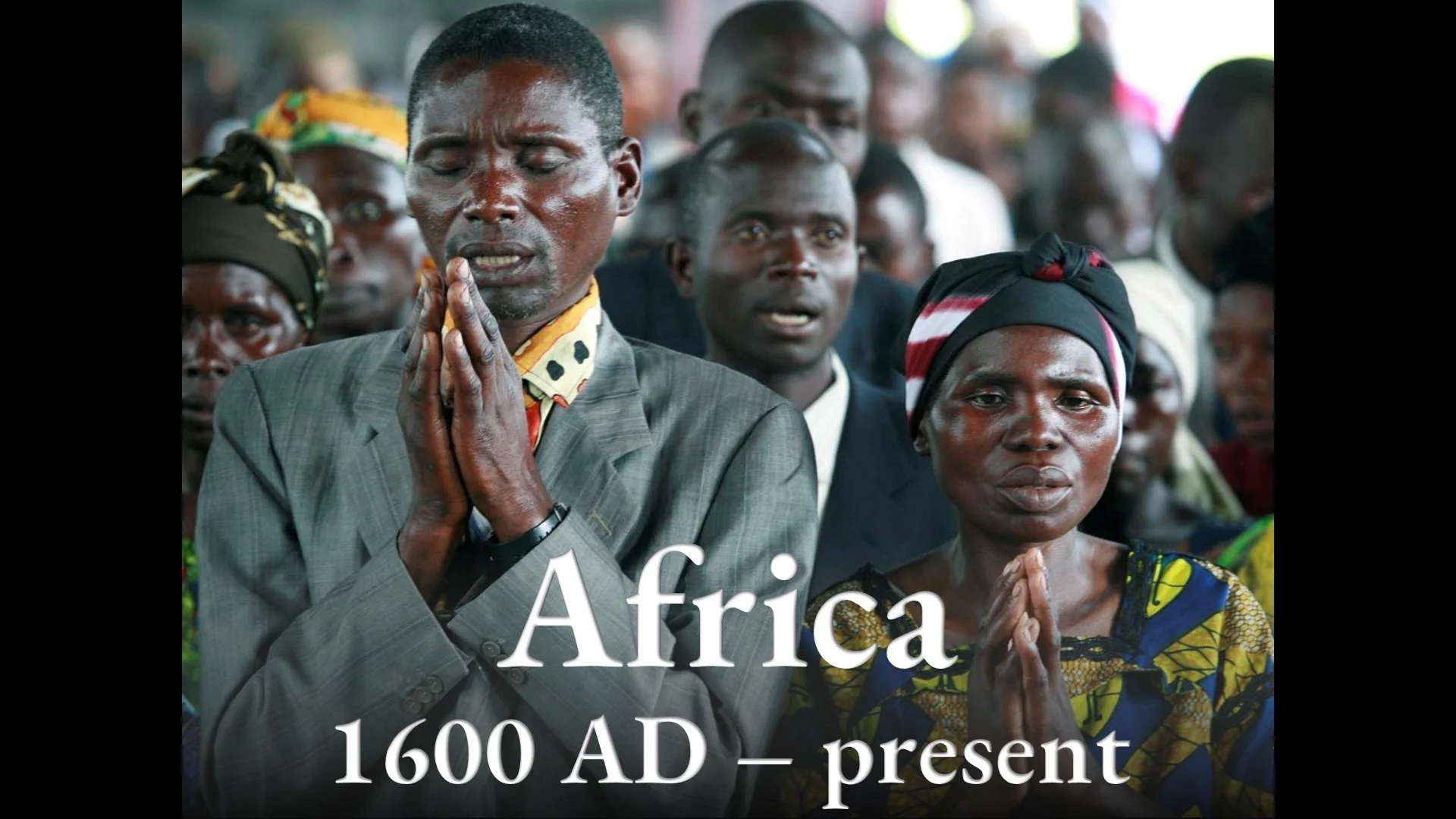
Photograph: Christians praying in Goma, in the Democratic Republic of Congo. Photo credit: Steve Evans, Wikimedia Commons.
Introduction
The selection of perspectives on church history in this section — Church and Empire — has been guided by three factors: (1) to demonstrate that Christianity has not been a “white man’s religion”; (2) the study of empire as a recurring motif in Scripture by recent biblical studies scholars; and (3) explorations of biblical Christian ethics on issues of power and polity, to understand how Christians were faithful to Christ or not. Christian relational ethics continues a Christian theological anthropology that began with reflection on the human nature of Jesus, and the human experience of biblical Israel.
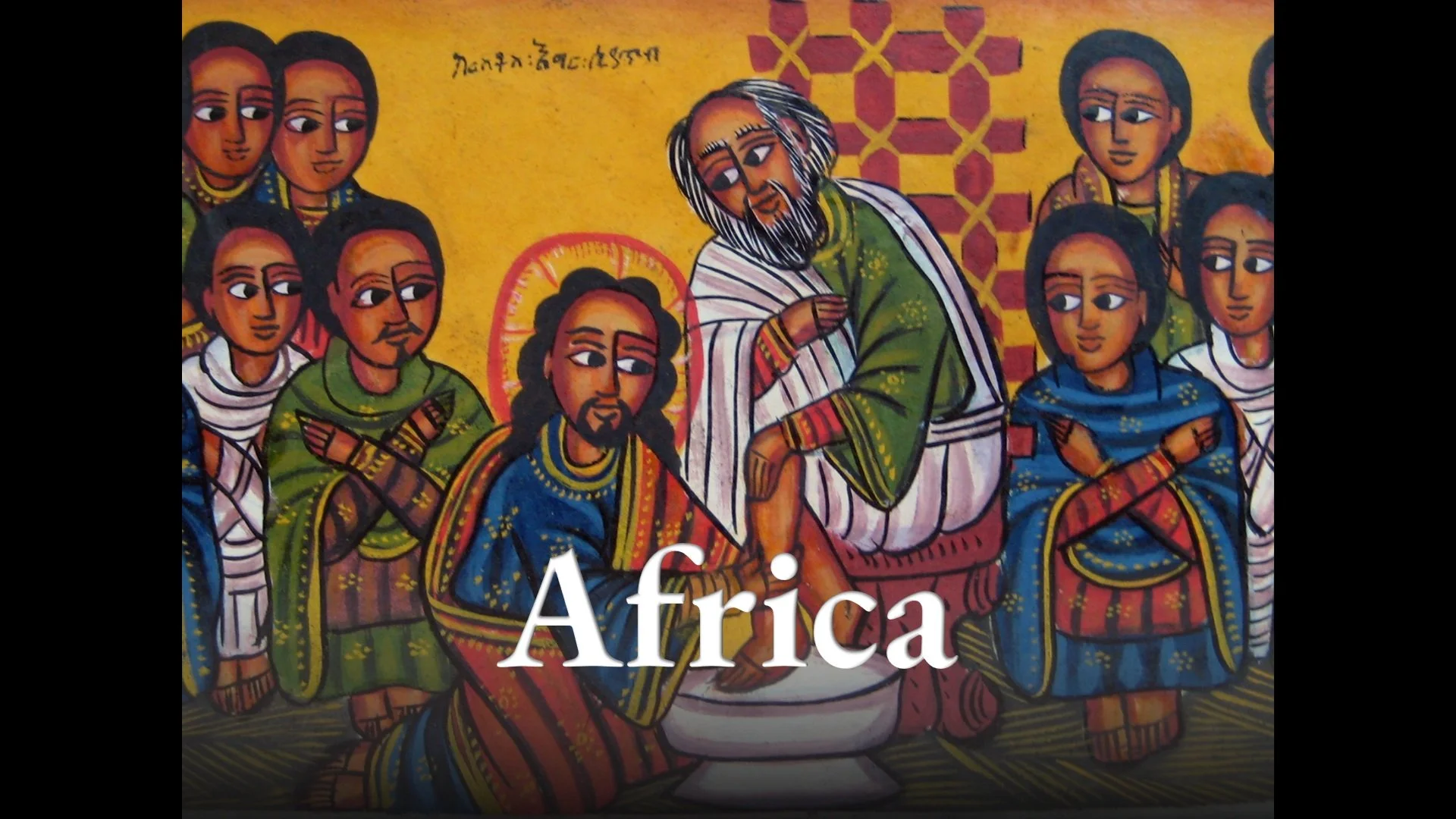
This page explores Christians in Africa relating to power after 1600. These communities will be important, as the Pew Center writes, “if demography is destiny, then Christianity’s future lies in Africa. By 2060, a plurality of Christians – more than four-in-ten – will call sub-Saharan Africa home, up from 26% in 2015.”
Messages and Resources
The Theology of Marvel’s Black Panther, Part 2: Wakanda as Chosen People — Not Conquered, Not Conquerors (link opens YouTube video) This is Part 2 of a five part series on The Theology of Marvel’s Black Panther. It explores the portrait of Wakanda as Afro-futurist but also a near-ideal people in a world where colonization is the rule, not the exception. Wakanda, like Ethiopia, was never colonized. The Ethiopian cross is even present in the movie. And Ethiopia's Christian faith is also important in real history, as a force against Western European influence during the older age of colonialism, as well as the modern age of capitalism. Wakanda is also a "chosen people" image also portrayed by the Hebrew Bible, especially when we look at a human community in a garden land, who have received a divine from above, resulting in the power of women and more.
Dr. Vince Bantu, Assistant Professor of Church History at Fuller Seminary and Founder-Director of the Meachum School of Haymanot, joins Mako Nagasawa to appreciate Marvel's Black Panther. We talk about church history, Christian ethics and theology, and the lessons we need to learn today.
Our video series, The Theology of Marvel’s Black Panther, is also found on our Arts and Theology page and our YouTube channel, where we put brief descriptions of each video. It’s a great way to engage people who have an appreciation for the movies, especially if they are also activists at heart, and wonder why we firmly argue that Christian faith is not a “white man’s religion.”
The Role of Jesus in Revolution and the Pursuit of Justice
This is an evangelistic message that highlights the Christian-led and Christian-influenced non-violent resistance movements throughout the world in the 20th century. They show the connections and spiritual vitality of Christian faith under empire or empire-like oppression. Highlights the Truth and Reconciliation Commissions of South Africa, Rwanda, and Uganda.
-
Lamin Sanneh, West African Christianity. Orbis Books | Amazon page, Oct 1983.
Martin Prozesky, Christianity Amidst Apartheid: Selected Perspectives on the Church in South Africa. Palgrave Macmillan | Amazon page, 1990. (pdf book ) Prozesky explores both white and black South African theologies and practices
Jean Comaroff and John L. Comaroff, Of Revelation and Revolution, Volume 1: Christianity, Colonialism, and Consciousness in South Africa. University of Chicago Press | Amazon page, 1991. (pdf book) The Comaroffs analyze perceptions and discourses, as well as the deployment of Christian language
Kwame Bediako, Christianity in Africa: The Renewal of Non-Western Religion. Orbis Books | Amazon page, 1996.
John L. Comaroff and Jean Comaroff, Of Revelation and Revolution, Volume 2: The Dialectics of Modernity on a South African Frontier. University of Chicago Press | Amazon page, 1997. (pdf book) The Comaroffs analyze mutual cultural changes between British and Tswana peoples
Paul Gifford, African Christianity: Its Public Role. Indiana University Press | Amazon page, 1998.
Paul Freston, Evangelicals and Politics in Asia, Africa and Latin America. Cambridge University Press | Amazon page, 2001, 2003. (pdf book)
Andrew F. Walls, The Cross-Cultural Process in Christian History: Studies in the Transmission and Appropriation of Faith. Orbis Press | Amazon page, Feb 6, 2002. Walls highlights notable chapters on Christianity in Africa
Emmanuel Katongole, African Theology Today. Wipf and Stock | Amazon page, 2002.
Lamin Sanneh, Whose Religion Is Christianity?: The Gospel beyond the West. Eerdmans | Amazon page, Aug 31, 2003.
Lamin Sanneh, Abolitionists Abroad: American Blacks and the Making of Modern West Africa. Harvard University Press | Amazon page, Oct 9, 2003.
Lamin Sanneh and Joel A. Carpenter, The Changing Face of Christianity: Africa, the West, and the World. Oxford University Press | Amazon page, Mar 10, 2005.
Jane E. Soothill, Gender, Social Change and Spiritual Power: Charismatic Christianity in Ghana. Brill | Amazon page, 2007. (pdf book)
John Coffey, The Abolition of the Slave Trade: Christian Conscience and Political Action. Jubilee Centre, 2007.
Alemayehu Wassie Eshete, Ethiopian Orthodox Church Forests: Opportunities and Challenges for Restoration. VDM Verlag | Amazon page, Jun 26, 2008. See also Lori Robinson, How Churches Are the Gatekeepers of Ethiopia's Forests. Africa Geographic Stories, Apr 24, 2015. See also Addison Nugent, Ethiopia's Sacred Forests Are Shrinking. Can He Save Them? Ozy, Oct 15, 2017. For a scientific article, see also Lori Abiyou Tilahun, Hailu Terefe, Teshome Soromessa, The Contribution of Ethiopian Orthodox Tewahido Church in Forest Management and Its Best Practices to be Scaled up in North Shewa Zone of Amhara Region, Ethiopia. Science Publishing Group, Jun 2015.
Terence O. Ranger, Evangelical Christianity and Democracy in Africa. Oxford University Press | Amazon page, 2008. (pdf book)
Matthew Frost, Religion in Africa: 'The Church Fills the Gap When States Fail the Poor'. The Guardian, Oct 17, 2008.
Emmanuel Katongole and Chris Rice, Reconciling All Things: A Christian Vision for Justice, Peace and Healing. InterVarsity Press | Amazon page, Nov 10, 2008.
Matthew Parris, As an Atheist, I Truly Believe Africa Needs God (The Sunday Times. The Times UK, Dec 27, 2008. despite the patronizing posture and the historical ignorance of early Christianity in Africa, this article focuses on the need to create stable, transparent institutions where public officials are publicly accountable, and asks the important question from where the relevant ethics will come; I coped this article before it went behind a firewall (click here).
D. Willis James, Translating the Message: The Missionary Impact on Culture. Orbis Books | Amazon page, Jan 1, 2009.
Emmanuel M. Katongole and Jonathan Wilson-Hartgrove, Mirror to the Church: Resurrecting Faith after Genocide in Rwanda. Zondervan | Amazon page, Jan 28, 2009.
Emmanuel M. Katongole, The Sacrifice of Africa: A Political Theology for Africa. Eerdmans | Amazon page, Dec 16, 2010.
Afe Adogame, Roswith Gerloff, and Klaus Hock, Christianity in Africa and the African Diaspora: The Appropriation of a Scattered Heritage. Continuum | Amazon page, May 12, 2011.
Andrew Harding, Central African Republic Crisis: The Church Sheltering Muslims. BBC News, Feb 13, 2014.
Tim Townsend, Forgiving the Unforgivable in Rwanda. CNN, Apr 13, 2014. and Pieter Hugo and Susan Dominus, Portraits of Reconciliation: 20 Years After the Rwandan Genocide. New York Times Magazine, Apr 6, 2014. and Kari Costanza, Rwanda: 20 Years Later. WorldVision Magazine, 2014.
Seraphim Danckaert, BBC Documentary on Ethiopian Orthodox Christianity. Orthodox Christian Network, Jun 25, 2014.
Bruce Wydick, The Taste of Many Mountains. Thomas Nelson | Amazon page, Aug 2014. about the global coffee trade and Christians working for change
Mawuna Remarque Koutonin, 100 African Cities Destroyed By Europeans: WHY There Are Seldom Historical Buildings and Monuments in Sub-Saharan Africa! Silicon Africa, Nov 1, 2014.
Robert A. Dowd, Christianity, Islam, and Liberal Democracy: Lessons from Sub-Saharan Africa. Oxford University Press | Amazon page, 2015. (pdf book)
Mark Woods, Brother of Slain Coptic Christians Thanks ISIS For Including Their Words of Faith in Murder Video. Christian Today, Feb 18, 2015.
Robbie Couch, Nun in Uganda Has Educated 2,000 Girls Victimized by Joseph Kony. Huffington Post, Apr 22, 2015.
21 Christian Books by African Authors You Should Read. Theology in Africa blog, Mar 31, 2017. a great book list
Sunday Bobai Agang, The Greatest Threat to the Church Isn’t Islam—It’s Us. Christianity Today, Apr 21, 2017. Agang is a leading Nigerian theologian
Paul Schemm, Africa's Real Wakanda and the Struggle to Stay Uncolonized. Washington Post, Feb 27, 2018.
Ruth Gledhill, Coptic Christians Nominated for Nobel Peace Prize. The Tablet International Catholic News Weekly, Oct 2, 2018.
Kate Shellnut, Nobel Peace Prize Goes to Christian Doctor Who Heals Rape Victims. Christianity Today, Oct 5, 2018. Denis Mukwege, a Congolese gynecologist who treats victims of rape
Harrison Smith, Lamin Sanneh, Pioneering Historian Who Studied Christianity’s Spread, Dies at 76. Washington Post, Jan 13, 2019.
Johan Tredoux, Apartheid at 9pm. Uncommon Community, May 15, 2019. Tredoux highlights the role of the Dutch Reformed Church and the Dutch Afrikaaners resisting slave abolition by the British Empire, another Christian effort.
Jeremy Siefert, The Church Forests of Ethiopia. Emergence Magazine, Jan 3, 2020.
Adriaan Vlok. Wikipedia article. Vlok was a leader of South Africa’s Apartheid State Security Council, which planned and implemented drastic repressive measures, including hit squads, carrying out bombings and assassination of anti-apartheid activists. Notable is his conversion to Christ: “In mid-2006, Vlok came forward with public apologies for a number of acts that he had not disclosed to the TRC, and for which he could therefore be prosecuted. In a dramatic gesture, he washed the feet of Frank Chikane who, as secretary-general of the South African Council of Churches, had been targeted by Vlok for assassination. Subsequently, he washed the feet of the ten widows and mothers of the "Mamelodi 10", a group of anti-apartheid activists who had been lured to their death by a police informant. He said he had become a born again Christian prior to his public apologies for his actions as Minister of Law and Order and cites this as the cause of his change of heart about his role in apartheid and his need to seek forgiveness. On 17 August 2007, the High Court in Pretoria handed him a suspended ten-year sentence for his role in the 1989 plot to kill Frank Chikane.” Trevor Nthola, A Practical Theological Perspective on Reconciling Relationships in a Post-Apartheid South Africa. Dissertation, University of Pretoria, 2021. “In this study, I will reflect on the place of reconciliation in the political and contemporary life of Adriaan Vlok - the former apartheid Minister of Law and Order. In terms of epistemology and methodology, this thesis will use the post-foundational and narrative approaches. I will argue that in his life, first as an advocate of apartheid, then as a repentant Christian who asked for forgiveness from some of his victims, also as one who appeared before the Truth and Reconciliation Commission (TRC) and disclosed as much as humanly possible, and later as an ordinary South African who tried to give back to the communities that were disadvantaged by the apartheid regime he was part of, he, Vlok, was a personification of post-apartheid reconciliation. This is in the sense that he, from the Apartheid’s Nats high echelons were the only one to acknowledge and accept his own political criminality as far as Apartheid is concerned.”
Adie Vanessa Offiong, Ian Wafula, Taylor Su, and David Blood, A Life in Fear: The Dangers of Finding Love Online as a Queer Woman in Nigeria. CNN, Jan 29, 2024. Spotlights the crime of “kito” or “corrective rape” where men rape queer women thinking to make them heterosexual. These crimes are fueled by very conservative Christian and Muslim beliefs.
Church and Empire in Africa: Topics:
This section explores the experience and activities of Christians under various regimes in Africa. We divide this material into Africa Pre-1600, Africa Post-1600, African American Pre-1954, African American Post-1954, African American Spirituality, and the African Diaspora outside the U.S. The time period around 1600 AD is significant because: In the West, the Songhai Empire collapsed in 1591 and the Mali Empire was divided in 1610; in Central Africa, Idris Alooma, ruler of the Kanem-Bornu Empire, died in 1603; in the East, Portugal and the Catholic Church were expelled from Ethiopia in 1632; and on the coasts, accelerated conflict with European colonizers and slave traders
Church and Empire: Topics:
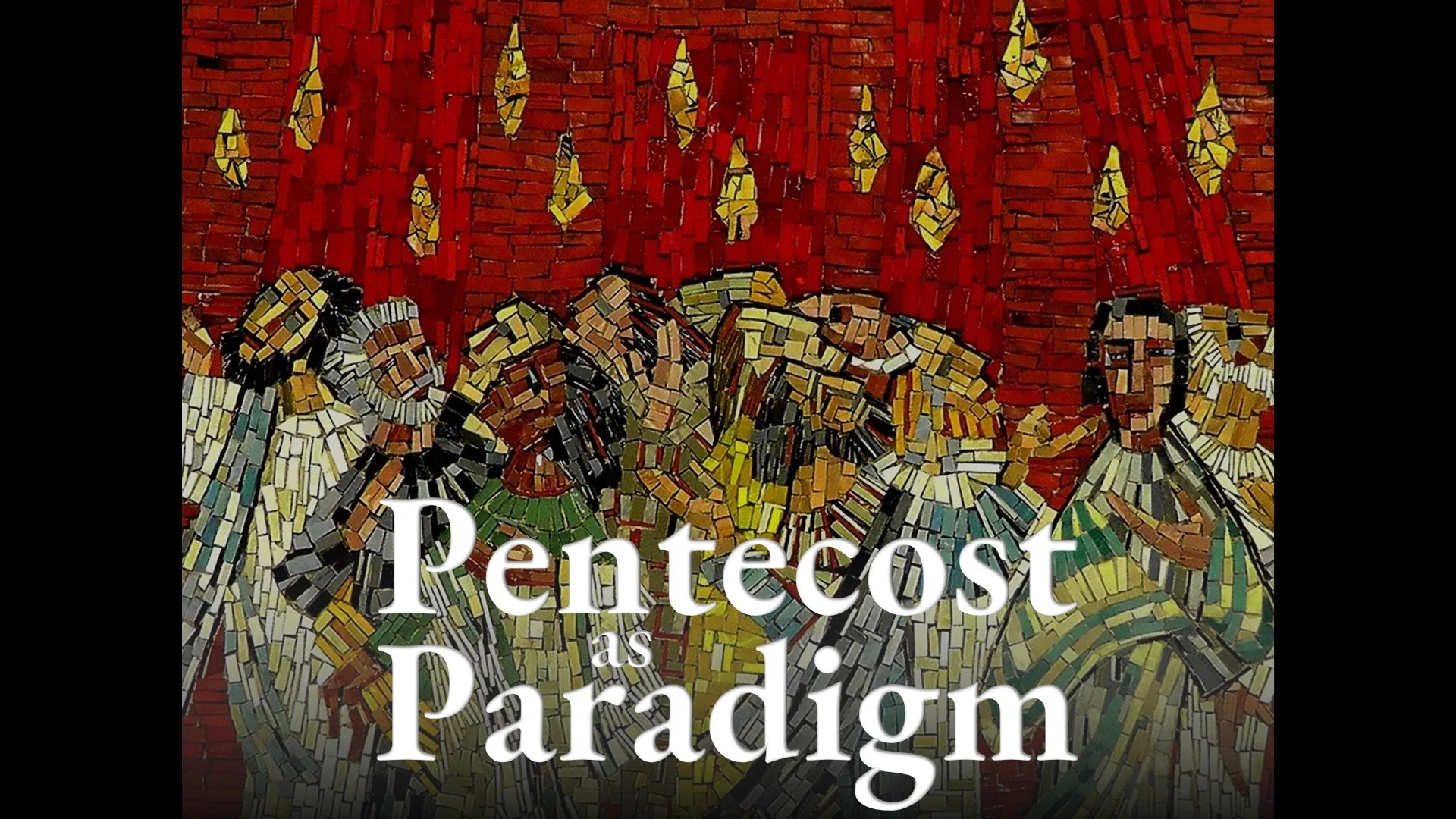
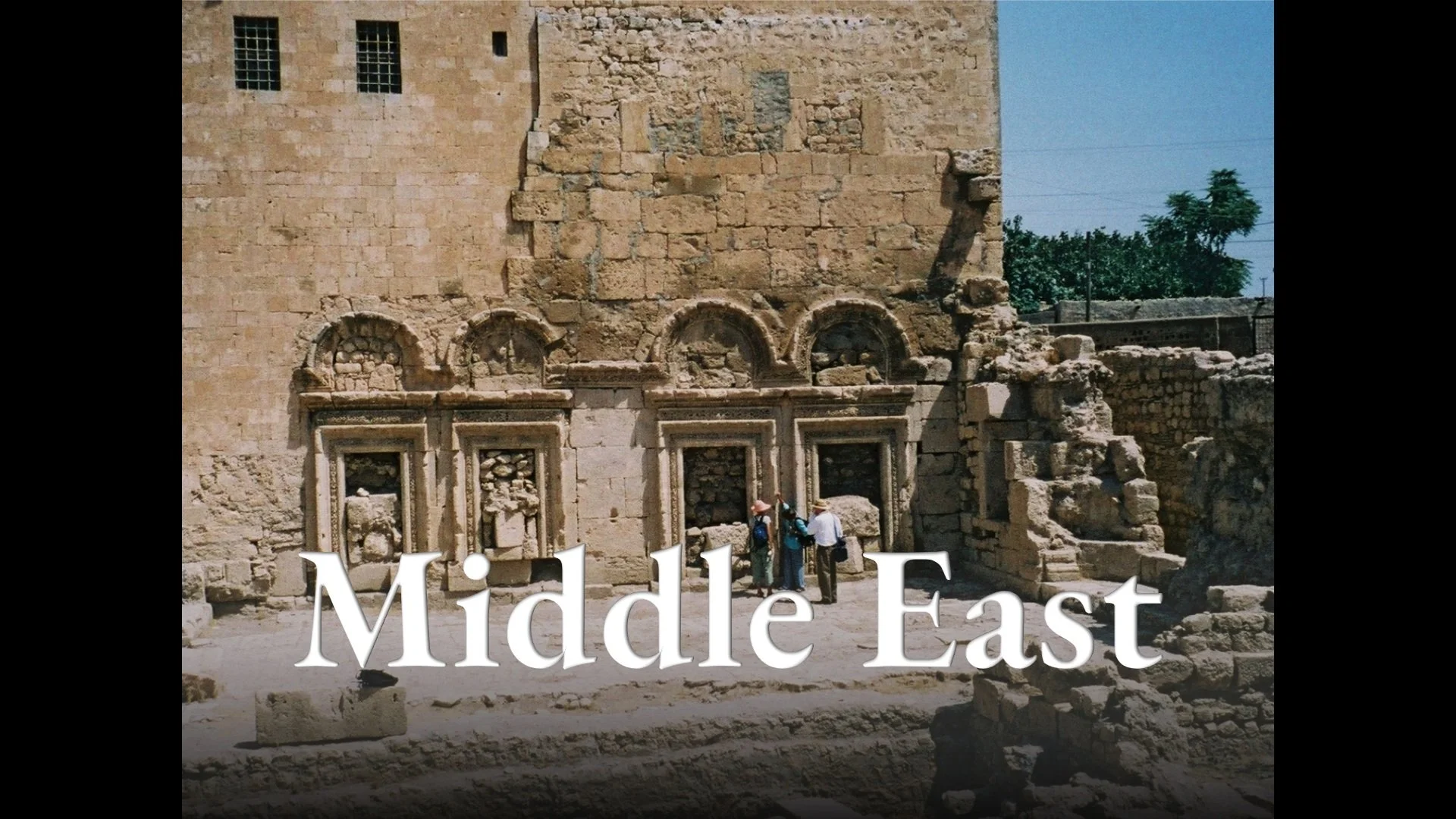
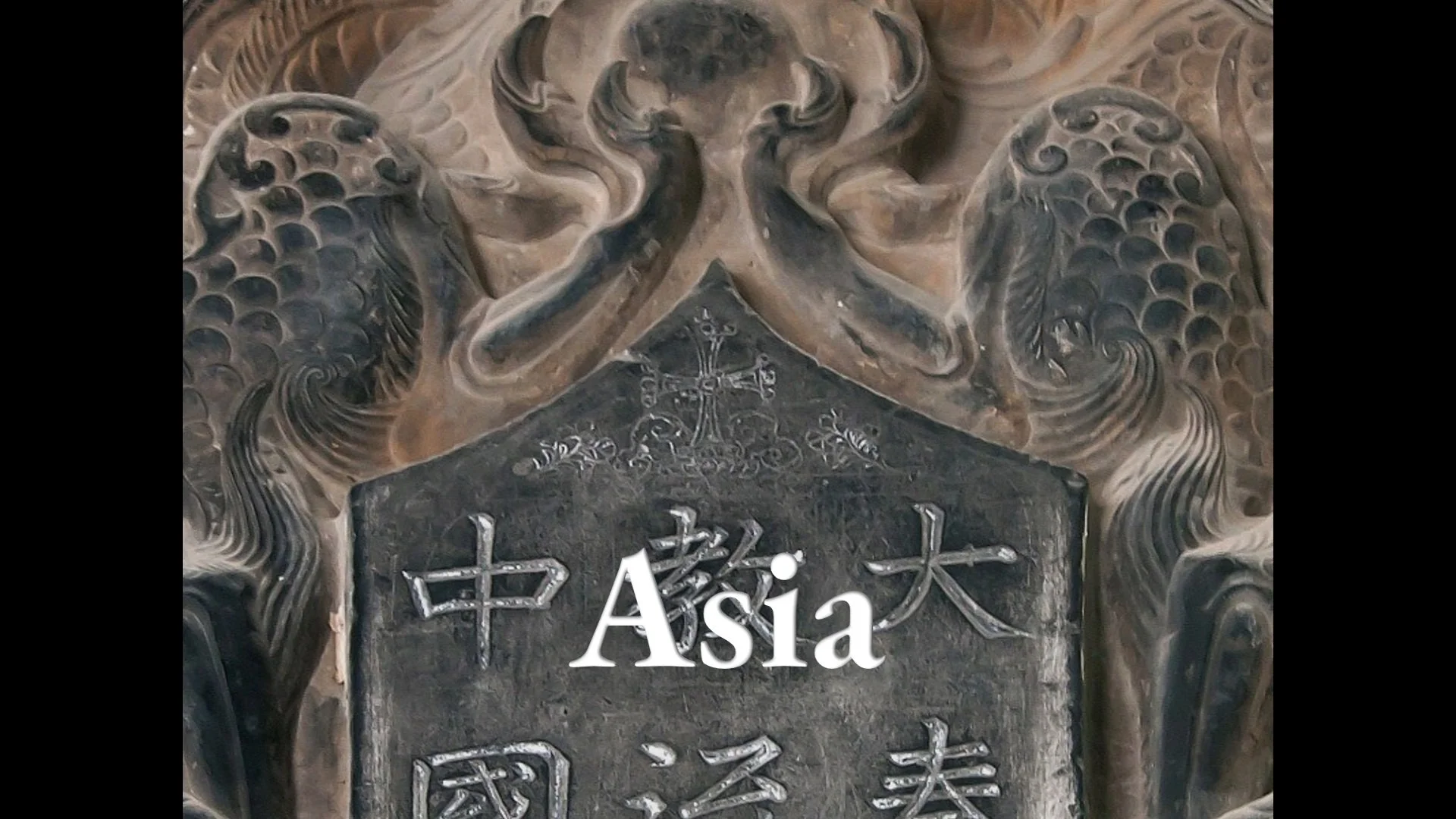
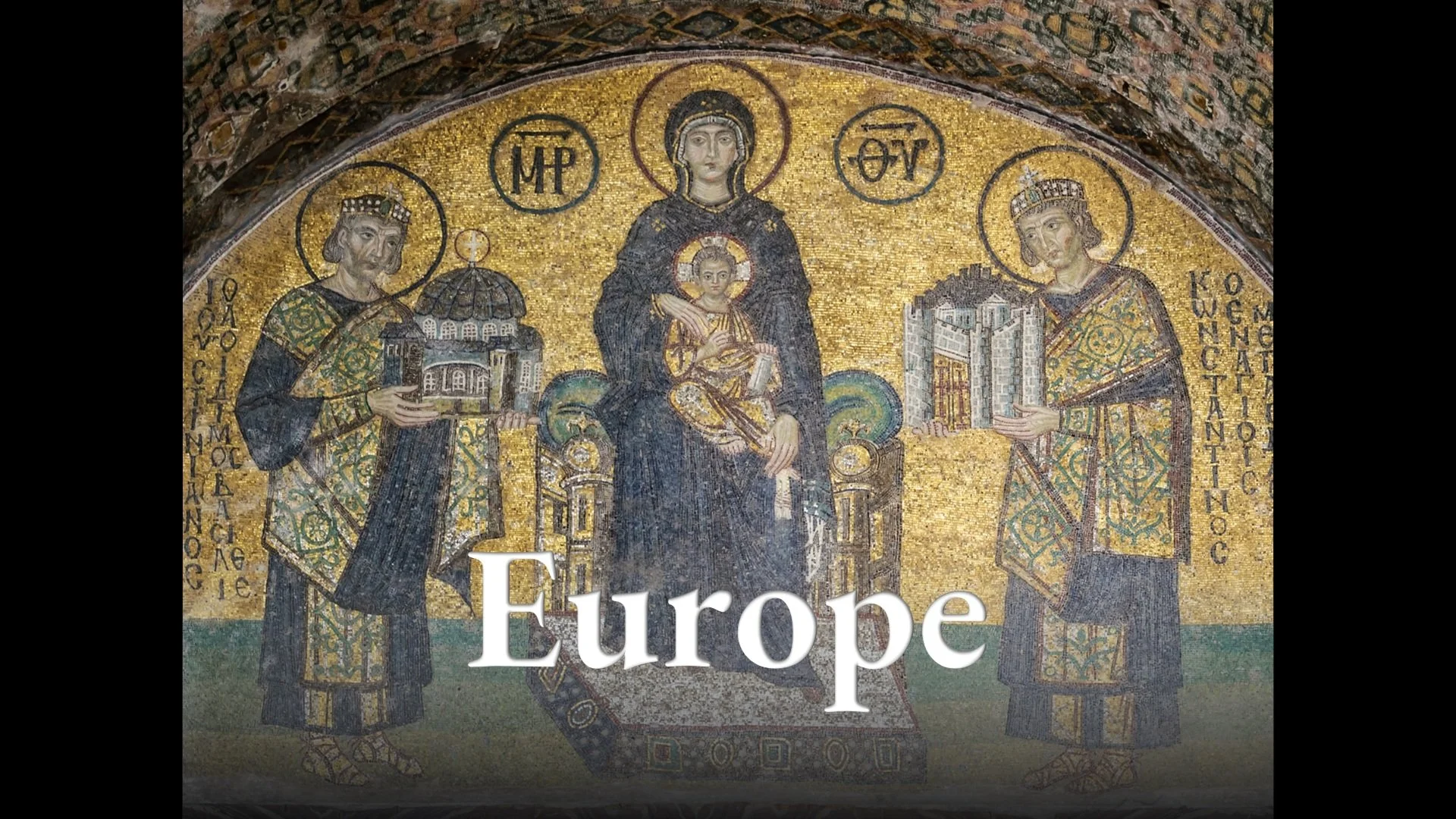
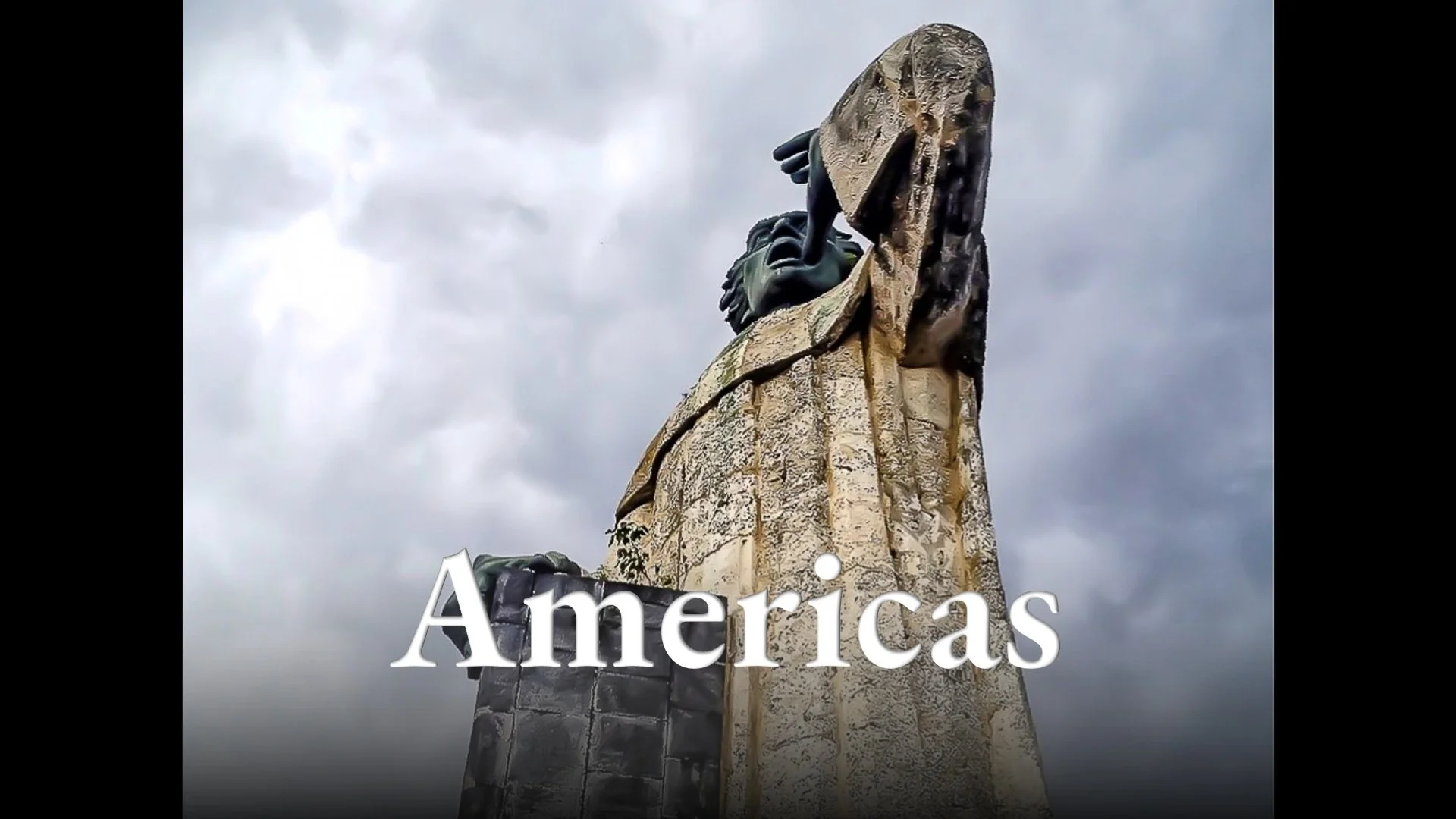
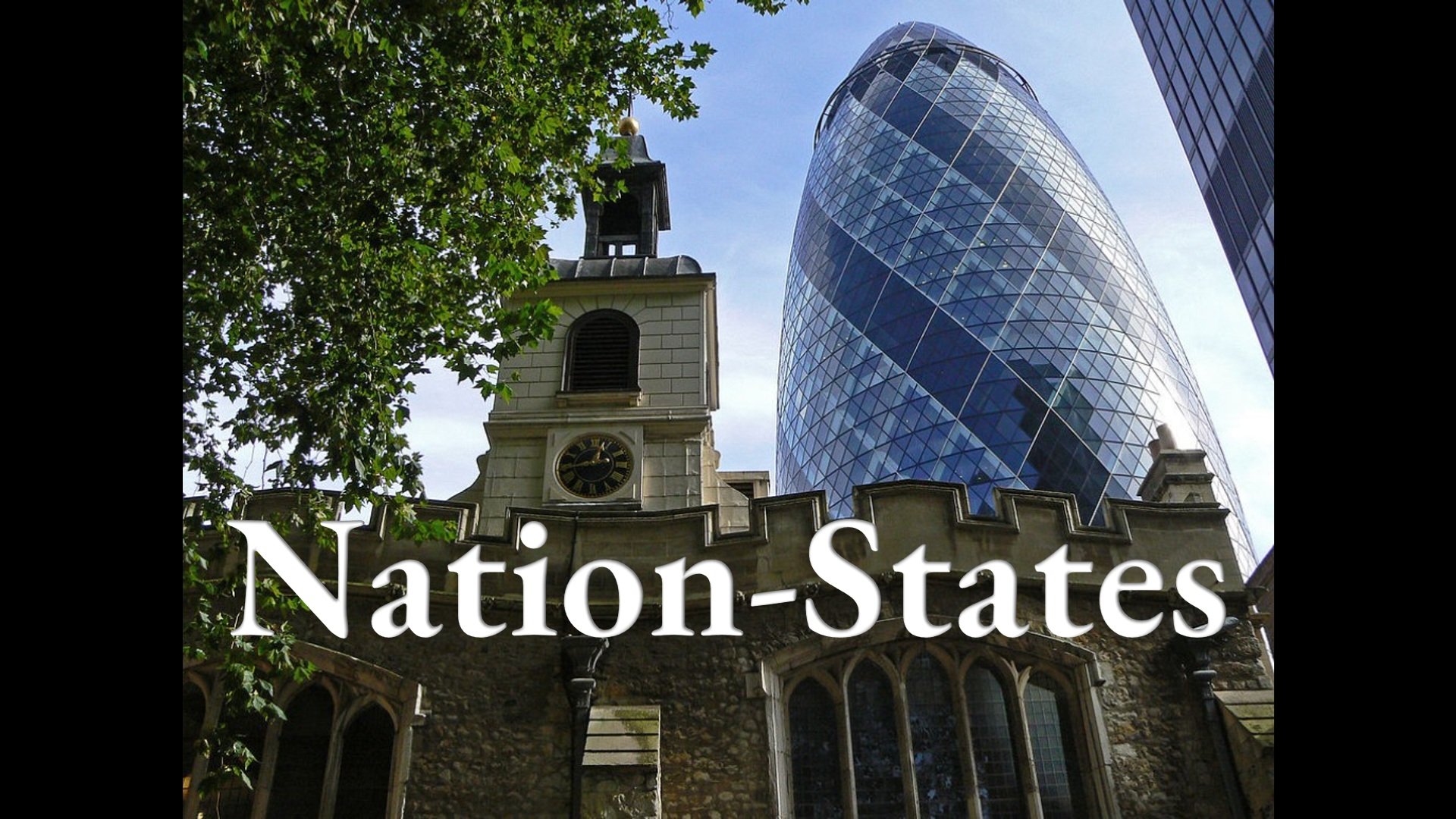
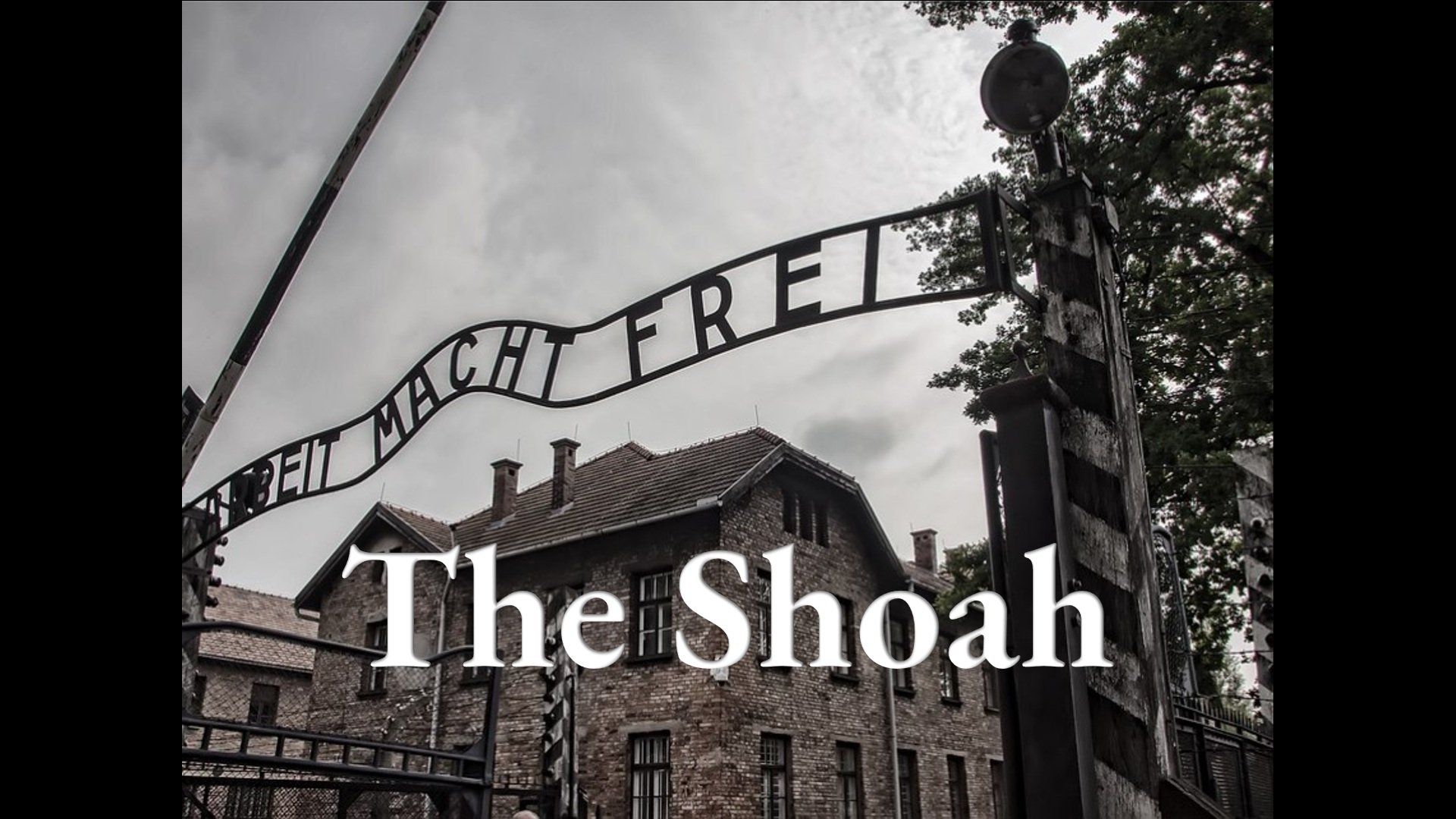
This page is part of our section on Church and Empire. These resources begin with a biblical exposition of Empire in Church and Empire and the meaning of Pentecost in Pentecost as Paradigm for Christianity and Cultures, then grouped by region: Middle East, Asia, Africa, Europe, Americas, then Nation-State, with special attention given to The Shoah of Nazi Germany.