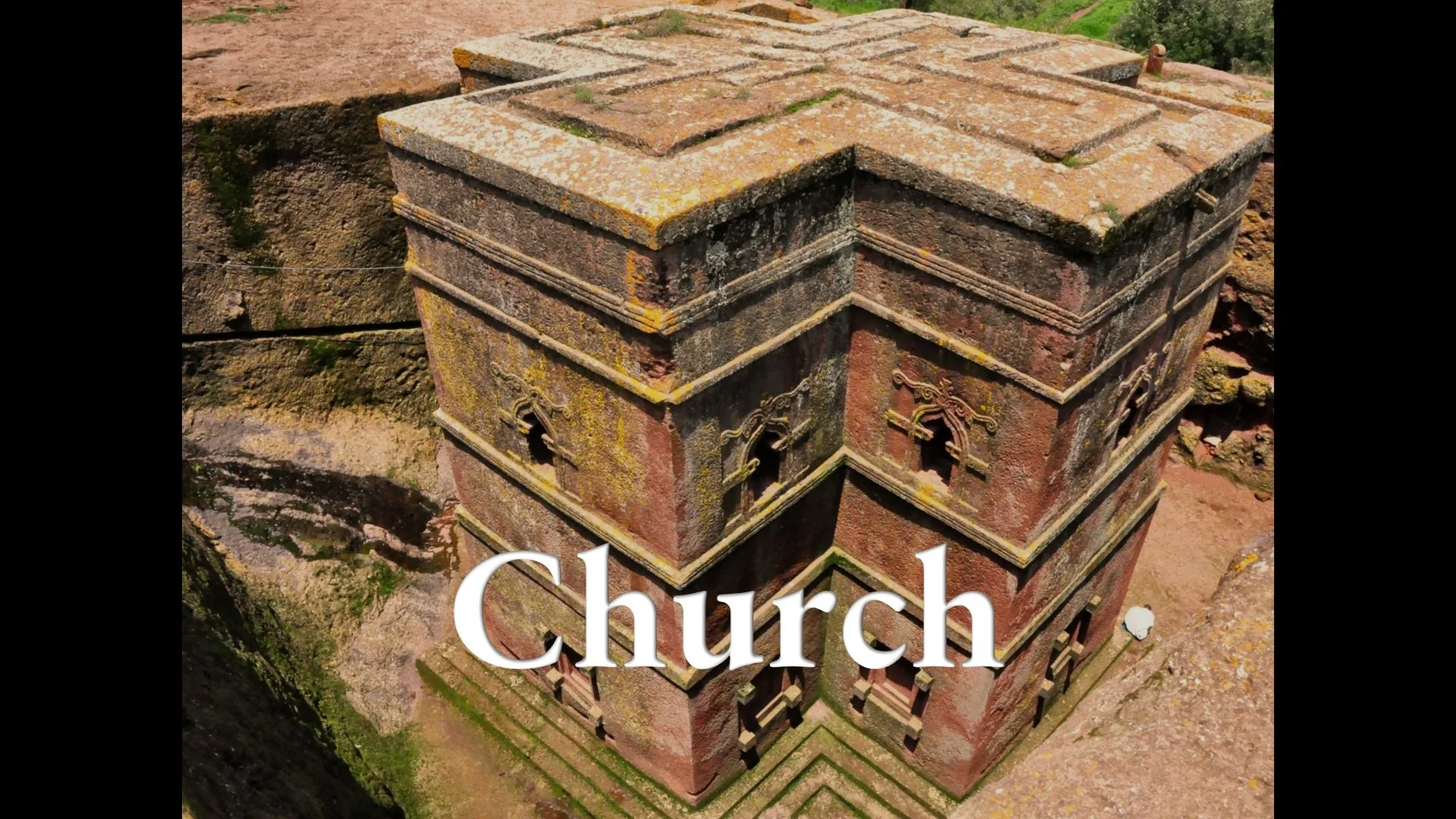
Photograph: Antelope Lower Canyon, Arizona. Photo credit: Mako Nagasawa.
Introduction
These two questions stand behind all of the questions that we might have about God’s relationship with the people of Israel as portrayed by the Old Testament. Why did God apparently favor Abraham and Sarah and their family? Why did God protect them by taking other human life, like in the Flood, Sodom and Gomorrah, the Egyptian firstborn, etc.?
Why Choose a Chosen People? Why Not Skip Right to Jesus?
Why Choose a Chosen People? Why Not Just Jump Right to Jesus?
A long essay reflecting on a major question overlooked by many: Why did God have an Israel in the first place? Broken out into parts:
Reason #1: To Be a Microcosm of All Humanity, Not a Race or Ethnicity
Reason #2: To Live by God's Word and Hope for a Happy Ending
Reason #3: To Diagnose the Evil Internal to Human Nature
Reason #4: To Suffer on Behalf of the World
Reason #5: To Document the Diagnosis
Reason #6: To Anticipate God's Dwelling Within People
Reason #7: To Oppose Pagan Temple Systems and Glimpse the Trinity
God’s Justice: Restorative, Not Retributive
God created and shaped the people of Israel to teach them key facets of His character. One of the most important facets is that God’s justice is restorative, not retributive. A message given at Gordon-Conwell Theological Seminary, Mar 8, 2022, This is a 40 minute video presentation and 25 minute Q&A. I tackle the following topics: 1) "An Eye for an Eye" as Restorative Justice; 2) God's Treatment of Israel as Restorative Justice; 3) God's Presence in Israel as Restorative; and 4) God's Atonement in Christ as Restorative. I include an introductory section involving the “four justices” and US public policy in God’s Justice as Restorative, Not Retributive: Examining Four Types of Justice. A recording of a video given to Mike and Kelly Tsai’s small group at Peninsula Bible Church Cupertino, May 1, 2021.
Why Protect a Chosen People?
When God took human life in these occasions, it was not to supposedly demonstrate "retributive justice," but rather to protect His human partners at the time, until Jesus came among the Israelites.
The Troubling Acts of God: The Destruction of the Canaanites
Text of a message focusing on how God engaged with the Canaanites throughout the Old and New Testaments. Slides to this presentation are graphics-heavy so have been divided into part 1 and part 2. When God took human life on some of the occasions where Israel and the Canaanites came into conflict, it was not to supposedly demonstrate "retributive justice," but rather to protect His human partners at the time, until Jesus came among the Israelites.
The Troubling Acts of God: Did God or Satan Make David Sin?
An examination of 2 Samuel 24 and 1 Chronicles 21, where we find a curious mention of Satan acting upon King David, which opens us up into a much larger question. The paper compares Tolkien’s view of Melkor vs. R.C. Sproul’s view of Satan. This paper advocates that both Satan and David had free will. It critiques the “divine meticulous sovereignty” view typical of Calvinists.
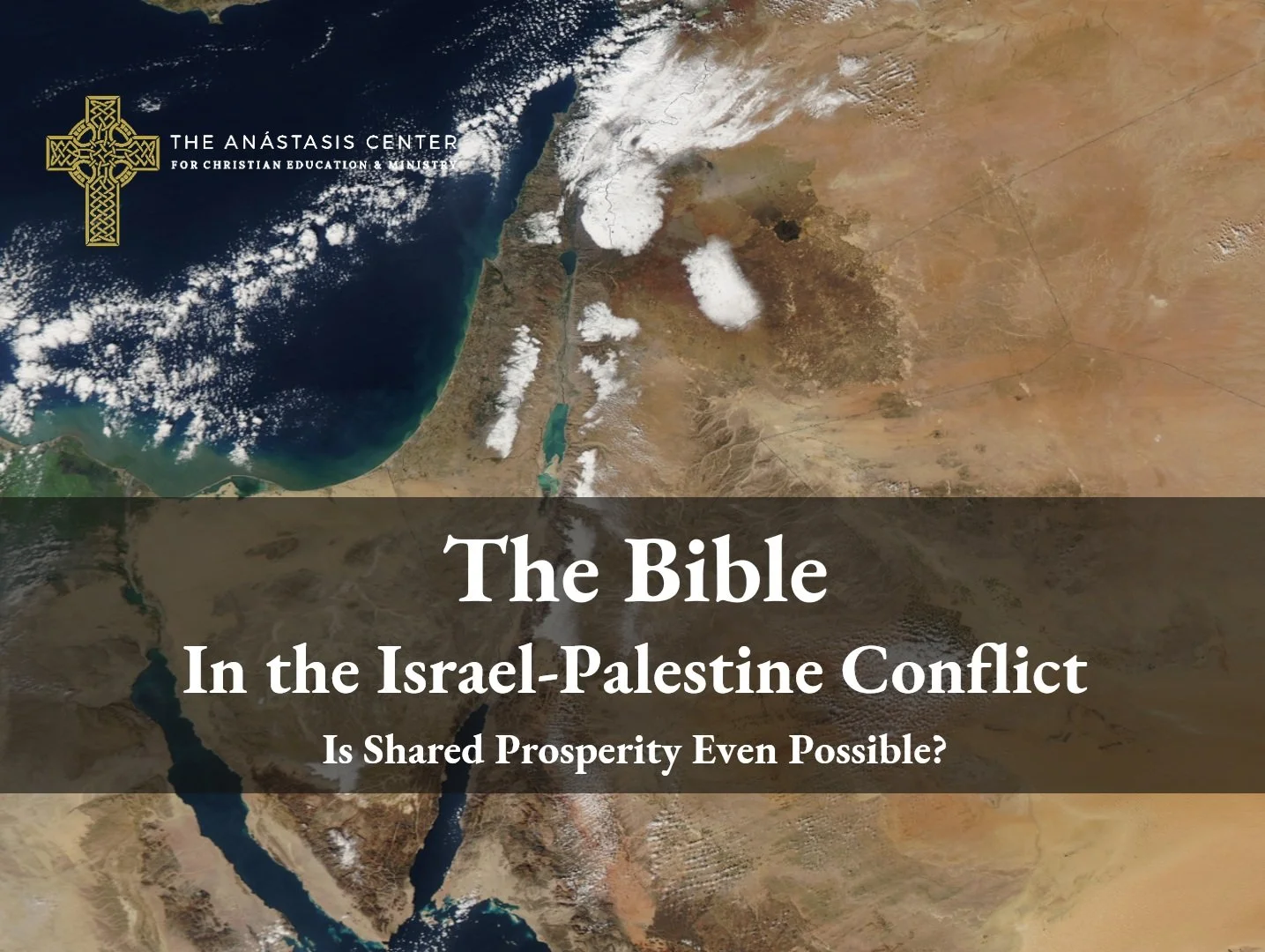
Examine three major biblical themes — land, enemies, and temple — and the role of Calvinist theology in the formation of Protestant Christian Zionism. Shared prosperity is a daunting task, but the Bible is not the obstacle. See more here.



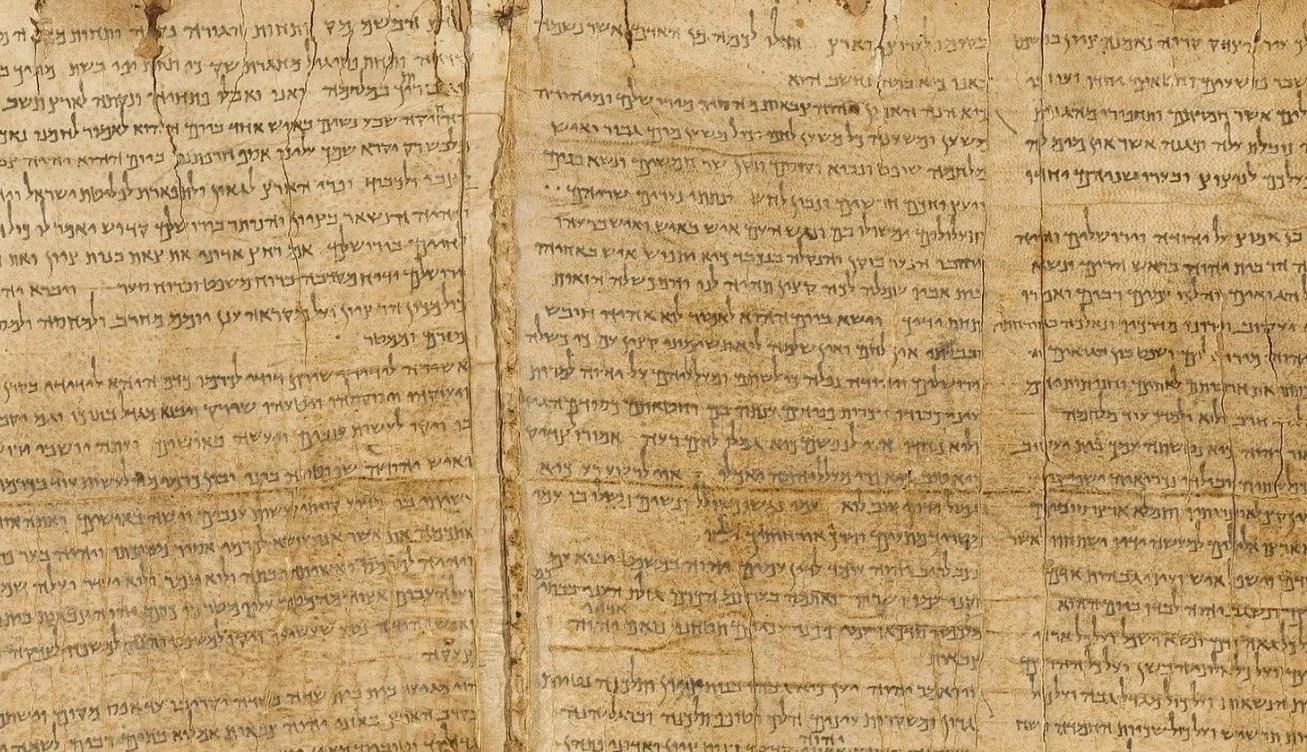
-
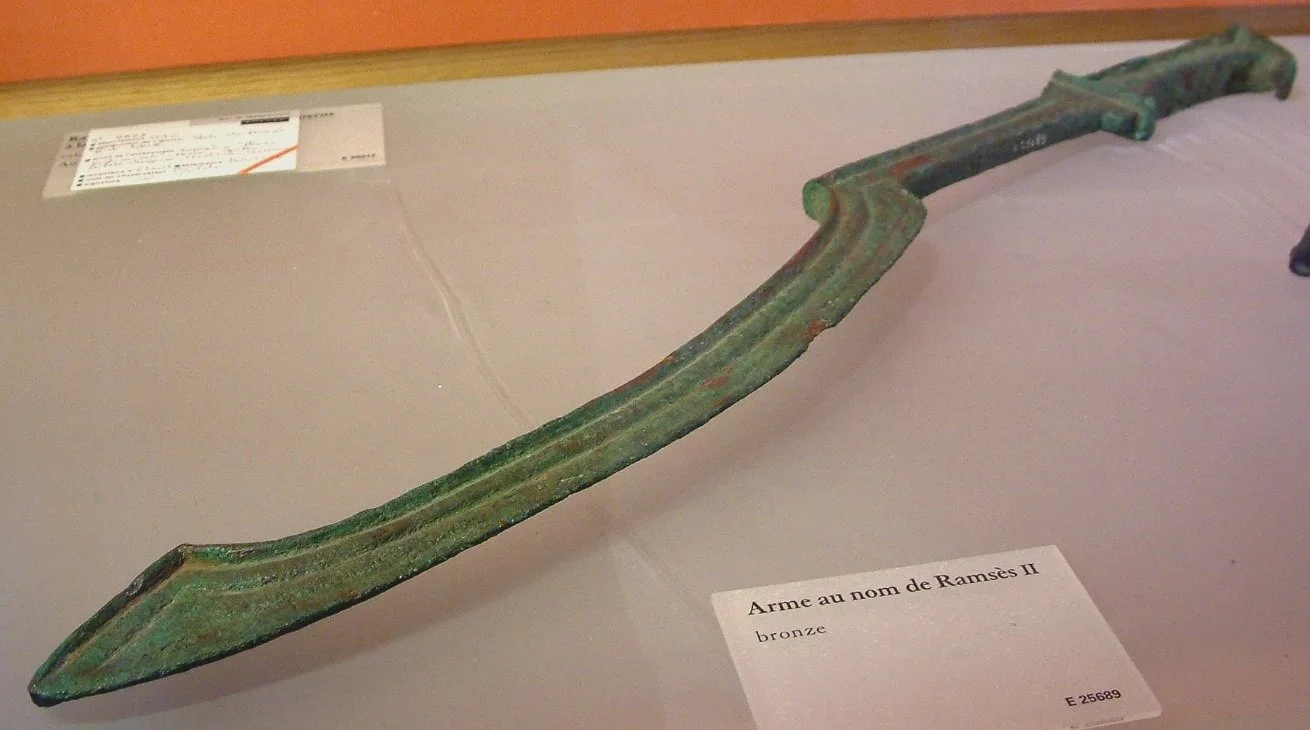
George Repper, 'For I Will Pass Through the Land of Egypt This Night, and Will Smite All the Firstborn': St. Gregory of Nyssa and the Allegorical Sense of Scripture. Eclectic Orthodoxy, Feb 6, 2019. An example of a trend from Origen of Alexandria, and later Gregory of Nyssa, to deal with difficult questions in the Hebrew Scriptures, which de-Judaized Christian faith in favor of Platonic Hellenism. This is a linguistic-cultural-philosophical decision that had a major impact on Christian faith.
Elenore Stump, God-Sanctioned Violence. Centre for Public Christianity, Jul 6, 2010. A four minute video. Paul Copan, Is God a Moral Monster: Making Sense of the Old Testament God. Baker Books | Amazon page, 2011. That God needed to protect biblical Israel in order for Jesus to come.
David T. Lamb, God Behaving Badly: Is the God of the Old Testament Angry, Sexist, and Racist? InterVarsity Press | Amazon page, 2011. Peter Enns, John Piper on "Why It's Right for God to Slaughter Women and Children Anytime He Pleases" and Why I Have Some Major Problems With That. Patheos, Jul 17, 2012. Peter Enns, Has John Piper Changed his Mind about “It’s Right for God to Slaughter Women and Children Anytime He Pleases”? I’m Just Asking Because the Page Is Missing. Patheos, Oct 11, 2012. Enns takes Piper to task for reading God’s actions moralistically rather than as protective of Israel.
-
Irenaeus of Lyons, Against Heresies book 4, chapter 14, paragraph 2 speaks of Israel as "accustoming man to bear His Spirit and to hold communion with Him... He adjusted the human race to an agreement with salvation." See also Irenaeus, Theodicy, and the Problem of Evil: His Lost Work "That God is Not the Author of Evil" and Evangelism Today A paper submitted to the Pappas Patristics Institute in March 2019.
Gregory of Nazianzus, Oration 2, paragraphs 9 - 23 gives a very thoughtful reflection on Haggai on the cultivation of goodness or virtue (par.9) as an indication that the law was for our diagnosis and cure (par.23); yet ultimately we needed Christ to come, and heal and cleanse us
Pseudo-Macarius of Egypt, Fifty Spiritual Homilies, Homily 15, paragraph 45; Homily 20, paragraph 6 Homily 15.45 refers to the sanctuary system as a rite of God's cleansing of His dwelling place; Homily 20.6 refers to Moses bestowing a partial cure
Cyril of Alexandria, Lecture XII: On the Word Incarnate, and Made Man, paragraphs 6 - 8 Says, "After Moses, Prophets were sent to cure Israel: but in their healing office they lamented that they were not able to overcome the disease... The wounds of man’s nature pass our healing... The evil is irretrievable by us, and needs thee to retrieve it. The Lord heard the prayer of the Prophets. The Father disregarded not the perishing of our race; He sent forth His Son, the Lord from heaven, as healer..."
God’s Goodness: Topics:
Here’s how to navigate this section on God’s Goodness. The Introduction focuses on the biblical presentation of Father, Son, and Holy Spirit; and the implications. Human Becoming spotlights creation and humanity, especially how God made humans as human beings and human becomings. Human Desires explores how God made human desires good, but how the sin-sickness distorts those desires. Israel tackles big questions about why God needed ancient Israel, why God took human life to protect ancient Israel’s vocation. Jesus explains God revealing Himself fully in Jesus, and addresses Protestant notions of limited atonement and double predestination as incompatible with God’s Triune character of love. Holy Spirit explores the divine person of the Spirit and the gifts of the Spirit. Human Destiny explains how desire and development are part of the outworking of human becoming, destiny, and God’s goodness. Divine Fire explains why the portrayal of divine fire in Scripture is always God’s call to participate in refinement and purification. Human Suffering explains why God is good because He suffers with us since the fall, and heals the deepest suffering behind the suffering. Evil explains why God is good by solving the problem of human evil in a loving way.