Lower Antelope Canyon, AZ. Photo credit: Mako Nagasawa
Introduction
When God created and shaped Israel, defended Israel, and took human life in the Old Testament, we question God’s goodness. But God’s goodness can still be seen if we read Scripture in a canonical way, and if we see Israel as a necessary human partner in preparation for Jesus.
Messages and Resources
Wakanda, Not Conquered, Not Conquerors -- An Image of a Chosen People? (link opens YouTube video). This video explores the portrait of Wakanda as Afro-futurist but also a near-ideal people in a world where colonization is the rule, not the exception. Wakanda is linked to Ethiopia in that sense: an uncolonized Sub-Saharan African nation. The Ethiopian cross is even present in the movie. And Ethiopia's Christian faith is also important in real history, as a force against Western European influence during the older age of colonialism, as well as the modern age of capitalism. Wakanda is also a "chosen people" image also portrayed by the Hebrew Bible, especially when we look at a human community in a garden land, who have received a divine from above, resulting in the power of women and more.
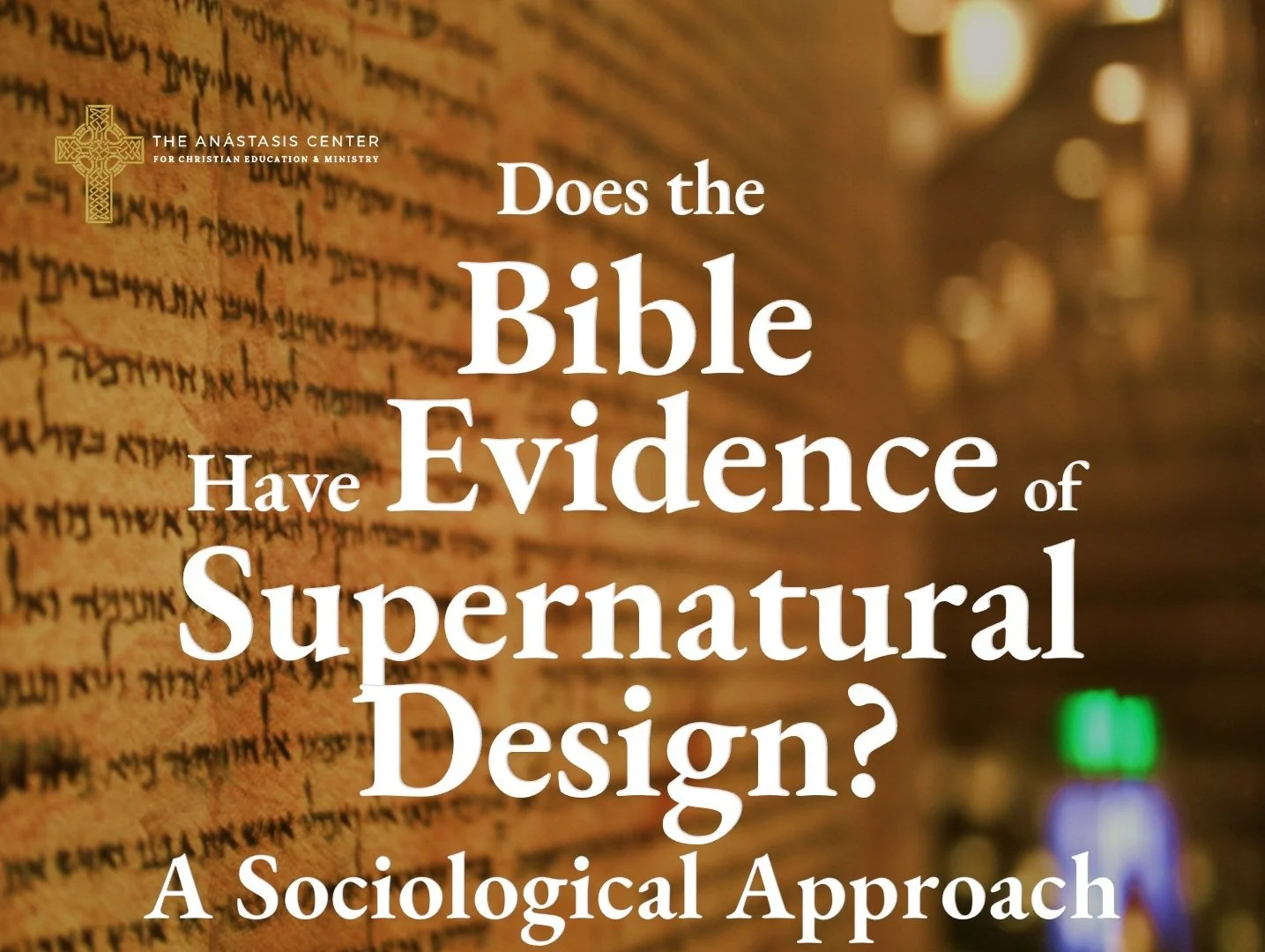
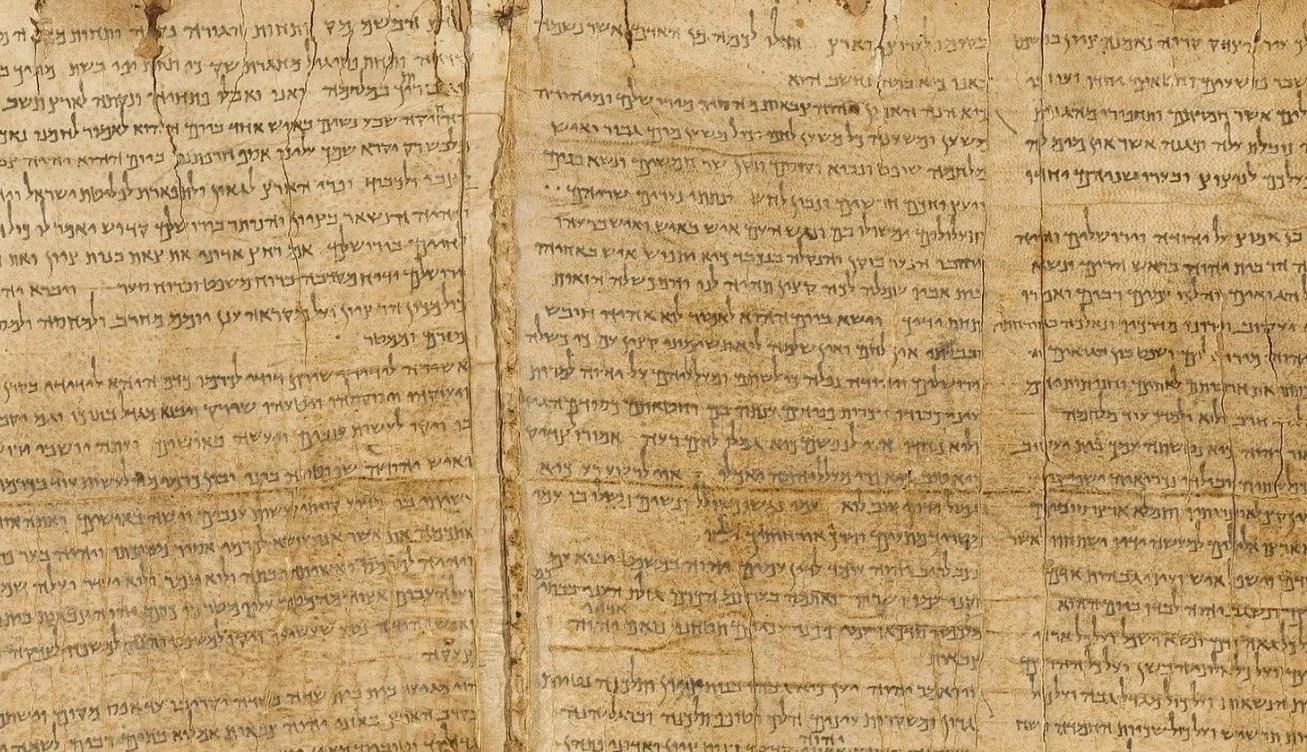
A series of examples comparing biblical precepts and stories sociologically to other belief systems. Examples include the positive view of women and monogamy over polygamy, the priority of marriage over extended family, the jubilee as benefiting the people versus the king, and Rene Girard’s insights into the scapegoat psychology which Israel’s Yom Kippur rituals undid. Pictured is the Great Isaiah Scroll in the Israel Museum. Photo credit: KOREphotos | CC2.0.
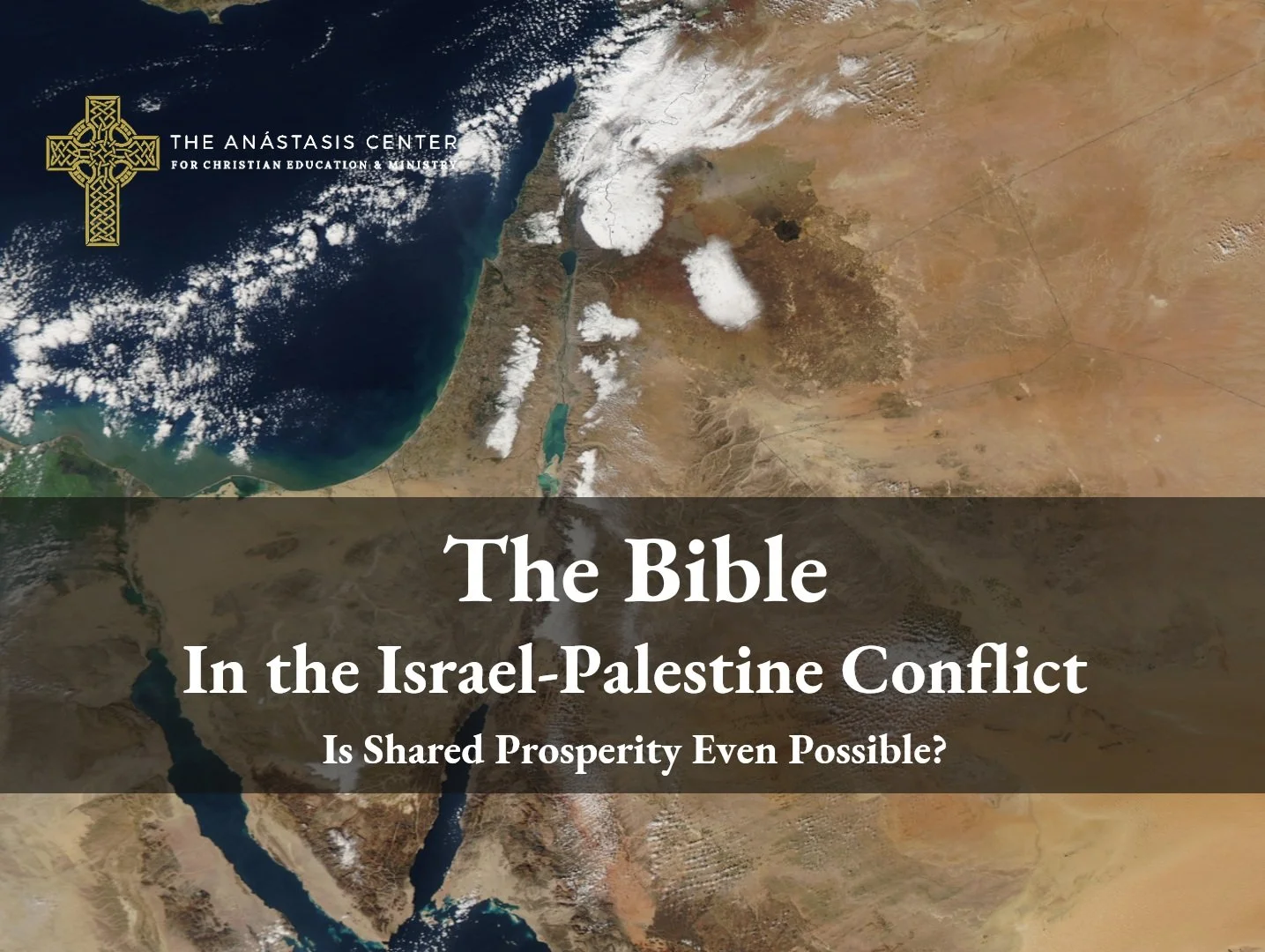
Examine three major biblical themes — land, enemies, and temple — and the role of Calvinist theology in the formation of Protestant Christian Zionism. Shared prosperity is a daunting task, but the Bible is not the obstacle. See more here.

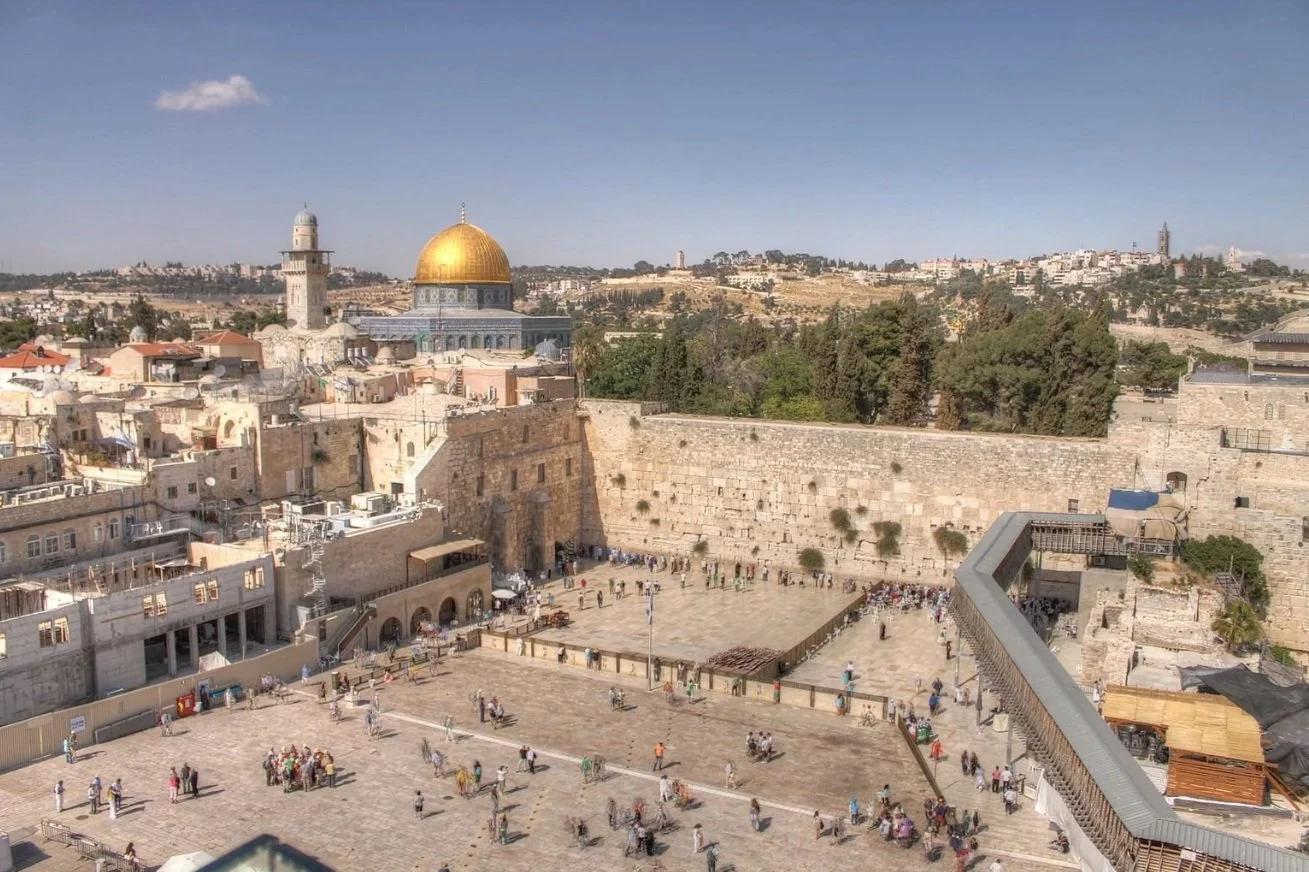
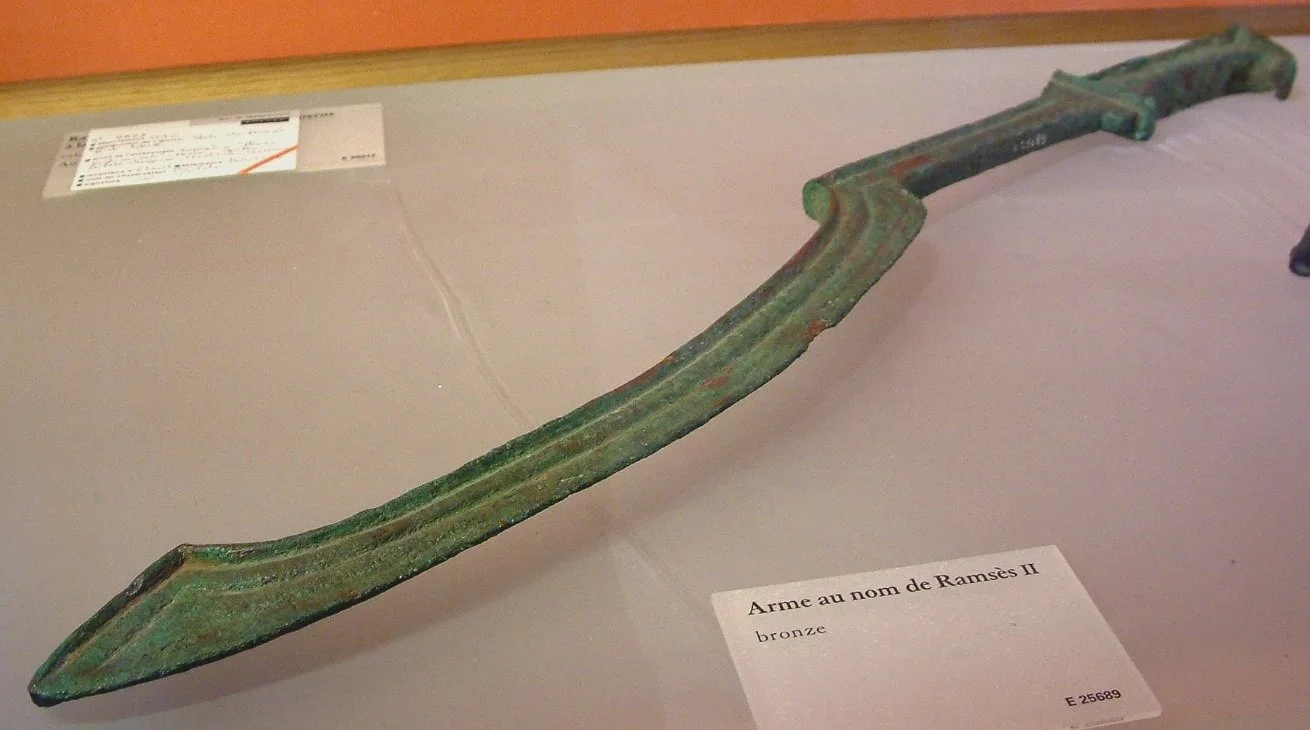

Why Did God Choose a "Chosen People"? Why Not Just Skip Right to Jesus?
A page that organizes material about a major question overlooked by many: Why did God have an Israel in the first place?
-
The Uniqueness of the Jewish People and Jewish Thought
A list of quotations from historians about the religious and sociological uniqueness of Judaism and the Jewish people historically, especially as compared to what other people believed
Spoken Word: How Can We Trust This God?
God acts by His word, which means we cannot blame God for things He doesn't speak about. This makes Him trustworthy and traceable.
Suffering and the Sovereignty of God's Word
Since God acts by His word, He is not omni-causal. So He does not cause suffering, but acts to heal the suffering behind the suffering. This vindicates God from the charge of being evil or arbitrary. This was one of the lessons God had to teach Israel.
God, Omnipotence, and Evil: God in Genesis
A capstone of study in Genesis. God acts by speaking, and makes room for partnership with human beings. God shows He is omnibenevolent, first and foremost.
From two angles: God immanent is the pre-incarnate Son; and God's desire for human partners reflecting His image eventually results in Joseph, a suffering servant who becomes an archetype of Jesus (messiah ben-Joseph).
God’s Justice: Restorative, Not Retributive
To Gordon-Conwell Theological Seminary, Mar 8, 2022, a 40 minute video presentation and 25 minute Q&A. I tackle the following topics: 1) "An Eye for an Eye" as Restorative Justice; 2) God's Treatment of Israel as Restorative Justice; 3) God's Presence in Israel as Restorative; and 4) God's Atonement in Christ as Restorative. I include an introductory section involving the “four justices” and US public policy in God’s Justice as Restorative, Not Retributive: Examining Four Types of Justice. A recording of a video given to Mike and Kelly Tsai’s small group at Peninsula Bible Church Cupertino, May 1, 2021.
When God took human life in these occasions, it was not to supposedly demonstrate "retributive justice," but rather to protect His human partners at the time, until Jesus came among the Israelites.
The Troubling Acts of God: The Destruction of the Canaanites (ppt1 and ppt2)
A long explanation of the conflict with the Canaanites, from biblical and Trinitarian theological perspective
The Troubling Acts of God: Did God or Satan Make David Sin?
An essay exploring an incident in 2 Samuel 24 and 1 Chronicles 21. An examination of a curious mention of Satan acting upon King David, which opens us up into a much larger question.
The implications of two different views of this passage: The high federal Calvinist view, and the patristic view. Important quotations included.
Explores biblical passages and themes which emerge from the Pentateuch; makes an argument for medical substitution
What Did the Suffering Servant Suffer? Isaiah 53 and Penal Substitution
Explores the book of Isaiah; makes an argument for medical substitution and "purification" as the dominant theme of Isaiah.
What Are You Waiting For? Jewish and Christian Views of the Messiah
Slides of a presentation. This presentation explores the historical hopes of Israel in Second Temple Judaism, under the Roman Empire. It also examines Jewish military messianic movements from 163 BCE - 135 CE, which were very frequent, since many Jews had revolutionary aspirations. We consider how Jews had four main options of strong vs. weak identification with Judaism and strong vs. weak assimilation with Rome. We position Jesus and his followers as a “new temple” movement that extended the hopes of Israel into a messianic peace movement.
-
Irenaeus of Lyons, Against Heresies book 4, chapter 14, paragraph 2 speaks of Israel as "accustoming man to bear His Spirit and to hold communion with Him... He adjusted the human race to an agreement with salvation." See also Irenaeus, Theodicy, and the Problem of Evil: His Lost Work "That God is Not the Author of Evil" and Evangelism Today which is a paper submitted to the Pappas Patristics Institute in March 2019.
Gregory of Nazianzus, Oration 2, paragraphs 9 - 23 gives a very thoughtful reflection on Haggai on the cultivation of goodness or virtue (par.9) as an indication that the law was for our diagnosis and cure (par.23); yet ultimately we needed Christ to come, and heal and cleanse us
Pseudo-Macarius of Egypt, Fifty Spiritual Homilies. Homily 4.13 speaks of God appearing to His people in the Old Testament, and the effect it had on them. Homily 15.45 refers to the sanctuary system as a rite of God's cleansing of His dwelling place. Homily 20.6 refers to Moses bestowing a partial cure.
Cyril of Alexandria, Lecture XII: On the Word Incarnate, and Made Man, paragraphs 6 - 8 Says, "After Moses, Prophets were sent to cure Israel: but in their healing office they lamented that they were not able to overcome the disease... The wounds of man’s nature pass our healing... The evil is irretrievable by us, and needs thee to retrieve it. The Lord heard the prayer of the Prophets. The Father disregarded not the perishing of our race; He sent forth His Son, the Lord from heaven, as healer..."
-
The Bible Project, Tree of Life. The Bible Project, Feb 18, 2020. A stunning visual representation of Eden and the tree of life as a temple, offering God’s life, going through to the burning bush of Moses, Sinai, Zion, and eventually Jesus.
The Bible Project, The Character of God. The Bible Project, Jun 30, 2020. examines God’s character qualities from Exodus 34:6 - 7, “The Lord, the Lord, a God compassionate and gracious, slow to anger, overflowing with loyal-love and faithfulness.” See also The Bible Project, God. The Bible Project, Oct 18, 2018. Tim Mackie and Jon Collins do an outstanding job giving an introduction to how an understanding of God developed throughout the biblical time period, eventually offering a way to understand the Trinity in a way that the biblical human authors came to express.
The Bible Project, Compassion. The Bible Project, Sep 22, 2020. examines God’s character qualities from Exodus 34:6 - 7
The Bible Project, Grace. The Bible Project, Sep 22, 2020. Examines God’s character qualities from Exodus 34:6 - 7
The Bible Project, Slow to Anger. The Bible Project, Nov 10, 2020. Examines God’s character qualities from Exodus 34:6 – 7.
The Bible Project, Loyal-Love. The Bible Project, Jan 12, 2021. Examines God’s character qualities from Exodus 34:6 – 7.
The Bible Project, Faithful. The Bible Project, Feb 9, 2021. Examines God’s character qualities from Exodus 34:6 – 7.
Gary Deddo, Covenant, Law, and God's Faithfulness. Grace Communion International. An excellent article exploring the points of continuity between the Old Testament and the New.
Thomas Seraphim Hamilton, The True Beauty of Romans 9. OrthoCath blog, Aug 2, 2012. Hamilton gives an excellent reading of Paul’s own reading of Israel’s history.
N.T. Wright, Israel in Pauline Theology. Houston Baptist University Mar 20, 2014. A one hour video.
N.T. Wright, Paul’s Trinitarian Theology. Fuller Seminary, 2014. Explores Jewish monotheism and Paul’s christological recentering of it.
T.F. Torrance, Incarnation: The Person and Life of Christ. InterVarsity Press | Amazon page, 2008. Torrance shows how intrinsically necessary biblical Israel was to the person and work of Jesus, both in his human life, and in the ways human language had to be stabilized in a community and a documented record in order for us to understand him.
Kristin Romey, Exclusive: Ancient Mass Child Sacrifice May Be World's Largest. National Geographic, Apr 26, 2018. Incan child sacrifice dating back ~550 years ago; a noteworthy comparison point to ancient Canaanite, Phoenician, and Carthaginian child sacrifice practices mentioned in biblical narrative.
Ari Lamm, Israel’s Political Mythology. First Things, Oct 10, 2019. Examines the political and cultural role played by the Idumeans among the Jews at the time of Jesus. Lamm uggests that “Jewishness” is more complicated and permeable than simply “ethnicity,” and/or that the State of Israel has the potential of being more tolerant towards people who do not identify as “ethnic Jews.”
Itamar Rosensweig and Shua Mermelstein, Rights and Duties in Jewish Law. Tauro Law Review Volume 37, Number 4, Article 17, 2022. Offers a way of reconciling rights-based and obligation-based frameworks — that rights and obligations are correlates of each other. This is helpful as building blocks of a Jewish and also Christian framework of virtue ethics and character-formation. Also, they present valuable historical data and sources.
“In this Article, we argue that rights play a central role in Jewish law. In Section I, we reconstruct Robert Cover’s thesis distinguishing the West’s jurisprudence of rights from Judaism’s jurisprudence of obligation. In Section II, we present Rabbi Lichtenstein’s theory that rights play no central role in Jewish law. We show that the theories of Rabbi Lichtenstein and Robert Cover have given rise to the idea that there are no rights in Jewish law, only obligations. In Section III we develop two types of arguments in support of our position that rights are central to Jewish law. Our first argument appeals to Hohfeld’s analysis that rights are correlative of duties. Our second argument contends that certain mitzvot are best understood as protecting individuals’ rights. In Section IV we discuss two ideas that underlie the “no rights in Jewish law camp.” The first idea is that the category of mitzvah is best interpreted as obligation. The second idea is that an obligation to obey God’s law implies a law comprised of obligations. We argue that both of these ideas are misguided.”
God’s Goodness: Topics:
Here’s how to navigate this section on God’s Goodness. The Introduction focuses on the biblical presentation of Father, Son, and Holy Spirit; and the implications. Human Becoming spotlights creation and humanity, especially how God made humans as human beings and human becomings. Human Desires explores how God made human desires good, but how the sin-sickness distorts those desires. Israel tackles big questions about why God needed ancient Israel, why God took human life to protect ancient Israel’s vocation. Jesus explains God revealing Himself fully in Jesus, and addresses Protestant notions of limited atonement and double predestination as incompatible with God’s Triune character of love. Holy Spirit explores the divine person of the Spirit and the gifts of the Spirit. Human Destiny explains how desire and development are part of the outworking of human becoming, destiny, and God’s goodness. Divine Fire explains why the portrayal of divine fire in Scripture is always God’s call to participate in refinement and purification. Human Suffering explains why God is good because He suffers with us since the fall, and heals the deepest suffering behind the suffering. Evil explains why God is good by solving the problem of human evil in a loving way.