Happiness
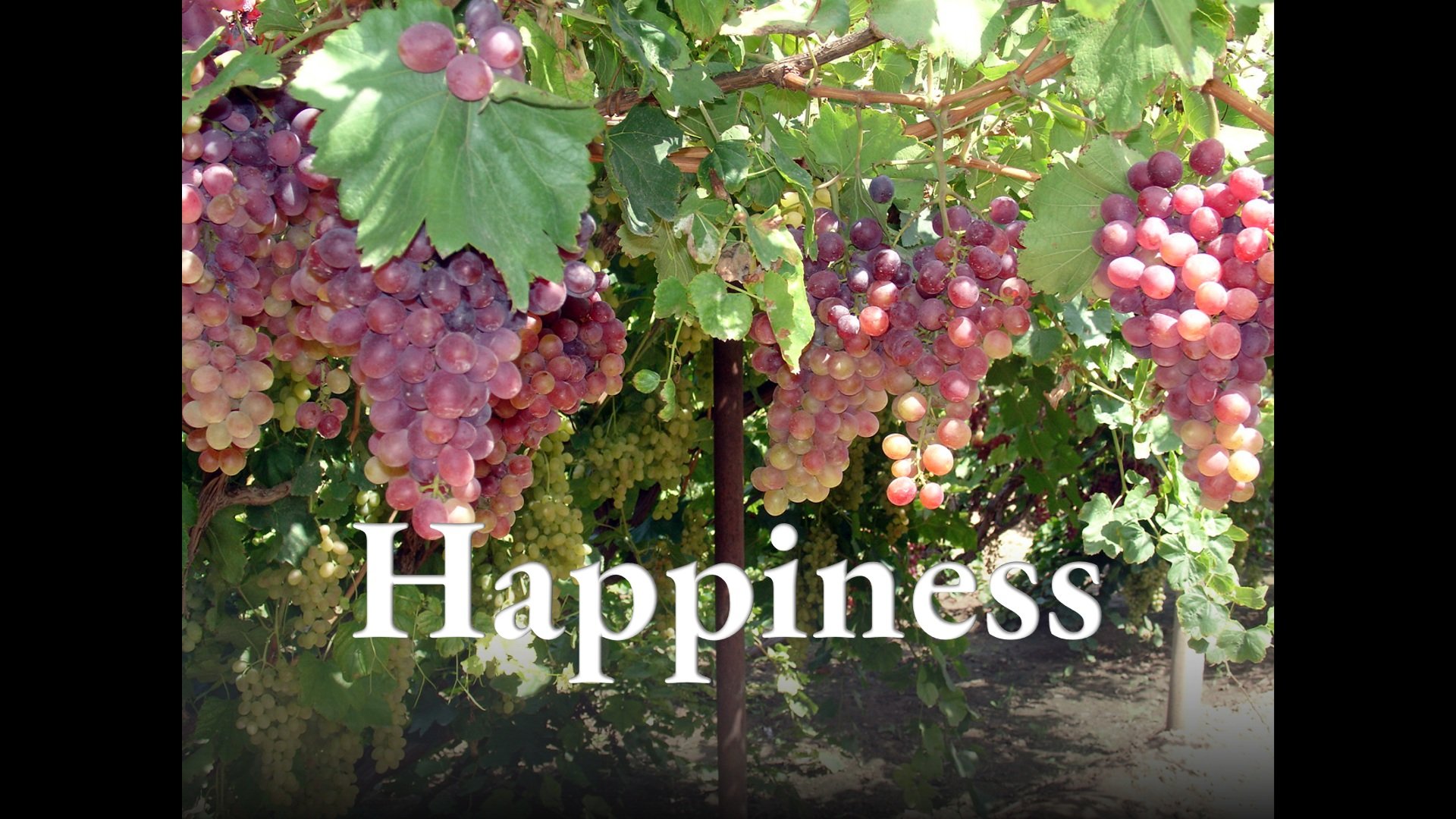
Photograph: Armenian grapes. Wine grapes have been cultivated in the region of Georgia and Armenia for 8,000 years. Kakheti, the Eastern part of nation of Georgia, is thought to be the cradle of wine. Christian monasteries, along with Armenian farmers, in Georgia and Armenia have grown vineyards there for centuries. Photo credit: Narek75 | CC4.0, Wikimedia Commons.
Introduction
The resources below highlight various insights about happiness, as they point towards a normative or normative range of human development, which often overlaps with Jesus’ vision of the human and human relations.
Spotlight
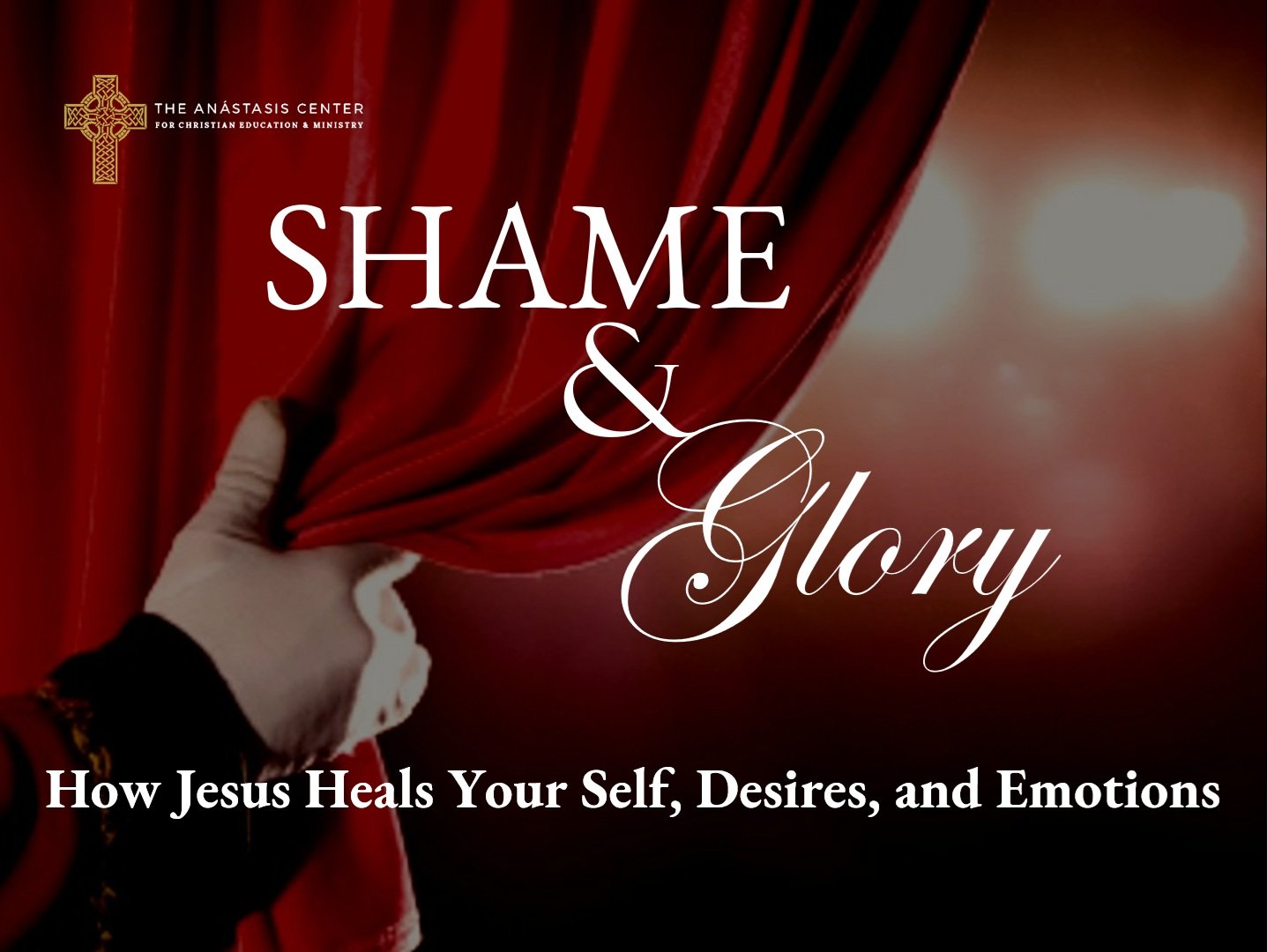
This is a curriculum for small group discussion or personal reflection. While healthy shame means regret, toxic shame is the desire to hide the self. Either way, glory is the response of God to invest Himself in us and renew His image in us. This material explores humanity as fundamentally good, but corrupted by sin, and not entirely in control of our own desires and emotions. Part of the spiritual and emotional struggle, then, is to know ourselves, know how God sees and loves us, and to receive into ourselves the Spirit of Christ. Peppered with insights from the early Christians, including some “desert fathers and mothers” who were the earliest “spiritual directors.” See more here.
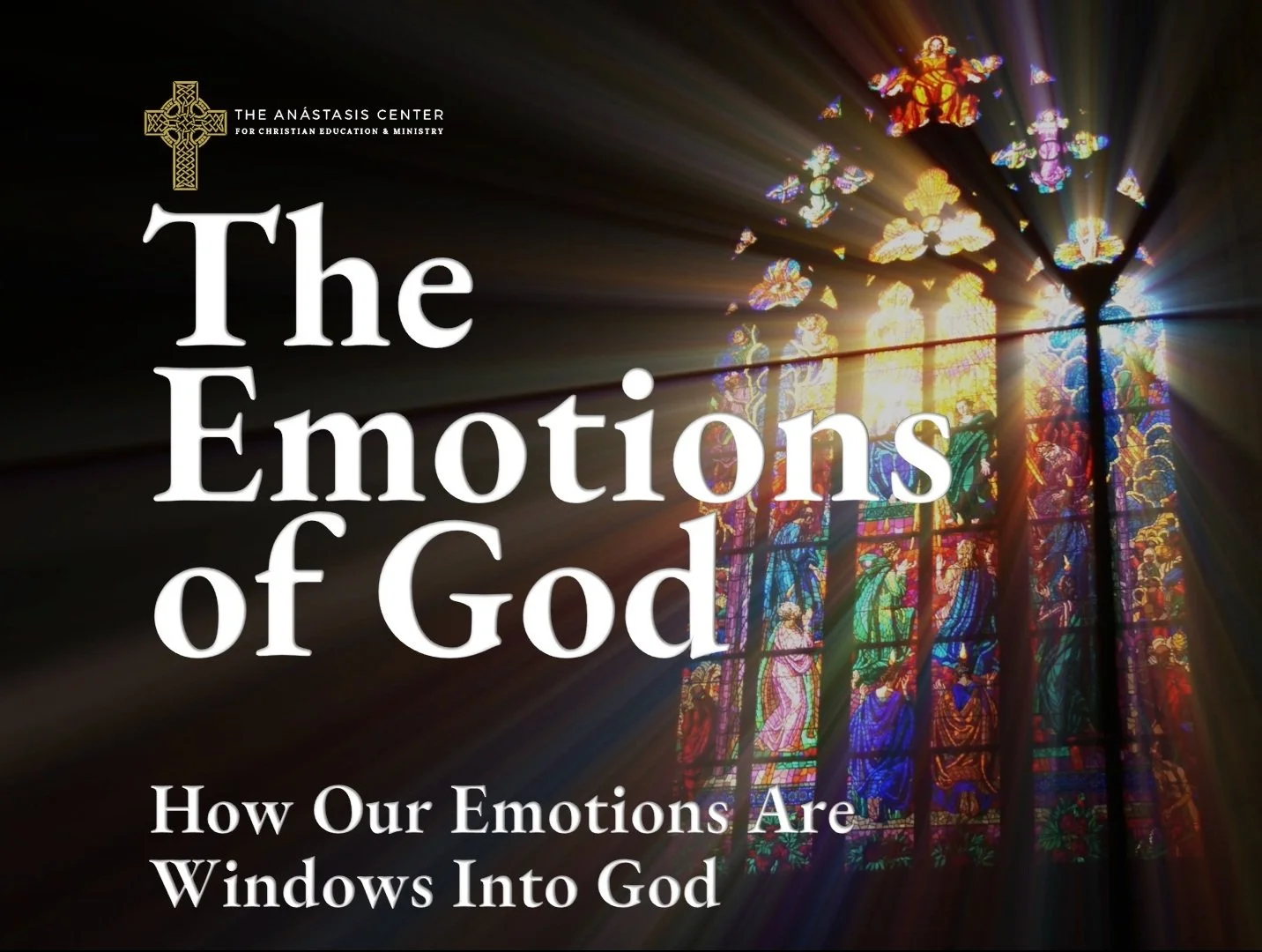
Jesus demonstrated very human emotions and called forth our participation in God’s joy, sorrow, etc. In fact, Jesus’ emotions seem to heal and shape our emotions. The passages in this series of Bible studies and reflections give us valuable insights into God’s character and love for us. See more here.
-
Amy Wrzesniewski, Clark McCauley, Paul Rozin, Barry Schwartz, Jobs, Careers, and Callings: People's Relations to Their Work. Journal of Research in Personality, Mar 1997.
Dan Gilbert, The Surprising Science of Happiness. TED talks, Feb 2004.
Barry Schwartz, The Paradox of Choice. TED talks, Jul 2005.
Betsey Stevenson and Justin Wolfers, The Paradox of Declining Female Happiness. NBER, May 2009. “By many objective measures the lives of women in the United States have improved over the past 35 years, yet we show that measures of subjective well-being indicate that women's happiness has declined both absolutely and relative to men. The paradox of women's declining relative well-being is found across various datasets, measures of subjective well-being, and is pervasive across demographic groups and industrialized countries. Relative declines in female happiness have eroded a gender gap in happiness in which women in the 1970s typically reported higher subjective well-being than did men. These declines have continued and a new gender gap is emerging -- one with higher subjective well-being for men.”
Joshua Wolf Shenk, What Makes Us Happy? The Atlantic, June 2009.
Cal Newport, So Good They Can't Ignore You: Why Skills Trump Passion in the Quest for the Work You Love. Grand Central Publishing | Amazon book, Sep 2012.
Nick Vujicic, Overcoming Hopelessness. TED talk, Oct 17, 2012.
Makoto Fujimura, The Paradox of Beauty. Qideas video.
Emily Esfahani Smith, There's More to Life Than Being Happy. The Atlantic, Jan 9, 2013. See also Emily Esfahani Smith, There’s More to Life Than Being Happy. TED Talks, Sep 26, 2017.
Emiliana R. Simon-Thomas, Jeremy Adam Smith, How Grateful Are Americans? UC Berkeley Greater Good Science Center, Jan 10, 2013.
Sonja Lyubomirsky, How of Happiness: The Scientific Pursuit of Happiness. Psychology Today, Mar 9, 2013.
Brent Lambert, 75 Years in the Making: Harvard Just Released Its Epic Study on What Men Need to Live a Happy Life. Feel Guide, Apr 28, 2013.
Simon Critchley and Jamieson Webster, The Gospel According to 'Me'. New York Times, Jun 29, 2013.
Guy Winch, 10 Surprising Facts About Rejection. Psychology Today, Jul 3, 2013.
Ashley Taylor, Can Faith Affect Therapy? New York Times blog, Jul 10, 2013.
Emily Esfahani Smith, Meaning is Healthier Than Happiness. The Atlantic, Aug 1, 2013.
Cass R. Sunstein, What You Can Learn from the New Science of Smarter Spending: Yes, Money Can Make You Happy. New Republic, Aug 2, 2013.
Kate Bratskeir, The Habits of Supremely Happy People. Huffington Post, Sep 16, 2013.
Katy Waldman, Young People in Japan Have Given Up on Sex. Slate, Oct 22, 2013.
Belle Beth Cooper, 10 Simple Things You Can Do Today That Will Make You Happier, Backed by Science. Huffington Post, Nov 11, 2013.
Claire Kamp Dush, How Poor Mental Health and Casual Sex Reinforce Each Other. Ohio State Univ, Nov 19, 2013.
Sam Berns, My Philosophy for a Happy Life. TED talk, Dec 13, 2013.
Diana Kapp, Raising Children With an Attitude of Gratitude Research Finds Real Benefits for Kids Who Say 'Thank You'. Wall Street Journal, Dec 23, 2013.
Julie Beck, Where Life Has Meaning: Poor, Religious Countries. The Atlantic, Jan 10, 2014.
David DeSteno, Stop Trusting Yourself. New York Times, Jan 17, 2014.
Miya Tokumitsu, In the Name of Love: Elites Embrace the “Do What You Love” Mantra But It Devalues Work and Hurts Workers. Slate, Jan 16, 2014.
Tracey Spicer, The Lady Stripped Bare. TED Talk, Jan 21, 2014. “Tracey Spicer strips back her daily routine and challenges us all to use our time more productively. Tracey is a respected journalist who has worked for many years in radio, print and television.” Tracey begins by saying, “My name is Tracey Spicer and I am a vain fool.”
Eric Barker, 6 Secrets You Can Learn from the Happiest People on Earth. Time, Mar 7, 2014.
Gordon Marino, A Life Beyond 'Do What You Love'. New York Times, May 17, 2014.
Atul Gawande, No Risky Chances: The Conversation That Matters Most. Slate, Oct 6, 2014.
Yagana Shah, The Unexpected Age When People Say They are the Happiest. Huffington Post, Oct 17, 2014.
Amy S. Choi, How Cultures Around the World Make Decisions. TED Ideas, Oct 21, 2014.
Emily Esfahani Smith, A Psychiatrist Who Survived The Holocaust Explains Why Meaningfulness Matters More Than Happiness. Business Insider, Oct 22, 2014.
Arthur Chu, I’m not “that creepy guy from the Internet”: How Gamergate Gave the Geek Community a Bad Name. Salon, Oct 30, 2014.
Rebecca Shannonhouse, Is Your Boss Making You Sick?. Washington Post, Oct 20, 2014.
David Brooks, The Agency Moment, New York Times, Nov 13, 2014.
Fox 12 Staff, Professional Cuddler Opens Shop in Portland. Fox 12 Oregon, Nov 16, 2014.
Melissa Dahl, Positive Thinking Doesn't Work; Here's What Does. New Yorker Magazine, Dec 9, 2014.
Rod Dreher, How Bibliotherapy Works. The American Conservative, Jan 21, 2015.
Olga Khazan, The Forgiveness Boost. The Atlantic, Jan 28, 2015.
Hilary Jacobs Hendel, It's Not Always Depression. New York Times, Mar 10, 2015. about shame stemming from a lack of connection
Adam Strassberg, Keep Calm and Parent On. Palo Alto Online, Mar 16, 2015.
Carolyn Walworth, Paly School Board Rep: The Sorrow of Young Palo Altans. Palo Alto Online, Mar 25, 2015.
David Roark, How Sufjan Stevens Subverts the Stigma of Christian Music. The Atlantic, Mar 29, 2015.
Frank Bruni, Best, Brightest - and Saddest? New York Times, Apr 11, 2015.
Joshua Rothman, A New Theory of Distraction. New Yorker, Jun 16, 2015.
Aaron Ben-Zeev, Why Nothing is More Exciting Than a Calm Romance. Psychology Today, Jul 8, 2015.
Bright Side, Why Generation Y is Unhappy. Bright Side, Aug 2015.
Ariana Eunjung Cha, It Turns Out Parenthood Is Worse Than Divorce, Unemployment - Even Death of a Partner. Washington Post, Aug 11, 2015.
Heidi Stevens, Sad Science of Parenthood: It's Time to Change the Discussion. Chicago Tribune, Sep 4, 2015.
Lydia Wilson, What I Discovered From Interviewing Imprisoned ISIS Fighters. The Nation, Oct 21, 2015. about personal emptiness leading to recruitment
Steven Parton, The Science of Happiness: Why Complaining Is Literally Killing You. Science & Nonduality, 2016.
80000 Hours, Everything You need to Know About Whether Money Makes You Happy. 80000 Hours, Mar 2016.
Jesse Singal, For 80 Years, Young Americans Have Been Getting More Anxious and Depressed, and No One Is Quite Sure Why. New YorkMag, Mar 13, 2016.
Tristan Harris, How Technology Hijacks People’s Minds—from a Magician and Google’s Design Ethicist. Medium, May 18, 2016.
Tim Elmore, Diagnosis: Entitlement Leads to Chronic Disappointment. Growing Leaders blog, Nov 22, 2016.
World Happiness Report 2017. World Happiness Report website. Top countries: Norway, Denmark, Iceland, Switzerland
Jessica Blankenship, How to Stop Rushing Into Love. New York Times, Feb 6, 2018.
Andrew Sullivan, The Poison We Pick. New York Magazine, Feb 20, 2018. About the opioid epidemic and the paradox of modern life.
Jeff Desjardins, The Relationship Between Money and Happiness. Visual Capitalist, Mar 29, 2018. countries
Olga Khazan, Poor Americans Really Are in Despair: The Wealth Gap is Also a Happiness Gap. The Atlantic, Jun 19, 2018.
Eric Barker, Harvard Followed 800 People Over the Course of Multiple Decades and Found 6 Things That Make People Live Longer, Happier Lives. Business Insider, Aug 26, 2018.
Matthieu Ricard, Science Says Happiness Can Change Your Brain. Yes!, Oct 4, 2018.
Margaret Renkl, More Trees, Happier People. New York Times, Oct 7, 2018. "When cities grow, green space dies. Replanting it has been shown to lift the human spirit."
Charles Stone, Gratitude: The Brain’s Amazing Fertilizer. Church Leaders, Nov 2, 2018.
Derek Thompson, Workism Is Making Americans Miserable. The Atlantic, Feb 24, 2019. "For the college-educated elite, work has morphed into a religious identity—promising identity, transcendence, and community, but failing to deliver"
Laura M. Holson, Are We Living in a Post-Happiness World? New York Times, Sep 28, 2019. “With happiness harder to come by these days, people are grasping at any moment of joy they can get”
Laura Cathcart Robbins, Is There Such A Thing As A Harmless Crush When You’re Married? Huffington Post, Oct 14, 2019. an honest and accurate assessment that no, the dangers of self-bargaining, delusional thinking, and minimizing are too great; happiness must be based on reality, and follow moral and spiritual truth, not follow it
CNBC, Why Finland And Denmark Are Happier Than The U.S. CNBC, Jan 9, 2020. explores the “Gross National Happiness” indicator in all six areas of life satisfaction: income, healthy life expectancy, social support, freedom, trust and generosity
Brianne Davis-Gantt, I’m a Sex and Love Addict. Here’s How I Realized I Had a Problem. Huffington Post, Mar 9, 2020. A window into one person’s desires and experience, and also the recovery group that helped her leave that lifestyle
Meredith Goldstein, I Could Really Use a Robot Companion Right About Now. Boston Globe, Jun 5, 2020.
Krystal Ball and Saagar Enjeti: Shock Polls Show Record Unhappiness, Optimism for the Future. Rising | The Hill, Jun 17, 2020. Lowest level in 50 years
Mary Ann Liebert, Is Zoom Increasing the Demand for Plastic Surgery. MedicalXpress, Nov 13, 2020. and Danielle Braff, Plastic Surgeons Say Business Is Up, Partly Because Clients Don’t Like the Way They Look on Zoom. Washington Post, Dec 8, 2020.
Krystal Ball, What Really Killed Tech Billionaire Tony Hsieh. Rising | The Hill, Dec 7, 2020.
Harriet Fraad and Julianna Forlano, Capitalism Hits Home: Capitalism's Connection to America’s Mass Shootings. Democracy at Work, Apr 22, 2021. how changing gender roles and capitalism create isolated, lonely men; for-profit gun companies and the NRA call on men to protect their home and manhood
Jonathan Haidt and Jean M. Twenge, This Is Our Chance to Pull Teenagers Out of the Smartphone Trap. New York Times, Jul 31, 2021. “The Program for International Student Assessment, or PISA, has surveyed 15-year-olds in dozens of countries every three years since 2000. In all but two administrations, the survey included six questions about loneliness at school… So what does the PISA survey show? In a paper we just published in The Journal of Adolescence, we report that in 36 out of 37 countries, loneliness at school has increased since 2012. We grouped the 37 countries into four geographic and cultural regions, and we found the same pattern in all regions: Teenage loneliness was relatively stable between 2000 and 2012, with fewer than 18 percent reporting high levels of loneliness. But in the six years after 2012, rates increased dramatically. They roughly doubled in Europe, Latin America and the English-speaking countries, and rose by about 50 percent in the East Asian countries.”
Paul Bloom, What Becoming a Parent Really Does to Your Happiness. The Atlantic, Nov 2, 2021. “Research has found that having children is terrible for quality of life—but the truth about what parenthood means for happiness is a lot more complicated.” Curiously: “For one, the happiness hit is worse for some people than for others. One study finds that fathers ages 26 to 62 actually get a happiness boost, while young or single parents suffer the greatest loss. And crucially, there are geographic differences. A 2016 paper looking at the happiness levels of people with and without children in 22 countries found that the extent to which children make you happy is influenced by whether your country has child-care policies such as paid parental leave. Parents from Norway and Hungary, for instance, are happier than childless couples in those countries—but parents from Australia and Great Britain are less happy than their childless peers. The country with the greatest happiness drop after you have children? The United States.” Also explores memory distortion, attachment, and meaning-as-deeper-than-happiness as explanations for why parents say that having children was the best thing they have ever done.
CNBC, How To Be Happy, According To The Happiest People In The World. CNBC, Jan 1, 2022. Largely, democratic socialism, plus a well-governed housing market.
Laurie Santos, Why Virtue Is Key to Your Happiness. The Well, Jul 3, 2023. A seven minute video on the ancient philosophers’ thoughts on virtue.
Amanda McCracken, How Longing [for Love] Keeps Us from Healthy Relationships. TEDx Talks, Sep 29, 2023. McCracken shares her personal journey of realizing that she had become addicted to the longing for love, which was rooted in a sense of personal shame and also neuro-chemical realities about how we can become addicted to unrealistic fantasies, rather than believing she was worthy of love and understanding what healthy love is. This insight is going to be increasingly important to Christian spiritual formation.
Arthur C. Brooks, Dare to Act Differently and Be Happier. The Atlantic, Jun 12, 2025. “What seems the safe option is not necessarily the best one in challenging times.”
Arthur C. Brooks, To Get Happier, Make Yourself Smaller. The Atlantic, Nov 20, 2025. Self-esteem is overrated. The better path to enlightenment is through contemplating one’s insignificance.
Arthur C. Brooks, How to Be Happy Like Thomas Aquinas. The Atlantic, Dec 11, 2025. “Modern social science finds that the 13th-century theologian’s recipe for “imperfect happiness” turns out to be perfect.”
-
These are the images used in artistic physical displays. They are survey questions and conversation starters that are topically and thematically organized. They demonstrate how Jesus is relevant to each topic or theme. You can also just view the images on your device. If you would like, see all our Conversation Stations; below are the ones that relate to the topic of Desire.
Your Body: Does it Have a Purpose? (and instructions)
What Are You Here for Anyway? (and instructions)
Find Your Heart's Desire? (and instructions and theological essay)
Is a Good Friend Hard to Find? (and instructions and conversation tree)
What Story Do You Live In? (and associated message)
Does the Good Outweigh the Bad? (and instructions)
Whose Justice? (and instructions and Christian Restorative Justice Study Guide)
Whose Justice? for Harvard Law School
What Can We Do About Evil? (and instructions and conversation tree) and smaller version and brochure version
Desire: Topics: