Photograph: This is one of six famous Eastern Orthodox Christian monasteries in Thessaly, Greece. They are built on the Meteora Rock formations. Christians inhabited these mountains from the 9th century. Photo credit: Danel Solabatierra | CC2.0, Flickr.
Introduction
We believe Jesus’ own human desires, journey, and teaching are normative for human becoming, so we pursue Christian Spiritual and Emotional Formation to help us better understand ourselves. Jesus gives us answers to pastoral, relational, and communal questions that come up as we pursue his vision for human flourishing.
Spotlight

How Our Desire for Beauty Points Us to Jesus. Video recording. Mako gave this message to his church, Neighborhood Church of Dorchester, on Matthew 17:1 - 8. Given on September 15, 2024. The basic idea: God made the fruit of creation delicious and beautiful. Humans can make food even more delicious and beautiful. So if there is beauty in creation, and if human beautifying is beautiful, then making the human more beautiful and less ugly is vital. This points us to Jesus, specifically his transfiguration of human nature, beautifying it with God’s glory, because Jesus overcame the ugliness in human nature without becoming ugly himself.
Messages and Resources
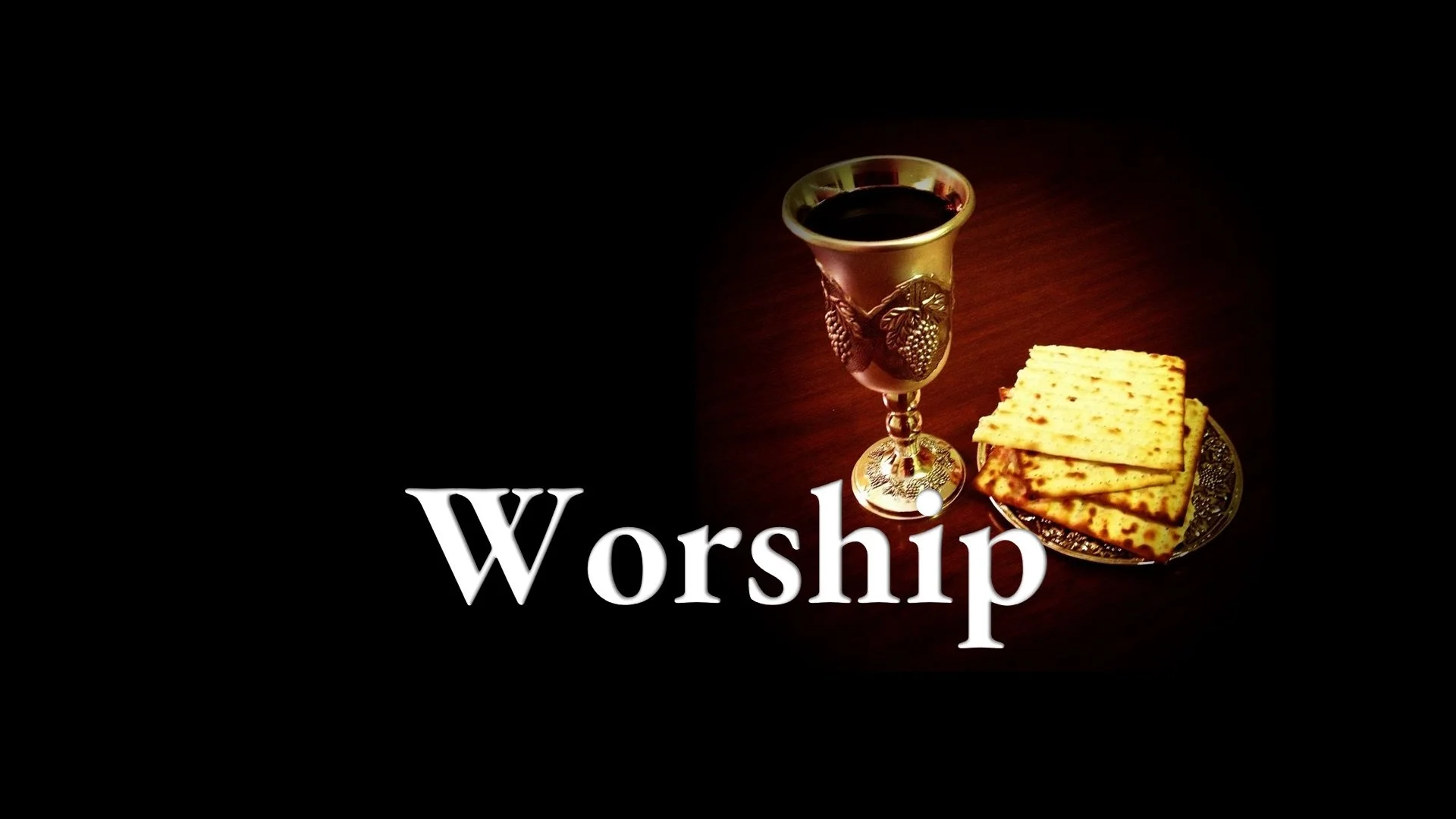
How we experience and understand God in worship forms us. Of course, the Spirit of God forms and shapes us directly when we open our hearts. But so do the words we sing, the prayers we pray, and expressions we embody. See more.
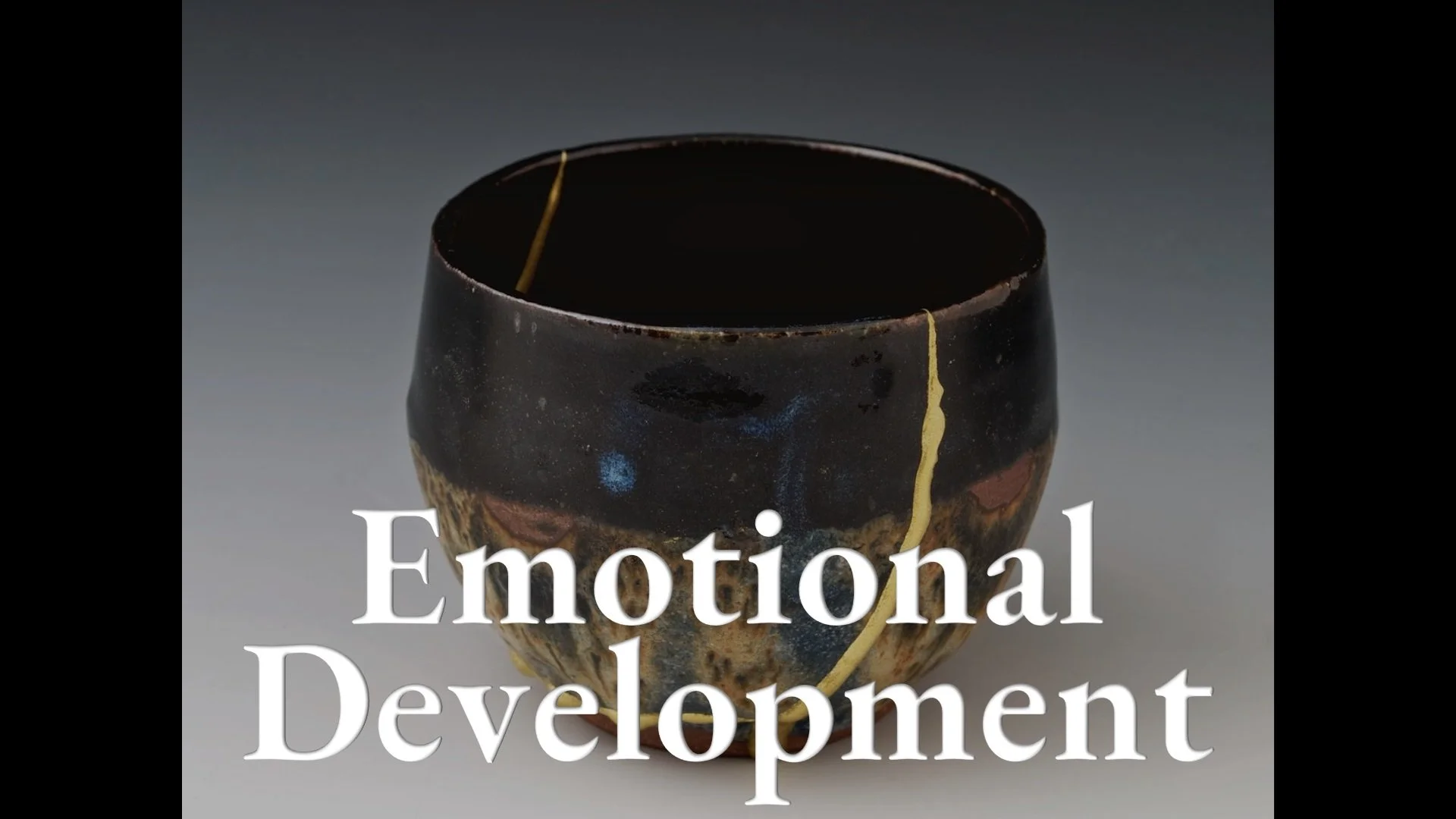
A deeper dive into Scriptures relating to the emotional life. How does medical substitutionary atonement shape our emotional life, compared to penal substitutionary atonement? See more.
This is a curriculum for small group discussion or personal reflection. While healthy shame means regret, toxic shame is the desire to hide the self. Either way, glory is the response of God to invest Himself in us and renew His image in us. This material explores humanity as fundamentally good, but corrupted by sin, and not entirely in control of our own desires and emotions. Part of the spiritual and emotional struggle, then, is to know ourselves, know how God sees and loves us, and to receive into ourselves the Spirit of Christ. Peppered with insights from the early Christians, including some “desert fathers and mothers” who were the earliest “spiritual directors.” See more here.
Jesus demonstrated very human emotions and called forth our participation in God’s joy, sorrow, etc. In fact, Jesus’ emotions seem to heal and shape our emotions. The passages in this series of Bible studies and reflections give us valuable insights into God’s character and love for us. See more here.
Why is it so easy for people — including Christians, especially Christians — to scapegoat people who are considered other for their own feelings of anxiety, anger, and disgust? Like fallen Adam in the garden, we desire to deflect blame, and therefore we scapegoat others. On the political level, this builds group cohesion and creates a social outsider, who is blamed for the group’s woes, who the group must exile or kill or marginalize in order to maintain a hopeful lie. See more about the course. See more about the overall topic.
See also the slides to this presentation. Mako Nagasawa gave a guest lecture a class at Gordon-Conwell Theological Seminary in February 2024. Here is the English text of the treatise, which Ambrose wrote in 389. Ambrose uses King Ahab as a case study of greed when he seized Naboth’s vineyard, in 1 Kings 21. This presentation relates to the Genesis creation story because Ambrose structures it around Genesis 1. He says that God gave all humans a shared dominion over the creation. In Christ, God gives us dominion, in principle, over sin. Covetousness, therefore, is a double problem. It interferes with the shared dominion over the creation, and it causes us to fail in exercising proper Christ-centered dominion over the sin in ourselves. Ambrose shows that Ahab became cruel, like the wild dogs that eventually fed off his dead, unburied body, as in 2 Peter 2:19 - 22. Ambrose also draws upon Matthew 6:19 - 24 because of how moths and rust share in our physical goods whereas God shares in the development of our moral goodness. Ambrose draws as well on Luke 12:13 - 34 because the greedy tear down barns/granaries and build bigger ones, finding more pleasure in the rising price of grain, not its widespread availability. A few slides refer to Ambrose’s understanding of the human being as a human becoming, Jesus’ work of atonement as a medical substitution healing human nature for us and inviting us to share in him, the pressing issue being human desires and not deservingness per se, and hell as the love of God but experienced by those who have become addicted to sin.
See also the slides to this presentation. It covers the early Christian understanding of human being, human becoming, and how we co-create with God our human desires and human nature. To the right is the video from the class. This is a full exploration of how hell is the love of God because (1) the united church taught that for over a thousand years; (2) God's Triune nature requires all other activity of God to flow out of His love; (3) literary exegesis of fire shows that it is God's call to purification. This study largely depends on the theme of fire in Scripture.
See also the slides to this presentation. This material explores the biblical theme of human being and human becoming. God created us with good desires for more goodness and beauty, as well as the freedom to determine the direction of our love as constituting our human becoming. The biblical motif of meeting God on mountains is important. We glance at various Christian leaders, but do a deeper dive into Gregory of Nyssa’s Life of Moses, in his interpretation of Moses meeting God on Mount Sinai, and returning with shining face.
-
Text of a message on Exodus 3:1 - 12 given to Neighborhood Church of Dorchester in Boston, MA. When God appeared to Moses at the burning bush by Mount Sinai, (1) He was revealing Himself in Moses’ ordinary routine of tending sheep; (2) using the burning and climbing mountains motifs as symbolic of the refinement and strengthening of Moses’ character; and (3) retelling the story of the fiery sword outside Mount Eden, showing Moses that the way back home was there. This is a nice example of biblical patterns and intertexuality, with the application of God’s restorative, not retributive, justice, for the sake of our spiritual formation.
How Our Choices Shape Our Desires: Experiencing the Triune God
Text of a message from Genesis 1 - 2 and Proverbs 2, leading into questions for reflection and/or discussion. God made us to grow, and to develop our desires as we choose Him and the good He wants for us. This is why our desire to be more loving expands when we choose to be more loving, just as our palette is stretched when we eat more diverse food.
The Desire for a Happy Ending: Interpreting the Movies, Songs, and Stories Around Us
Slides to a presentation. We like happy ending stories because we long for an actual happy ending for the world. This workshop groups all belief systems into not happy ending vs. happy ending stories; and then internal vs. external villains.
Text of a message that reflects on our desire for love, meaning, and justice. Where do these desires come from? Are they connected to the God who reveals Himself in Jesus Christ? This might be called the “problem of goodness,” specifically human goodness. This was the first of three messages at a retreat. The second is Jesus Is God’s New Humanity, from Romans 5:12 - 21. This message explores how Jesus became a “new Adam,” fulfilling the role that God originally set forth for Adam and Eve. The third was God's Victory Over Human Evil in Jesus — the text of a message from Romans 6:1 - 11 about how Jesus’ death and resurrection was the way he triumphed over the corruption of sin in the human nature he took on, and how we die and rise with Jesus to share in that victory.
Desire: How God Draws Us to Himself
Video recording. Mako gave this message to his church, Neighborhood Church of Dorchester, on Philippians 2:12 - 13. Given on September 8, 2024. The main idea: God is at work in us to help us desire and do what pleases Him. Remember your first crush? Why do our romantic desires change and grow? From the garden, God made us to desire good things that point to Him, and left breadcrumbs of His goodness pointing to the Tree of Life. But the Fall shows us that human desires are also corrupted and can be corrupted further. We play a role in the formation of our desires in partnership with Jesus, because Jesus fixed and fulfilled human desires. God desires our desires.
Jesus and the Problem of Jealousy
Text of a message from Romans 7:7 - 8, primarily. This message explores how jealousy or covetousness is the primal sin, and replays itself in our lives in various ways. This message was given to college students at various Boston-area campuses.
Desires, Beliefs, and How We Know Truth
This is a presentation on how desires are a consideration, but not the first, in how we know truth. Our desires suggest that we have both good and evil in us. This does not prove, but agrees with, the biblical story. After all, we are made in the image of God and wounded by sin. Some desires can be taken up and expanded by Jesus; other desires, Jesus reshapes or transforms. Also, belief systems have an implied story and metaphysics, which results in an ethics, and contains an epistemology, which is a way by which we can examine whether it is true. A 15 minute read.
Jesus' Mission and Passion: Being Light in Darkness
Text of a message on Ephesians 5:8 - 14, which uses the image of being light in darkness. The challenge of Jesus is to be different and involved, not separate and similar. This message addresses social and interpersonal tension that is sometimes associated with being a missional Christian.
(Facebook, Dec 25, 2020) a sprawling discussion that started with a quote by Athanasius, explores God’s activities in both the Old Testament and in Christ, shows the importance of including “human nature” in the atonement and not just “human personhood,” and “human desires” in salvation and not just “human deeds.”
-
A longer essay reflection on the biblical theme of desire, relating Christian spiritual formation with the undergraduate college experience and the pressure to discern one’s career within four years of academic study.
Whose Family? Which Union? Reflections on Scripture, Human Sexuality and God's Purposes
A paper summarizing the five Letters to a Gay Friend. This is an exegetical and pastoral paper examining biblical passages that are important in the discussion about what God’s vision for human sexuality is: Genesis 1 - 2; Leviticus 18 and 20; Matthew 19; Romans 1; 1 Corinthians 6 - 7; 1 Timothy 1. Ultimately, we have to look at the the nature of human desire in general, as a gift from God to move us towards extending ourselves towards Him and others. However, we are called to submit our desires to Jesus, who demonstrated the normative human emotions and desires.
Beauty's Transformation of the Ugly in Gregory of Nyssa's Life of Moses
An essay for Dr. Maximos Constas and Dr. Evie Holmberg, for their respective classes at Holy Cross Greek Orthodox Seminary, Fall 2018; examines Gregory's work (c.390 AD) as a critical engagement with the Platonic tradition on beauty and desire, especially Origen and Plotinus; pays special attention to Gregory's statements about Jesus' atonement.
-
Christian Spiritual Development Based on the Gospels: A Diagram
Slides to a presentation based on the structure of the Gospel of Matthew, and how Jesus’ Great Commission is built on the faith, desires, character, and skills that he was building in his disciples. It uses UCLA Basketball Coach John Wooden’s “Pyramid of Success” and translates it into a diagram for Christian growth. This presentation connects these stages or challenges to various resources on this website.
Developing a Spiritual Rhythm of Life to Cultivate Godly Desires
Text of a message or workshop on how to pray about and write a monastic “rule of life,” or “rhythm of life.” This is a very important tool, as it can function in the Christian’s life as a spiritual fitness plan, or health regimen. It discusses spiritual disciplines in daily, weekly, monthly, etc. frameworks, as well as how to choose some that bring you joy and rest, challenge your flat sides, and build your skills.
Your Personality, Desires, and Spirituality
Chart and text of a message that groups people into the four main Meyers-Briggs Temperament Indicator typology: NF’s who desire identity and personal growth; NT’s who desire impact, vision, and significance; SJ’s who desire to belong to a meaningful community; and SP’s who desire adventure and meaningful experiences. The message highlights likely core sins; suggested biblical passages that would help each type; resources that each type would likely enjoy; and likely contributions to a ministry. Read this critique of the MBTI, however.
-
John Mark Comer, Bethany Allen, and Bryan Rouanzoin, Rule of Life: Practicing the Way (podcast). Started Sep 26, 2022.
The Orthodox Christian Association of Medicine, Psychology, and Religion (website)
Christian Classics of Contemplative Meditation a website with downloadable pdf files, including early works, such as: Athanasius’ Life of Antony; the Desert Fathers and Mothers; the Philokalia; and Patrick’s Confession. There are medieval works, such as Teresa of Avila’s The Interior Castle and Juan de la Cruz’s Dark Night of the Soul. There are modern collections and reflections, such as Coptic Bishop Daniel’s The Spirituality of Icons; and George MacDonald’s Diary of an Old Soul.
C.S. Lewis, "Christian Apologetics" in God in the Dock. Eerdmans | Amazon page, 1970.
Richard Foster, The Celebration of Discipline. Harper San Francisco | Amazon page, 1978.
Henri Nouwen, The Wounded Healer: Ministry in Contemporary Society. Image | Amazon page, 1979.
Ralph Winter and Steve Hawthorne, Perspectives on the World Christian Movement: A Reader. William Carey Library | Amazon page, 1981 - 2009.
Dallas Willard, The Spirit of the Disciplines: Understanding How God Changes Lives. Harper One | Amazon page, 1988.
Henri Nouwen, In the Name of Jesus: Reflections on Christian Leadership. Crossroad | Amazon page, 1989.
Henri Nouwen, The Return of the Prodigal Son: A Story of Homecoming. Darton Longwood and Todd | Amazon page, 1992.
Lauren Winner, Mudhouse Sabbath. Paraclete Press | Amazon page, 2003.
David G. Benner, Surrender to Love: Discovering the Heart of Christian Spirituality. InterVarsity Press | Amazon page, 2003.
David G. Benner, The Gift of Being Yourself. InterVarsity Press | Amazon page, 2004.
Adele Calhoun, Handbook of Spiritual Disciplines. InterVarsity Press | Amazon page, 2005.
David G. Benner, Desiring God's Will: Aligning Our Hearts with the Heart of God. InterVarsity Press | Amazon page, 2005.
Ruth Haley Barton, Sacred Rhythms. InterVarsity Press | Amazon page, Mar 10, 2006.
James K. A. Smith, Desiring the Kingdom: Worship, Worldview, and Cultural Formation. Baker Academic | Amazon page, 2009.
Ruth Haley Barton, Invitation to Solitude and Silence. InterVarsity Press | Amazon page, Nov 1, 2010.
Henri Nouwen, Spirituality of Fundraising (pdf copy)
Helland, Hjalmarson, and Hirsch, Missional Spirituality: Embodying God's Love from the Inside Out. InterVarsity Press | Amazon page, Nov 2011.
David G. Benner, Soulful Spirituality: Becoming Fully Alive and Deeply Human. Brazos Press | Amazon page, 2011.
Rowan Williams, The Body’s Grace. ABC, Aug 24, 2011.
David G. Benner, Spirituality and the Awakening Self: The Sacred Journey of Transformation. Brazos Press | Amazon page, 2012.
N.T. Wright, After You Believe: Why Christian Character Matters. Center for Faith & Work, Mar 18, 2012. A 45 minute video where Wright summarizes his book by the same name; how human nature is meant to cultivate moral habits that become “second nature,” as we tend to say about habits that we acquire
Philip Tallon, The Poetics of Evil: Toward an Aesthetic Theodicy. Oxford University Press | Amazon page, Nov 2012. “What role does art play in responding to the theological problem of evil? What can beauty show us about God’s goodness in a fallen world? Philip Fallon constructs a theodicy that attempts to answer these questions through an examination of Christian aesthetics.”
Carol Harrison, The Art of Listening in the Early Church. Oxford University Press | Amazon page, 2013.
Jason Todd, The Socially Acceptable Sin. Relevant Magazine, Apr 24, 2013. Re: gluttony
Rachel Held Evans, Everyone's a Biblical Literalist Until You Bring Up Gluttony. blog, June 2013.
Ryan Thomas Neace, Consecrated Sexual Attraction. blog post by a Christian counselor, Aug 2, 2013. on exploring the desire behind the desire
Scott Bessenecker, The Martyrdom of Obscurity. blog, Oct 2, 2013.
Father John Strickland, The Rise of Anthropological Pessimism IV. Paradise and Utopia | Ancient Faith, Dec 12, 2013. “Fr. John continues to discuss St. Augustine by looking first at his notorious doctrine of original sin and its impact on the conception of man in the West.” Father John Strickland, The Rise of Anthropological Pessimism V. Paradise and Utopia | Ancient Faith, Dec 19, 2013. “Fr. John looks at a couple of consequences of St. Augustine's anthropology in the West.” Discusses repentance and purgatory.
Eve Tushnet, Coming Out Christian: How Faithful Homosexuals Are Transforming Our Churches. The American Conservative, Jan 29, 2014.
Esther de Waal, An Introduction to Celtic Spirituality. St. Paul’s Cathedral, Feb 10, 2014. begins with the scholarship of Nora Chadwick, references Thomas Merton as he was rediscovering his Celtic heritage. At the 24 minute mark, she discusses the imagery of the Celtic stone crosses, and Christus Victor and its meaning, which she intentionally compares with the medieval Latin suffering Christ.
We Don’t See Things As They Are, We See Them As We Are. Quote Investigator, Mar 9, 2014.
Dan Blazer, What Faith Communities Can Teach Psychiatrists About Depression. The Initiative on Health, Religion, and Spirituality, Apr 13, 2014.
Archbishop Lazar Puhalo, On Cassian and the Celtic Church. Brad Jersak, May 15, 2014.
Father Stephen Freeman, Tolkien's Long Defeat. Ancient Faith blog, Jul 15, 2014.
David Skeel, True Paradox: How Christianity Makes Sense of Our Complex World. InterVarsity Press | Amazon page, Aug 2014. “How do we explain human consciousness? Where do we get our sense of beauty? Why do we recoil at suffering? Why do we have moral codes that none of us can meet? Why do we yearn for justice, yet seem incapable of establishing it? Any philosophy or worldview must make sense of the world as we actually experience it. We need to explain how we can discern qualities such as beauty and evil and account for our practices of morality and law.”
N.T. Wright and Miroslav Volf, Theology of Joy. video, Sep 24, 2014. Excellent reflections on suffering, emotions as well.
Joshua Ryan Butler, The Skeletons in God’s Closet: The Mercy of Hell, the Surprise of Judgment, the Hope of Holy War. Thomas Nelson | Amazon page, Oct 2014. “Hell is not a place God creates to torture people, but a power God excludes to protect the flourishing of the new creation. Its construction is not a chamber God locks from the outside, but a coffin we latch from the inside through our desire for freedom from God.” (p.16 – 17)
Fabienne Harford, Sex and the Single Woman. The Gospel Coalition, Oct 16, 2014.
Nancy French, Living Without Sex: How Christian Singleness Doesn't Mean Ignoring the Hunger for Sex. Patheos blog, Oct 17, 2014.
Scott Bessenecker, The Advantage of Being Taken Advantage Of. Urbana blog, Nov 18, 2014.
Daily Content, Eat, Fast, and Live Longer. Daily Content, Jul 10, 2015.
Artur Rosman, Top 10 Books on Theology and Neuroscience. Patheos, Oct 22, 2015.
Simon Fellows, The Science of Fasting. Simon Fellows, Nov 19, 2015. A one hour youtube video about the health benefits
Chelle Stearns, Willie James Jennings, Laura Lasworth, Theology Between Art and the Body: Reimagining Our Future. Seattle Pacific University, Nov 6, 2015.
JesComPH, 5 Reasons Why Ignatius Of Loyola Was The First Jedi Master. Buzzfeed, Dec 18, 2015.
David G. Benner, Human Being and Human Becoming: Living the Adventure of Life and Love. Brazos Press | Amazon page, Jan 19, 2016. says, "Eastern Orthodox and Celtic Christians have also never held a theology of the essential sinfulness of humans as part of their beliefs. Other Christian traditions, however, consider belief in the depravity of humans to be a cornerstone of orthodoxy. Unfortunately, this has led many to mistrust their bodies, emotions, sexuality, intuitions, and much more. This basic mistrust then easily spills over onto others—even onto the natural world. In short, it leaves people cut off from their deepest selves and misaligned with the flow of life."
Evelyne A. Reisacher, Joyful Witness in the Muslim World: Sharing the Gospel in Everyday Encounters. Baker Academic | Amazon page, Sep 20, 2016. An intriguing chapter on art and the desire for beauty
Jerry Bowyer, Looking for a Cognitive Enhancer? Skip the Drugs and Try Fasting Instead. Forbes, Jan 6, 2017.
Brendan Buse, Grace Enough: Andrew Garfield on the Ignatian Journey That Led Him Through 'Silence'. America Magazine, Jan 10, 2017. led him to appreciate Jesus
Jason Baxter, Nostalgia for the Future: Antiquity & Eternity. The Imaginative Conservative, Jul 6, 2017. “The experience of nostalgia is a feeling of beauty’s remoteness, but only because it is so far in the future. It is hope…”
Jackson Wu, Does Myers-Briggs Type Affect How You Experience Shame? Patheos, Aug 24, 2017.
Susan Ashbrook Harvey (editor), Knowing Bodies, Passionate Souls: Sense Perceptions in Byzantium. Dumbarton Oaks Research Library and Collection | Amazon page, Oct 2017. features how the Byzantine Christians thought about smell, taste, and touch, not just sight and sound, as ways of knowing and experiencing earthly and heavenly realities. Harvey builds on her earlier work in Scenting Salvation: Ancient Christianity and the Olfactory Imagination. University of California Press | Amazon page, 2006.
First Thoughts, Evagrius Ponticus: The Eight Evil Thoughts (Logísmoi). First Thoughts, Oct 20, 2017.
Eric L. Lopez, Maximus the Confessor's Vision of Love in Light of Nationalism, Ethnocentrism & Religious Persecution. Studia Patristica | Academia, 2017. “Firstly, for Maximus, the origin of human conflict is a problem of desire not simply of ignorance. Desire is ultimately meant to be set upon the Uncreated beauty of the Trinity and grow into mature love not obsessed with worldly concerns nor with the fashioned beauties of creation useful, good and enjoyable though they may be. Tension is set when desire is wrongly directed at creation and the goods of worldly life are desired above love of God and others. The tension is then compounded by a diabolical agent whose primary goal is to entice humanity toward selfishness and reaches the breaking point when it leads to conflict and ultimately hateful, damaging and improper interactions with other human beings and God.”
Joseph David Huneycutt, Defeating Sin: Overcoming Our Passions and Changing Forever. St. Vladimir’s Seminary Press, 2018. “Passions” in the Eastern Orthodox tradition refers to disordered emotions
Stephen Freeman, The Life of Beauty in an Ugly World. Glory to God for All Things blog, Sep 26, 2018. parallels the beauty of the natural world and the beauty of Orthodox iconography
Charles Stone, Gratitude: The Brain’s Amazing Fertilizer. Church Leaders, Nov 2, 2018.
Patt Morrison, New Linguist George Lakoff on What Democrats Don’t Understand — and Republicans Do — About How Voters Think. Los Angeles Times, Nov 28, 2018. On the importance of storytelling in civic, political life; touches on how private enterprise depends on public development and funding (and how the left tends to fail at both; shows how Christians need to rely on the arc of biblical storytelling.
Jason Wilson, Cry Like a Man: Fighting for Freedom from Emotional Incarceration. David C Cook | Amazon page, Jan 21, 2019.
Rod Dreher, Sohrab Ahmari’s Conversion. The American Conservative, Feb 15, 2019. An Iranian-American intellectual travels from a secular Muslim heritage through postmodern nihilism to the Catholic Church
Stephanie Reuter, Faith Formation with Flannery O’Connor. Church Life Journal, University of Notre Dame, May 23, 2019. A thought-provoking quotes from O’Connor and questions for reflection.
Luke J. Wilson, Spiritual Disciplines of the Early Church: Ancient Practices for the 21st Century. That Ancient Faith, Jun 17, 2019.
David Desteno, Research Shows Gratitude Has a Drastically Positive Impact. Sojourners, Dec 19, 2019.
Emily Todd VanDerWerff, Game of Thrones’ Final Season Told Flattering Lies About Wanting Power. Vox, Dec 30, 2019. “Does wanting something somehow corrupt your desires? The biggest show on TV sure thought so.”
Morgan Guyton, The Dark Side of the Mystical Mind. Mercy Not Sacrifice | Patheos, Feb 24, 2020. Re: Jean Vanier’s sexual misconduct at L’Arche
Michael Morrison, Discipleship: Introduction to Moral Formation. Grace Communion International, date unknown. Reflections on Piaget and Kohlberg on moral development
Matthew Tan, A Bad Sacrifice. Awkward Asian Theologian, Apr 30, 2020. On asceticism rightly and wrongly framed
Skye Jethani, Dr. Jim Wilder: This is Your Brain on God. Holy Post, Episode 412, Jul 8, 2020. On the brain, attachments, how people change, and how we develop a love for Jesus
John Pletcher, Tolkien’s Theology of Beauty — Interview with Lisa Coutras. Eucatastrophe, Jul 2020. “Lisa Coutras is a theology scholar, author, and speaker. She holds a Ph.D. in Theology and Religious Studies from King’s College London in an M.Th. in Applied Theology from the University of Oxford. She also obtained a B.A. in Writing and Philosophy from Houghton College. Lisa’s research interests lie in the realm of theological aesthetics and the narrative theology of J.R.R. Tolkien.” See Lisa Coutras, Tolkien’s Theology of Beauty: Majesty, Splendor, and Transcendence in Middle-earth. Palgrave McMillan | Amazon, July 2016
N.T. Wright, Broken Signposts. Regent College, Nov 26, 2020. An 80 minute video where Wright summarizes his book of the same name. Wright explores human experiences of love, justice, beauty, etc. as limited but still meaningful signposts to Jesus.
Matt Tebbe and Ben Sternke, What Emotions Are For in the Life of the Leader with Marc Alan Schelske. Gravity Leadership, Dec 22, 2020. A podcast. See also Marc Alan Schelske, The Wisdom of Your Heart. Marc Alan Schelske website, 2017.
Makoto Fujimura, Art & Faith: A Theology of Making, Part 1. Makoto Fujimura, Jan 11, 2021. Fujimura uses kintsugi (golden repair) and its history in Japanese occupation of Korea
Father Stephen Freeman, Does Goodness Require the Possibility of Evil?. Glory to God for All Things, Feb 1, 2021. “The course of our existence is a movement. That movement is impelled towards the good through our desire for God (sometimes manifest simply as a longing for beauty, truth, and goodness). We make choices within the course of that movement, but only God can direct and make of our choices the good He intends.”
James K.A. Smith, I’m a Philosopher. We Can’t Think Our Way Out of This Mess. Christian Century, Feb 25, 2021. “God’s revelation, [Augustine of Hippo] goes on to say, is not a message in a bottle, like bits of information sent across the abyss to be received by the intellect. Rather, God’s self-revelation is a magnet for desire. “This revelation is what draws. You show a green branch to a sheep and you draw her. Nuts are shown to a boy and he is drawn. And he is drawn by what he runs to, by loving he is drawn, without injury to the body he is drawn, by a chain of the heart he is drawn.””
Father Stephen Freeman, The Mythic Character of Reality. Glory to God for All Things blog | Ancient Faith, Apr 19, 2021. “Professor Digory says it well: “It’s all in Plato, all in Plato; bless me, what do they teach them at these schools!” The early conversations between Lewis and Tolkien were not about Christ, per se. They were about myth and the character of reality.” Myth is not about human personhood per se, typically. But they highlight yearnings in our humanity, and often consider a role or part in the grand drama of history that we are meant to play.
Maureen Swinger, Doing Bach Badly. Plough, Mar 2, 2022. “When our amateur choir sings Bach’s Saint Matthew Passion, the music’s power overwhelms our mistakes.” This is a beautiful reflection on beautiful music and our desire for beauty and Jesus as narrated by Matthew’s Gospel. See also these linked resources: Listen to the complete Saint Matthew Passion in English, as performed by The Bach Choir and Thames Chamber Orchestra. “Bach’s Great Passion:” Plough editor Chris Zimmerman delves deeper into the history and musical interpretation of the Saint Matthew Passion.
Stephen C. Winter, “The Danger of Light and Joy”. Gimli Weeps Openly as He Bids Farewell to Galadriel and Lothlórien. Wisdom from The Lord of the Rings, May 28, 2022. Gimli was “wounded by beauty” in Tolkien, and C.S. Lewis was “surprised by joy.”
Father Stephen Freeman, Playing with God. Glory to God for All Things, Sep 21, 2023. A beautiful meditation on what play means to children, and why children must play in order to engage with the patterns of the world. Which of course leads to a celebration of ritual and liturgy.
Makoto Fujimura & Haejin Shim, Beauty, Art & Justice. Holding Up the Ladder, Sep 22, 2023. “We talk about the ways in which beauty, art and justice intersect. Can beauty be found in justice, can art be used as an instrument for justice? What does justice really mean? We talk about faith and beauty. Beauty not as perfection, it’s not cosmetic - but beauty as a journey - a journey into the new. And we can’t talk about beauty without talking about sacrifice and suffering - suffering that leads to what Mako calls ‘generative love’.”
Amanda McCracken, How Longing [for Love] Keeps Us from Healthy Relationships. TEDx Talks, Sep 29, 2023. McCracken shares her personal journey of realizing that she had become addicted to the longing for love, which was rooted in a sense of personal shame and also neuro-chemical realities about how we can become addicted to unrealistic fantasies, rather than believing she was worthy of love and understanding what healthy love is. This insight is going to be increasingly important to Christian spiritual formation.
Walter Isaacson, Cass Sunstein: Mass Shootings, Racism, and the Rise of Nazism: The Dangers of Habituation. Amanpour and Company, Mar 15, 2024. In his new book, Look Again: The Power of Noticing What Was Always There, Cass R. Sunstein explores the concept of habituation, and how disrupting our well-worn routines can renew our days and reset our brains. The author, a Harvard Law professor and presidential adviser, joins Walter Isaacson to discuss the key to a happier and more fulfilled life. The reality that we habituate ourselves illustrates the importance of gratitude and other Christian spiritual formation practices to habituate ourselves in the virtues of Christ rather than the fallenness of the world or the lies of a demagogue.
Reddit Thread, What Is the Greatest “F*** It. I’ll Do It Myself” Moment in History? Reddit. This list of people who have done incredible and admirable things contains many examples of people who were motivated by love, and often loss followed by a generous desire to help other people. Can the guilt-gratitude emotions of penal substitutionary atonement nurture and sustain these kinds of actions?
Nathan Jacobs, The Healing Power of Beauty | A Heterodox Guide to Trauma, with Dr. Timothy Patitsas. Nathan Jacobs Podcast, Aug 22, 2024. Tim Patitsas, professor of ethics at Holy Cross Greek Orthodox Seminary and author of The Ethics of Beauty, reflects on the “beauty first” paradigm: we have to engage with and offer beauty prior to truth and goodness. Dr. Tim begins with an observation about how veterans with wartime PTSD are often helped and healed by experiences of beauty. Even though beauty, truth, and goodness are aesthetic, intellectual, and moral experiences of God and are, therefore, ultimately one, the modern West since the Enlightenment has been obsessed with “truth first” and left-brained approaches to life. But we are drawn towards beauty and via beauty, healing and restoration and thus, truth and goodness.
David Brooks, The Shock of Faith: It’s Nothing Like I Thought It Would Be. New York Times, Dec 19, 2024. On epiphanies that led to the pursuit of God, on desire and longing, and the view of humans as co-creators with God. “I experienced an acceleration of those moments. This time they were not mere spooky experiences, but illuminations — events that tell us about the meaning of life and change the way we see the world…. When religion is seen as belief, then the believer lives on a continuum between belief and doubt. But when religion is seen as a longing, then the believer lives on the continuum between intensity and apathy… I’ve heard Christians say that our job is to take our hands off the wheel and let God drive. Or as John Calvin put it, “The only haven of safety is to have no other will, no other wisdom, than to follow the Lord wherever he leads.” In the face of that, I find the Jewish concept of “co-creation” is stubbornly baked into my mind. It is our human will, energy and creativity, working within God’s, that matter.”
Sarah McCannon, How Empathy Came to Be Seen as a Weakness in Conservative Circles. NPR, Mar 22, 2025. On Joe Rogan’s podcast:
ELON MUSK: The fundamental weakness of Western civilization is empathy.
MCCAMMON: That's billionaire Elon Musk, speaking recently on the podcast "The Joe Rogan Experience." They were discussing the idea that unchecked immigration into Western countries is threatening Western political and cultural values. Musk agrees and warns that societies are at risk of self-destructing.
Greg Arthur, The Sin of Empathy (Part 1). Ideos Institute | Substack, May 29, 2025.
Peter Wehner, ‘The Idea of the Beautiful Is a Signature of God’: A Q&A With Marilynne Robinson. New York Times, Sep 28, 2025.
Stephen Freeman, The Nature of Being Human. Glory to God for All Things, Oct 7, 2025. An Orthodox Christian perspective. God created humans good, and human nature is still good, despite the fall. We are also social, or relational, beings. Because of our fallenness, our greatest failures are shown in relationship, too.
Matěj Čadil, What Tolkien Teaches Us About Tending a Broken World. Jokien with Tolkien | Substack, Mar 31, 2026.
“For Tolkien, the garden was more than just a place of refuge. It was a symbol of good, of growth and renewal that counteract the inexorable decay of the world.
Gardens in Middle‑earth are not decorative. They are moral spaces. And Samwise Gamgee, the humblest of the Fellowship, becomes the greatest gardener. He refused the temptation of a garden swollen to a realm and he is rewarded by his beloved Shire blossoming into a beautiful garden under his care. His gardening is not a background detail. It is the thematic key to the ending of The Lord of the Rings.
The world is saved by heroes, but it is healed by gardeners. And sometimes they can be the same people.
Perhaps that is why Tolkien’s gardens linger with us: they remind us that renewal is slow, humble work and that the hands willing to tend the world are as necessary as the hands that save it.”
Lectio 365, The Desert Fathers and Mothers. Lectio 365 Lent 2026 Series. These short videos include segments on: Antony of the Desert, John Cassian, Macarius of Egypt, Syncletica of Alexandria, Patrick of Ireland, and Moses the Strong.
-
These are the images used in artistic physical displays. They are survey questions and conversation starters that are topically and thematically organized. They demonstrate how Jesus is relevant to each topic or theme. You can also just view the images on your device. If you would like, see all our Conversation Stations; below are the ones that relate to the topic of Desire.
Find Your Heart's Desire? (and instructions and theological essay)
Is a Good Friend Hard to Find? (and instructions and conversation tree)
What Story Do You Live In? (and associated message)
Does the Good Outweigh the Bad? (and instructions)
Whose Justice? (and instructions and Christian Restorative Justice Study Guide)
Whose Justice? for Harvard Law School
What Can We Do About Evil? (and instructions and conversation tree) and smaller version and brochure version
Desire: Topics:
Here’s how to understand this section on Desire: God made us as Human Becomings, not as static. We believe Jesus’ own human desires, journey, and teaching are normative for human becoming, so we pursue Christian Formation to help us better understand questions that come up as we pursue Jesus’ vision for human flourishing. Human Destiny itself is best understood through the lens of desire. We stay aware of research and reflections on human emotional and Moral Development. We are helped by insights into the mind-brain-body connection in Brain, Genes and Rest. We follow research and reflections on Friendship and Happiness. Scapeogating is a dangerous impulse to wrongly blame others. Greed is dangerous, not least because more money makes us more greedy. Addiction and overconsumption challenges the notion that we are “sovereign individuals.” We maintain the biblical critique of interest rate Debt as a way people fund overconsumption and entrap themselves. Sex is part of human moral and emotional development; we critique the Sex Industry for how it distorts us.