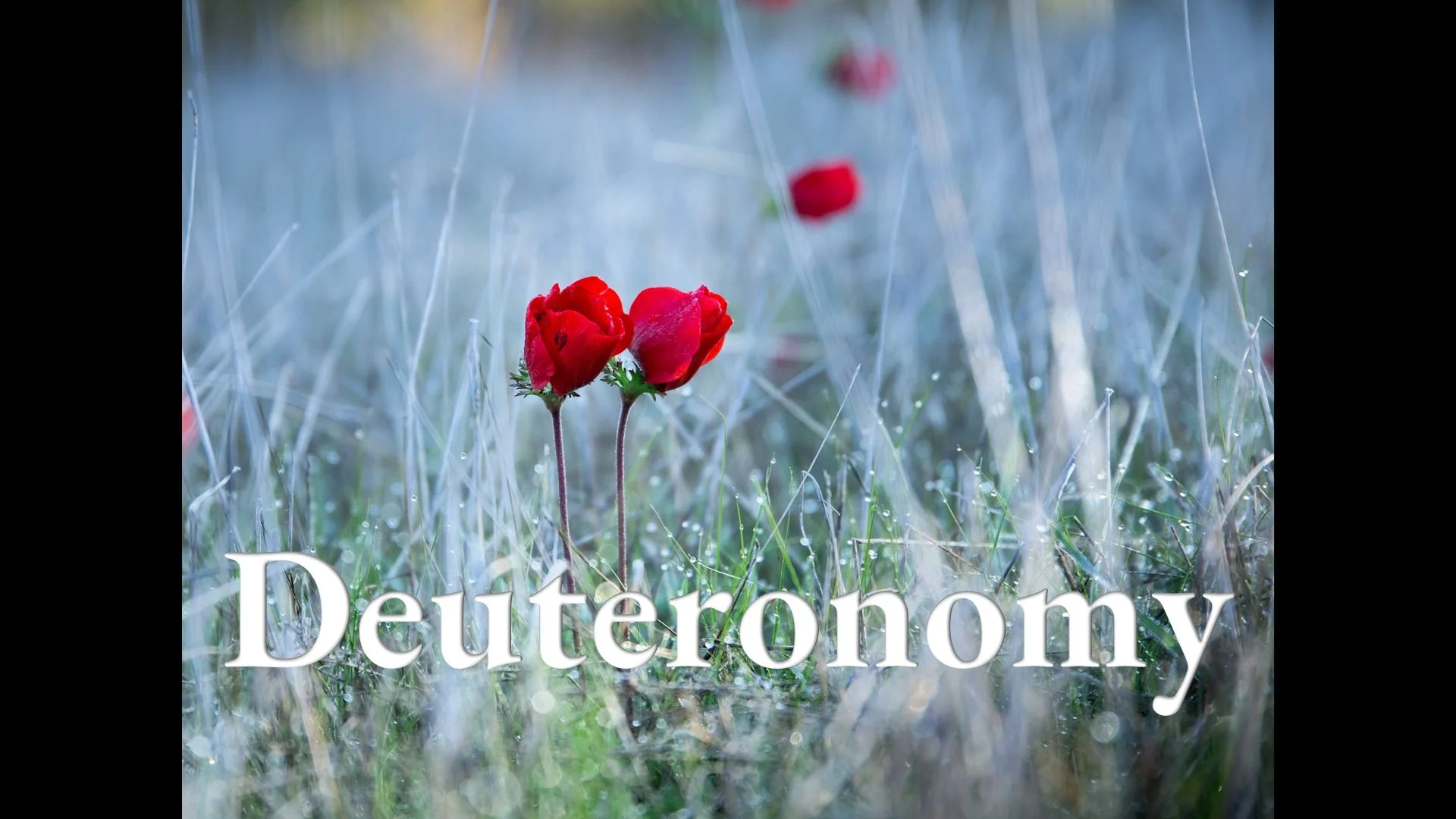
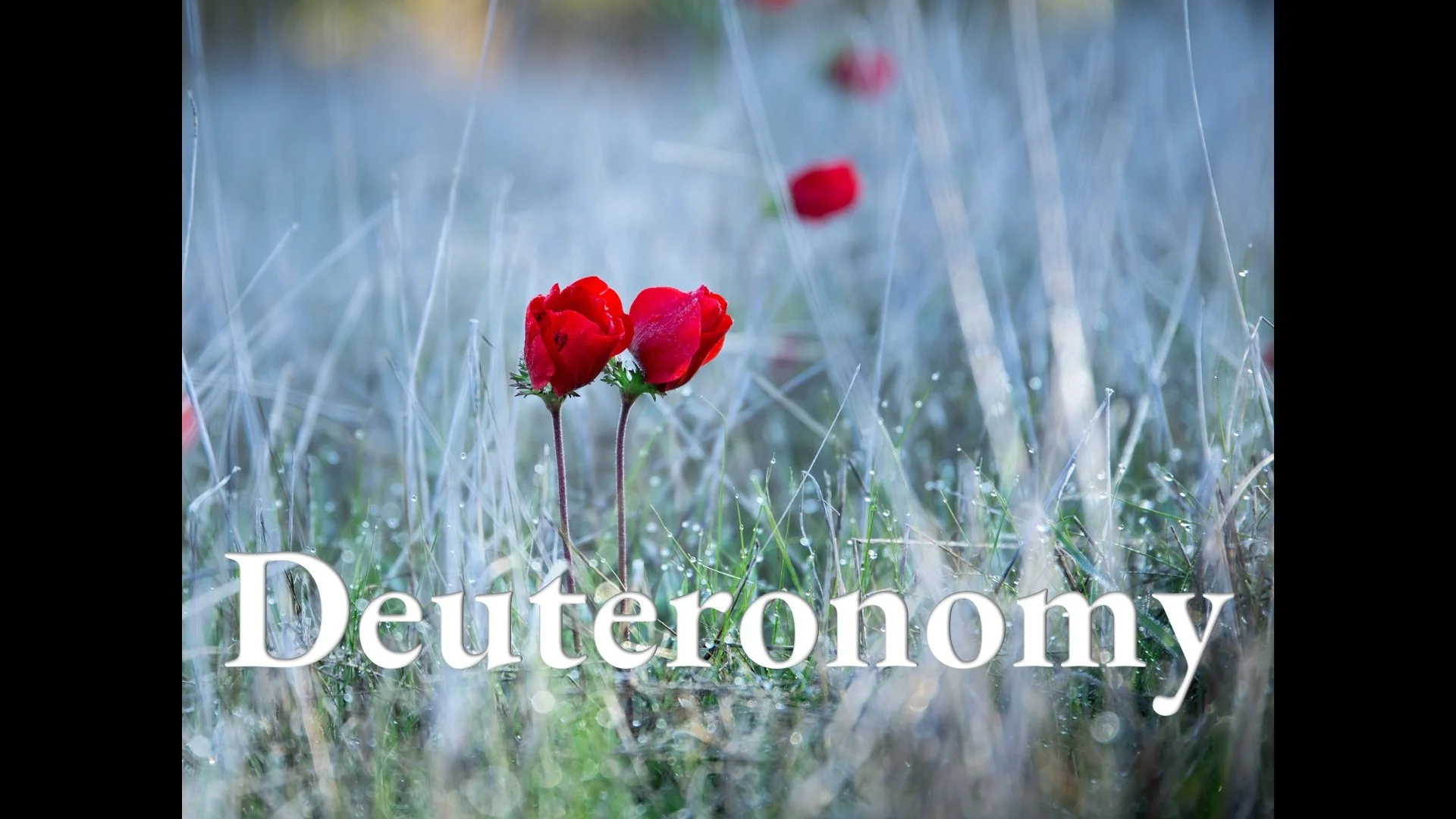
Photograph: Red anemones in a winter field in Israel; photo credit: Israel Nature Photography | CC2.0, Flickr; cropped.
Below are messages, small group leader notes, and exegetical notes on the Book of Deuteronomy.
-
Deuteronomy 1:1 - 3:29 Relearning Good and Evil
Deuteronomy 4:1 - 6:25 Your Life Witnesses to the Nations
Deuteronomy 7:1 - 8:20 The Lord Will Fight for You
Deuteronomy 9:1 - 11:32 The Uniqueness of Israel and Her Land
Deuteronomy 12:1 - 14:21 The First, Second, and Third Commandments
Deuteronomy 14:22 - 15:18 The Fourth Commandment
Deuteronomy 15:19 - 16:17 The Fifth Commandment
Deuteronomy 16:18 - 18:22 The Sixth Commandment
Deuteronomy 19:1 - 21:9 The Seventh Commandment
Deuteronomy 21:10 - 22:4 The Eighth Commandment
Deuteronomy 22:5 - 23:14 The Ninth Commandment
Deuteronomy 23:15 - 24:22 The Tenth Commandment, Part 1
Deuteronomy 25:1 - 26:19 The Tenth Commandment, Part 2
Deuteronomy 27:1 - 30:20 The Certainty of Exile and God's Restoration
Deuteronomy 31:1 - 34:12 Israel's Songs of Hope
-
Slavery in Christianity, Part 1: Slavery in the Bible, Slavery Today
Research and slides which explores the Old Testament, then the New Testament. It looks at what the Hebrew "ebed" service meant in context, and then what Greek "duolos" meant and how the New Testament understood the various ways people could enter servitude. It uses a sociological approach, exploring different ways in to becoming an “ebed” or “duolos,” what rights and responsibilities those roles had, and how one could leave and/or escape.
Why Did God Choose a "Chosen People"? Why Not Just Skip Right to Jesus?
These two questions stand behind all of the questions that we might have about God’s relationship with the people of Israel as portrayed by the Old Testament. Why did God apparently favor Abraham and Sarah and their family? Why did God protect them by taking other human life, like in the Flood, Sodom and Gomorrah, the Egyptian firstborn, etc.?
When God took human life in these occasions, it was not to supposedly demonstrate "retributive justice," but rather to protect His human partners at the time, until Jesus came among the Israelites.
The Troubling Acts of God: The Destruction of the Canaanites
Text of a message focusing on how God engaged with the Canaanites throughout the Old and New Testaments. Slides to this presentation are graphics-heavy so have been divided into part 1 and part 2. When God took human life on some of the occasions where Israel and the Canaanites came into conflict, it was not to supposedly demonstrate "retributive justice," but rather to protect His human partners at the time, until Jesus came among the Israelites.
-
The Structure of Deuteronomy. Paper.
Robert I. Bradshaw, The Book of Deuteronomy. Biblical Studies UK website.
Kenneth Bergland, Roy E. Gane, Gary A. Rendsburg, A. Rahel Wells, Rethinking the Composition of the Pentateuch. Hendrickson | Amazon page, Apr 2026.
-
Alastair Roberts, 40 Days of Exoduses. Alastair’s Adversaria. A very helpful collection of examples of how biblical storytelling repeats structures and plots.
Damon Young, The Wisdom of Gardens. Aeon, Jun 14, 2013. Gardens expand our thinking, console us in times of crisis, school us in emotional generosity, and show us that life goes on
The Bible Project, Sacrifice and Atonement. The Bible Project, Aug 27, 2015. A good 7 minute video which accurately talks about the purification by blood depicted in the Jewish offerings
The Bible Project, The Law. The Bible Project, Oct 12, 2015. A very good 6 minute video which places the stress on the story of the Torah, and beyond, not simply the commandments.
The Bible Project, Read Scripture: The Book of Deuteronomy. The Bible Project, Feb 5, 2016. An 8 minute video.
Bible Studies and Messages from The Anástasis Center: Torah:

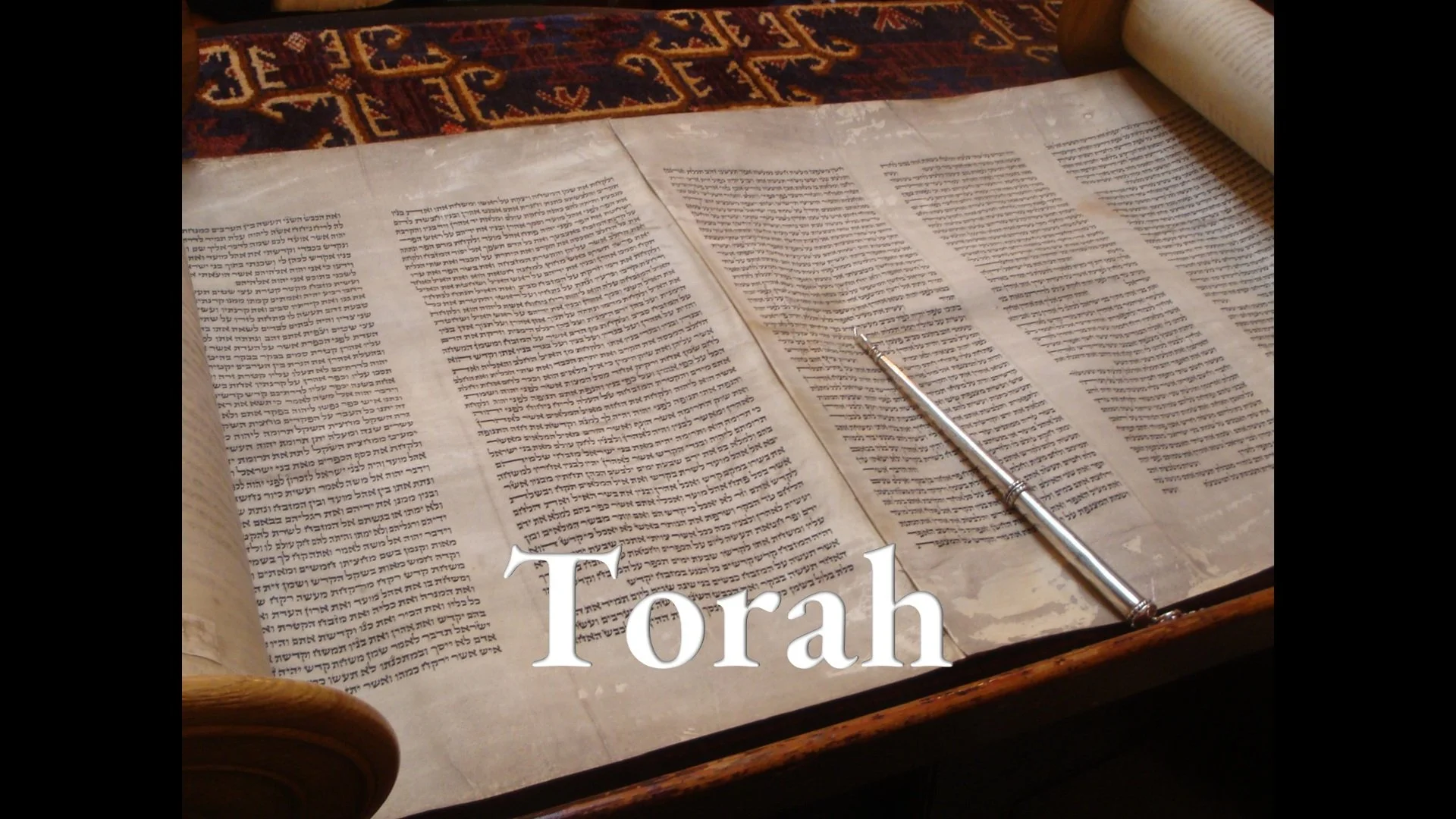
Bible Studies and Messages from The Anástasis Center: