Photograph: Boston’s Copley Library
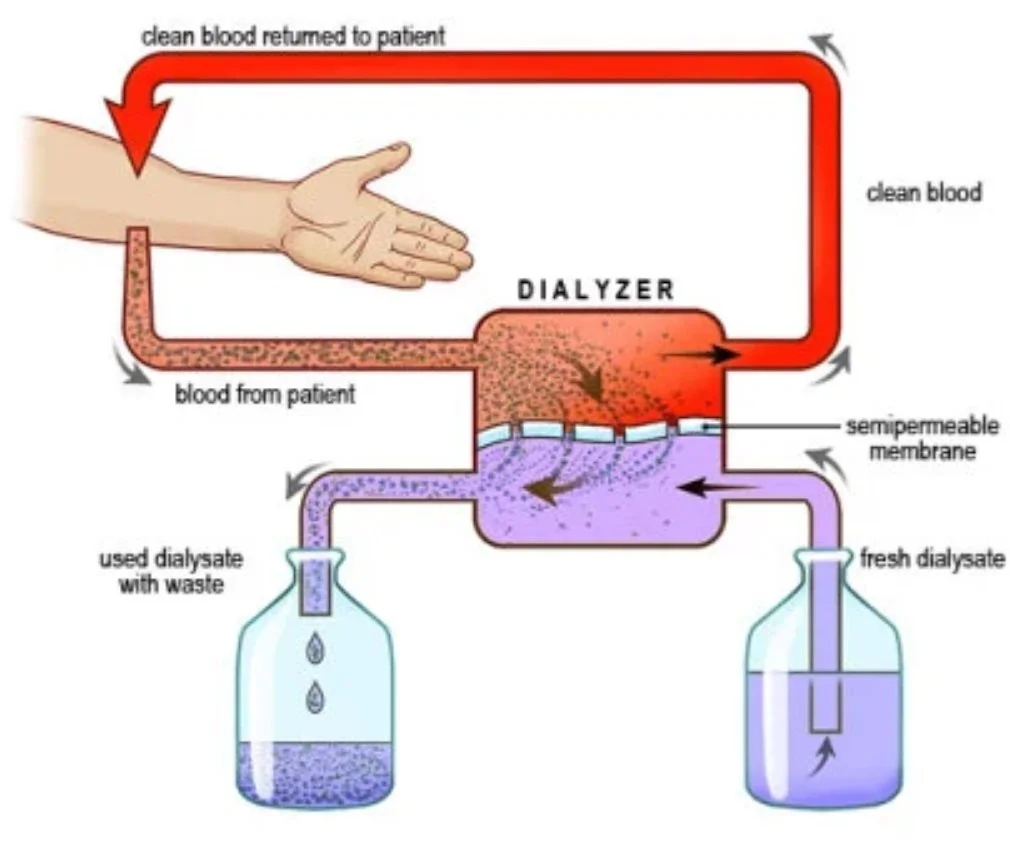
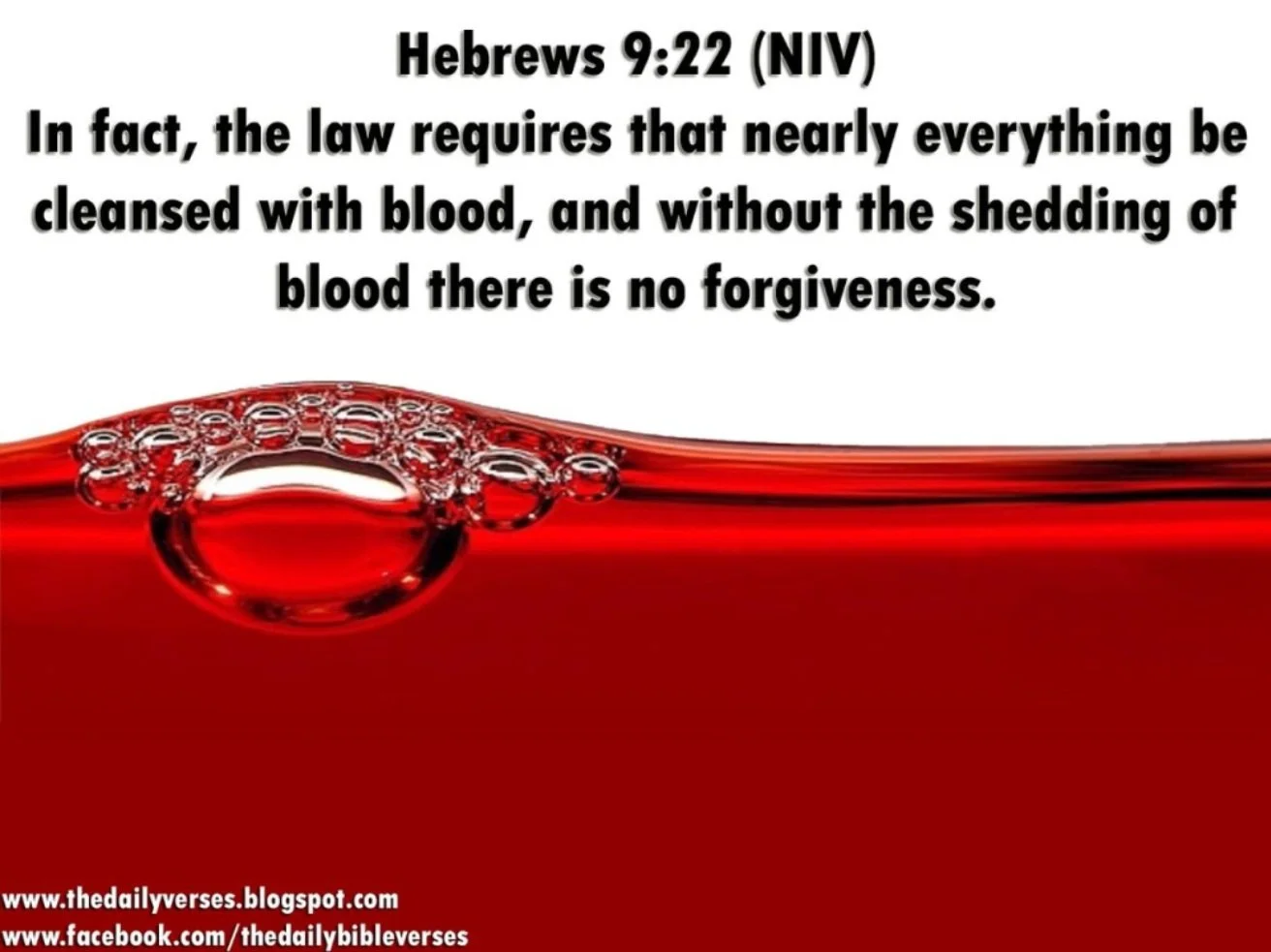
203: Is God Bloodthirsty? Or a Blood Donor?
203: Start Here
In 202, we read that PSA defender Kevin DeYoung, responding to Thomas McCall on The Gospel Coalition blog, said:
“Just like the bloody atonement of old, Christ’s death was a fragrant offering and sacrifice to God to atone for our sins (Lev. 1:9, 13, 17; Eph. 5:2). In fact, the very notion of propitiation implies that God’s righteous anger had to be assuaged (Rom. 3:25; Heb. 2:17; 1 John 2:2; 4:10). Christ did not feel forsaken by God for no reason. To be sure, the Trinity was not broken on Good Friday, but it was still “the will of the Lord to crush” the suffering servant (Isa. 53:10). If on the cross as Jesus died, the wrath of God was not satisfied, how was it then appeased?”
We will now examine the “bloody atonement of old” and “the very notion of propitiation.” But does God’s anger need to be assuaged? Is that how God’s anger works? We will see that DeYoung is relying on a poor English translation of the Greek word, hilasterion, which he thinks means “propitiation.”
Please watch the following video: God Becomes the Hero: Psalm 22 and How Jesus Retold David’s Story. This is Session Eight from our 2019 conference, Healing Atonement. On the cross, Jesus quoted Psalm 22:1, “My God, my God, why have you forsake me?” This “cry of dereliction” has puzzled some Christians. Advocates of Penal Substitutionary Atonement claim that God the Father turned against or away from the Son in some real sense. But not only does this violate various Scriptures and theological convictions about the Father-Son union flowing from the Nicene Creed, there is a much better explanation, rooted in the pattern of Jesus retelling David’s story. Medical Substitution stresses the active, not passive, obedience of Jesus, and God’s faithfulness to restore that which was broken, lost, and incomplete.
203: Confirm What You Learned
Consider
202 For More Learning and Inspiration
Read this blog post series on Jesus’ quote of Psalm 22:1 from the cross, in the telling of Matthew’s Gospel. We go into more depth from the biblical studies angle. We examine the Gospel of John’s witness that the Father never left or leaves the Son, including at the cross (John 16:32), the life of King David, the literary organization of the Book of Psalms. the literary organization of Matthew’s Gospel. Jesus quoted Psalm 22:1 not to express his feelings or lack of conscious awareness of God the Father or God the Holy Spirit, but as a strategic argument against those who were mocking him.



If You Liked This
Rediscover Early Christianity through the videos to our class, Reconstruction: The Deep Roots of Early Christian Theology with us. Learn about why Early Christian theology matters!
Next: Atonement 203: Jesus and the Sacrificial System
PSA defender Kevin DeYoung, responding to Thomas McCall on The Gospel Coalition blog, said
“Just like the bloody atonement of old, Christ’s death was a fragrant offering and sacrifice to God to atone for our sins (Lev. 1:9, 13, 17; Eph. 5:2). In fact, the very notion of propitiation implies that God’s righteous anger had to be assuaged (Rom. 3:25; Heb. 2:17; 1 John 2:2; 4:10). Christ did not feel forsaken by God for no reason. To be sure, the Trinity was not broken on Good Friday, but it was still “the will of the Lord to crush” the suffering servant (Isa. 53:10). If on the cross as Jesus died, the wrath of God was not satisfied, how was it then appeased?”
We will examine the “bloody atonement of old” and “the very notion of propitiation” next. We will see that God was not bloodthirsty; He was a blood donor. Then, we will see that DeYoung is relying on a poor English translation of the word he thinks means “propitiation.” We will later see how DeYoung is mistaken about what Isaiah’s Suffering Servant endured.
Sources of Atonement Theology: Early Christianity
We have found fresh and invigorating meaning in how the earliest Christians, called the patristic writers, understood Jesus: Through his faithful life and death, Jesus triumphed over the corruption of sin in human nature; through his resurrection, Jesus raised up a cleansed, purified, new humanity which he shares with us by his Spirit.
These resources explore the foundation of “Medical Substitution” as the best understanding of the Bible, and the original understanding of the church. There are also links to books, web articles, etc. from representatives of the three broad Christian traditions.