A bound set of New Testament manuscripts. Photo credit: Atlantios, Creative Commons Zero.
Introduction: Healing Atonement in Scripture
These resources explore the meaning of Jesus' death, from the understanding of the Christian community in its first four hundred years, expressed in the Nicene and Chalcedonian creeds. Jesus is God's way of undoing human evil, in a personal, loving way. His death was the climax of his victorious struggle over the corruption in his own human nature. We call this "Medical Substitution," although it has gone by other names.
Atonement: Why Care? Practical Implications
Read the Atonement and Ministry Blog Series, below. They discuss very practical considerations that come up. See whole series.





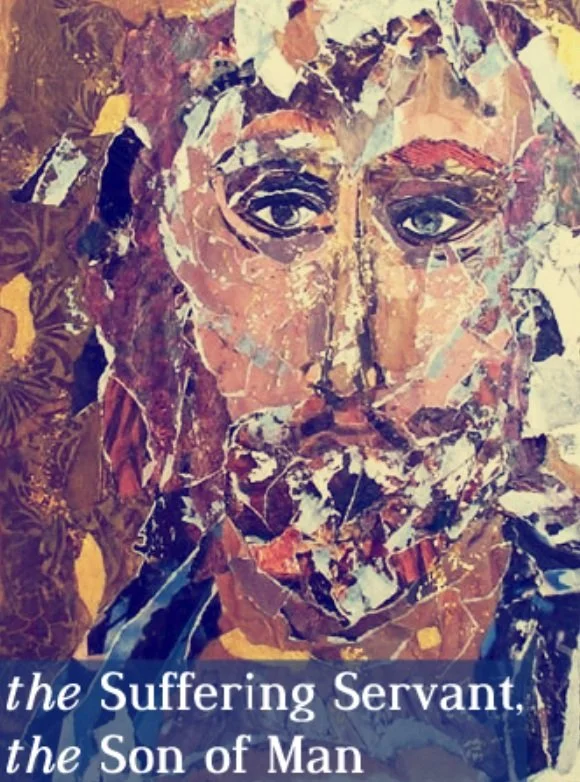
Isaiah 53: The Suffering Servant
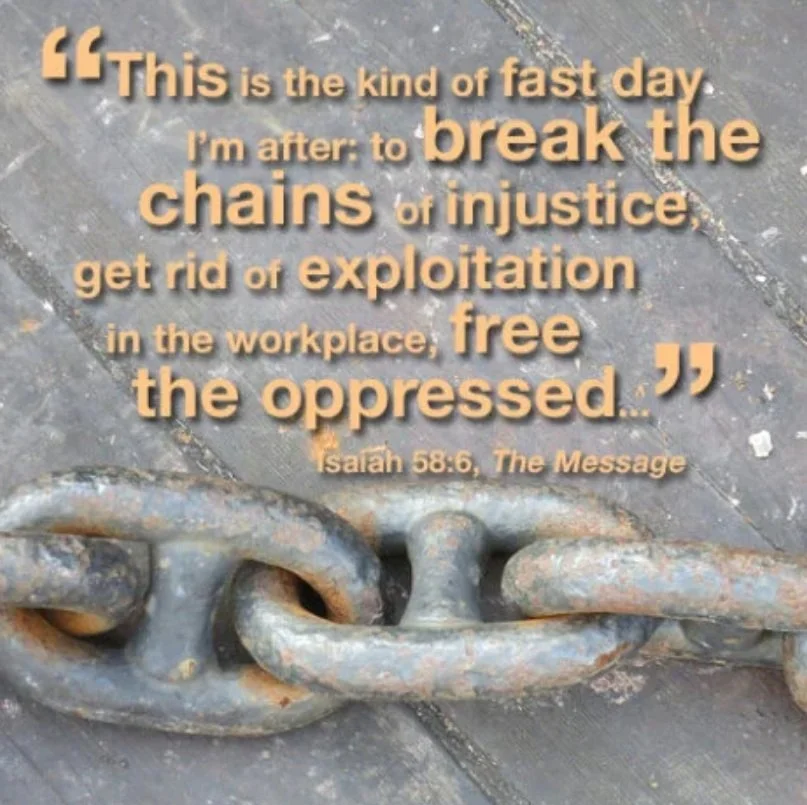
The Song of the Suffering Servant supports the medical, not penal, substitutionary view of the atonement. Examine Isaiah as a whole; how Matthew and Paul quoted from Isaiah; how the Greek Septuagint translation of Isaiah 53 speaks of the Servant’s healing and recovery; and how medical substitutionary atonement serves as a foundation for Christian discipleship and social justice. See whole series.

The Sacrifices: Why So Much Blood?
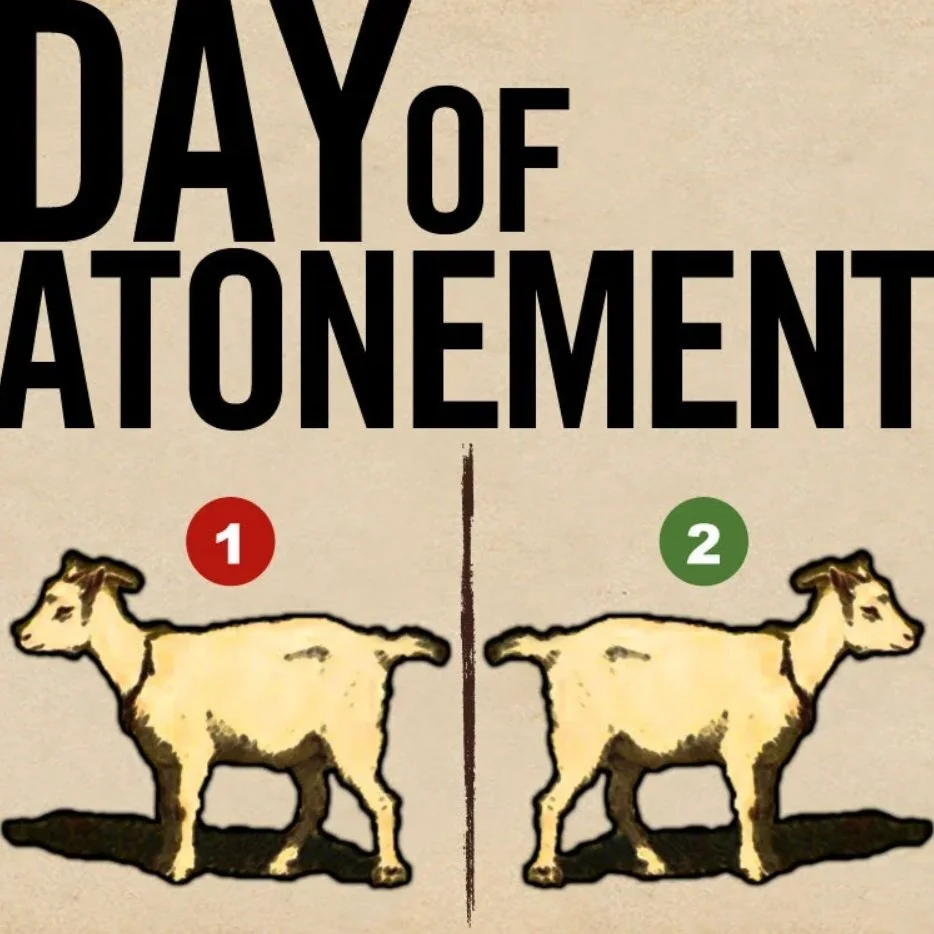
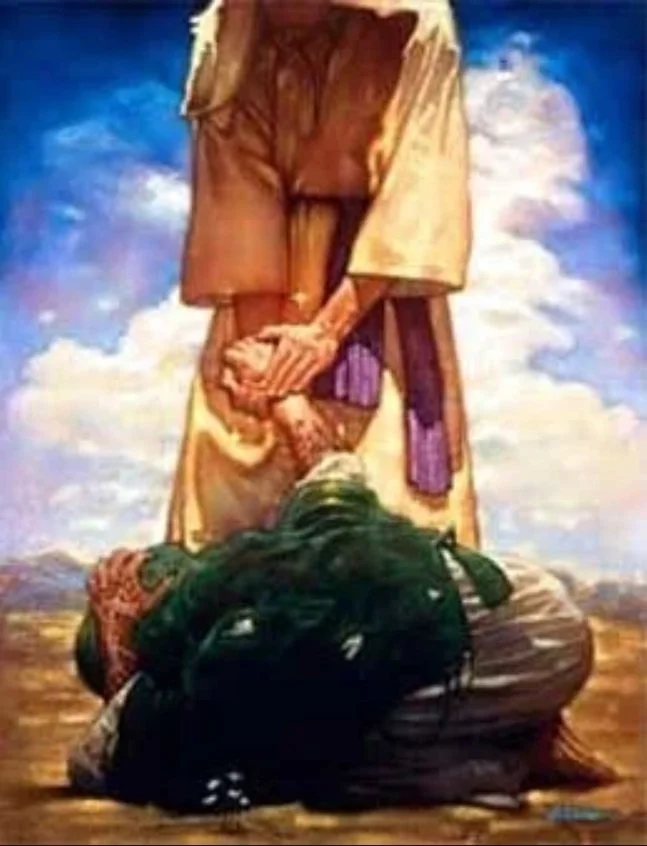
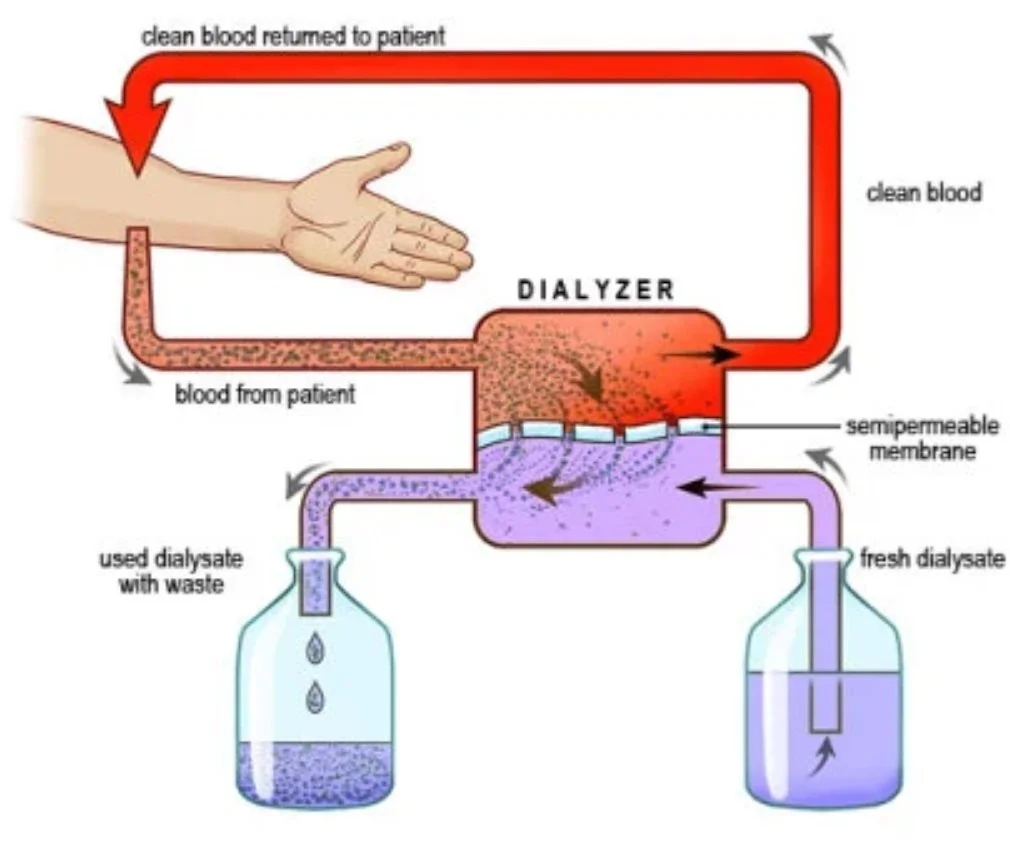
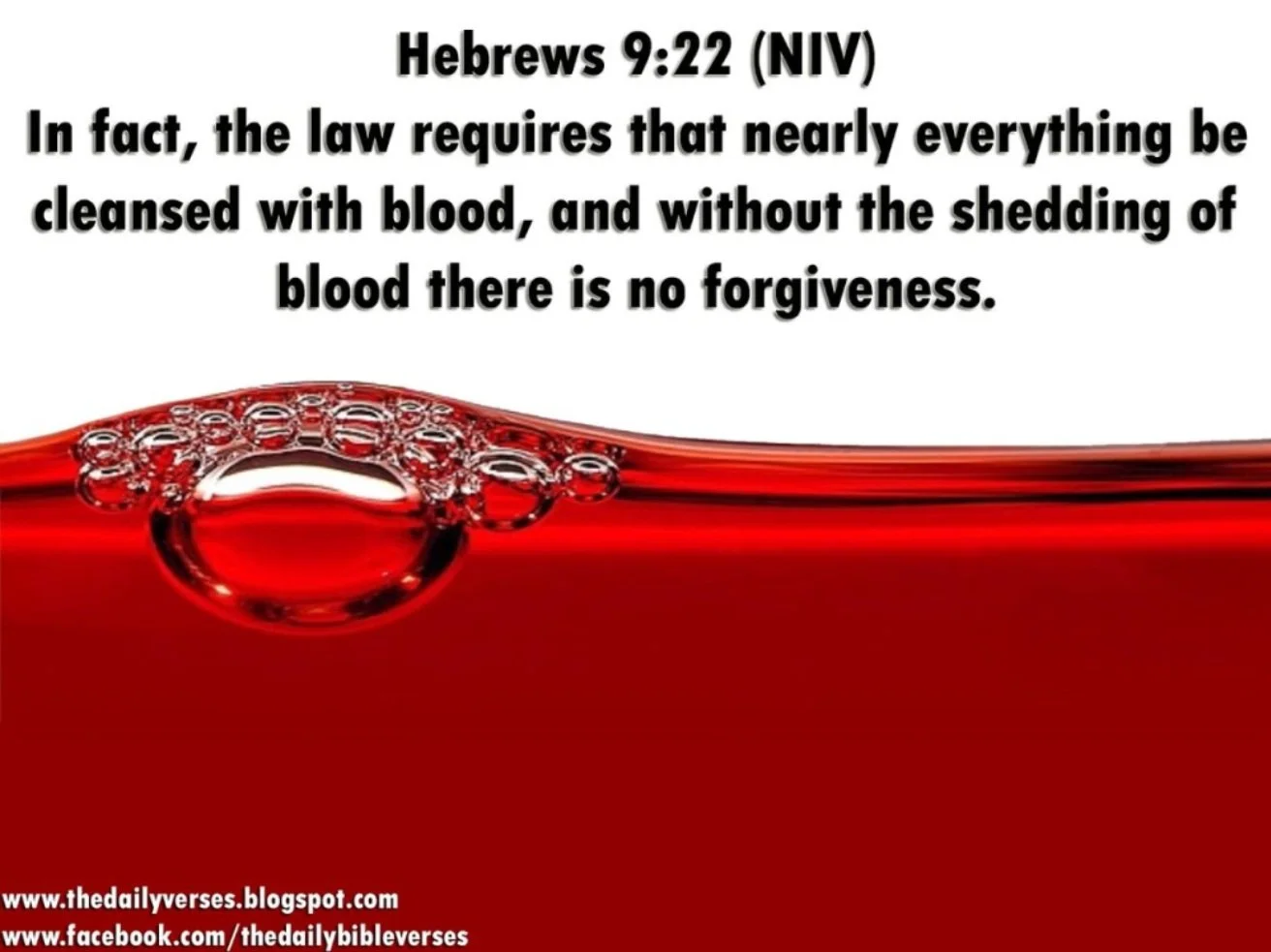
The Jewish sacrificial system is often taken as a lynchpin of the theory of penal substitutionary atonement. Yet God acts like a blood donor, not a bloodthirsty god. The sacrifices retell and reenact the ascent of Moses at Mount Sinai, when God purified Moses to some degree, and his face shone. God was acting like a dialysis machine. See whole series.



Circumcision as Atonement
Circumcision was the outward expression of cutting a sinful attitude away, and the dominant symbol of the covenant. Circumcision “of the heart” became a way to express what salvation and restoration meant in fullness. Jesus cut away what is sinful and unclean in his own human nature, so he could do it in us. See whole series.


The Father-Son Relationship, Athanasius, and the Nicene Creed
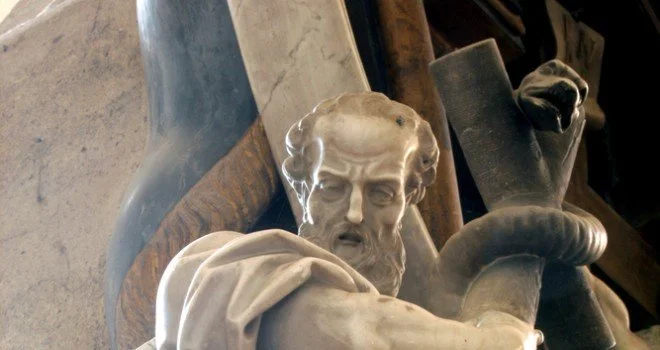
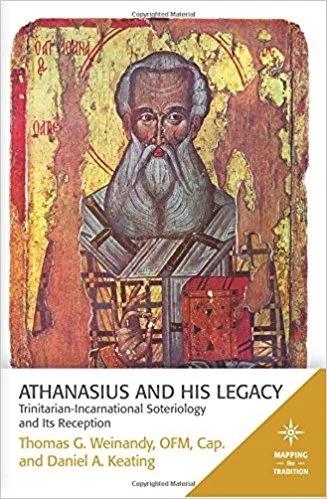
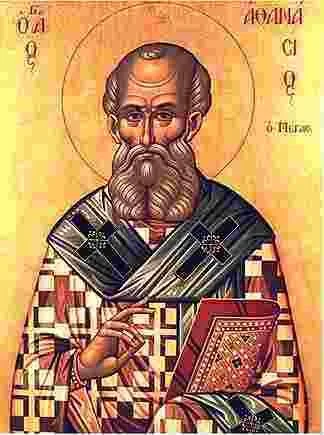
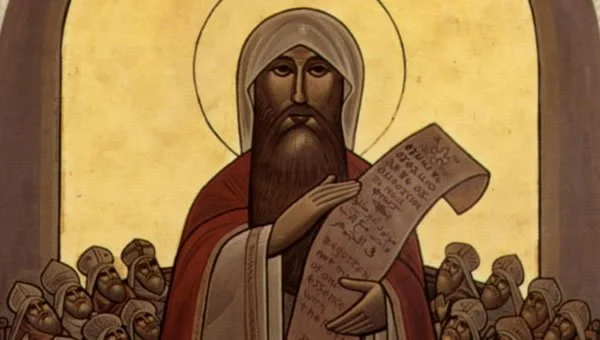
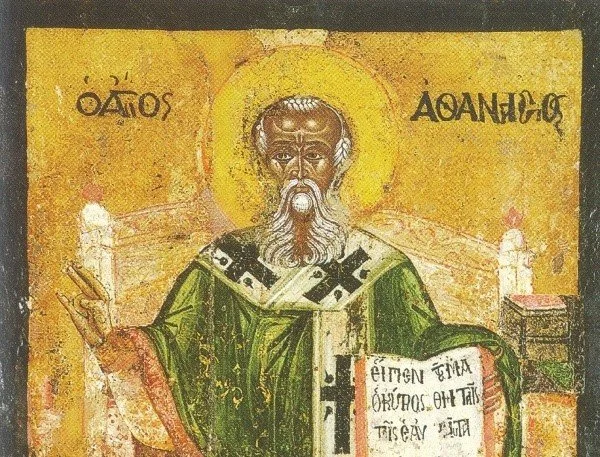
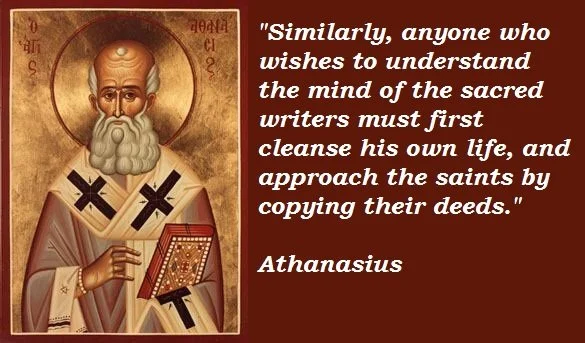
Athanasius helped draw up the Nicene Creed, defended the divinity of the Son and the doctrine of the Trinity, and was the first to identify the New Testament as the 27 books we now have. Read about his atonement theology, defense of God’s love and goodness, teaching on the Father-Son relation and key biblical passages, and how early Christian theology would speak to modern day issues. See whole series.


“My God, My God, Why Have You Forsaken Me?”
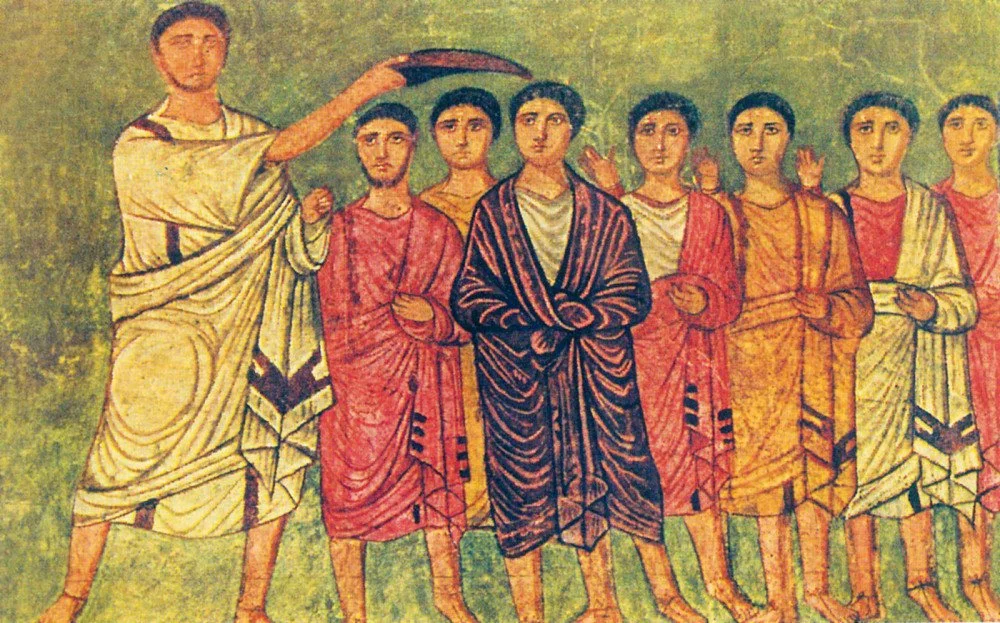
King David had been forsaken to the Gentiles, but not forsaken by God in an absolute sense. David still knew he had the Spirit’s anointing to be king. Likewise, Jesus was forsaken to the Gentiles, but not forsaken by the Father in an absolute sense. Jesus still knew he had the Spirit’s anointing to be king. This means God does not use relational distancing as a threat. See whole series.



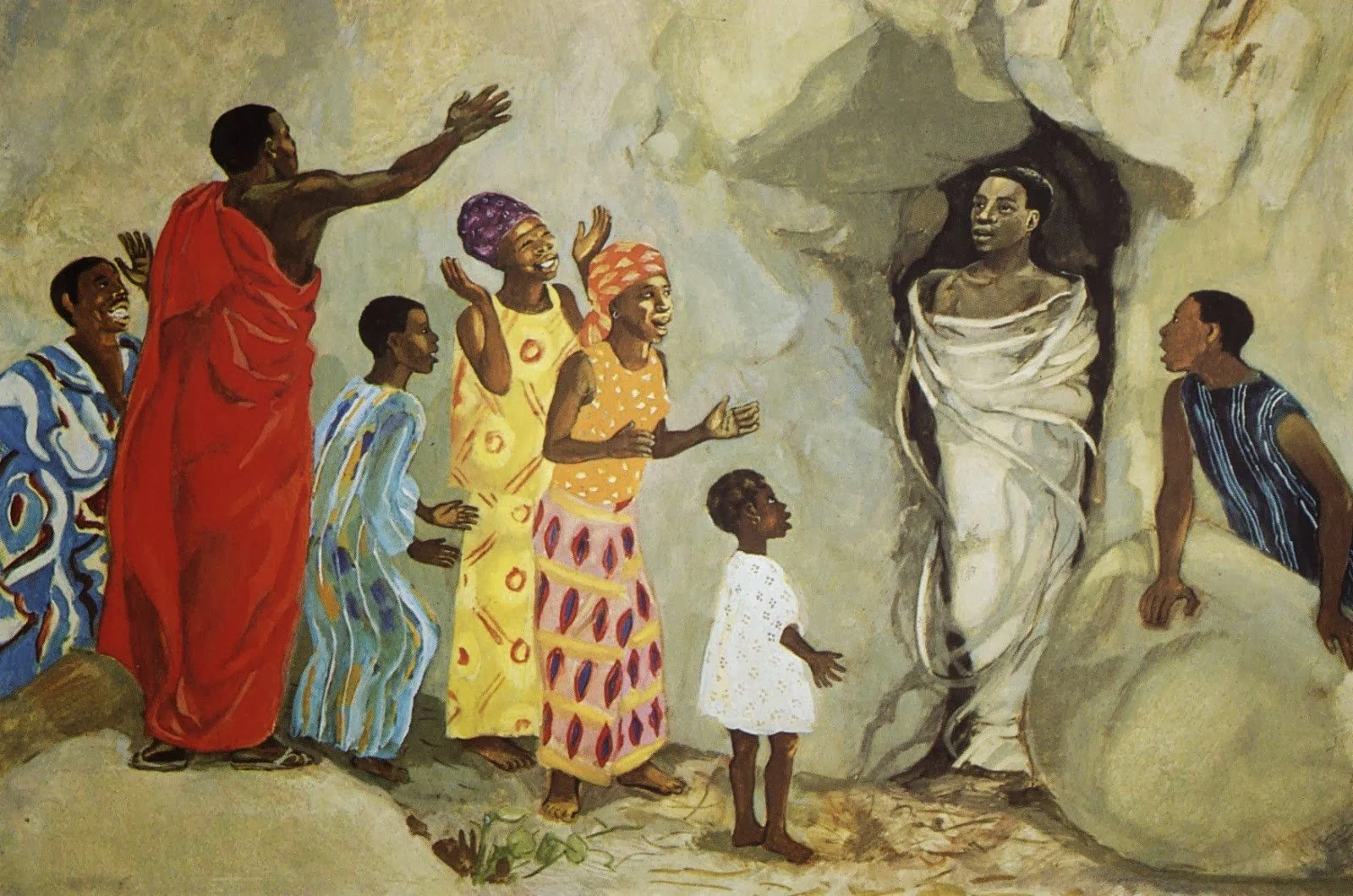
Atonement and Emotional Development: Anger




Atonement and Emotional Development: Guilt

Spotlight on a Debate
Is PSA Jesus the Only Way to Experience God’s Forgiveness, Restoration, and Goodness? On Facebook from August 2025. CC took the approach of emphasizing his personal narrative. CC said PSA Jesus was the only way he could have experienced forgiveness, and is the only way for people to do so. Mako replied with his personal narrative, including his emotional struggles with PSA and trying to minister with PSA. Mako highlights how reading Scripture and the Early Christians helped him see God’s justice as restorative, not retributive, and Jesus’ atonement as a medical substitution for us to become our Cure, not a penal substitution to become God’s victim.
Sources of Atonement Theology
These resources explore the foundation of “Medical Substitution” as the best understanding of the Bible, and the original understanding of the church. There are also links to books, web articles, etc. from representatives of the three broad Christian traditions.