Healing Atonement
Leo of Rome (c.400 - c.461 AD)
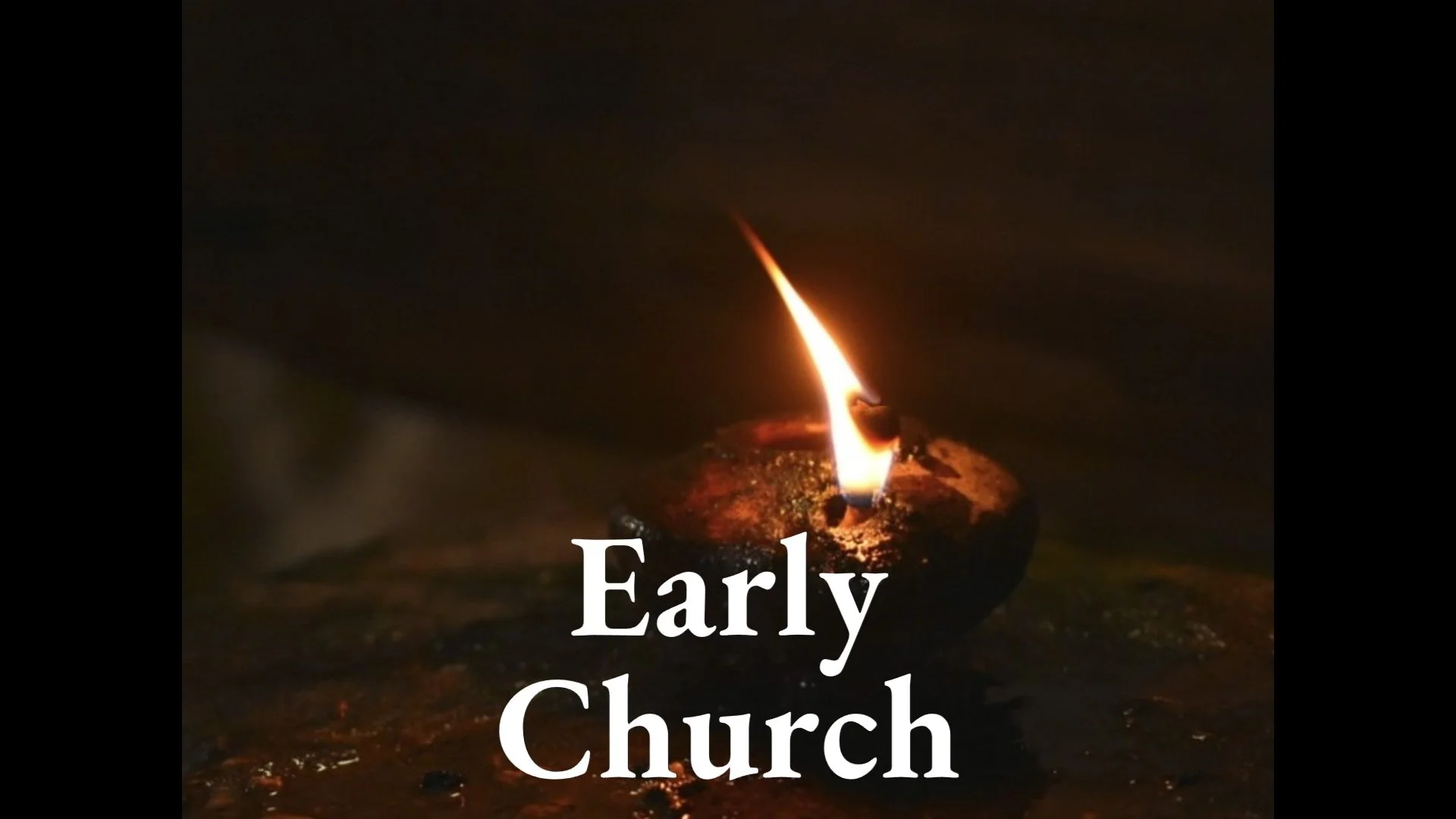
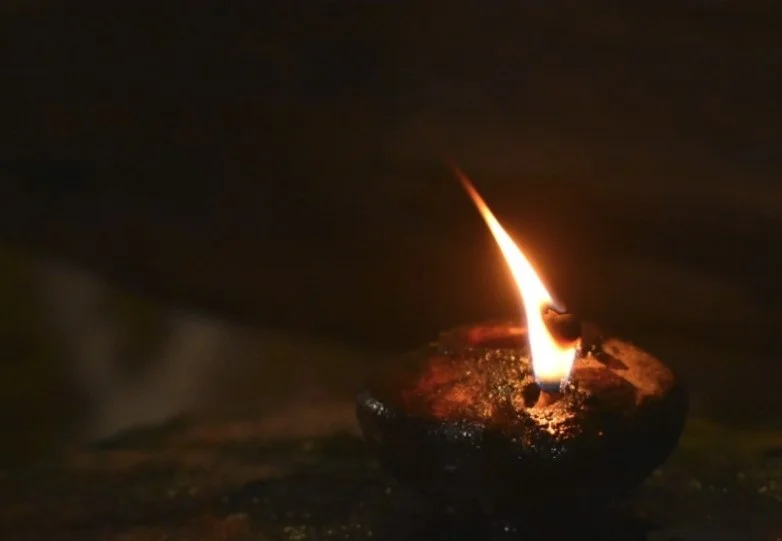
An old clay oil lamp from Nazareth, Israel. Photo credit: Olivia Armstrong.
The Writings of Leo of Rome
Leo of Rome, Sermon 67, paragraphs 5 - 6 says that the Son of God "truly assumed our weaknesses, and without share in sin had spared Himself no human frailty, that He might impart what was His to us and heal what was ours in Himself" (5) and uses the phrase "in the likeness of sinful flesh" (6) from Romans 8:3. Leo had read Athanasius' Letter 59 to Epictetus of Corinth about Jesus taking on and fighting his way through fallen human nature. But it is unclear, then, why Leo also endorsed John Cassian's On the Incarnation book 3, as Cassian held to cleansing from conception.
Verona / Leonine Sacramentary: This prayer is significant because the Verona Sacramentary is the oldest surviving liturgical book of the Roman rite, containing prayers for mass. It is called “Leonine” because tradition ascribes at least some of the collection to Pope Leo I, who died in 461 AD.
“God, you who marvelously created the dignity of human substance and more marvelously reformed it: grant us, we ask, to be sharers in the divinity of your Son, Jesus Christ, who deemed it worthy to become a partaker of our humanity” (Ve 1239).
Sources of Atonement Theology
These resources explore the foundation of “Medical Substitution” as the best understanding of the Bible, and the original understanding of the church. There are also links to books, web articles, etc. from representatives of the three broad Christian traditions.